

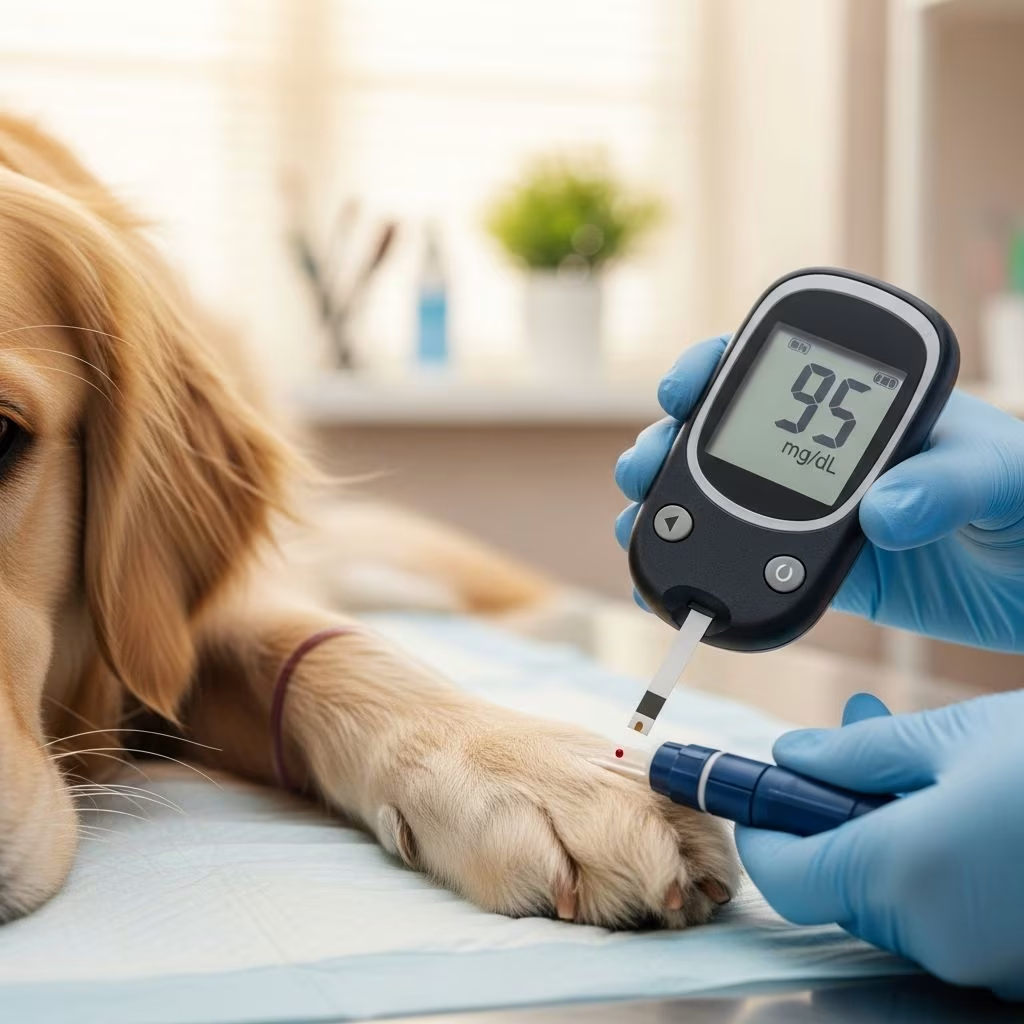
Monitoring blood glucose levels is crucial for maintaining a dog’s health, as these values provide key insights into metabolic function. Healthy dogs typically maintain blood sugar between 80 and 120 mg/dL, though ranges can vary slightly based on factors like meals or activity.
Understanding Canine Blood Sugar Basics
Blood glucose, or blood sugar, serves as the primary energy source for a dog’s body, fueling everything from brain activity to muscle movement. The pancreas regulates this by producing insulin, which helps cells absorb glucose from the bloodstream. In healthy dogs, levels fluctuate naturally: fasting values hover around 80-120 mg/dL, rising temporarily after eating to 250-300 mg/dL before returning to baseline.
Disruptions in this balance can signal issues. Consistently low levels indicate hypoglycemia, while persistently high ones point to hyperglycemia, often linked to diabetes mellitus. Veterinary guidelines from sources like Cornell University emphasize that normal ranges are 80-120 mg/dL, with excursions up to 250 mg/dL post-meal being tolerable.
Defining Healthy Ranges for Blood Glucose
Veterinary consensus identifies 80-120 mg/dL as the standard normal range for fasting blood glucose in dogs. However, some studies suggest a tighter optimal window of 60-111 mg/dL for clinically normal dogs, with symptoms of low blood sugar rarely appearing until below 50-60 mg/dL.
| Source | Normal Range (mg/dL) | Notes |
|---|---|---|
| AAHA/PetMD | 80-200 (broad), 80-120 (typical) | Post-meal up to 300 |
| Cornell/Merck | 80-120 | Up to 250 safe; diabetes targets 100-250 |
| PMC Study | 60-111 | Hypoglycemia ≤60 |
This table highlights variations: broader ranges like 80-200 mg/dL account for postprandial spikes, while narrower ones (60-110 mg/dL) reflect optimal metabolic health, especially in low-carb diets.
Risks of Abnormal Blood Glucose Levels
Hypoglycemia: Dangers of Low Blood Sugar
Hypoglycemia occurs when blood glucose drops below 60 mg/dL, depriving organs of energy. Symptoms include weakness, tremors, seizures, and coma. Common in puppies, small breeds, or insulin-overdosed diabetics. A PMC review defines it as ≤60 mg/dL (3.3 mmol/L), stressing rapid intervention with glucose sources like honey.
- Early signs: Lethargy, disorientation, pale gums
- Severe: Collapse, convulsions, death if untreated
- Causes: Overdose of insulin, skipped meals, liver disease
Hyperglycemia: High Blood Sugar Threats
Levels above 200-400 mg/dL signal hyperglycemia, with diabetes causing persistent elevations over 400 mg/dL, sometimes reaching 800 mg/dL. Untreated, it leads to ketoacidosis, dehydration, and organ damage. Post-meal highs up to 300 mg/dL are normal, but sustained peaks indicate insulin deficiency.
- Symptoms: Excessive thirst, urination, weight loss, cataracts
- Complications: Infections, neuropathy, coma
- Risk factors: Obesity, genetics, pancreatitis
Diabetes Mellitus in Dogs: A Key Concern
Canine diabetes mimics human type 1, with insufficient insulin production. Normal dogs keep glucose at 80-120 mg/dL; diabetics exceed 400 mg/dL. Management targets 100-250 mg/dL to avoid lows while controlling highs.
Merck Animal Health outlines glucose curves: serial tests showing nadirs of 100-150 mg/dL and peaks under 250 mg/dL indicate good control. Diet low in carbs, twice-daily insulin, and exercise are pillars of therapy.
How to Measure Blood Glucose at Home
Home monitoring empowers owners. Use vet-approved glucometers; human devices may underestimate by 15-22 mg/dL. Steps include:
- Clip nail or lancet ear/margin
- Apply blood drop to strip
- Read digital result in seconds
Track curves: Measure every 2 hours for 12-24 hours post-insulin to plot peaks/nadirs. Ideal curve stays 100-250 mg/dL.

Glucose curves help adjust insulin, avoiding Somogyi rebound (hypo-induced highs).
Factors Influencing Blood Glucose Readings
Several variables affect accuracy:
- Stress: Elevates to 200+ mg/dL in clinics
- Diet: Carbs spike levels; low-carb keeps under 110 mg/dL
- Exercise: Lowers glucose rapidly
- Time of Day: Fasting mornings yield baselines
Auburn University research on 53 healthy dogs found 76-116 mg/dL averages.
Prevention and Management Strategies
Maintain ideal weight to prevent diabetes. Feed balanced, low-glycemic diets; avoid carb-heavy kibble. Annual vet checks include glucose tests. For diabetics:
- Consistent feeding/insulin schedules
- Daily exercise
- Regular curves every 2-4 weeks initially
Optimal health targets 60-110 mg/dL, reducing chronic disease risks like cancer.
Common Myths About Dog Blood Sugar
- Myth: All highs mean diabetes. Fact: Stress/meals cause transients.
- Myth: Home meters are unreliable. Fact: Vet-calibrated ones are accurate enough.
- Myth: Only old dogs get diabetes. Fact: Affects all ages, females more.
Frequently Asked Questions (FAQs)
What is a normal blood glucose level for my dog?
Typically 80-120 mg/dL fasting; up to 250-300 post-meal.
Is 150 mg/dL dangerous for a healthy dog?
No, if temporary; sustained highs warrant vet visit.
How often should I check my diabetic dog’s glucose?
Daily spots; full curves weekly or as vet advises.
Can diet alone manage diabetes?
Supports but rarely replaces insulin.
What to do if my dog has low blood sugar?
Rub honey on gums, seek emergency care.
Long-Term Health Implications
Chronic highs accelerate aging, cataracts, and heart issues; lows risk brain damage. Tight control (100-250 mg/dL) extends life. Studies link carb-rich diets to higher averages and diseases.
Owners monitoring proactively catch issues early, improving quality of life.
References
- What is Considered a “Normal” Blood Glucose Level For a Dog? — Keto Natural Pet Foods. 2023. https://ketonaturalpetfoods.com/blogs/news/what-is-considered-a-normal-blood-glucose-level-for-a-dog
- Diabetes Mellitus in Dogs — The Drake Center for Veterinary Care. 2024. https://www.thedrakecenter.com/resources/materials/dogs/diabetes-mellitus-dogs
- Monitoring and Managing Glucose Levels in Dogs and Cats — PetMD. 2025. https://www.petmd.com/monitoring-and-managing-glucose-levels-dogs-and-cats
- Managing Canine Diabetes — Cornell University Riney Canine Health Center. 2024. https://www.vet.cornell.edu/departments-centers-and-institutes/riney-canine-health-center/canine-health-information/managing-canine-diabetes
- Hypoglycemia in Dogs: Causes, Management, and Diagnosis — PMC (National Library of Medicine). 2018-05-01. https://pmc.ncbi.nlm.nih.gov/articles/PMC5949948/
- Glucose Curves in Canines — Merck Animal Health USA. 2025. https://www.merck-animal-health-usa.com/hub/vetsulin/dogs/glucose-curves-in-canines/



