Noninfectious Amphibian Health Issues: Expert Care Guide
Explore common noninfectious disorders affecting pet and wild amphibians, from nutritional gaps to environmental stressors, with prevention strategies.
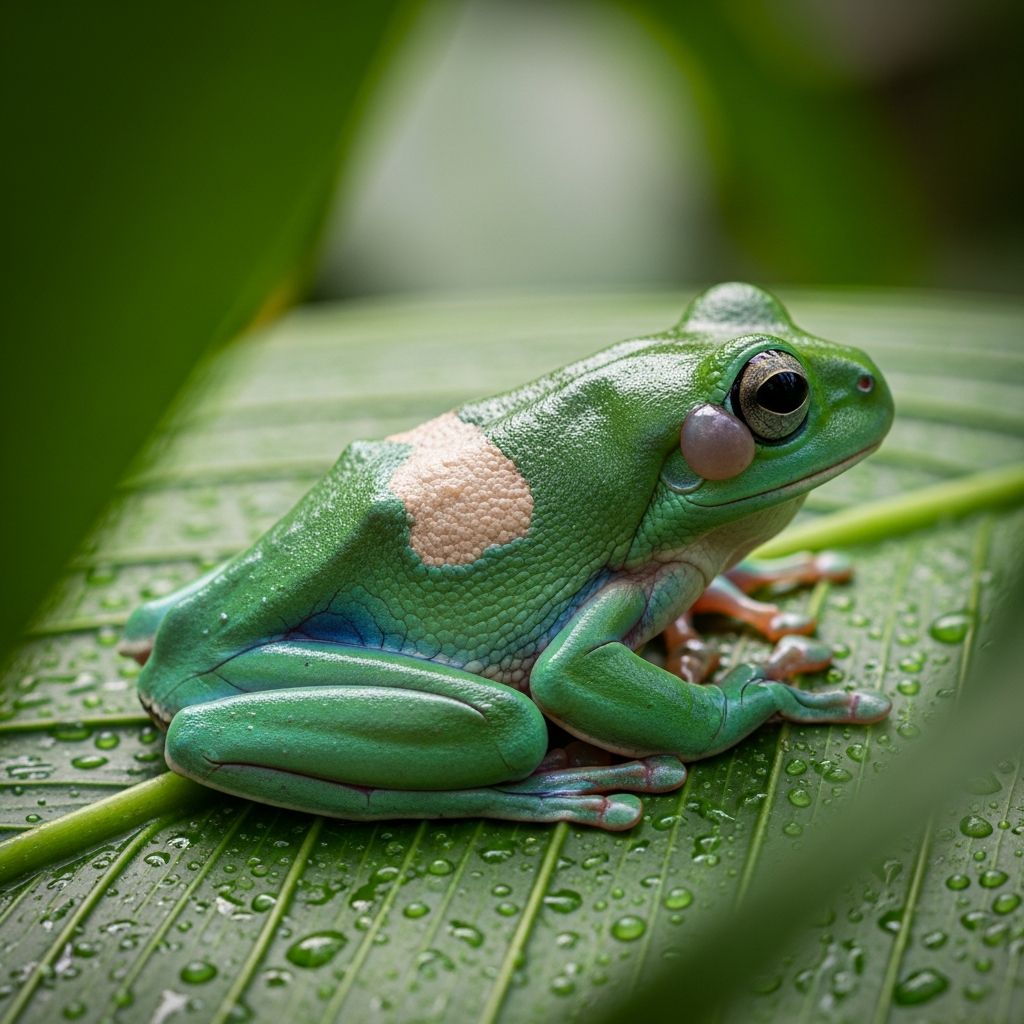
Amphibians such as frogs, toads, salamanders, and newts face unique challenges in captivity and the wild due to their sensitive physiology and dependence on precise environmental conditions. Unlike infectious diseases caused by pathogens, noninfectious disorders stem from poor nutrition, toxic exposures, metabolic imbalances, or suboptimal husbandry practices. These conditions often mimic infections but require different diagnostic and management approaches. Understanding these issues is crucial for pet owners, researchers, and conservationists to promote amphibian welfare and longevity.
Environmental Factors Impacting Amphibian Well-Being
Amphibians are ectothermic organisms with permeable skin, making them highly vulnerable to their surroundings. Suboptimal temperature, humidity, lighting, and water quality can trigger a cascade of health problems. For instance, incorrect temperatures disrupt metabolism, leading to lethargy, reduced feeding, and weakened immunity. Ideal ranges vary by species: tropical frogs thrive at 24-28°C (75-82°F), while temperate salamanders prefer 15-20°C (59-68°F).
Water quality is paramount for aquatic and semi-aquatic species. High ammonia, nitrite, or heavy metals from tap water cause gill damage, skin irritation, and organ failure. Regular testing and use of dechlorinators are essential. Poor ventilation leads to respiratory distress, while excessive dryness causes dehydration, evident as sunken eyes and wrinkled skin.
- Maintain pH between 6.5-8.0 for most species.
- Ensure 12-hour light-dark cycles to mimic natural rhythms.
- Provide hiding spots to reduce stress-induced cortisol spikes.
Nutritional Deficiencies and Their Consequences
Adequate diet is foundational to amphibian health. Deficiencies arise from monotonous feeding, such as exclusive reliance on frozen fish or gut-loaded insects lacking variety. Thiamine (vitamin B1) deficiency, common in fish-fed amphibians, destroys nerve function due to thiaminase enzyme in prey. Symptoms include muscle tremors, convulsions, and opisthotonos (severe spinal arching).
Vitamin A shortages lead to epithelial issues like cloudy eyes and shedding problems, while calcium-phosphorus imbalances cause metabolic bone disease (MBD). In MBD, soft bones result from hypocalcemia, manifesting as deformed limbs, fractures, and lethargy. Tadpoles fed low-calcium diets develop spinal curvatures.
| Nutrient | Sources | Deficiency Signs |
|---|---|---|
| Thiamine | Fortified insects, avoid raw fish | Tremors, seizures |
| Calcium | Calcium-dusted crickets, cuttlebone | Bone deformities, tremors |
| Vitamin D3 | UVB lighting, supplements | Weak bones, lethargy |
| Vitamin A | Liver, carrots in gut-load | Skin/eye issues |
Treatment involves immediate supplementation: thiamine at 25-100 mg/kg intramuscularly, followed by balanced diets. Prevention emphasizes diverse, vitamin-enriched feeds.
Toxicities from Common Exposures
Amphibians absorb toxins rapidly through skin, making household chemicals deadly. Chlorine in tap water causes burns and hemolysis; fluoride leads to spinal deformities. Pesticides, even residues on insects, induce neurological signs like spasms and paralysis.
Heavy metals like copper from plumbing or zinc from ointments cause renal failure and anemia. Symptoms include bloating, bloody urine, and skin sloughing. Overuse of aquarium medications, such as formalin, results in gill necrosis.
In labs, formaldehyde or anesthetics like MS-222 if overdosed provoke convulsions. Always use aged, treated water and rinse prey thoroughly. For exposures, immediate water changes and supportive care like activated charcoal baths help mitigate damage.
Metabolic and Organ Dysfunction Disorders
Hypothyroidism occurs in iodine-deficient diets or cool environments, slowing growth and causing obesity. Affected amphibians show sluggishness, goiter-like neck swelling, and infertility. Renal disease from dehydration or high-protein diets presents as ascites (fluid belly) and edema.
Lymph heart failure, unique to amphibians, stems from lymphatic overload or heart issues, leading to subcutaneous swelling and buoyancy problems in aquatics. Fatty liver disease from overfeeding manifests as abdominal distension and hepatic rupture risk.
Diagnosis often requires bloodwork, ultrasound, or necropsy. Management includes fluid therapy, low-protein diets, and warming to 28°C to boost metabolism.
Reproductive and Developmental Abnormalities
Improper husbandry disrupts breeding. Dystocia (egg-binding) in gravid females arises from calcium deficiency or obesity, causing exhaustion and cloacal prolapse. Manual egg removal under anesthesia is sometimes needed.
Tadpole malformations from vitamin deficiencies or pollutants include edema, bent tails, or extra limbs. UVB deficiency in terrestrial breeders leads to poor hatch rates. Provide nesting sites, seasonal cooling for temperate species, and calcium pre-breeding.
Husbandry Mistakes Leading to Chronic Stress
Overcrowding elevates aggression and cannibalism, while substrate ingestion causes impactions. Gut impaction symptoms: regurgitation, distended abdomen, no defecation. Surgical removal may be required.
Sudden parameter changes shock sensitive skins, mimicking red-leg but noninfectious. Quarantine new arrivals 30 days to monitor.
Diagnosis and Treatment Approaches
Veterinary assessment starts with history: diet, habitat specs, recent changes. Physical exams check hydration (skin tenting), reflexes, and coelomic palpation. Radiographs reveal MBD or impactions; blood panels assess electrolytes, enzymes.
Treatments are supportive: correct environment first, then supplements, fluids (subcutaneous or intraosseous). Prognosis improves with early intervention; chronic cases often fatal.
Prevention Strategies for Optimal Care
Success lies in mimicking natural habitats. Research species-specific needs via reputable sources. Daily logs track weights, feeding, water parameters. Annual vet checkups catch subclinical issues.
- Diversify diet: insects, worms, fish (thiaminase-free).
- UVB 5-10% for terrestrial species, 5.0% for aquatics.
- Weekly 20% water changes, test kits routine.
- Enrichments: plants, climbs reduce stress.
FAQs on Amphibian Noninfectious Disorders
What causes tremors in my frog?
Tremors often signal thiamine deficiency from frozen fish diets or MBD from low calcium/UVB. Supplement immediately and consult a vet.
How do I prevent metabolic bone disease?
Dust prey with calcium powder 3-5x weekly, provide UVB lighting, and ensure vitamin D3 balance. Avoid over-supplementation.
Is cloudy water harmful to salamanders?
Yes, ammonia spikes cause burns and toxicity. Test weekly and perform partial changes to keep nitrates below 20 ppm.
Can stress alone kill amphibians?
Chronic stress suppresses immunity, leading to organ failure. Minimize handling, provide hides, stable conditions.
What if my toad has a swollen belly?
Possible ascites from renal issues or egg-binding. Reduce salinity, offer warmth, seek imaging diagnostics.
Research and Conservation Implications
Noninfectious disorders mirror wild threats like habitat loss and pollution, aiding amphibian decline studies. Captive management insights inform reintroduction programs. Collaborating with herpetological societies enhances protocols.
References
- Disorders and Diseases of Amphibians — Merck Veterinary Manual. 2023. https://www.merckvetmanual.com/all-other-pets/amphibians/disorders-and-diseases-of-amphibians
- Disease in Amphibians — Froglife. 2023-09-28. https://www.froglife.org/2023/09/28/disease-in-amphibians/
- Diseases of Amphibians — ILAR Journal, Oxford Academic. 2007. https://academic.oup.com/ilarjournal/article/48/3/235/663549
- Diseases of Amphibians — PubMed. 2007-06-01. https://pubmed.ncbi.nlm.nih.gov/17592186/
- Amphibian and Reptile Diseases — Minnesota DNR. 2023. https://www.dnr.state.mn.us/reptiles_amphibians/disease.html
- Noninfectious Disorders of Amphibians — Merck Veterinary Manual. 2023. https://www.merckvetmanual.com/exotic-and-laboratory-animals/amphibians/noninfectious-disorders-of-amphibians
Similar Articles








Read full bio of Sneha Tete