

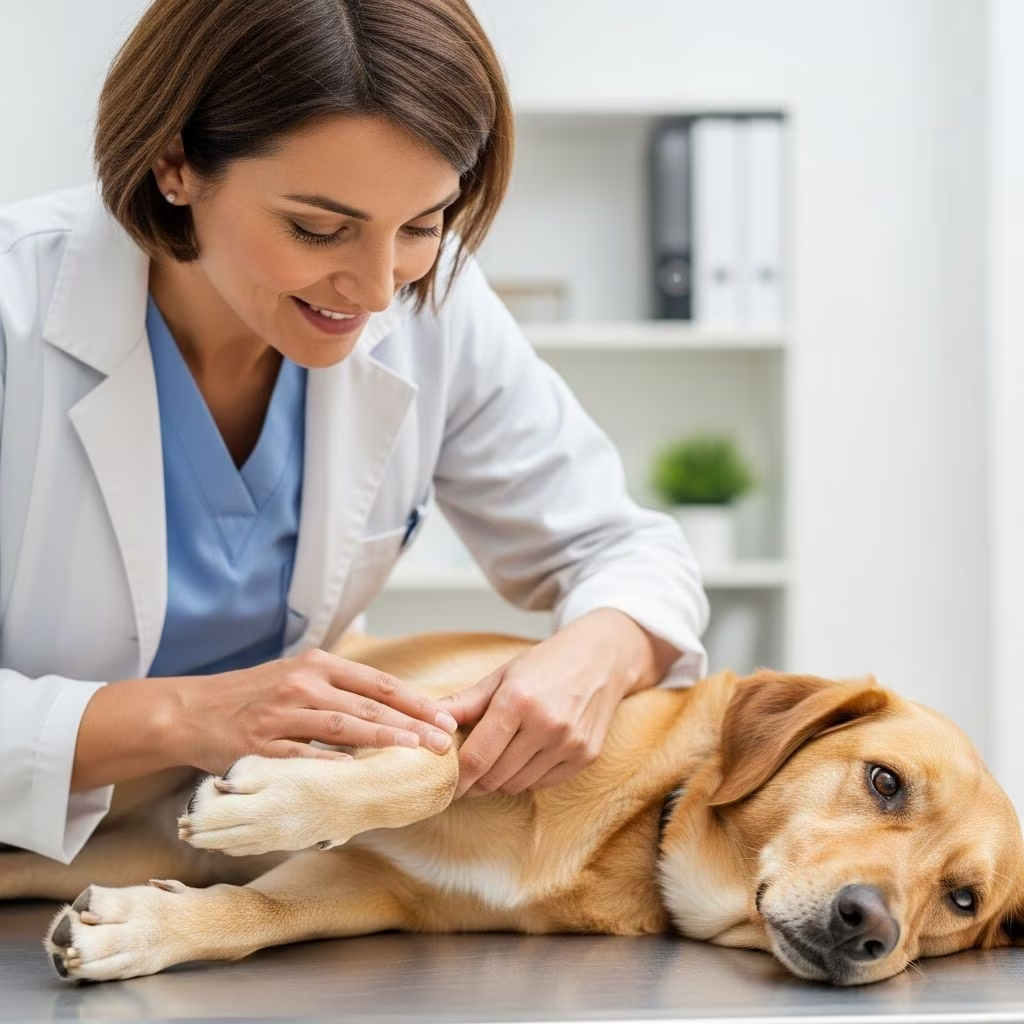
Pet owners facing the prospect of surgery for their dogs often feel conflicted about the risks and recovery time involved in invasive procedures. Fortunately, veterinary medicine has expanded significantly to include numerous conservative treatment options that can address joint problems, soft tissue damage, and chronic pain without requiring surgical intervention. These evidence-based approaches work by leveraging the body’s natural healing mechanisms, reducing inflammation, and promoting tissue regeneration.
Understanding Regenerative Medicine for Dogs
Regenerative medicine represents one of the most exciting frontiers in veterinary care, offering dogs a pathway to healing that taps into their biological potential. Rather than surgically removing or replacing damaged tissues, these therapies stimulate the body’s own repair systems to restore function and alleviate pain. For dogs experiencing joint deterioration, soft tissue injuries, or wounds that resist conventional healing, regenerative approaches can deliver meaningful relief.
Tissue-Based Regenerative Therapies
Advanced regenerative treatments draw from processed biological materials that contain natural healing compounds. Amniotic tissue allografts, derived from the amniotic membrane collected during scheduled cesarean procedures from healthy donor dogs, contain nutrient-rich components that promote cellular repair. When injected into damaged joints or soft tissue areas, these materials work to decrease inflammation and encourage the body to rebuild compromised structures.
The appeal of tissue-based regenerative therapy lies in its minimally invasive nature and the absence of pharmaceutical side effects. Dogs tolerate these injections well, and the treatments can be combined with other therapeutic modalities or used as a bridge to potentially delay or prevent the need for surgery altogether.
Platelet-Rich Plasma Therapy
Platelet-rich plasma (PRP) therapy harnesses the healing power contained within a dog’s own blood. A small blood sample is drawn and processed to concentrate the platelets, which contain powerful growth factors and healing compounds. When this concentrated plasma is injected into injured tissue, it stimulates natural repair mechanisms, decreases inflammation, and accelerates healing after injury or surgery.
PRP therapy proves particularly effective for dogs suffering from arthritis, ligament injuries, or those recovering from surgical procedures. Because the treatment uses the dog’s own biological material, rejection and allergic reactions are virtually eliminated, making it an exceptionally safe option for long-term pain management.
Physical Rehabilitation and Movement Therapies
Movement-based therapies offer dogs a way to rebuild strength, improve mobility, and manage chronic conditions through controlled physical activity in supportive environments.
Hydrotherapy and Underwater Treadmill Exercise
Water-based rehabilitation has revolutionized recovery for dogs with orthopedic problems or those struggling with conditions like arthritis or cruciate ligament injuries. The buoyancy provided by water supports weight-bearing joints, allowing dogs to move comfortably and safely while avoiding the stress that comes with exercising on land.
Underwater treadmill therapy represents a particularly effective form of water-based rehabilitation. As dogs walk on a submerged treadmill, the water’s resistance requires muscles to work harder while the buoyancy protects joints from impact. This combination enhances muscle toning and cardiovascular health without causing pain or further injury. The therapeutic benefit is comparable to water aerobics for humans—low-impact yet effective for building strength and endurance.
Acupuncture and Traditional Chinese Veterinary Medicine
Rooted in thousands of years of Eastern medical practice, acupuncture for dogs aims to restore balanced energy flow throughout the body using thin needles, heat, electrical current, or injections. Practitioners identify approximately 300 acupuncture points in animals that correspond to various organs and systems.
Research and veterinary experience demonstrate that acupuncture effectively manages pain from arthritis, supports post-operative recovery, and helps dogs regain range of motion following injuries. The American Kennel Club recognizes acupuncture’s utility in managing canine anxiety when combined with behavioral support and conventional medical treatments. Traditional Chinese Veterinary Medicine also incorporates Tui-na, a therapeutic massage technique that complements acupuncture by addressing musculoskeletal issues and promoting circulation.
Herbal and Nutritional Support Systems
Plant-based medicine offers dogs natural anti-inflammatory and healing support with fewer side effects than many pharmaceutical alternatives.
Herbal Remedies for Canine Conditions
Veterinary herbal medicine encompasses treatments using whole plants or plant extracts derived from Chinese, Western, Ayurvedic, and other botanical traditions. Properly selected herbs can support immune function, reduce inflammation, improve digestive health, and address various disease states.
Specific herbal preparations target different conditions affecting dogs. Calendula flowers provide topical anti-inflammatory benefits, chamomile serves as a sedative and muscle relaxant, and turmeric offers anti-inflammatory and anti-cancer properties. Parsley functions as an anti-inflammatory and antiseptic, while slippery elm aids digestion and lubricates the intestinal tract. Dandelion supports digestive function while stimulating immunity and helping detoxify liver and gallbladder tissues.
However, working with a veterinarian trained in herbal medicine is essential, as some herbs can interact with conventional medications or prove toxic if improperly administered.
Homeopathic Preparations
Homeopathic remedies can support dogs during recovery from trauma and surgical procedures. Arnica montana addresses trauma and bruising, while Ruta graveolens treats sprains and strains. For crushing injuries and nerve damage, Hypericum perforatum offers support, and Ledum addresses puncture wounds. A potency of 30C is considered safest for home use.
Nutritional Therapies
Simple nutritional interventions can provide therapeutic benefits for dogs experiencing various health challenges. Oatmeal contains substantial anti-inflammatory properties, offering tremendous relief to dogs with itchy skin by reducing allergic reactions and discomfort. Plain yogurt with live probiotic organisms helps maintain digestive balance and provides essential calcium and protein for optimal health and development.
Chamomile tea, when cooled and added to food or water, helps dogs with muscle pain, joint tenderness, or weakness. Applied topically through soaked cloths or spray bottles, chamomile tea treats minor rashes and skin irritations effectively. Epsom salt baths soothe sore muscles and can be used to clean wounds or abscesses, particularly those affecting feet and paw pads.
Advanced Physical Modalities
Cutting-edge therapeutic technologies offer additional options for managing canine pain and promoting tissue healing.
Laser Therapy for Pain and Inflammation
Class 4 laser therapy represents a non-invasive approach to alleviating pain, reducing inflammation, and stimulating tissue healing in dogs. Conditions such as osteoarthritis, skin problems, and post-surgical pain respond particularly well to laser treatment protocols.
Hyperbaric Oxygen Therapy
Hyperbaric oxygen therapy (HBOT) exposes dogs to 100% oxygen at pressures greater than atmospheric levels, enhancing the body’s natural healing processes. This treatment can accelerate healing in various conditions, ranging from difficult wounds to neurological disorders, by increasing oxygen availability at the cellular level.
Comparison of Common Treatment Approaches
| Treatment Type | Primary Benefits | Best For | Typical Duration |
|---|---|---|---|
| Regenerative Medicine | Tissue repair, inflammation reduction, minimal invasiveness | Joint damage, soft tissue injuries | Single or multiple injections |
| Hydrotherapy | Strength building, low-impact movement, pain relief | Arthritis, post-operative recovery, ligament injuries | Multiple sessions over weeks |
| Acupuncture | Pain management, improved circulation, anxiety reduction | Arthritis, post-operative care, anxiety | Multiple sessions, ongoing maintenance |
| Herbal Medicine | Anti-inflammatory, natural support, fewer side effects | Chronic conditions, digestive issues, inflammation | Ongoing as needed |
| Laser Therapy | Pain reduction, tissue stimulation, non-invasive | Arthritis, skin conditions, post-surgical pain | Multiple sessions |
Integrating Alternative Approaches with Conventional Care
The most effective treatment strategies often combine multiple modalities. Many dogs benefit from a tiered approach that begins with conservative options before progressing to more intensive interventions if necessary. Regenerative therapies can be combined with physical rehabilitation to maximize healing potential, while herbal medicines can support pain management alongside acupuncture sessions.
It is crucial to work with a veterinarian experienced in integrative medicine who understands both conventional and alternative approaches. This professional can determine which therapies are appropriate for the dog’s specific condition, age, treatment history, and overall health status. Some herbal medicines should be discontinued at least two weeks before any scheduled surgery due to potential interactions with anesthesia.[10]
When to Consider Non-Surgical Options
Dogs experiencing chronic joint pain, recovering from injuries, dealing with slow-healing wounds, or showing early signs of degenerative conditions often benefit from conservative treatment approaches. Dogs that are older or have concurrent health conditions may be better candidates for non-surgical management, as invasive procedures carry increased risks for these patients.
Additionally, many dogs with mild to moderate conditions may achieve complete recovery or significant improvement without ever requiring surgery. By introducing appropriate alternative therapies early, owners may prevent conditions from progressing to a point where surgery becomes necessary.
Frequently Asked Questions
Can regenerative medicine completely replace surgery?
Regenerative therapies can delay surgery or eliminate the need for it entirely in many cases, though some severe conditions may ultimately require surgical intervention. The effectiveness depends on the condition’s severity and the dog’s overall health.
How long does it typically take to see results from alternative treatments?
Response times vary significantly. Some dogs show improvement within days of regenerative therapy injections, while herbal treatments and acupuncture may require several weeks of consistent treatment before noticeable changes occur.
Are alternative therapies safe for older dogs?
Most alternative therapies are gentle and well-tolerated by senior dogs. However, individual assessment by a veterinarian is essential to ensure treatments are appropriate for each dog’s specific health status.
Can multiple alternative treatments be used together?
Yes, many alternative therapies complement each other effectively. A comprehensive approach combining regenerative medicine, physical rehabilitation, herbal support, and acupuncture often produces superior results compared to any single treatment alone.
How do I find a veterinarian trained in alternative medicine?
Look for veterinarians with certifications in veterinary acupuncture, herbal medicine, or rehabilitation. Professional organizations and veterinary schools often maintain registries of practitioners with advanced training in integrative medicine.
Moving Forward with Your Dog’s Health
The landscape of canine healthcare has expanded dramatically, offering dog owners multiple pathways toward managing their pets’ health challenges without immediately resorting to surgery. Whether through the cutting-edge science of regenerative medicine, the time-tested practices of traditional Chinese veterinary medicine, or the supportive benefits of carefully selected herbal remedies and physical rehabilitation, alternatives exist that can meaningfully improve dogs’ quality of life.
The key to successful treatment lies in early intervention, comprehensive assessment by qualified veterinary professionals, and a willingness to combine multiple approaches tailored to each individual dog’s needs and circumstances.
References
- Helping Pets Heal Naturally with Regenerative Medicine — Pet’s Choice Animal Hospital. Accessed March 2026. https://petschoiceanimalhosp.com/helping-pets-heal-naturally-with-regenerative-medicine/
- Alternative & Complementary Therapies for Pets: A Vet Guide — Ross University School of Veterinary Medicine. Accessed March 2026. https://veterinary.rossu.edu/about/blog/alternative-complementary-therapies-pets
- Alternative Therapies for Pets: What Works and What Doesn’t — Rehabilitation Veterinary Services. Accessed March 2026. https://rehabvet.com/blog/alternative-therapies-for-pets-what-works-and-what-doesnt/
- Holistic Touch: Exploring Alternative Medicine for Your Pet — MountainView Veterinary Hospital. Accessed March 2026. https://mtnviewvets.com/holistic-touch-exploring-alternative-medicine-for-your-pet/
- 3 Alternative Veterinary Care Treatments to Consider — PetMD. Accessed March 2026. https://www.petmd.com/dog/wellness/evr_multi_alternative_veterinary_treatments
- Natural Pet Remedies That Really Work — The Bluffs Pet Clinic. Accessed March 2026. https://www.bluffspetclinic.com/blog/natural-pet-remedies-that-really-work/
- Alternative Veterinary Medicine: Navigating the Options — Laguna Beach Veterinary Hospital. Accessed March 2026. https://lagunabeachvet.com/alternative-veterinary-medicine-navigating-the-options/



