

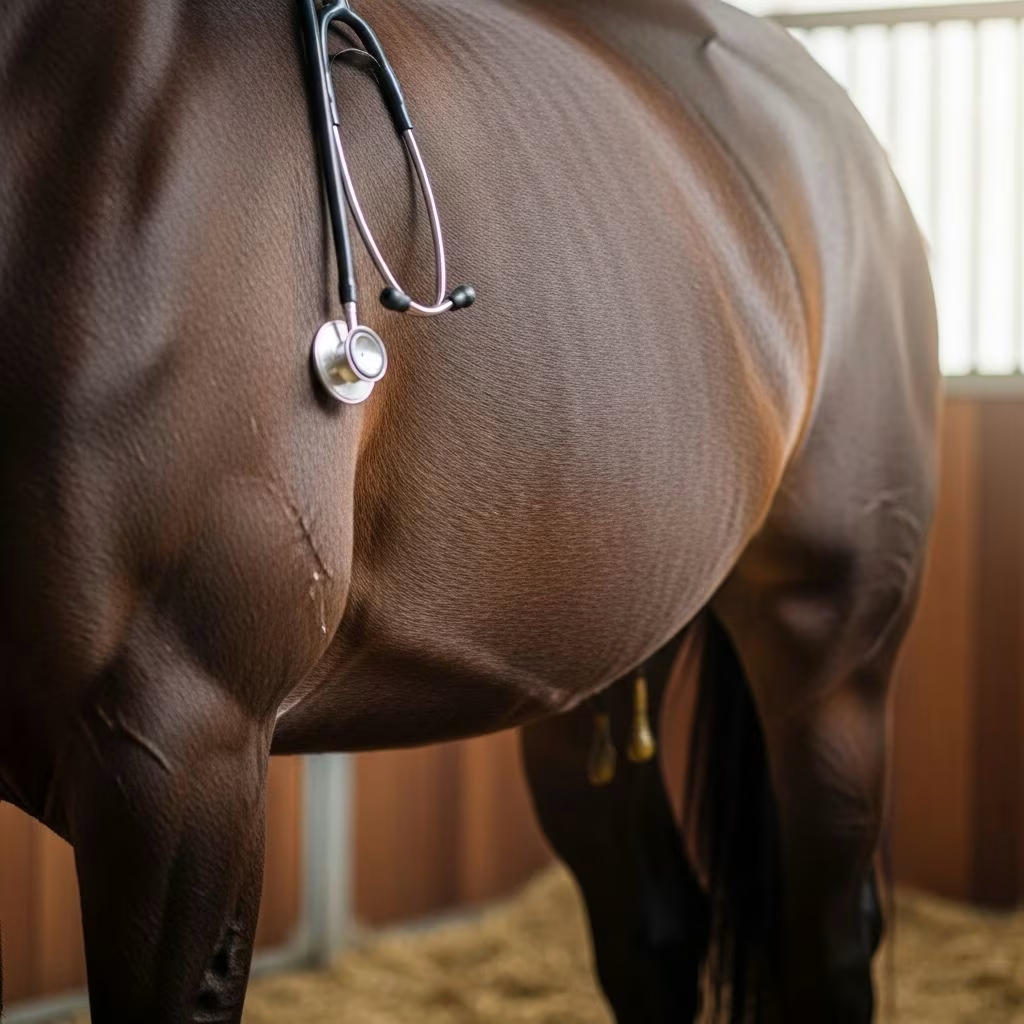
The equine urinary system plays a crucial role in maintaining overall health by filtering waste products and regulating fluid balance. While horses generally possess natural resistance to many urinary tract conditions compared to other domesticated animals, non-infectious disorders can develop that significantly impact their well-being and require prompt veterinary attention. These conditions arise from metabolic imbalances, structural abnormalities, or degenerative processes rather than bacterial or viral infection, making them distinct from infectious causes and requiring different diagnostic and therapeutic approaches.
The Scope of Non-Infectious Urinary Disorders
Non-infectious urinary system diseases represent a distinct category of equine health concerns that affect the kidneys, ureters, bladder, and urethra. Unlike infectious conditions that respond to antimicrobial therapy, these disorders stem from mechanical obstruction, congenital malformation, degenerative change, or metabolic dysfunction. The prevalence of these conditions varies significantly based on age, with foals showing markedly higher susceptibility to renal disease than adult horses, though the reasons for this age-related predisposition remain incompletely understood.
Understanding the distinction between infectious and non-infectious causes is essential for horse owners and veterinary practitioners, as treatment strategies differ fundamentally. A horse with a structural bladder abnormality, for instance, requires surgical intervention, whereas a horse with a bacterial bladder infection requires antibiotic therapy. Misdiagnosis can delay appropriate treatment and compromise clinical outcomes.
Calculus Formation and Bladder Stone Disease
One of the most significant non-infectious conditions affecting equine urinary systems is the formation of bladder stones, clinically termed cystoliths or cystic calculi. These calcified deposits form within the bladder through the precipitation of minerals present in urine, creating structures that vary in size, number, and chemical composition.
Characteristics and Composition
Bladder stones in horses develop through a complex process involving urine concentration and mineral supersaturation. The chemical composition of these stones varies, and analysis following surgical removal can provide valuable insight into which environmental or dietary factors may have contributed to their formation. Understanding the mineral content helps veterinarians recommend preventive measures to reduce recurrence risk in affected horses.
Clinical Presentation
Horses with bladder stone disease typically present with several characteristic symptoms:
- Difficulty or straining during urination (dysuria)
- Frequent urination attempts, sometimes producing only small volumes (pollakiuria)
- Presence of blood in the urine (hematuria)
- Recurrent episodes of mild abdominal discomfort or colic
- Abnormal urine color or cloudiness
These clinical signs reflect both the physical irritation caused by the stones and the functional disruption they create within the bladder. Older horses appear more predisposed to developing these calculi, though younger animals can be affected, particularly those with genetic predisposition to stone formation or chronic urinary stasis.
Diagnosis and Management
Confirmation of bladder stone disease typically involves urinalysis combined with physical examination findings and imaging studies. Ultrasound imaging is particularly useful for visualizing calculi within the bladder. Once diagnosed, surgical removal through a procedure called cystotomy remains the definitive treatment. While prognosis following successful surgical intervention is generally good, recurrence is a common concern, emphasizing the importance of identifying and modifying contributing factors such as diet or water quality.
Structural Abnormalities and Congenital Conditions
Ectopic Ureters
Among congenital urinary tract abnormalities in horses, the ectopic ureter represents the most commonly encountered condition. This developmental anomaly occurs when one or both ureters fail to connect properly to the bladder, instead opening into the urethra, vagina, or other anatomical locations. This misdirection of urine flow bypasses normal bladder storage and control mechanisms.
Horses with ectopic ureter present with characteristic signs related to uncontrolled urine leakage:
- Continuous urine dribbling or incontinence
- Scalding or irritation of skin around the external genitalia
- Secondary vulvitis or vaginitis in affected mares
- Skin inflammation on the ventral abdomen in affected stallions or geldings
- Difficulty with normal urination in bilateral cases
The clinical severity depends on whether the condition is unilateral (affecting only one ureter) or bilateral (affecting both ureters). Horses with unilateral involvement may maintain relatively normal urination patterns through the unaffected ureter, whereas bilateral disease creates more significant urinary dysfunction. Diagnosis typically involves imaging studies such as contrast radiography or ultrasound combined with observation of clinical signs.
Other Congenital Abnormalities
While true congenital or hereditary kidney and ureteral disorders are uncommon in horses, when they do occur, their severity depends largely on whether they affect one kidney or both. Unilateral disorders frequently go undetected until discovered incidentally during necropsy, whereas bilateral congenital abnormalities produce recognizable clinical signs or may result in fetal death or early neonatal demise.
Degenerative Kidney Disease
Interstitial Nephritis
Interstitial nephritis represents inflammation of the kidney tissue that can develop through non-infectious mechanisms. This condition affects the functional tissue surrounding the kidney’s filtering apparatus, compromising the organ’s ability to process waste products effectively.
Clinical signs of interstitial nephritis include:
- Variable changes in urine production and characteristics
- Elevated blood values reflecting reduced kidney function
- Loss of appetite and general malaise
- Weight loss and decreased performance
- Mild fever in some cases
Diagnosis relies on urinalysis findings combined with blood work demonstrating changes consistent with kidney dysfunction. Treatment approaches depend on the extent of kidney damage and may involve antimicrobial therapy if secondary bacterial infection is present, along with supportive care measures to maintain hydration and electrolyte balance. Prognosis varies considerably based on the degree of kidney damage at the time of diagnosis.
Chronic and Acute Kidney Failure
Progressive kidney disease in horses can develop insidiously, with significant pathological changes occurring before clinical signs become apparent. Foals appear particularly vulnerable to renal disease, which may correlate with neonatal maladjustment syndrome or septicemic conditions during the vulnerable early weeks of life.
Acute kidney failure represents a medical emergency characterized by rapid loss of kidney function. Horses with acute renal failure present with severe clinical signs including profuse fluid loss through diarrhea, extreme lethargy, complete anorexia, and potentially life-threatening electrolyte imbalances. This condition requires aggressive supportive therapy and identification of the underlying cause.
Vascular Abnormalities and Other Structural Disorders
The vascular system supplying the kidneys can occasionally develop congenital or acquired abnormalities that create urinary system dysfunction. Renal arteriovenous malformations and intrarenal vascular anomalies are rare but may remain clinically silent for extended periods until they produce symptoms such as:
- Unexplained hematuria or hemoglobinuria
- Flank pain or abdominal discomfort
- Partial urinary tract obstruction
- Hydronephrosis, or kidney swelling from urine backup
Diagnosis of vascular abnormalities typically requires advanced imaging such as ultrasound or angiography. Management depends on the specific type of abnormality and its functional impact on the affected horse.
Diagnostic Approaches for Non-Infectious Conditions
Identifying non-infectious urinary disorders requires a systematic diagnostic approach combining clinical observation, laboratory analysis, and imaging studies. The process begins with detailed history taking regarding urinary habits, water consumption, performance changes, and any observed abnormalities in urine appearance or frequency.
Clinical Examination and History
Thorough physical examination includes assessment of hydration status, abdominal palpation to detect pain or bladder distention, and careful observation of urination if possible. Questioning the owner about changes in water consumption, appetite, body condition, and exercise tolerance helps establish the duration and progression of disease.
Laboratory Testing
Urinalysis provides critical information about kidney function and urine characteristics. Normal equine urine typically appears cloudy due to high calcium carbonate content and viscous consistency. Abnormal findings might include:
- Abnormal protein levels
- Presence of blood cells
- Casts indicating kidney tubule involvement
- Crystalline material
- Deviations from normal pH
Blood work evaluating kidney function through creatinine, blood urea nitrogen, and electrolyte measurements helps assess the degree of kidney compromise. Comparing these values over time can reveal whether kidney disease is progressive or stable.
Imaging and Advanced Diagnostics
Ultrasound examination of the urinary system is particularly valuable for detecting bladder stones, assessing kidney structure, identifying hydronephrosis or ureteral dilation, and evaluating bladder wall thickness. Radiographic imaging may be employed in some cases, particularly for detecting radiopaque stone material. Contrast studies can help evaluate ureteral function and position, particularly useful when ectopic ureters are suspected.
Management and Treatment Considerations
Medical Management
Treatment of non-infectious urinary disorders varies considerably depending on the specific condition. Medical management focuses on supporting kidney function while addressing underlying causes. This may include:
- Fluid therapy to maintain hydration and promote urine production
- Dietary modification, particularly regarding mineral content and feed type
- Management of electrolyte imbalances through appropriate supplementation
- Pain management for horses experiencing urinary discomfort
- Monitoring and prevention of secondary complications
Surgical Intervention
Many non-infectious urinary conditions require surgical correction. Bladder stone removal through cystotomy offers good prognosis when performed promptly before complications develop. Surgical correction of ectopic ureters may be attempted in some cases, though technical challenges exist. Careful patient selection and realistic expectations regarding outcomes are essential when considering surgical options.
Supportive and Preventive Care
Long-term management of horses with urinary system disorders often emphasizes preventing recurrence and maintaining quality of life. This includes regular monitoring through urinalysis and blood work, dietary adjustments based on stone analysis results, ensuring adequate water intake and quality, and maintaining good general health through appropriate nutrition and exercise.
Prognosis and Long-term Outcomes
The outlook for horses with non-infectious urinary disorders depends on several factors including the specific diagnosis, the extent of organ damage, the horse’s age and overall health status, and the promptness of diagnosis and treatment. Some conditions such as uncomplicated bladder stone disease have excellent prognoses following successful surgical management. Others, particularly advanced kidney disease, carry more guarded prognosis and focus on maintaining comfort and quality of life rather than cure.
Early recognition of urinary system disease signs, prompt veterinary consultation, and appropriate diagnostic testing improve the likelihood of identifying conditions while they remain most treatable. Horse owners should remain alert to changes in urination patterns, water consumption, and general health status, recognizing that these subtle changes may indicate developing urinary system disease requiring professional evaluation.
References
- Equine Urinary Tract Disorders — Olenovet. Last updated 2024. https://www.olenovet.com/equine-urinary-tract-disorders.php
- What Your Horse’s Urine Is Telling You: Urinary Symptom Guide — Mad Barn. 2024. https://madbarn.com/equine-urinary-symptoms/
- Urinary Tract Disorders — Veterian Key. Last updated 2023. https://veteriankey.com/urinary-tract-disorders-2/
- Urology Services — University of Missouri Veterinary Health Center. 2024. https://vhc.missouri.edu/equine-hospital/internal-medicine/urology/
- Everything You Need to Know About Bladder Stones in Horses — Ask Animal Web. 2024. https://askanimalweb.com/everything-you-need-to-know-about-bladder-stones-in-horses/
- Diseases of the Urinary System — Illustrated Guide to Equine Diseases. Published in Wiley Online Library. 2019. https://onlinelibrary.wiley.com/doi/10.1002/9781119265399.ch11



