

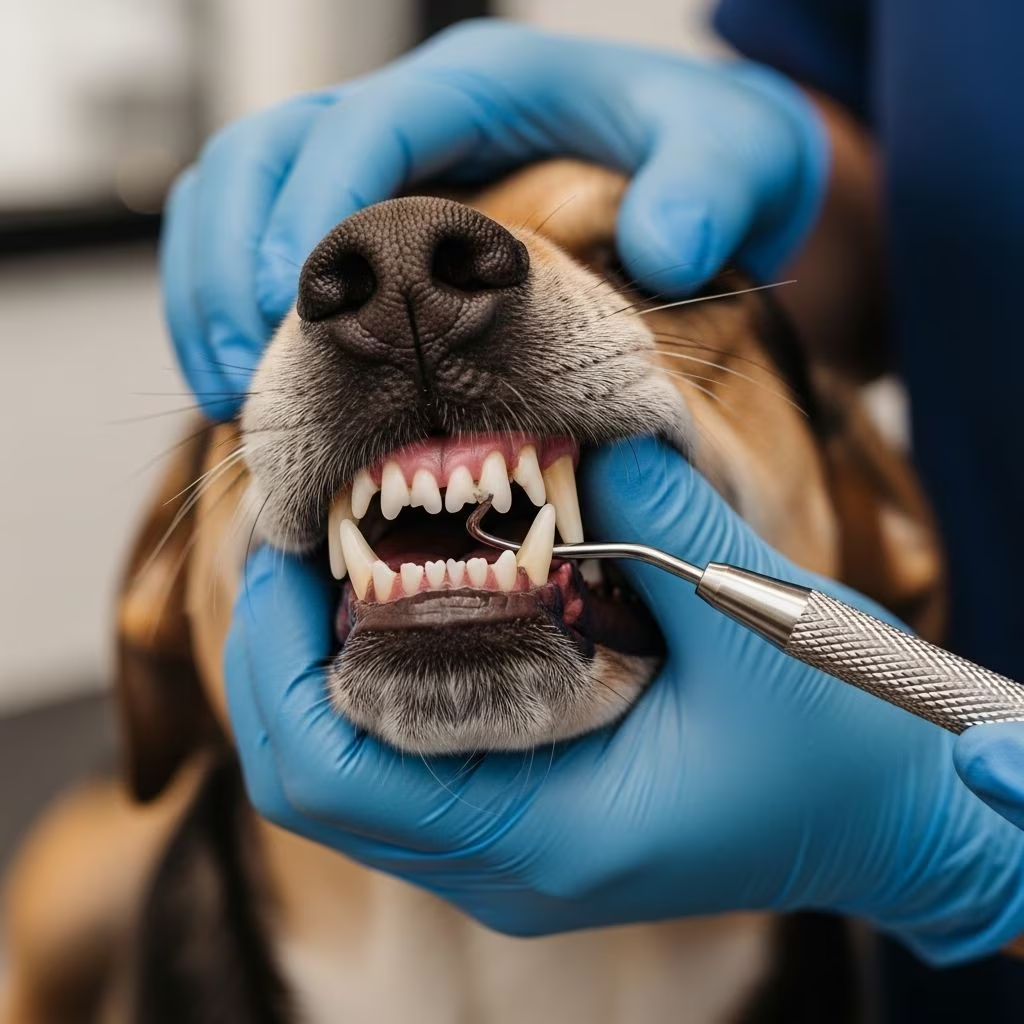
Keeping your dog’s teeth clean is essential for preventing painful infections and supporting overall wellness, and non-anesthetic methods offer a viable option for many pet owners seeking to avoid general anesthesia. These approaches range from professional scalings performed while the dog is awake to daily home routines using specialized tools, providing accessible ways to manage plaque buildup without sedation risks.
Why Oral Health Matters for Canines
Dogs frequently develop dental problems due to their diet and chewing habits, leading to plaque that hardens into tartar and causes gum inflammation or worse. Periodontal disease affects up to 80% of dogs by age three, resulting in bad breath, tooth loss, and even heart or kidney complications from bacterial spread. Regular maintenance disrupts this cycle, promoting fresher breath and healthier gums through simple, non-invasive techniques.
Unlike humans, dogs lack the dexterity for self-cleaning, making owner intervention crucial. Early detection via visual checks or gentle probing can prevent escalation, emphasizing prevention over cure in canine dentistry.
Understanding Non-Anesthetic Professional Cleanings
Non-anesthetic dental cleanings, often called NAD procedures, involve restraining the dog comfortably while a technician scales visible tartar from tooth surfaces using ultrasonic tools or hand scalers. Sessions typically last 30-60 minutes, allowing immediate return to normal activities without recovery time.
Providers may use calming aids like aromatherapy or swaddling to ease anxiety, positioning the pet securely for access to outer tooth surfaces. This method suits dogs with mild buildup or those too frail for anesthesia, such as seniors or breeds with heart sensitivities.
Key Advantages of Awake Cleanings
- Cost Savings: Skipping anesthesia, bloodwork, and monitoring reduces expenses by 50-70% compared to full procedures.
- Minimal Downtime: Dogs resume eating and playing right away, ideal for busy households.
- Lower Risk Profile: Avoids rare but serious anesthesia complications, especially beneficial for high-risk patients.
- Accessibility: Offered at some grooming salons or specialized mobile services, increasing convenience.
Limitations and Potential Drawbacks
While appealing, non-anesthetic cleanings cannot fully replicate anesthetized procedures. Technicians struggle to reach inner tooth surfaces, molars, or subgingival areas without full mouth access, leaving hidden tartar intact.
Without sedation, comprehensive exams like X-rays or pocket probing are impossible, potentially overlooking abscesses or advanced disease. Veterinary bodies like the AVDC warn that these cleanings may give a false sense of security, delaying necessary full treatments.
When to Avoid Non-Anesthetic Options
| Scenario | Reason | Recommended Alternative |
|---|---|---|
| Severe Tartar or Loose Teeth | Incomplete removal risks pain and infection | Full Anesthesia Cleaning |
| Anxious or Aggressive Dogs | Stressful restraint can cause injury | Sedated Procedure with Monitoring |
| Advanced Periodontal Disease | Subgingival bacteria untreated | Vet Dental Specialist |
| Healthy Dogs with Mild Plaque | Sufficient for maintenance | NAD or Home Care |
Empowering Home-Based Dental Routines
The cornerstone of effective non-anesthetic care lies in daily owner-led efforts, which outperform sporadic professional visits. Brushing emerges as the most reliable method, mechanically scraping plaque before it mineralizes.
Essential Tools for At-Home Success
- Dog-specific enzymatic toothpaste (flavors like poultry or mint break down bacteria).
- Finger brushes or dual-ended toothbrushes for precise control.
- Dental chews, gels, and water additives as supplements.
Never use human toothpaste, as its fluoride and foaming agents are toxic to dogs, potentially causing vomiting or organ damage.
Step-by-Step Brushing Guide
- Prepare the Environment: Choose a quiet spot; acclimate your dog with treats.
- Flavor Introduction: Let them lick toothpaste off your finger to build positive associations.
- Gentle Start: Rub gums and teeth in circles for 10 seconds, angling at 45 degrees to the gumline.
- Full Brush: Cover outer surfaces, focusing on canines and molars; aim for 30-60 seconds per side.
- Positive Reinforcement: End with praise or play to encourage repetition.
- Frequency Goal: Daily ideal; 3-4 times weekly yields results.
Progress gradually over weeks; patience prevents resistance. For non-brushers, incorporate wipes or rinses that target bacteria enzymatically.
Supplementary Products and Their Roles
Beyond brushing, a multi-faceted approach enhances efficacy:
- Chews and Toys: Abrasive textures scrape tartar; VOHC-approved options like Greenies reduce buildup by 20-30% with daily use.
- Water Additives: Chlorhexidine-based formulas inhibit growth in hard-to-reach spots.
- Gels and Sprays: Applied post-meal, they coat teeth with antiseptics.
Combine methods for synergy: brushing removes bulk plaque, while additives maintain cleanliness between sessions.
Comparing Care Approaches Side-by-Side
| Method | Effectiveness | Cost | Risks | Best For |
|---|---|---|---|---|
| Home Brushing | High (daily prevention) | Low ($10-20/month) | None | All dogs |
| Non-Anesthetic Pro | Moderate (visible surfaces) | Medium ($100-200/session) | Incomplete clean | Mild cases |
| Anesthetized Vet Clean | Comprehensive | High ($500-1500) | Anesthesia (rare) | Severe disease |
Monitoring Your Dog’s Dental Progress
Track improvements through signs like reduced tartar, pink gums, and neutral breath. Schedule vet checkups biannually for professional assessment, including charts of tooth health. Early intervention with X-rays detects issues invisible to the eye.
Frequently Asked Questions
Is non-anesthetic cleaning safe for my puppy?
Yes, for healthy pups with minimal plaque, but consult a vet first to ensure no developmental issues.
How do I know if my dog needs professional cleaning?
Look for yellow-brown tartar, bleeding gums, or pawing at mouth; a vet exam confirms.
Can dental treats fully replace brushing?
No, they supplement but lack the thoroughness of mechanical brushing.
What if my dog hates toothbrushing?
Start with finger rubbing, use irresistible flavors, and pair with high-value rewards; alternatives like wipes work short-term.
Are there breed-specific dental risks?
Small breeds like Chihuahuas accumulate tartar faster due to crowded teeth; brachycephalics face misalignment challenges.
Building a Sustainable Dental Care Plan
Integrate habits seamlessly: brush after kibble meals, offer chews post-dinner, and add rinses to bowls. Consistency trumps perfection; even partial routines curb 50-70% of plaque. Partner with your vet to tailor plans, combining home vigilance with periodic pro cleanings for lifelong oral vitality.
For dogs prone to issues, consider raw bones or prescription diets that minimize residue. Annual wellness exams catch trends, adjusting strategies proactively.
References
- How to Brush and Clean a Dog’s Teeth Without Anesthesia — Cain Hoy Veterinary Hospital. 2023. https://www.cainhoyvet.com/how-to-dog-teeth-cleaning-without-anesthesia/
- Understanding Anesthesia-Free Dog Teeth Cleaning: Benefits and Risks — San Bruno Veterinary Hospital. 2024. https://sanbrunovet.com/dental-pet-care-in-san-bruno-ca/understanding-anesthesia-free-dog-teeth-cleaning-benefits-and-risks/
- The Truth About Anesthesia-Free Dental Cleanings — The Drake Center. 2023. https://www.thedrakecenter.com/services/pets/blog/truth-about-anesthesia-free-dental-cleanings
- What is an Anesthesia Free Pet Dental Cleaning? — American Veterinary Dental College. 2024. https://afd.avdc.org/what-is-an-anesthesia-free-dental-cleaning/
- Anesthesia-Free Dental Cleaning: Evidence Analysis for Vets — Veterinary Dentistry. 2024. https://veterinarydentistry.net/anesthesia-free-dental-cleaning/



