

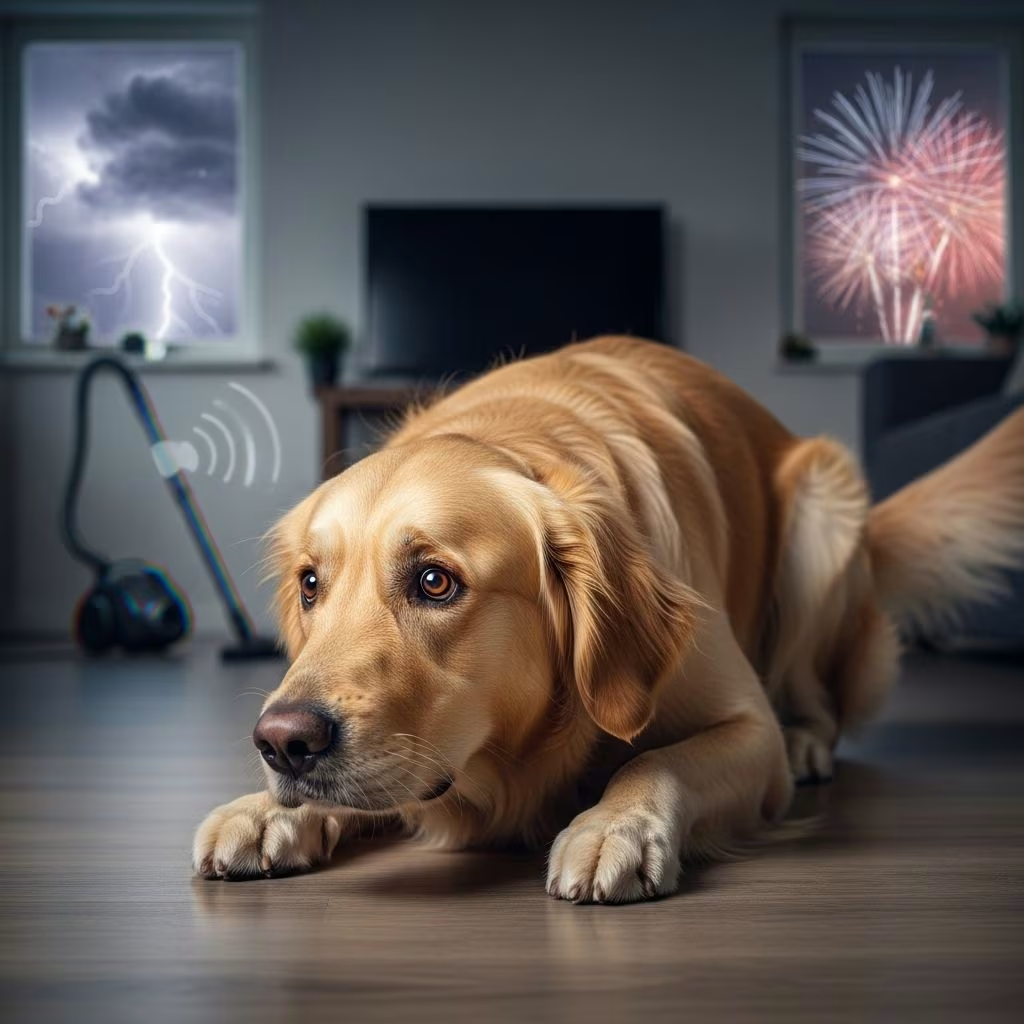
Dogs possess hearing capabilities far superior to humans, detecting frequencies up to 65,000 Hz compared to our 20,000 Hz limit. This heightened sensitivity makes certain sounds overwhelmingly intense, often triggering profound fear responses known as noise aversion or phobia. Understanding these triggers empowers owners to create safer environments and implement effective interventions.
Why Dogs Fear Specific Sounds
Canine ears are structured to amplify high-frequency and sudden noises, which evolutionarily signaled danger like predators or environmental threats. Modern sounds mimic these alerts but lack context, leading to panic. Factors like past trauma, genetics, and lack of early socialization exacerbate reactions. Breeds such as herding dogs (e.g., Border Collies) and hounds show higher susceptibility due to selective breeding for acute hearing.
Spotting the Signs of Noise-Induced Fear
Recognizing distress early prevents escalation. Dogs exhibit a spectrum of physical and behavioral cues when exposed to frightening audio stimuli. Common indicators include:
- Trembling or shaking: Involuntary muscle contractions from adrenaline surge.
- Panting excessively: Even in cool conditions, signaling stress.
- Pacing or restlessness: Inability to settle, often circling frantically.
- Hypervigilance with ears perked and eyes wide.
- Hiding or cowering: Seeking dark, enclosed spaces like under furniture.
- Vocalizations: Whining, barking, or howling persistently.
- Drooling or lip licking: Stress-induced salivation.
- Escape attempts: Scratching at doors or windows to flee.
- Destructive actions: Chewing furniture or digging at floors.
- Inappropriate elimination: Urinating or defecating indoors despite house training.
These symptoms can appear subtly at first but intensify with repeated exposure, potentially leading to chronic anxiety.
Top 12 Sounds Proven to Alarm Dogs
Research and veterinary observations pinpoint recurring auditory terrors. Here’s a breakdown of prevalent offenders, ranked by commonality:
| Sound | Why It Scares Dogs | Intensity Level (Dog Hearing) |
|---|---|---|
| Thunderstorms | Loud booms plus barometric shifts, ozone smells, and lightning flashes create multi-sensory dread. | Extremely High |
| Fireworks | Unpredictable bangs, whistles, and crackles at irregular intervals mimic attacks. | Very High |
| Gunshots | Piercing decibels exceed 140 dB, painful to sensitive ears. | Extreme |
| Sirens & Alarms | Oscillating pitches (fire trucks, ambulances, car alarms) pierce and persist. | High |
| Construction Equipment | Jackhammers, drills, and reversing beeps deliver prolonged, erratic clamor. | High |
| Vacuum Cleaners | Sudden roar invading territory, coupled with movement. | Moderate-High |
| Large Vehicles | Garbage trucks, buses with air brakes screeching and beeping. | Moderate-High |
| Airplanes & Jets | Rumbling overheads startle, especially for rural-raised dogs. | Moderate |
| Lawn Equipment | Mowers, blowers, trimmers buzz at irritating frequencies. | Moderate |
| Skateboards | Rolling rattles and jumps trigger chase instincts. | Moderate |
| Crying Infants | Sharp, unpredictable shrieks unsettle many. | Low-Moderate |
| Household Appliances | Furnaces or AC kicking on with sudden hums. | Low-Moderate |
Seasonal and Event-Specific Triggers
Certain periods amplify risks. During holidays like the Fourth of July or New Year’s, fireworks proliferate, causing mass shelter intakes. Halloween brings doorbells, shouting crowds, and animatronic effects. Storms peak in summer, while winter snowplows add mechanical groans. Stadium events or parties introduce crowd roars and bass-heavy music, overwhelming auditory processing.
Proven Strategies to Ease Noise Phobias
Management combines prevention, desensitization, and professional aid. Start with creating a sanctuary: a quiet room with white noise machines, blackout curtains, and comfortable bedding. Never punish fear, as it worsens anxiety.
Desensitization and Counter-Conditioning
Play low-volume recordings of scary sounds paired with high-value treats or play. Gradually increase volume over weeks. This rewires associations from fear to positivity. Apps and CDs designed for this purpose facilitate controlled exposure.
Calming Aids and Products
- Compression Garments: Thundershirts apply gentle pressure, mimicking swaddling.
- Pheromone Diffusers: Adaptil releases synthetic appeasing pheromones.
- Nutraceuticals: CBD treats or L-theanine supplements reduce cortisol (consult vet first).
- Background Noise: Classical music or TV drowns triggers.
Environmental Modifications
Close windows, use earplugs for dogs (vet-fitted), or relocate to quieter areas during known events. Exercise beforehand tires dogs, promoting sleep through disturbances.
When to Seek Veterinary Help
If behaviors persist or intensify, vets may prescribe short-term anxiolytics like trazodone. Behaviorists offer tailored plans. Rule out pain or illness mimicking anxiety.
Building Long-Term Resilience
Early puppy socialization exposes them to varied sounds at low levels. Daily confidence-building via obedience training and puzzle toys fosters security. Track progress in a journal to adjust tactics. Consistency yields results; many dogs improve within months.
Frequently Asked Questions
Can all dogs develop noise phobias?
Yes, though some breeds and individuals are predisposed. Any dog can acquire it from trauma or aging.
Is ignoring the fear effective?
No; it heightens isolation. Comfort without coddling (e.g., sit calmly nearby) reassures best.
How long does desensitization take?
Typically 4-8 weeks with daily sessions, varying by dog.
Are there medications for severe cases?
Yes, vet-prescribed options like fluoxetine for chronic issues.
Do older dogs outgrow noise fears?
Rarely; intervention is key to prevent worsening.
References
- 12 Noises That Freak Dogs Out — Great Pet Care. 2023-05-15. https://www.greatpetcare.com/dog-behavior/12-noises-that-freak-dogs-out/
- Everyday Noises That May Be Scaring Your Dog — Zoetis Petcare. 2024-02-10. https://www.zoetispetcare.com/blog/article/everyday-noises-scare-dog
- 6 Sounds That Scare Dogs & Vet-Reviewed Ways to Help Them — Dogster. 2024-07-20. https://www.dogster.com/dog-training/sounds-that-scare-dogs
- 7 Sounds That May Be Scaring Your Dog — Heckin Good. 2023-11-05. https://heckingood.co.uk/7-sounds-that-scare-dogs/
- How to Help a Dog With Noise Aversion — Lake Anna Veterinary Hospital. 2024-10-25. https://www.lakeannaveterinaryhospital.com/services/dogs/blog/managing-scary-sounds-halloween-how-help-dog-noise-aversion



