

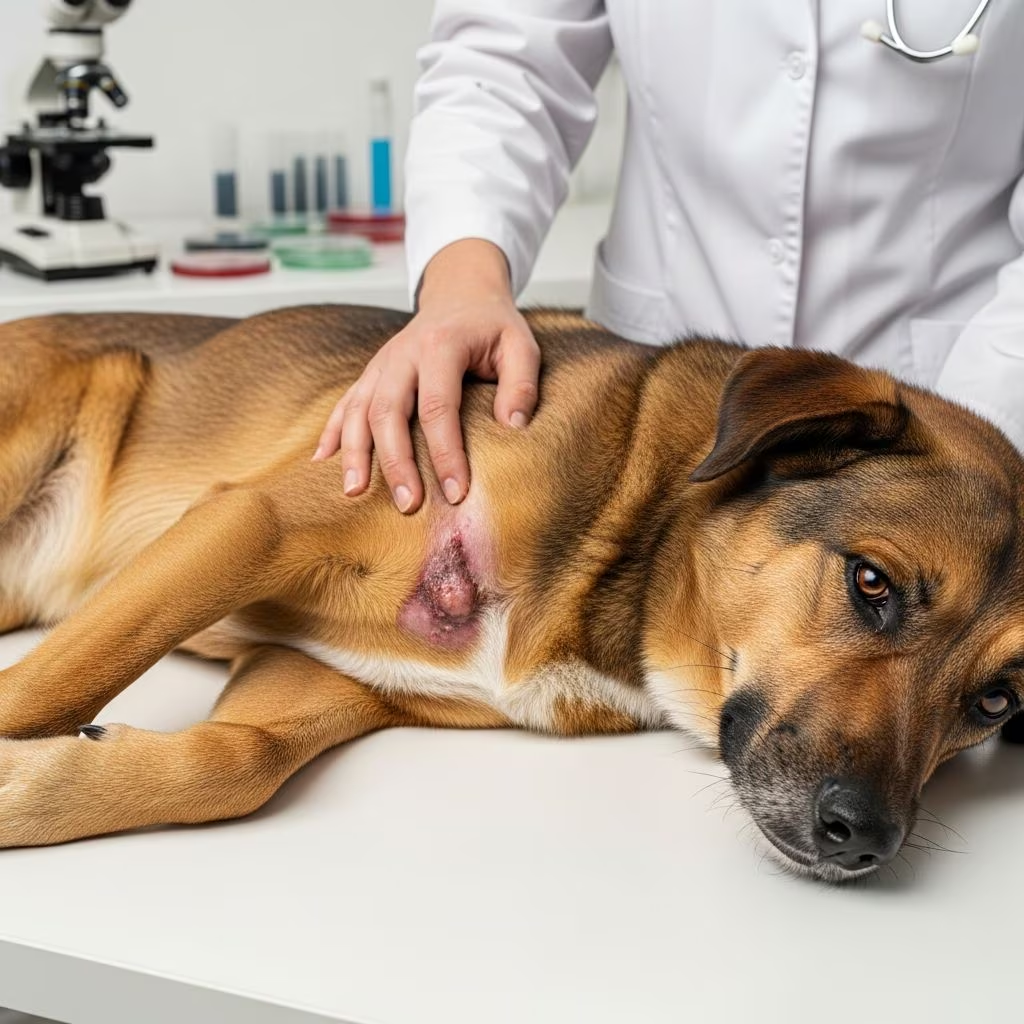
This guide explores nocardiosis, a bacterial infection caused by Nocardia species that poses significant health risks to dogs, particularly those with compromised immune systems. Drawing from veterinary research and case studies, it covers the nature of the pathogen, clinical presentations, diagnostic approaches, treatment protocols, and strategies for long-term care.
What Causes Nocardiosis in Canines?
Nocardia bacteria are gram-positive, filamentous organisms commonly found in soil, decaying vegetation, and water sources. Dogs typically contract the infection through inhalation of spores or entry via skin wounds. Certain breeds and individuals on immunosuppressive drugs face higher risks due to reduced ability to fight off these environmental pathogens.
Species such as Nocardia veterana and Nocardia paucivorans have been documented in canine cases, often leading to disseminated disease when immunity is low. Males appear more susceptible, though the reasons remain under study.
Recognizing the Signs: Symptoms Across Body Systems
Nocardiosis manifests differently based on the infection site, complicating early detection. Respiratory involvement, the most common form, presents with chronic cough, labored breathing (dyspnea), fever, and weight loss. Dogs may show emaciation and exercise intolerance as the lungs fill with pus or fluid.
- Pulmonary symptoms: Raspy breath sounds, pleural effusion causing rapid shallow breathing.
- Skin and soft tissue: Non-healing ulcers, abscesses, subcutaneous nodules that drain pus.
- Musculoskeletal: Lameness, joint swelling (polyarthritis), bone infections (osteomyelitis).
- Systemic/disseminated: Lethargy, enlarged liver (hepatomegaly), fever, neurological signs like seizures if the brain is affected.
In advanced cases, infections spread to the abdomen (peritonitis), central nervous system, or multiple organs, leading to severe illness. One case described a dog developing skin masses, intestinal lesions, and joint inflammation after immunosuppressive therapy.
How Veterinarians Diagnose Nocardiosis
Diagnosis requires a combination of clinical evaluation, imaging, and laboratory tests. Veterinarians start with history and physical exams, noting risk factors like recent wounds or medications.
| Test Type | Purpose | Key Findings |
|---|---|---|
| Cytology/Aspirates | Examine fluid from thorax, abdomen, or lesions | Branching filaments, pus cells indicating bacterial presence |
| Bacterial Culture | Identify Nocardia species | Growth confirmation; MALDI-TOF MS for rapid ID |
| Imaging (X-rays, CT) | Visualize lung abscesses, lymph node enlargement | Masses, fluid accumulation, bone changes |
| Blood/Urine Tests | Rule out other causes | Inflammatory markers, organ function |
Cultures are essential but slow-growing, so advanced tools like matrix-assisted laser desorption/ionization-time-of-flight mass spectrometry (MALDI-TOF MS) speed up identification. Differential diagnoses include fungal infections, tumors, and other bacteria, necessitating thorough testing.
Treatment Strategies: Antibiotics and Beyond
Successful management combines prolonged antimicrobial therapy with supportive care and surgery when needed. Nocardia resists many antibiotics, requiring susceptibility testing.
Primary Antibiotics: Trimethoprim-sulfamethoxazole (TMS, 30 mg/kg PO/IV q12h) is first-line, often for 1-6 months. Alternatives include amikacin, cefotaxime, or ampicillin based on sensitivity.
In one report, a dog with disseminated N. veterana received TMS for 3 months post-surgery, achieving full recovery without relapse after one year. Peritoneal cases may need initial broad-spectrum drugs like amoxicillin-clavulanic acid, switching to TMS after culture results.
- Hospital Care: IV fluids, pain relief (e.g., methadone, tramadol), anti-nausea (maropitant), oxygen for respiratory distress.
- Surgical Interventions: Drain abscesses, debride infected tissue, remove masses (e.g., omental lesions in peritonitis).
- Immunosuppression Management: Discontinue or taper drugs like prednisone or cyclosporine.
Treatment duration is critical; short courses lead to relapse. Monitoring includes follow-up exams, bloodwork, and imaging.
Prognosis and Factors Influencing Recovery
Outcomes vary: guarded to fair with early intervention. Disseminated or neurological cases carry higher mortality, up to 40% in severe human analogs, though canine data shows success with aggressive care. Positive factors include localized infection, prompt diagnosis, and owner compliance.
Relapse risk persists for months, requiring vigilant follow-up for at least one year. Weight loss, fever, or lameness warrant immediate vet visits.
Preventing Nocardiosis: Practical Tips for Dog Owners
Prevention focuses on risk reduction, especially for vulnerable dogs.
- Maintain hygiene: Clean wounds promptly, disinfect environments.
- Avoid soil exposure: Limit digging in immunocompromised pets.
- Health monitoring: Regular vet check-ups for those on immunosuppressants.
- Vaccinations and wellness: Boost overall immunity.
No specific vaccine exists, but general cleanliness curbs entry points.
Living with a Dog Post-Nocardiosis Treatment
Post-therapy life involves ongoing observation. Track appetite, mobility, breathing, and skin changes. Monthly blood tests assess resolution. Nutrition supports recovery: high-protein diets aid healing.
Behavioral adjustments include rest periods and avoiding high-risk activities. Emotional support for owners is key during long treatments.
Frequently Asked Questions (FAQs)
What is the most common form of nocardiosis in dogs?
Respiratory infections leading to pneumonia and pleural effusion are prevalent.
How long does treatment last?
Typically 1-6 months of antibiotics, with surgery if abscesses form.
Can nocardiosis spread to humans?
Rare in healthy people, but caution advised around immunocompromised individuals.
Is surgery always needed?
No, but essential for draining collections or removing infected tissue.
What breeds are at higher risk?
No specific breeds, but males and immunosuppressed dogs are more affected.
Key Takeaways for Dog Owners
Early recognition of subtle signs like persistent cough or lameness can save lives. Collaborate closely with vets for tailored plans. With dedication, many dogs recover fully.
References
- Successful Treatment of Disseminated Nocardiosis Caused by Nocardia veterana in a Dog — Kirchain J, et al. PMC. 2018-01-15. https://pmc.ncbi.nlm.nih.gov/articles/PMC5787162/
- Bacterial Infection (Nocardiosis) in Dogs — PetMD. Recent update. https://www.petmd.com/dog/conditions/respiratory/c_dg_nocardiosis
- Disseminated Nocardiosis in a Dog — Today’s Veterinary Practice. Recent. https://todaysveterinarypractice.com/emergency-medicine-critical-care/disseminated-nocardiosis-in-a-dog/
- Successful treatment of peritoneal nocardiosis caused by Nocardia paucivorans in a dog — PubMed. 2021-06-01. https://pubmed.ncbi.nlm.nih.gov/34034632/
- Nocardiosis in Dogs — MSD Veterinary Manual. Recent. https://www.msdvetmanual.com/dog-owners/disorders-affecting-multiple-body-systems-of-dogs/nocardiosis-in-dogs
- Nocardiosis in Animals — Merck Veterinary Manual. Recent. https://www.merckvetmanual.com/infectious-diseases/nocardiosis/nocardiosis-in-animals



