
NO2 Risks In Veterinary Settings: What Vets Need To Know
Essential guide to recognizing, preventing, and managing nitrogen dioxide exposure dangers for animal health professionals.
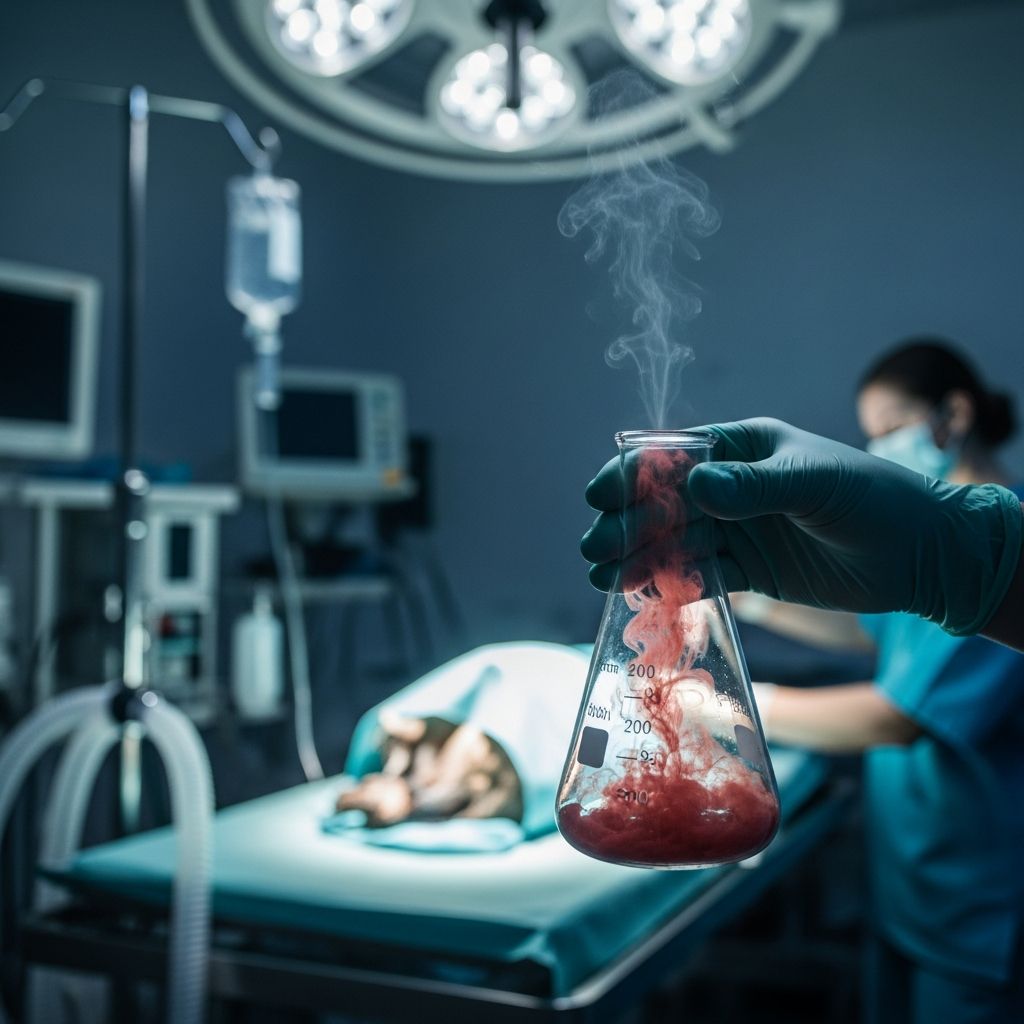
Nitrogen dioxide (NO2) poses a significant yet often overlooked threat in veterinary environments, primarily arising from the degradation of anesthetic gases like nitrous oxide. This reddish-brown gas irritates the respiratory system, leading to immediate and delayed pulmonary damage in both veterinary staff and animals under care.
Origins of NO2 in Animal Care Facilities
In veterinary practices, NO2 emerges mainly from the chemical breakdown of nitrous oxide (N2O), a common anesthetic agent. When N2O leaks or is vented without proper scavenging, it can react with oxygen or surfaces to form NO2, especially under high-temperature conditions or prolonged exposure. This is particularly prevalent in operating rooms, dental suites, and recovery areas where scavenging systems may be inadequate or absent.
Agricultural veterinary work adds another layer of risk. During silo filling or grain fermentation, especially with nitrate-rich corn, substantial NO2 releases occur, known as “silo filler’s disease” when inhaled. Vets inspecting such sites face acute dangers from this heavy, pungent gas that settles in low-lying areas.
Other sources include welding activities for equipment maintenance, electroplating in lab settings, and even arc welding in farm repairs, all common in broader veterinary operations.
Health Impacts on Veterinary Personnel
Human exposure to NO2 triggers a biphasic response: initial irritation followed by potentially severe pulmonary edema. Low levels (10-20 ppm) cause eye irritation, coughing, and chest tightness within minutes. At 25-75 ppm for 30 minutes, symptoms escalate to bronchitis, dyspnea, cyanosis, and headaches, often resolving temporarily before a relapse with fever and cough.
Higher concentrations are lethal. Brief exposure to 200 ppm induces severe lung damage and fatal edema. OSHA notes no specific permissible limit for NO2 in anesthetic contexts but references general standards: 3 ppm over 8 hours and 5 ppm short-term. Reproductive risks are notable; unscavenged N2O exposure (linked to NO2 formation) correlates with spontaneous abortions in female dental assistants (relative risk 2.6).
| Concentration (ppm) | Exposure Duration | Effects on Humans |
|---|---|---|
| 5-10 | 10 min | Mild eye/respiratory irritation |
| 25-75 | 30 min | Bronchitis, dyspnea, potential relapse |
| 50-100 | 30-60 min | Chemical pneumonia |
| 150-200 | Short-term | Severe fibrosis, lung damage |
| >500 | Brief | Acute edema, death within 48 hrs |
Delayed effects, appearing hours to weeks post-exposure, include chronic lung disorders and reduced oxygen-carrying capacity.
Effects on Animals in Veterinary Care
Animals are highly susceptible to NO2, with lethality varying by species. LC50 values (concentration killing 50% of subjects) for rats are 415 ppm (5 min), 201 ppm (15 min), and 162 ppm (30 min). Rabbits show 315 ppm LC50 at 15 min. Thresholds for acute mortality range 40-50 ppm for 1 hour across mice, rats, guinea pigs, and dogs.
Pulmonary injury manifests as bronchiolar edema, type II cell hyperplasia, alveolar fibrin, and leukocyte infiltration. Rats exposed to 100 ppm for 15 min show significant edema and lesions; exercise exacerbates this, boosting mortality. Sheep exposed via tracheal tube to 500 ppm exhibit exudative material and PMN increases.
Even low chronic exposures (0.5-3 ppm) damage alveolar mitochondria, cause mast cell granule loss, and Clara cell hyperplasia in rats and dogs. Squirrel monkeys died after 2 hours at 50 ppm.
Recognizing NO2 Exposure Symptoms
NO2’s sweetish, pungent odor alerts at 5 ppm, visible as reddish-brown at 75-150 ppm. Acute signs include frothy sputum, chest pain, and breathing difficulty. In animals, watch for rapid breathing, cyanosis, and lethargy.
- Immediate:** Cough, eye watering, throat burn.
- Delayed (4-72 hrs):** Pulmonary edema, fever, cyanosis.
- Chronic:** Persistent cough, fibrosis.
Veterinary staff must differentiate NO2 from other gases like ammonia or hydrogen sulfide, common in farm settings.
Regulatory Standards and Monitoring
OSHA sets NO2 limits at 5 ppm ceiling (short-term) and references 25 ppm for nitric oxide over 8 hours. NIOSH highlights 1000 ppm N2O in unscavenged rooms, urging scavenging. New Jersey recommends 3 ppm (8-hr TWA) and 5 ppm STEL.
Vets should deploy gas detectors for real-time NO2 monitoring, especially near vents and low areas. Regular scavenging system checks are vital.
Prevention Strategies for Vet Clinics
Effective control starts with engineering: Install and maintain scavenging systems to capture 95%+ of waste gases. Ensure proper ventilation with 15-20 air changes per hour in ORs.
- Use low-leak anesthesia machines.
- Seal room cracks and use negative pressure.
- Train staff on gas valve protocols.
For farm vets, avoid silos 24-48 hours post-filling; use respirators (NIOSH-approved for NO2). Administrative controls include rotation to limit exposure and PPE like full-face respirators for high-risk tasks.
Emergency Response Protocols
Upon suspected exposure, remove victims to fresh air immediately. Administer 100% oxygen; severe cases need intubation and ventilation. Monitor for delayed edema up to 72 hours. Animals require supportive care: oxygen therapy, bronchodilators, and anti-inflammatories.
Decontaminate by removing soiled clothing; flush eyes/skin with water. Seek medical eval even if asymptomatic.
Long-Term Mitigation in Practice
Audit facilities quarterly for leaks using infrared analyzers. Educate via simulations on NO2 scenarios. Integrate into OSHA compliance plans, tracking exposure logs.
Research underscores scavenging’s impact: Scavenged offices showed no abortion risk increase vs. unscavenged (RR 2.6).
Frequently Asked Questions
What causes NO2 in vet clinics?
Mainly N2O breakdown from anesthetics without scavenging.
Are animals more sensitive than humans?
Yes, with lower LC50 thresholds, e.g., rats at 162 ppm/30 min.
How to detect NO2 safely?
By odor at 5 ppm or color at 75+ ppm; use detectors for accuracy.
What PPE protects against NO2?
Full-face respirators with NO2 cartridges.
Can NO2 effects be reversed?
Acute yes with prompt care; chronic may lead to fibrosis.
Case Studies from Veterinary Field
In one incident, clinic staff reported irritation post-procedure; monitoring revealed 50 ppm NO2 from faulty scavenging. Farm vets near silos developed pneumonia after brief entry. These highlight proactive measures’ necessity.
References
- ACUTE TOXICITY OF NITROGEN DIOXIDE — NCBI – NIH. 1985. https://www.ncbi.nlm.nih.gov/books/NBK230446/
- Anesthetic Gases: Guidelines for Workplace Exposures — OSHA. 1994 (updated relevance for standards). http://www.osha.gov/waste-anesthetic-gases/workplace-exposures-guidelines
- Animal Handling Safety Considerations — MU Extension. Recent. https://extension.missouri.edu/publications/g1931
- Nitrogen Dioxide Hazard Summary — NJ.gov. Recent. https://nj.gov/health/eoh/rtkweb/documents/fs/1376.pdf
- LCSS: NITROGEN DIOXIDE — Stanford EHS. Recent. https://web.stanford.edu/dept/EHS/cgi-bin/lcst/lcss/lcss63.html
- NITROGEN OXIDES Public Health Statement — ATSDR. Recent. https://www.atsdr.cdc.gov/toxfaqs/tfacts175.pdf
Similar Articles








Read full bio of Sneha Tete


