

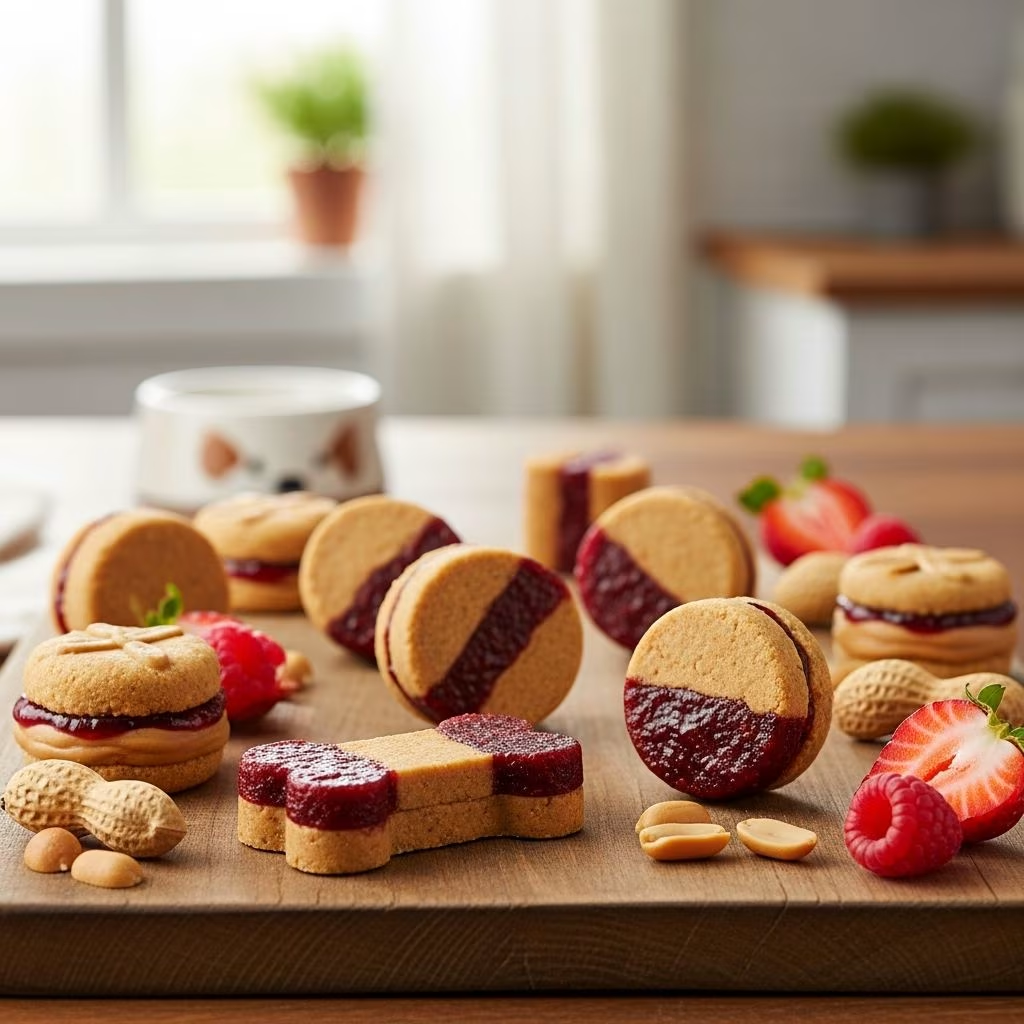
No-Bake Dog Treats: Protein-Packed Snacks for Your Pup
Creating homemade dog treats doesn’t always require firing up your oven. No-bake dog treat recipes are an excellent solution for pet parents looking to whip up delicious, nutritious snacks without the heat and hassle of baking. These treats are perfect for busy schedules, warm weather months when you’d rather keep your kitchen cool, or anytime you want to bond with your furry best friend while preparing something special.
The best part about no-bake dog treats? Many of them are so safe and delicious that you and your pup can enjoy them together. Whether you’re looking for a quick weekday snack or a special treat to celebrate your dog’s accomplishments, no-bake recipes deliver convenience without compromising on nutrition or taste.
Why Choose No-Bake Dog Treats?
No-bake dog treats offer numerous advantages for modern pet parents. First, they require minimal equipment and preparation time, typically taking just 15 to 25 minutes to prepare before refrigeration or freezing. Second, you maintain complete control over the ingredients, ensuring your dog gets only wholesome, high-quality components without artificial preservatives, colors, or flavors found in many commercial treats.
Additionally, no-bake recipes are cost-effective, utilizing ingredients you likely already have in your pantry. They’re also perfect for dogs with sensitivities to certain ingredients, as you can easily customize recipes to meet your pup’s specific dietary needs. Finally, making treats at home strengthens the bond between you and your pet, making treat time even more special.
The Classic PB&J No-Bake Dog Treat
Perhaps the most beloved no-bake dog treat combines peanut butter and blueberries—a dog-friendly twist on the classic human favorite. While traditional jelly isn’t safe for dogs due to excessive sugar and potentially harmful ingredients, fresh or dried blueberries make an excellent, nutritious substitute.
Blueberries are a superfood for dogs, offering impressive nutritional benefits. They’re high in fiber, vitamin C, and vitamin K, while being naturally low in calories. These antioxidant-rich berries support immune function, promote eye health, and contribute to overall wellness. The combination of peanut butter’s protein and healthy fats with blueberries’ vitamins and antioxidants creates a treat that’s as nutritious as it is delicious.
Why This Recipe Works
This particular recipe has earned praise from pet nutritionists and dog owners alike. It requires just five simple ingredients, making it incredibly accessible for first-time treat makers. The best part? The recipe developer confirmed that these treats taste excellent exactly as written, with no modifications necessary. Furthermore, the large batch yield means you’ll have plenty of treats to share with your canine companion throughout the week, and the recipe is so safe and delicious that dog parents can enjoy them alongside their pups.
PB&J No-Bake Dog Treat Recipe
Ingredients
Gather these five simple, wholesome ingredients to create your no-bake masterpiece:
- 1 ¼ cups rolled oats
- ½ cup natural peanut butter (ensure it contains no xylitol, which is toxic to dogs)
- ¼ cup honey
- ¼ cup dried blueberries
- 2 tablespoons chia seeds
- Pinch of salt (omit if your peanut butter is already salted)
Required Supplies
Before you begin, gather these essential kitchen items:
- Mixing bowls (one or two)
- Measuring cups and spoons
- Mixing spoon or spatula
- Cookie cutters (dog paw and/or bone shaped cutters add fun!)
- Parchment paper
- Refrigerator or freezer space
Time Requirements
Prep time: 15 minutes
Chilling time: 20 minutes
Total time: 35 minutes
Yield: Approximately 16 treats
Serving size: ½ to 1 treat per serving
Step-by-Step Instructions
Step 1: Combine Dry Ingredients
In a mixing bowl, combine your rolled oats, chia seeds, and a pinch of salt (if using). These ingredients form the hearty base of your treats, providing fiber, healthy fats, and that satisfying texture dogs love.
Step 2: Add Wet Ingredients
Add your natural peanut butter and honey to the dry mixture. Stir thoroughly until all ingredients are evenly combined. The mixture should come together nicely without being too sticky or too dry. If it seems too crumbly, add a touch more peanut butter. If it’s too wet, incorporate additional oats by the tablespoon.
Step 3: Fold in the Blueberries
Gently fold in your dried blueberries, distributing them evenly throughout the mixture. These little bursts of flavor and nutrition are what make this treat special, so ensure they’re well distributed.
Step 4: Shape Your Treats
Press the mixture onto parchment paper and use your cookie cutters to shape individual treats. Alternatively, you can scoop the mixture into balls using a small spoon or melon baller. If you don’t have specialty cutters, simple square or rectangular shapes work just as well.
Step 5: Chill and Serve
Refrigerate your treats for at least 20 minutes until they’ve firmed up nicely. Once set, store them in an airtight container in the refrigerator for up to one week, or freeze them for longer storage (up to three months).
Understanding Safe Ingredients for Dog Treats
When preparing homemade dog treats, ingredient safety is paramount. Natural peanut butter is an excellent protein source, but it’s crucial to check the label carefully. Many commercial peanut butter brands contain xylitol, a sweetener that’s extremely toxic to dogs. Look for brands labeled “natural” or “no xylitol added” to ensure safety.
Honey provides natural sweetness and offers antimicrobial and antioxidant properties beneficial for dogs. However, puppies under one year of age should avoid honey due to botulism concerns. Oats are a gentle, digestible whole grain that provides fiber and essential nutrients. Blueberries, whether fresh or dried, are among the safest fruits for dogs and offer impressive nutritional benefits.
Chia seeds are gaining popularity in pet nutrition for their omega-3 fatty acids, protein content, and fiber. They support skin and coat health while promoting digestive wellness. Always ensure all ingredients are fresh, high-quality, and stored properly to maintain nutritional integrity.
Storage and Shelf Life
Proper storage extends the life of your homemade treats and ensures they remain safe for your pup. Refrigerated treats typically last 7 to 10 days when stored in an airtight container. For longer storage, freeze treats for up to three months. When freezing, place treats in a freezer-safe bag or container to prevent freezer burn.
Before offering any stored treat, especially frozen ones, ensure it has reached a safe temperature. Frozen treats can be served directly from the freezer as a refreshing snack on warm days, or thawed to room temperature for regular serving.
Variations and Customizations
The basic no-bake treat recipe provides an excellent foundation for creative variations. Consider these alternatives to keep treat time interesting for your pup:
Banana and Coconut Version: Replace blueberries with unsweetened banana chips and add unsweetened shredded coconut for tropical flair.
Apple and Cinnamon: Mix in finely diced fresh apples and a pinch of cinnamon for fall-inspired treats.
Pumpkin Spice: Incorporate pumpkin puree and warm spices like cinnamon and ginger for seasonal enjoyment.
Sweet Potato Blend: Add sweet potato puree for enhanced nutrition and a naturally sweet flavor dogs adore.
Always research new ingredients before introducing them to your dog’s diet. Some foods that are safe for humans are toxic to dogs, including chocolate, grapes, raisins, avocado, and macadamia nuts.
Nutritional Benefits for Your Dog
These no-bake treats provide substantial nutritional value beyond simple enjoyment. The protein from peanut butter and oats supports muscle development and maintenance, particularly important for active dogs. Chia seeds contribute omega-3 and omega-6 fatty acids that promote a healthy, shiny coat and support cognitive function.
Blueberries’ antioxidants combat free radicals and support overall cellular health. Honey provides trace minerals including potassium, calcium, and magnesium. Together, these ingredients create a treat that nourishes your dog from the inside out while satisfying their natural desire for tasty rewards.
Making Treat Time Special
Homemade treats offer more than nutrition—they represent love and care. The act of making treats alongside your pup transforms a simple snack into quality bonding time. Many dogs enjoy “helping” by licking spoons or supervising from their favorite spot in the kitchen.
Use these treats to reward good behavior, celebrate special occasions, or simply brighten your pup’s day. The knowledge that you’ve prepared something with wholesome ingredients specifically for your best friend adds special meaning to treat time.
Frequently Asked Questions (FAQs)
Q: Can I give these treats to dogs with sensitive stomachs?
A: These treats are generally gentle on canine digestive systems. However, if your dog has known sensitivities to peanut butter, oats, or other ingredients, consult your veterinarian before offering them. You can always modify the recipe to exclude problematic ingredients.
Q: Are these treats safe for all dog sizes?
A: Yes, these treats are appropriate for dogs of all sizes. Adjust portion sizes based on your dog’s weight—larger dogs can enjoy whole treats while smaller dogs may need pieces broken into smaller bites.
Q: How often can I give my dog these treats?
A: Treats should constitute no more than 10% of your dog’s daily caloric intake. For most dogs, one to two treats daily is appropriate, though this varies based on individual dietary needs. Consult your veterinarian about proper treat frequency for your specific pup.
Q: What if my dog is allergic to peanuts?
A: Replace peanut butter with alternatives like sunflower seed butter, tahini, or almond butter (in moderation). These provide similar protein content and texture while accommodating nut allergies.
Q: Can puppies have these treats?
A: Puppies can enjoy these treats once they’ve transitioned to solid food, typically around 8 weeks of age. However, omit honey for puppies under one year old. Always introduce new foods gradually and monitor for any adverse reactions.
Q: Do I need special equipment to make these treats?
A: No! Basic kitchen equipment like mixing bowls, measuring cups, and spoons are all that’s needed. Cookie cutters add fun shapes but aren’t necessary—simple rounded spoonfuls work just as well.
Q: Can these treats help with training?
A: Absolutely! These treats are excellent for positive reinforcement during training sessions. Their high protein content provides energy, and their palatability makes them highly motivating rewards.
Q: Are there any ingredients I should absolutely avoid?
A: Yes. Never use peanut butter containing xylitol, chocolate, grapes, raisins, macadamia nuts, or avocado. These ingredients are toxic to dogs. Always read labels carefully and research new ingredients before use.
Q: Can I make a large batch and freeze these treats?
A: Yes! These treats freeze beautifully for up to three months. Store them in airtight, freezer-safe containers or bags. Thaw at room temperature before serving, or offer frozen treats on hot days for a refreshing snack.
References
- No-Bake Peanut Butter and Jelly Dog Treats — Chewy Education by Brittany Mullins (Eating Bird Food). 2024. https://www.chewy.com/education/dog/general/no-bake-dog-treats
- Xylitol and Dogs: Frequently Asked Questions — Pet Poison Helpline. 2023-2024. https://www.petpoisonhelpline.com/faq/xylitol-and-dogs
- Blueberries for Dogs: Health Benefits and Safety — American Kennel Club (AKC). 2024. https://www.akc.org/expert-advice/blueberries-safe-dogs
- Homemade Dog Treats: Nutritional Considerations — American Veterinary Medical Association (AVMA). 2023-2024. https://www.avma.org/
- Chia Seeds for Dogs: Benefits and Proper Serving — VCA Animal Hospitals. 2024. https://vcahospitals.com/
- DIY Dog Treats: No-Bake Trail Mix Bar — Chewy Education by Nicole Janiga. 2024. https://www.chewy.com/education/dog/food-and-nutrition/no-bake-trail-mix-bar-for-dogs-and-humans



