
Nitrate And Nitrite Toxicity In Animals: A Practical Guide
Understanding how nitrate exposure harms livestock and pets through oxygen deprivation
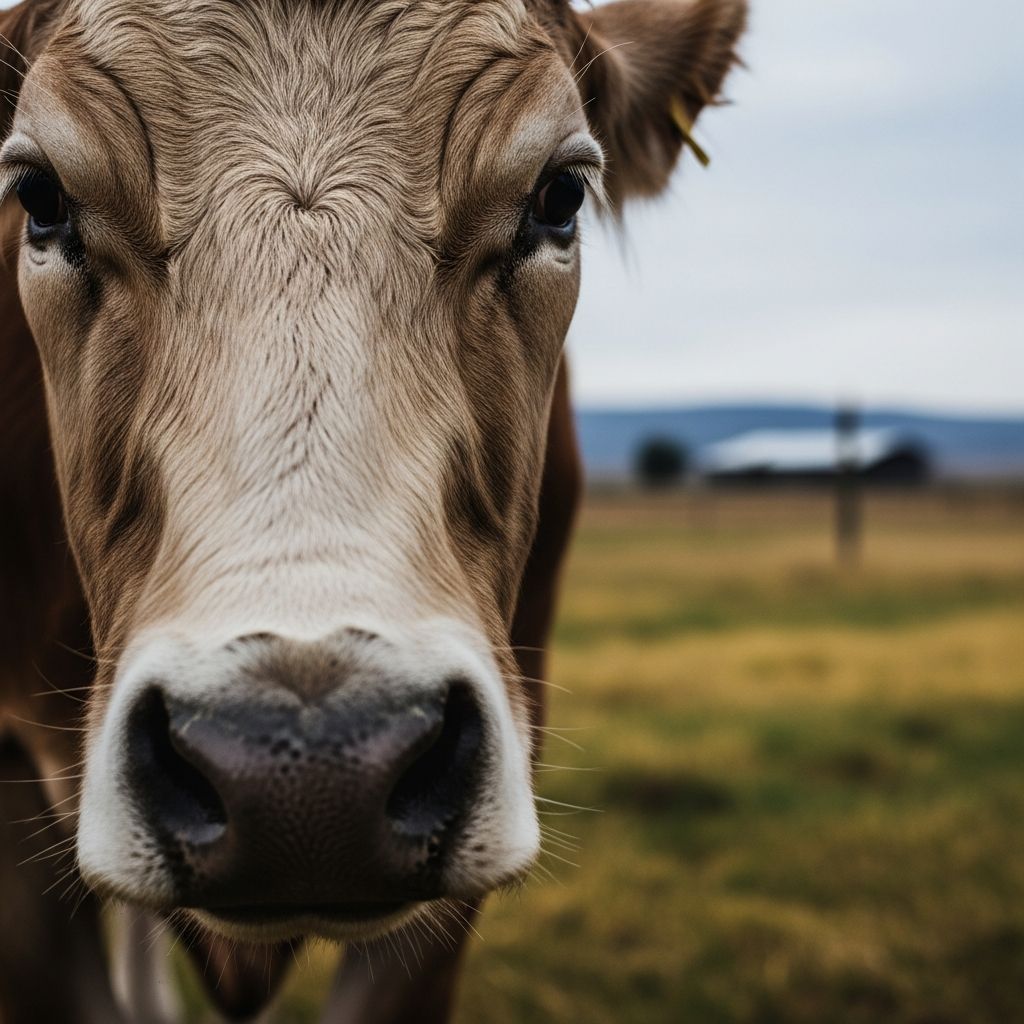
Nitrate and nitrite poisoning represents a significant health threat across multiple animal species, with cattle experiencing the highest susceptibility due to their unique digestive physiology. While nitrate itself has relatively low toxicity, its conversion to nitrite within the animal body creates a dangerous compound that interferes with oxygen transport at the cellular level. This comprehensive guide explores the mechanisms of poisoning, recognition of clinical symptoms, diagnostic approaches, and available treatment strategies.
The Biochemical Mechanism Behind Toxicity
The primary danger of nitrate exposure lies not in the compound itself but in its metabolic transformation. When animals consume high levels of nitrate, the biological conversion process creates a cascade of harmful effects that ultimately compromise oxygen delivery throughout the body. Understanding this mechanism is crucial for recognizing why certain species are more vulnerable than others.
In ruminant animals such as cattle and sheep, microorganisms inhabiting the rumen rapidly convert dietary nitrate into nitrite—a compound approximately ten times more toxic than the original nitrate. The rumen’s unique environment, with its high population of bacteria, accelerates this conversion. Once formed, nitrite enters the bloodstream where it oxidizes hemoglobin, the oxygen-carrying protein in red blood cells, transforming it into methemoglobin. This altered form of hemoglobin possesses severely compromised oxygen-carrying capacity, effectively starving tissues throughout the body of necessary oxygen.
Horses experience a similar but less severe conversion process in their cecum, the pouch-like structure at the junction of the small and large intestines. Non-ruminant species including dogs, pigs, and poultry eliminate most ingested nitrate through urinary excretion, making them considerably less susceptible to poisoning under normal circumstances. This fundamental difference in digestive anatomy explains why ruminants face significantly greater risk when exposed to high nitrate levels.
The conversion of nitrate to nitrite occurs much more rapidly than the subsequent reduction of nitrite to ammonia in the rumen. This imbalance means that when ruminants consume forage high in nitrate content, nitrite accumulates faster than the body can safely process it, allowing dangerous concentrations to enter the bloodstream and damage oxygen-transport systems.
Exposure Routes and Environmental Sources
Animals encounter dangerous nitrate levels through multiple pathways, each presenting distinct management challenges. Contaminated forage represents the most common exposure route for grazing livestock, while water contamination poses an additional significant threat. Agricultural and environmental factors directly influence the nitrate content in both feed and drinking water available to animals.
Plant-based feeds can accumulate excessive nitrate under specific growing conditions, particularly when rapid plant growth occurs during drought stress, heavy fertilization, or following hail damage. Certain plant species, including sorghum, corn, and various grasses used for hay and silage, naturally concentrate nitrate more readily than others. When these high-nitrate forages are harvested and fed to livestock, the risk of acute poisoning increases substantially.
Water sources present another critical exposure vector. Shallow wells lacking proper casing, particularly in areas with intensive agricultural operations, can become contaminated with nitrate from feedlot runoff or commercial fertilizer application. Ponds receiving drainage from feedlots or heavily fertilized pastures may develop hazardous nitrate concentrations. Additionally, water transported in improperly cleaned liquid fertilizer tanks can reach extremely high nitrate levels, creating dangerous contamination when used to fill livestock troughs.
Accidental ingestion of concentrated nitrate sources including commercial fertilizers, certain industrial chemicals, and contaminated mineral supplements can cause acute poisoning in animals with access to these materials. Careless storage or handling of agricultural chemicals increases the risk of unintended exposure among grazing herds.
Species-Specific Vulnerability and Safe Exposure Thresholds
Different animal species exhibit markedly different susceptibilities to nitrate and nitrite toxicity based on their digestive physiology and metabolic capacity to process these compounds. Establishing safe exposure guidelines requires understanding both acute toxicity thresholds and chronic exposure effects.
Ruminant Animals (Cattle, Sheep, Goats)
Ruminants demonstrate the highest vulnerability to nitrate poisoning. Acute poisoning in cattle occurs when forage nitrate levels exceed 10,000 ppm (1% by weight) or water contains more than 1,300 ppm of nitrate. For ongoing dietary safety, feed should not exceed 0.6% (6,000 ppm) nitrate content. Pregnant beef cattle require even more stringent protection, with dietary nitrate levels maintained below 0.5% (5,000 ppm) to prevent fetal loss. Animals not previously exposed to dietary nitrate show increased susceptibility compared to those gradually acclimated to moderate levels.
Non-Ruminant Livestock and Pets
Dogs demonstrate remarkable tolerance for dietary nitrate, tolerating levels up to 2% (20,000 ppm) without apparent ill effects. However, when poisoning does occur in dogs or other monogastric pets, toxicity may develop at doses ranging from 200 to 500 milligrams per kilogram of body weight. Horses and other monogastric animals show greater resilience than ruminants but remain susceptible to poisoning when exposure levels reach extremely high concentrations.
Water Quality Guidelines
For drinking water safety across most animal species, maintaining nitrate levels at 400 ppm (mg/L) or less is considered protective against long-term cumulative effects. Neonatal animals, including newborn calves, lambs, and young foals, warrant special protection due to their increased susceptibility to nitrate conversion. Young animals should be provided drinking water containing no more than 40 ppm (mg/L) nitrate.
Recognition of Acute Poisoning Symptoms
Acute nitrate or nitrite poisoning presents with sudden-onset clinical signs that demand immediate recognition and veterinary intervention. The rapid development of symptoms reflects the speed at which methemoglobin accumulates in the bloodstream, progressively impairing oxygen transport.
Early indicators of acute toxicity include rapid and weak heartbeat, body temperature below normal range, and significantly reduced blood pressure. Animals often display tremors, generalized weakness, and loss of coordination. Visible changes in mucous membrane color develop quickly—initially appearing brown, then progressing to bluish discoloration as oxygen deprivation worsens. These color changes represent a critical warning sign requiring immediate action.
Respiratory symptoms emerge prominently, including rapid and labored breathing, anxiety, drooling, and frequent urination. Gastrointestinal distress manifests as abdominal pain, vomiting, and diarrhea. Some affected animals develop severe respiratory distress from emphysema (air accumulation in lung tissues), though most animals experiencing this complication recover fully within 10 to 14 days.
In severe cases, animals may experience seizures, lose consciousness, or die suddenly without displaying preceding symptoms. Exercise intolerance, rapid breathing, collapse, and convulsions characterize acute poisoning in ruminants particularly. Tragically, high concentrations of nitrate can cause rapid death before any intervention becomes possible.
Pregnant animals exposed to nitrate face an additional threat: fetal loss and spontaneous abortion typically occurring 3 to 7 days after exposure, even in cases where the mother survives. This delayed reproductive consequence reflects nitrate’s ability to cross placental barriers and damage developing fetal tissues.
Chronic Exposure Effects and Long-Term Consequences
While acute poisoning captures immediate attention through its dramatic presentation, chronic exposure to moderate nitrate levels produces insidious long-term health effects that accumulate gradually over weeks and months. These chronic consequences prove difficult to recognize and trace to their causative source.
Animals consuming elevated dietary nitrate over extended periods develop retarded growth rates and exhibit reduced feed efficiency. Lactating animals show markedly decreased milk production, directly impacting commercial dairy operations. Reproductive dysfunction includes both infertility and spontaneous abortion patterns, reducing herd productivity. Vitamin A deficiency emerges as a significant nutritional consequence, as chronic nitrate exposure interferes with normal vitamin A metabolism and absorption.
The immune system becomes compromised under chronic nitrate exposure, resulting in increased susceptibility to bacterial and viral infections. Thyroid function shows measurable impairment, potentially affecting metabolic rate and overall energy balance. Additionally, chronic exposure interferes with normal vitamin E metabolism, creating a secondary nutrient deficiency state.
Hematologic changes (alterations in blood cell populations) accompany chronic high-level nitrate exposure, including compensatory increases in red blood cell production alongside anemia, plus elevated neutrophils and eosinophils—white blood cell types indicating immune activation.
Diagnostic Approaches and Confirmation Methods
Accurate diagnosis of nitrate or nitrite poisoning requires integration of clinical observations, environmental assessment, and laboratory confirmation. Relying solely on symptoms may lead to misdiagnosis, as several conditions produce similar clinical presentations.
Veterinarians evaluate several diagnostic components simultaneously. Clinical signs consistent with methemoglobinemia and the history of potential nitrate exposure form the initial assessment foundation. The characteristic brown-to-blue discoloration of mucous membranes provides a particularly suggestive clinical indicator.
Blood testing represents the definitive diagnostic approach. Plasma or serum samples from live affected animals allow direct measurement of nitrate and nitrite levels in the bloodstream. Post-mortem diagnosis involves collection of ocular fluid (fluid from within the eye), which retains diagnostic markers even after death. The percentage of hemoglobin converted to methemoglobin can be measured, with clinical signs appearing when concentrations reach 20-30% of total hemoglobin, and death likely occurring when methemoglobin exceeds 75%.
Field tests for nitrate can be performed on suspected feed sources, water samples, and plant material to identify contaminated materials. Post-mortem examination findings may reveal characteristic reddish or brown discoloration of tissues and organs due to methemoglobin accumulation. Veterinarians should also obtain samples from the suspected source material—whether feed, water, or plants—to establish the connection between exposure and clinical illness.
Treatment Strategies and Emergency Management
Effective treatment of acute nitrite poisoning requires rapid action, as delayed intervention frequently results in death despite intervention attempts. The narrow therapeutic window demands immediate veterinary assessment and treatment initiation.
Methylene blue injection represents the primary specific treatment for acute nitrate or nitrite poisoning. Administered as a slow intravenous injection of 1% methylene blue solution in appropriate intravenous fluids, this medication works by converting methemoglobin back into functional hemoglobin capable of oxygen transport. The drug’s efficacy depends critically on rapid administration—delays of even hours may prove fatal as methemoglobin accumulation reaches irreversible levels.
Supportive emergency measures complement specific treatment. Affected animals should be removed immediately from the nitrate source and handled as quietly and with as little physical stress as possible, as excitement and exertion increase oxygen demand on already-compromised tissues. Animals should not be forced to exercise or move rapidly, as the stress response worsens hypoxia.
Dietary management helps reduce systemic nitrite levels. Feeding hay or other low-nitrate forage dilutes remaining nitrate and nitrite in the gastrointestinal tract, reducing absorption. Feeding grain alongside high-nitrate forages may reduce the rate of nitrite production in the rumen through competitive metabolic effects.
For animals recovering from acute poisoning or those with chronic exposure history, trace mineral supplementation and balanced nutritional support help address secondary vitamin A and vitamin E deficiencies while supporting immune function and tissue repair. Long-term monitoring of affected animals ensures complete recovery and identifies any residual complications.
It is important to note that specific treatment strategies approved for food animal use remain limited, and consultation with a veterinarian is essential before implementing any treatment protocol in cattle, sheep, or other livestock, particularly regarding regulatory compliance.
Prevention Strategies and Risk Reduction
Prevention through environmental and management controls proves far more effective than treating established poisoning cases. Proactive monitoring and strategic modifications to feed and water sources eliminate poisoning risk before animals suffer harm.
- Test forage and water sources for nitrate content before introducing them to animal diets
- Avoid feeding forages exceeding 0.6% nitrate, or 0.5% for pregnant animals
- Obtain water from deep, properly cased wells in areas with agricultural contamination risk
- Maintain drinking water nitrate levels below 400 ppm for mature animals and below 40 ppm for neonates
- Store fertilizers and agricultural chemicals in secure locations inaccessible to grazing animals
- Avoid spreading poultry litter on grazing pastures unless necessary, and limit application rates
- Monitor heavily fertilized fields during rapid growth periods for potential nitrate accumulation
- Gradually introduce animals to forages containing moderate nitrate rather than sudden exposure
- Implement rotational grazing to reduce continuous exposure to high-nitrate plants
- Regular inspection of water tanks and distribution systems for contamination sources
Frequently Asked Questions
Are all animals equally susceptible to nitrate poisoning?
No. Ruminants, particularly cattle, show the highest susceptibility due to bacterial conversion of nitrate to nitrite in their rumen. Horses and other monogastric animals are less susceptible but can be poisoned at extremely high exposure levels. Dogs tolerate very high dietary nitrate levels with remarkable tolerance.
How quickly do signs of nitrate poisoning appear?
Acute poisoning symptoms typically appear suddenly, within hours of consumption. However, under certain conditions with chronic exposure, animals may consume high-nitrate forage for days or weeks before symptoms become apparent.
Can animals recover from nitrate poisoning?
Animals experiencing mild to moderate acute poisoning may recover fully if treated promptly with methylene blue. Those developing emphysema typically recover within 10 to 14 days. However, animals with severe methemoglobinemia or delayed treatment often die despite intervention attempts.
What nitrate levels in water are safe for animals?
Most animal species can safely consume water containing 400 ppm or less nitrate. Neonatal animals require more protective limits of 40 ppm or less.
How is chronic nitrate exposure different from acute poisoning?
Chronic exposure produces slow-developing effects including reduced growth, decreased milk production, reproductive failure, and vitamin deficiencies. Acute exposure causes rapid methemoglobinemia and potential sudden death.
Conclusion
Nitrate and nitrite toxicity remains a manageable risk in modern animal agriculture through informed awareness and proactive prevention strategies. While the biochemical mechanisms of poisoning are complex, the practical approaches to minimizing risk are straightforward and highly effective. Veterinarians, farm managers, and animal owners who implement regular testing protocols, maintain appropriate dietary standards, and ensure clean water sources can nearly eliminate poisoning risk. When acute poisoning does occur, rapid recognition of clinical signs combined with immediate veterinary intervention using methylene blue treatment offers the best chance for animal survival and recovery.
References
- Nitrate Poisoning — Kansas Veterinary Diagnostic Laboratory. Available at: https://www.ksvdl.org/resources/news/diagnostic_insights/november2016/nitrate.html
- Nitrate (NO3) Toxicosis in Animals — Morrow County Oregon Emergency Management. Available at: https://www.morrowcountyor.gov/emergency/page/nitrate-no3-toxicosis-animals
- Nitrates in Animals — Oregon Department of Human and Health Services. Available at: https://www.oregon.gov/oha/PH/HEALTHYENVIRONMENTS/DRINKINGWATER/SOURCEWATER/DOMESTICWELLSAFETY/Pages/Learn-about-Nitrate.aspx
- Nitrate and Nitrite Poisoning – Special Pet Topics — Merck Veterinary Manual. By Larry J. Thompson, DVM, PhD, DABVT. Available at: https://www.merckvetmanual.com/special-pet-topics/poisoning/nitrate-and-nitrite-poisoning
- How Do Nitrates and Nitrites Affect Our Companion Dogs? — Hemopet. Available at: https://hemopet.org/how-do-nitrates-nitrites-affect-dogs/
- Nitrate Toxicosis — University of Nebraska-Lincoln Veterinary and Biomedical Sciences. Available at: https://vbms.unl.edu/nitrate-toxicosis/
- Nitrate and Nitrite Poisoning in Livestock — NSW Department of Primary Industries. Available at: https://www.dpi.nsw.gov.au/animals-and-livestock/beef-cattle/health-and-welfare/diseases-and-conditions/nitrate-poisoning
- The Effects of Nitrate, Nitrite, and N-Nitroso Compounds on Animal Health — National Center for Biotechnology Information. 1994. Available at: https://pubmed.ncbi.nlm.nih.gov/8351799/
Similar Articles








Read full bio of medha deb


