
Nipah Virus In Pigs: Prevention, Symptoms, And Control
Exploring the devastating effects of Nipah virus on swine herds, transmission risks, and vital control measures for farmers worldwide.
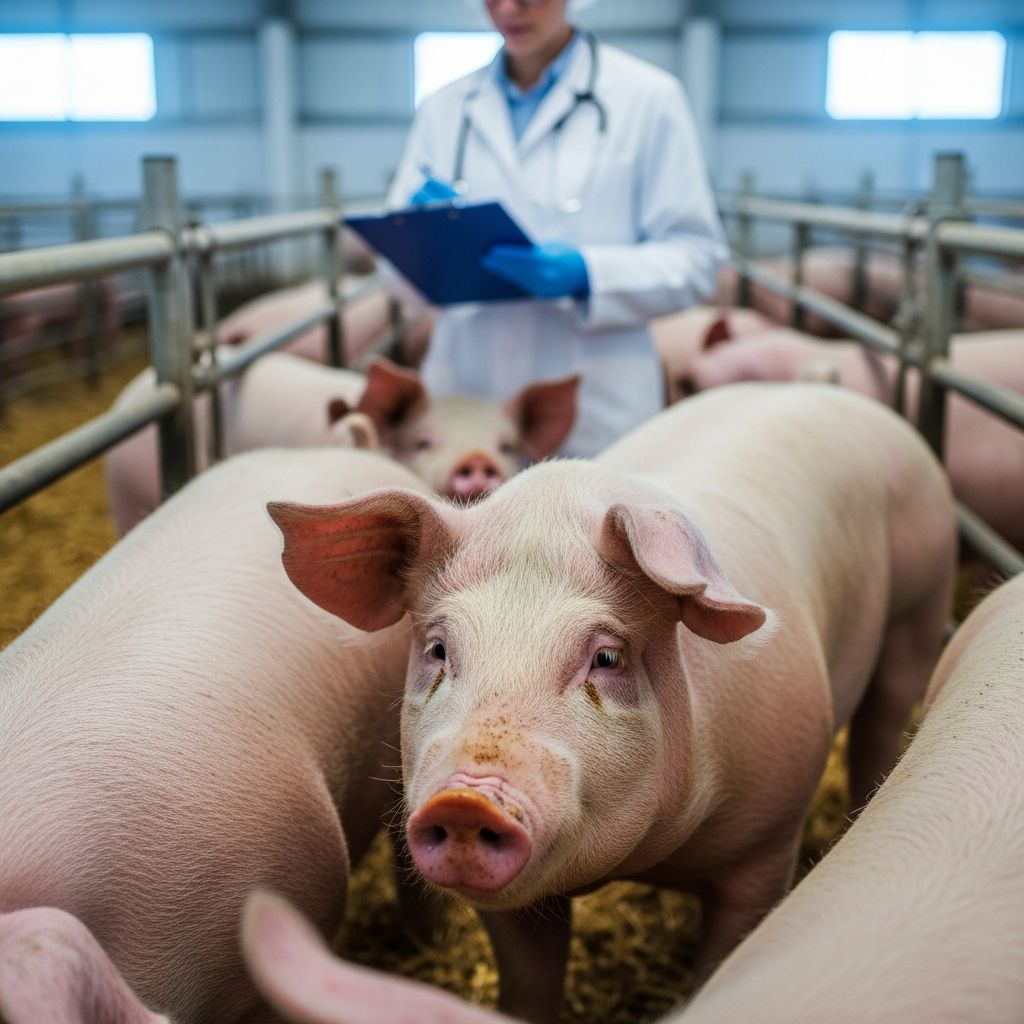
The Nipah virus represents one of the most alarming pathogens affecting swine populations, capable of triggering widespread outbreaks with severe respiratory and neurological consequences. Primarily hosted by fruit bats, this virus jumps to pigs through contaminated feed or water, leading to high morbidity rates across herds. Understanding its dynamics is essential for swine producers to implement timely interventions and mitigate zoonotic spillover risks to humans.
Understanding the Nipah Virus and Its Natural Reservoirs
Nipah virus belongs to the Henipavirus genus within the Paramyxoviridae family, known for its enveloped, single-stranded RNA structure that enables rapid mutation and adaptation across species. Fruit bats of the Pteropus genus, often called flying foxes, serve as the primary natural reservoirs, harboring the virus asymptomatically in their saliva, urine, feces, and birthing materials. These bats shed the virus intermittently, contaminating fruits, date palm sap, and environmental surfaces, which inadvertently introduce it to domestic animals like pigs during foraging or farm contamination events.
In pig farming contexts, the virus enters herds when animals consume bat-dropped fruits or drink from tainted water sources. This zoonotic bridge was dramatically evident during the late 1990s outbreaks in Malaysia and Singapore, where intensive pig farming amplified transmission, resulting in over a million pigs culled to contain the spread. Today, while pig-related outbreaks are rarer, vigilance remains crucial in regions with overlapping bat and swine habitats, such as Southeast Asia.
Clinical Manifestations in Infected Swine
Pigs exhibit a spectrum of symptoms following Nipah infection, with an incubation period typically spanning 2 to 14 days. Initial signs often mimic common respiratory illnesses, progressing to more ominous neurological involvement in severe cases. Morbidity can reach 90-100% in affected herds, though mortality varies: low in adults (1-5%) but devastatingly high (up to 80%) in piglets under two months.
- Respiratory Dominance: The hallmark is a harsh, barking cough accompanied by labored breathing, nasal discharge, and open-mouth respiration. Affected pigs display rapid, shallow breaths, often standing with elbows abducted to expand their chest cavities.
- Neurological Progression: In sows, boars, and older pigs, symptoms escalate to tremors, muscle twitching, incoordination, head pressing against objects, and paddling motions indicative of seizures. Encephalitis leads to depression, recumbency, and coma.
- Age-Specific Variations: Weaners and growers primarily show fever and dyspnea, while farrowing sows may abort litters due to systemic inflammation.
These signs collectively form what was termed “barking pig syndrome” during early outbreaks, underscoring the distinctive respiratory distress that alerts farmers to potential Nipah incursion.
Pathophysiology: How Nipah Devastates Porcine Systems
Upon entry via respiratory or oral routes, Nipah virus targets endothelial cells in blood vessels, lungs, and the brain. It replicates in epithelial cells of the respiratory tract, causing vasculitis and widespread inflammation. The virus crosses the blood-brain barrier through infected monocytes, leading to neuronal damage and perivascular cuffing observable in histopathology.
Lung lesions feature consolidation, interstitial pneumonia, and foamy macrophages, impairing gas exchange and precipitating hypoxia. Brain pathology reveals nonsuppurative encephalitis with gliosis and neuronal necrosis, particularly in the brainstem and cerebrum. Inclusion bodies—eosinophilic aggregates of viral nucleoproteins—confirm infection under microscopic examination. This multi-organ assault explains the rapid herd-level collapse seen in unmanaged outbreaks.
Epidemiology of Nipah Outbreaks in Swine Populations
Since its identification in 1999, Nipah has caused sporadic outbreaks, predominantly in Southeast Asia. The Malaysian event infected over 250 humans and necessitated mass pig depopulation, highlighting swine as efficient amplifiers. Subsequent incidents in Bangladesh and India bypassed pigs, linking directly to bat-contaminated food, but porcine cases persist as reportable under World Organisation for Animal Health (WOAH) guidelines.
| Year/Location | Affected Pigs | Human Cases/Deaths | Control Measures |
|---|---|---|---|
| 1998-1999, Malaysia/Singapore | >1 million | 276/105 | Stamping out, farm quarantine |
| 2001, India | Limited | 66/45 | Culling, movement bans |
| Recent (post-2010) | Rare, isolated | Variable | Surveillance, biosecurity |
Climate change and deforestation exacerbate risks by driving bats closer to human-agricultural interfaces, potentially increasing future spillovers.
Diagnostic Approaches for Confirming Nipah in Pigs
Rapid and accurate diagnosis is pivotal for containment. Field veterinarians suspect Nipah based on clinical clusters of respiratory-neurologic disease in endemic zones. Confirmation relies on:
- RT-PCR: Detects viral RNA from swabs, tissues, or blood, offering same-day results with high sensitivity.
- ELISA and IFAT: Serological tests for IgM/IgG antibodies, useful in retrospective herd screening.
- Histopathology and IHC: Post-mortem lung/brain samples reveal pathognomonic inclusions and antigen staining.
- Virus Isolation: In biosafety level 4 labs, confirming viability via cell culture.
Differential diagnoses include porcine reproductive and respiratory syndrome (PRRS), classical swine fever, and pseudorabies, necessitating lab exclusion.
Management and Treatment Challenges
No specific antiviral exists for Nipah in pigs; management focuses on supportive care and isolation. Severely affected animals receive fluids, anti-inflammatories, and antibiotics for secondary bacterial pneumonia. However, ethical and economic realities often preclude treatment during outbreaks, favoring culling to prevent spread.
Prevention Strategies: Biosecurity as the Frontline Defense
Proactive measures form the cornerstone of Nipah control:
- Farm Perimeter Security: Netting over pens, bat-proof roofing, and removal of fruit trees near barns.
- Feed and Water Hygiene: Covered storage, chlorinated water, discarding fallen fruits.
- Quarantine Protocols: 21-day isolation for new stock, movement tracing.
- Vaccination Research: Experimental vaccines targeting henipavirus G protein show promise in trials, though not yet commercial.
- Surveillance Networks: Passive reporting and active serological monitoring in high-risk areas.
Government-mandated stamping-out policies, including compensation for culled herds, incentivize compliance.
Zoonotic Implications: Protecting Humans from Porcine Nipah
Swine serve as bridge hosts, transmitting Nipah to humans via respiratory droplets, aerosols, or direct contact with secretions during slaughter or care. Human cases present with fever, encephalitis, and up to 75% fatality, underscoring the need for personal protective equipment (PPE) on affected farms. Human-to-human spread via close contact amplifies outbreaks, as seen in healthcare settings.
Global Surveillance and Future Outlook
WOAH lists Nipah as notifiable, mandating reporting and international coordination. Advances in genomics track strain evolution, while One Health initiatives integrate veterinary, human, and environmental monitoring. Emerging therapies like monoclonal antibodies offer hope, but prevention remains paramount against this high-consequence pathogen.
Frequently Asked Questions (FAQs)
What are the first signs of Nipah virus in pigs?
The earliest indicators include fever, harsh coughing, and breathing difficulties, often progressing to neurological symptoms like tremors.
Can Nipah virus be treated in swine?
No curative treatment exists; supportive care is limited, and culling is standard during outbreaks to halt transmission.
How do pigs get infected with Nipah?
Infection occurs mainly from consuming bat-contaminated food or water, with rapid farm-to-farm spread via fomites or direct contact.
Is there a vaccine for Nipah in pigs?
Vaccines are in development but not widely available; biosecurity is the primary defense.
What should farmers do if Nipah is suspected?
Immediately quarantine the herd, notify authorities, restrict movements, and use PPE while awaiting lab confirmation.
References
- Nipah virus – WOAH – World Organisation for Animal Health — WOAH. 2023. https://www.woah.org/en/disease/nipah-virus/
- Nipah virus fact sheet — World Health Organization (WHO). 2023-05-31. https://www.who.int/news-room/fact-sheets/detail/nipah-virus
- About Nipah Virus — Centers for Disease Control and Prevention (CDC). 2023. https://www.cdc.gov/nipah-virus/about/index.html
- Nipah Virus Disease: Epidemiological, Clinical, Diagnostic and Preventive Features — PMC/NCBI. 2023-01-09. https://pmc.ncbi.nlm.nih.gov/articles/PMC9817766/
- Nipah virus infection – Wikipedia — Wikipedia (background only). Ongoing. https://en.wikipedia.org/wiki/Nipah_virus_infection
Similar Articles








Read full bio of medha deb


