Nighttime Safety for Outdoor Cats
Essential strategies to shield your cat from nighttime dangers like traffic, predators, and more while allowing safe outdoor exploration.
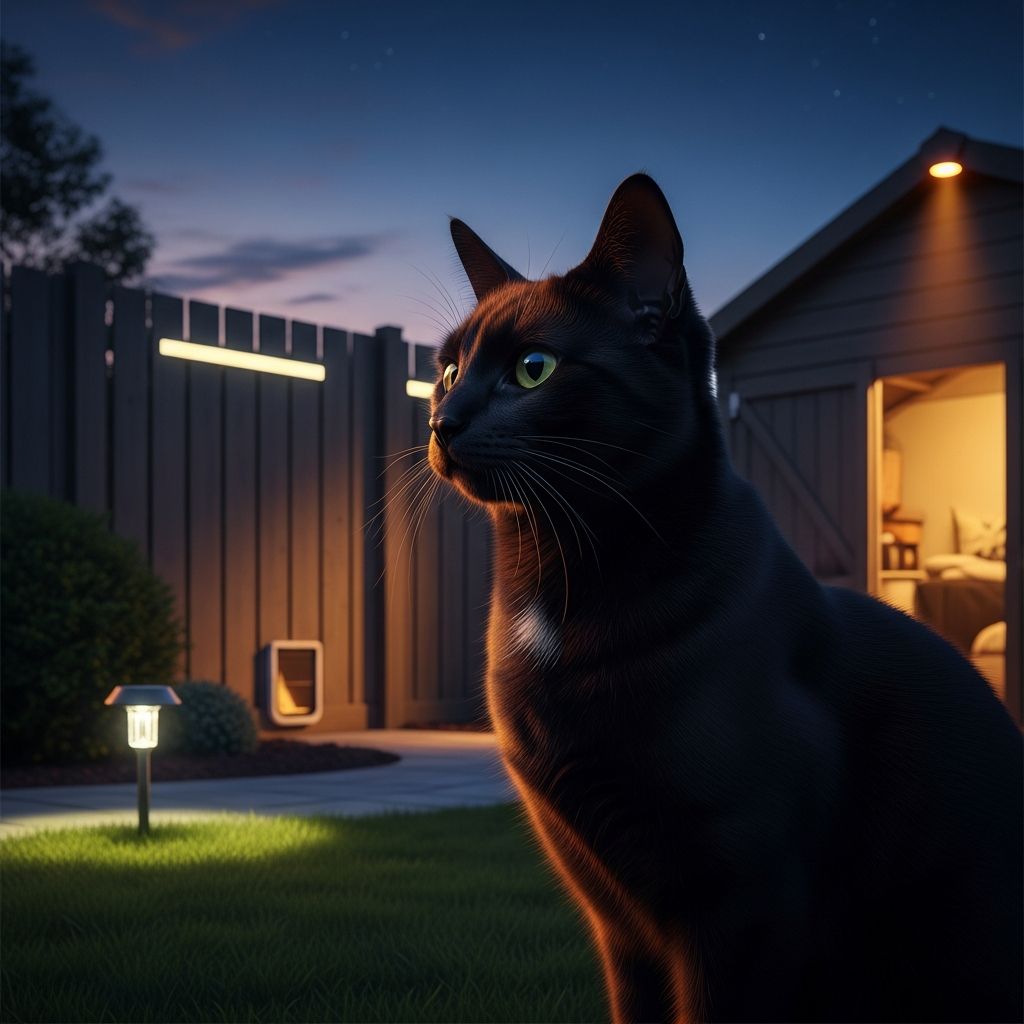
Cats naturally thrive in low-light conditions, peaking in activity during twilight hours, which heightens their exposure to evening risks when roaming freely. Protecting them requires proactive measures like enhanced visibility, secure enclosures, and routine health checks to minimize threats from vehicles, wildlife, and environmental hazards.
Understanding Feline Nocturnal Behavior
Felines exhibit crepuscular patterns, meaning they are most energetic at dawn and dusk rather than strictly nocturnal. This behavior drives them to hunt, explore, and patrol territories during dim light, overlapping with peak human commuting times and increased predator activity. Recognizing this instinct helps owners anticipate dangers and implement targeted safeguards.
- Hunting drives: Cats pursue prey like rodents and birds, often venturing far from home.
- Territorial patrols: Males especially mark and defend areas, leading to encounters with rival animals.
- Curiosity peaks: Dim light amplifies their boldness, increasing accident likelihood.
Owners should align safety protocols with these rhythms, such as recalling cats before full darkness or providing indoor alternatives during high-risk periods.
Primary Hazards After Sunset
Darkness amplifies vulnerabilities for wandering cats. Traffic incidents surge because drivers struggle to spot small, fast-moving animals on roads. Predators like foxes, coyotes, or large dogs target felines more aggressively in low visibility. Other perils include toxic substances from neighbors’ yards, fights with strays, and exposure to cold or wet conditions.
| Hazard | Risk Level | Prevention Focus |
|---|---|---|
| Vehicle strikes | High | Visibility gear |
| Predator attacks | Medium-High | Enclosures, supervision |
| Toxins/Poisons | Medium | Vaccines, ID tags |
| Getting lost | High | Microchips, tracking |
| Weather exposure | Medium | Shelters, recall training |
Statistics from veterinary reports indicate nighttime road accidents account for a significant portion of feline injuries, underscoring the need for immediate action.
Boosting Visibility on Dark Roads
Reflective accessories transform cats into noticeable silhouettes under headlights or streetlamps. Quick-release collars with embedded reflectors bounce light effectively, alerting motorists from afar without restricting movement. Avoid non-breakaway designs to prevent strangulation hazards.
- Choose elasticized models for growing kittens, though limit their nighttime outings.
- Pair with ID tags listing current contact details.
- Test visibility by shining lights from various distances.
For maximal effect, combine collars with LED lights that flash intermittently, further drawing attention without overwhelming the cat.
Secure Enclosure Solutions
Catios—enclosed patios or backyard structures—offer boundless fresh air and stimulation minus roaming perils. These setups range from portable wire cages to elaborate wooden frames with climbing towers and perches.
Key features for effective catios:
- Sturdy mesh preventing escapes and predator entry.
- Weatherproof roofing against rain and sun.
- Multiple levels for jumping and lounging.
- Access doors for easy supervision.
DIY versions using pallets and chicken wire provide budget-friendly starts, while commercial kits ensure durability. Integrate feeders and water stations to encourage regular use.
Identification and Recovery Tools
Lost cats often evade return without proper markers. Microchipping embeds a scannable ID under the skin, surviving collar loss and aiding shelter reunions. Complement with breakaway collars bearing tags.
Modern GPS trackers attach to collars, sending real-time location via apps. Set virtual fences triggering alerts if boundaries are breached, ideal for expansive yards.
- Microchip at spay/neuter for one-time convenience.
- Update registries annually with new addresses.
- GPS units with long batteries for overnight monitoring.
Health and Wellness Protocols
Robust health fortifies cats against outdoor threats. Annual vaccines shield against rabies, feline leukemia, and distemper, prevalent in stray interactions. Spaying/neutering curbs roaming urges and fights.
Maintain flea/tick preventives to avoid disease vectors. Regular deworming counters prey-borne parasites. Schedule bi-annual vet exams to catch issues early.
Nutritional support includes timed evening meals encouraging pre-dusk returns, supplemented by warmed winter rations in protected spots.
Training for Safe Access
Harness training enables leashed strolls, satisfying wanderlust securely. Begin indoors with positive reinforcement—treats for harness tolerance.
Gradual outdoor steps:
- Short, supervised yard sessions pre-mealtime.
- Lead explorations, rewarding check-ins.
- Extend durations as confidence builds.
- Practice recall commands with high-value rewards.
Cat flaps grant independent entry, trained via propped-open phases progressing to microchip activation.
Environmental Safeguards
Modify yards for safety: Oscar-style fencing with inward rollers deters climbing escapes. Plant non-toxic greenery like catnip, avoiding lilies or azaleas. Provide sheltered feeding zones away from roads.
Winter prep involves insulated shelters elevated on bricks, lined with straw for insulation. Heated pads on timers prevent hypothermia.
Indoor Alternatives to Night Roaming
Enrich interiors to mimic outdoors: towering cat trees, window perches with bird feeders, puzzle toys dispensing kibble. Laser pointers and wand toys simulate hunts.
- Motion-activated toys for solo play.
- Snuffle mats for foraging instincts.
- Aromatherapy diffusers with feline-safe pheromones for calm.
Such setups reduce door-scratching pleas, keeping cats engaged post-sunset.
Frequently Asked Questions
Is it safe to let my cat out at night?
Generally no, due to elevated traffic and predator risks. Opt for daytime or enclosures instead.
What if my cat insists on going out after dark?
Use recall training, timed meals, and trackers to manage and monitor.
Are reflective collars effective?
Yes, they significantly improve visibility, but pair with microchips.
How do I build a simple catio?
Frame with wood, cover in aviary netting, add platforms—budget under $200.
Can feral cats benefit from these tips?
Absolutely; shelters, vaccines via TNR, and feeding stations enhance survival.
Long-Term Ownership Commitments
Safeguarding nighttime adventures demands ongoing vigilance. Monitor weight, coat quality, and behavior for stress signals. Community networks via apps connect neighbors for sightings. Ultimately, weighing indoor enrichment against outdoor joys determines the best lifestyle for your cat’s longevity and happiness.
References
- Keeping your cat safe outdoors — PDSA. 2023-01-15. https://www.pdsa.org.uk/pet-help-and-advice/looking-after-your-pet/kittens-cats/keeping-your-cat-safe-outdoors
- Is Your Outdoor Cat Safe at Night? — Coastal Pet Products. 2022-11-10. https://www.coastalpet.com/blog/is-your-outdoor-cat-safe-at-night/
- Is it OK to Let My Cat Outside at Night? — UrgentVet. 2024-05-20. https://urgentvet.com/let-my-cat-outside/
- How to Keep Outdoor Cats Safe: Essential Tips for Pet & Feral Cats — Undercover Pet Houses. 2023-08-05. https://undercoverpethouses.com/blogs/feral-cats-guardians-of-the-night/how-to-keep-outdoor-cats-safe-essential-tips-for-pet-feral-cats-1
- 10 Tips For Keeping Outdoor Cats Safe & Healthy — Tractive. 2024-02-14. https://tractive.com/blog/en/good-to-know/best-tips-for-outdoor-cat
Similar Articles








Read full bio of Sneha Tete