

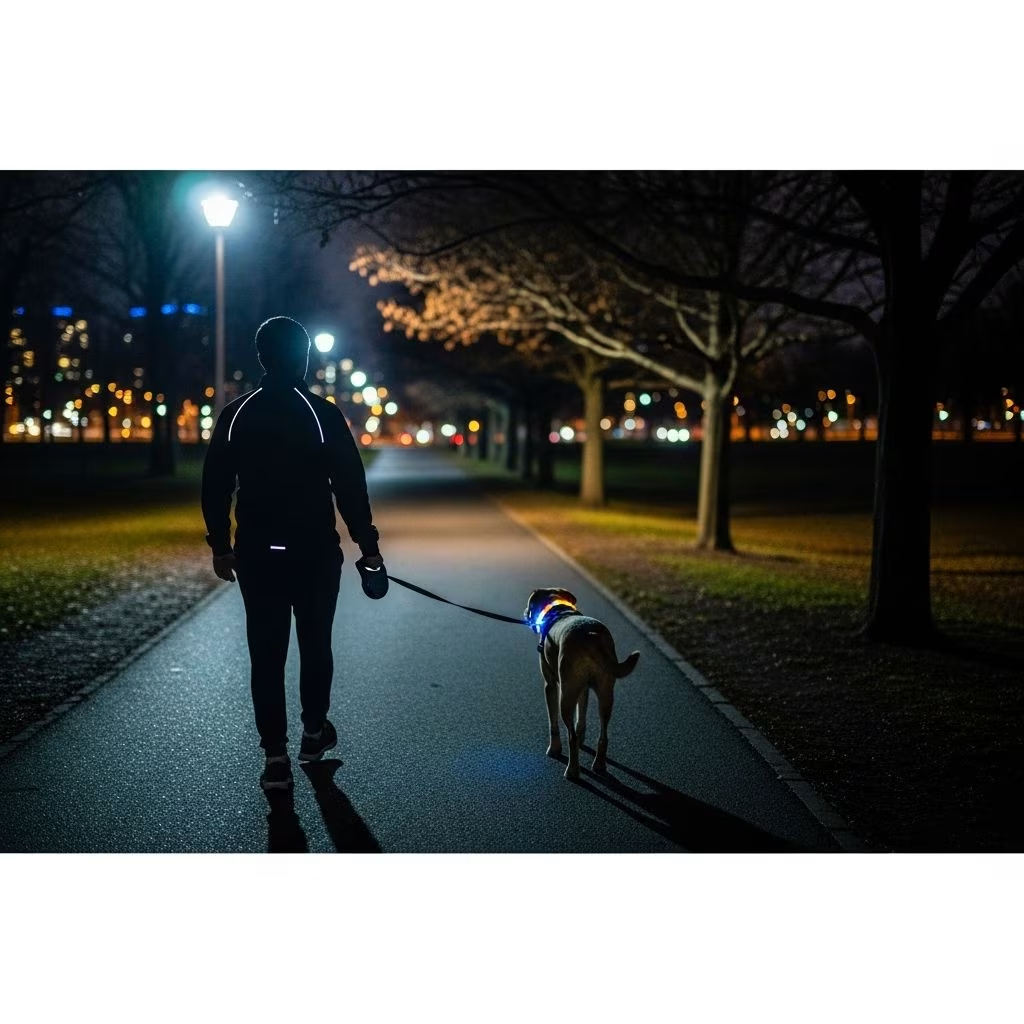
Evening and nighttime walks offer a peaceful way to exercise your dog when daytime schedules clash with work or weather. However, darkness introduces unique challenges like reduced visibility, heightened traffic risks, and encounters with wildlife. By adopting targeted precautions, pet owners can transform these outings into secure, enjoyable routines that prioritize both human and canine well-being.
Understanding Nighttime Walking Risks
Dark conditions amplify everyday hazards. Drivers and cyclists struggle to spot pedestrians, elevating collision chances. Uneven sidewalks, debris, or hidden obstacles become tripping points for owners and dogs alike. Scavenging pups might ingest toxic items unseen in low light, while nocturnal animals like coyotes pose sudden threats. Statistics from pedestrian safety studies underscore that visibility drops sharply after sunset, making proactive measures non-negotiable.
- Traffic encounters: Vehicles approach faster in the dark, with reaction times extended by poor sightlines.
- Terrain dangers: Cracks, glass shards, or ice patches lurk undetected.
- Wildlife activity: Foxes, raccoons, or stray animals emerge more boldly at night.
- Dog behaviors: Sudden bolts toward scents or sounds can lead to escapes or injuries.
Essential Gear for Visibility and Control
High-quality equipment forms the foundation of safe nighttime excursions. Start with items that enhance detection from afar and maintain firm handling.
Reflective and Illuminated Apparel
Equip both yourself and your dog with gear that reflects headlights or emits light. Human options include vests, armbands, or jackets with retroreflective strips, which bounce light back to its source for maximum noticeability. For dogs, choose collars, harnesses, or leashes embedded with reflective material. LED lights clip onto collars or harnesses, pulsing in colors like red—proven more detectable at distance by the human eye. These tools reduce accident risks by alerting motorists hundreds of feet away.
Secure Leashing Systems
Always use a non-retractable leash of 4-6 feet for precise control. Short lengths prevent dogs from darting into roads or brush. Harness over collars distribute pressure safely during pulls. Multifunctional leashes, like those with integrated water squirters, deter predators by startling them with a spray—ideal for urban wildlife zones.
| Gear Type | Benefits | Recommended Features |
|---|---|---|
| Human Vest | Full-torso coverage | Reflective strips, lightweight fabric |
| Dog Collar Light | 360-degree glow | Red LED, rechargeable battery |
| Leash | Controlled reach | Reflective weave, padded handle |
| Harness | No neck strain | Adjustable fit, glow-in-dark accents |
Optimal Route Selection and Path Habits
Familiarity breeds safety. Opt for illuminated streets, parks with lighting, or sidewalks facing traffic flow—keeping your dog on the inner side away from curbs. Avoid unlit alleys, wooded shortcuts, or novel paths where surprises await. Walking against oncoming vehicles lets you anticipate cars while they see you sooner.
- Survey routes daytime first to note hazards.
- Prioritize areas with steady pedestrian or vehicle presence for added security.
- Steer clear of leaf piles, ditches, or dense foliage harboring critters.
Boosting Personal Alertness
Heightened senses compensate for dim vision. Ditch headphones or podcasts; ambient sounds like rustling bushes or approaching bikes provide early warnings. Keep your phone accessible but pocketed—use it for location sharing with a trusted contact beforehand.
Carry redundant lighting: headlamps free hands for leashes, while flashing modes amplify presence. Apps for flashlights or weather checks aid impromptu decisions, like skipping icy nights.
Handling Wildlife and Unexpected Encounters
Night amplifies animal activity. Leashed dogs stay protected from chases, and owners can employ deterrents like water sprays or loud calls. Trust canine instincts—if your dog tenses or pulls away, retreat promptly. Groups of walkers or populated areas further minimize risks.
Dog-Specific Nighttime Preparations
Tailor walks to your dog’s profile. High-energy breeds need controlled outlets, while seniors benefit from slower paces on smooth surfaces. Pre-walk hydration via leash bottles prevents thirst, and post-walk checks scan for debris in paws or fur.
Seasonal and Weather Adjustments
Winter shortens daylight, demanding gear year-round. Rain slicks paths, so add traction boots for dogs. Extreme cold calls for insulated coats with lights. Monitor forecasts via apps to postpone risky conditions.
Building a Night Walk Routine
Consistency builds confidence. Start short, gradually extending as you and your dog adapt. Share plans with family, and consider GPS trackers for extra assurance. These habits not only safeguard but foster bonding under stars.
Frequently Asked Questions
Is a retractable leash safe at night?
No—limited control in darkness risks tangles or escapes. Stick to fixed-length options.
What if my dog hates lights?
Introduce gradually with treats; subtle glow collars often suffice without discomfort.
How far ahead should I spot hazards?
Headlamps illuminate 20-50 feet; combine with reflective gear for comprehensive coverage.
Are group walks safer?
Yes—multiple lights and voices deter threats and boost visibility.
What about biking at night with dogs?
Avoid unless trails are lit; leashes complicate balance.
References
- 7 Practical Tips for Walking Your Dog at Night — Rover.com. 2023-10-15. https://www.rover.com/blog/how-to-safely-walk-dog-at-night/
- 5 Safety Tips For Walking Your Dog At Night — TherapyDogs.com. 2024-02-20. https://www.therapydogs.com/5-safety-tips-for-walking-your-dog-at-night/
- Dog Walking at Night: Dangers and Safety Tips — VEG ER for Pets. 2023-11-05. https://www.veg.com/post/dog-walking-at-night-dangers-and-safety-tips
- Walking Your Dog at Night: Essential Safety Tips — J-B Pet Supplies. 2020-10-07. https://www.jbpet.com/content/blog/2020107368384942048/
- Nighttime dog walking safety tips — Animal Wellness Magazine. 2023-09-12. https://animalwellnessmagazine.com/nighttime-dog-walking-safety-tips/



