
Nighttime Crate Training for Puppies
Master the art of helping your puppy sleep soundly through the night using effective crate training techniques for a peaceful home.
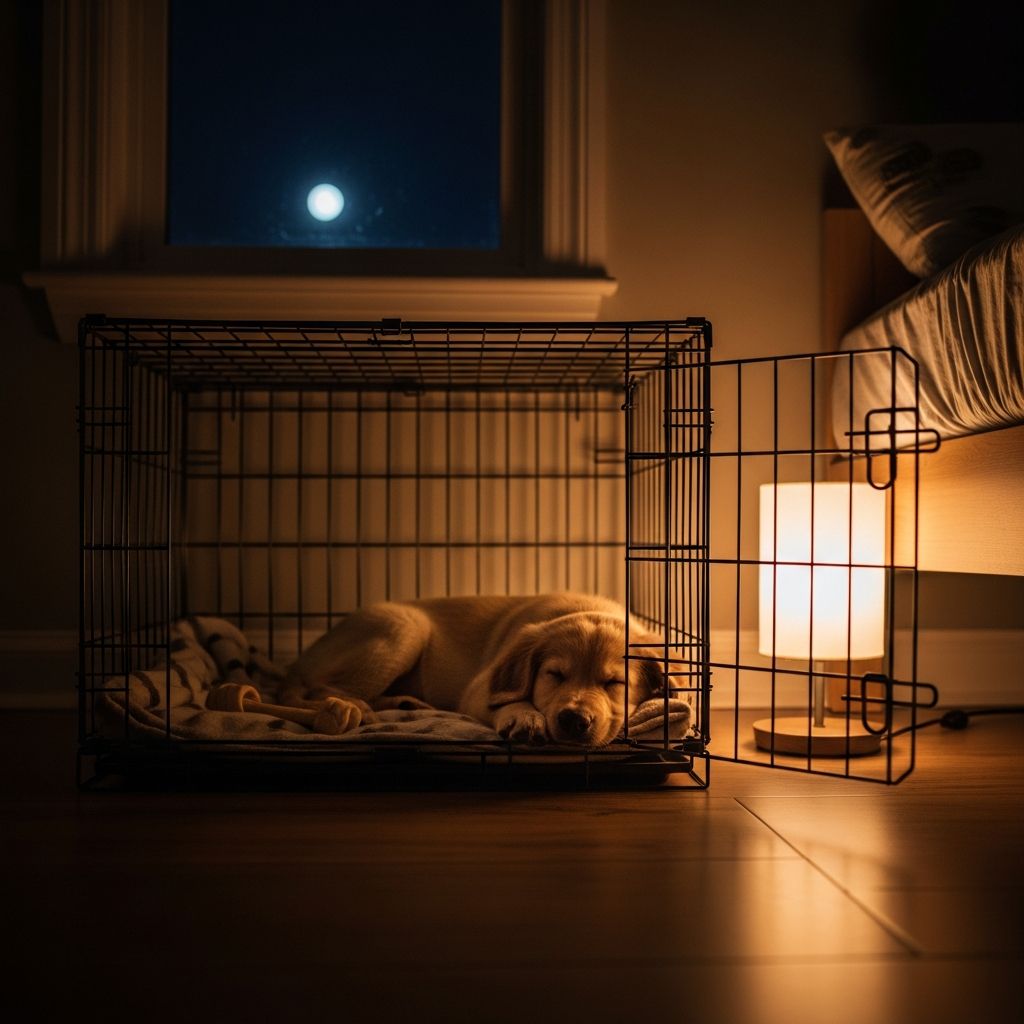
Bringing a new puppy home brings joy but also challenges, especially ensuring they sleep well at night. Crate training at night helps puppies feel secure while promoting house training and preventing accidents. This guide provides a fresh approach to making the process smooth for both you and your pup.
Why Crate Training Matters for Overnight Success
Crate training mimics a den, a natural safe space for dogs, reducing anxiety and encouraging bladder control. Puppies under 12 weeks often can’t hold their needs long, so strategic crating prevents messes and builds confidence. Consistent nighttime use lays the foundation for independent sleeping later.1
Benefits include faster housebreaking, as puppies avoid soiling their space, and better overall behavior through routine. Start early to avoid habits like crying for attention.
Selecting the Perfect Crate for Nighttime Use
Choose a crate sized just right: large enough for your puppy to stand, turn, and lie down comfortably, but not so big they can potty in one corner. For growing breeds, opt for dividers to adjust space.2
| Crate Type | Pros | Cons | Best For |
|---|---|---|---|
| Plastic (Airline) | Blocks light, secure feel | Less airflow | Nighttime confinement |
| Wire/Metal | Good ventilation, visibility | More light/noise | Daytime training |
| Fabric | Lightweight, portable | Less durable | Travel |
Plastic crates excel for nights by creating a cozy, dark environment. Measure your puppy: length from nose to tail base plus 2-4 inches, height to top of head plus 2-4 inches.
Setting Up a Cozy Crate Environment
Make the crate inviting with soft bedding, a blanket from the breeder carrying familiar scents, and a heartbeat toy to soothe separation anxiety. Avoid water overnight to minimize accidents.1
- Add a chew toy or stuffed Kong for comfort.
- Cover three sides with a breathable blanket to muffle sounds and block light.
- Ensure ventilation; use a light sheet in warm weather.
Position the crate in your bedroom initially so your puppy hears your breathing, easing the transition from littermates.
Building a Consistent Bedtime Routine
A predictable routine signals sleep time. Feed dinner 3-4 hours before bed, follow with play to tire them out, then calm decompression like gentle chewing.
- Last potty break: Calm walk, no excitement.
- Quiet crate entry with treats.
- Dim lights, white noise machine for sound masking.
Physical exercise like fetch burns energy, but end with low-key activities to avoid overstimulation. A tired puppy settles faster.4
Introducing the Crate During the Day First
Don’t reserve the crate for nights; use it daytime to build positive associations. Feed meals inside with door closed, practice short stays with treats.
- Start with 5-minute sessions, gradually increase.
- Use a “crate” cue and reward voluntary entry.
- Combine with playpen for longer absences.
This prevents the crate from becoming a punishment and accelerates nighttime acceptance.2
Handling Whining and Barking Effectively
Puppies may protest initially. Ignore attention-seeking cries but respond to genuine needs like potty signals. Wait for 10-30 seconds of quiet before opening the door.
Differentiate: Sharp whines might mean potty; persistent barking could be play requests. Take out silently, potty, then back in without fuss. Consistency breaks the cycle.
Nighttime Potty Schedules by Age
Puppies’ bladder capacity grows with age. Use this guide for breaks:
| Puppy Age | Max Crate Time (Hours) | Night Breaks Needed |
|---|---|---|
| 8-10 weeks | 2-3 | Every 2-3 hours |
| 11-14 weeks | 3-4 | Every 3-4 hours |
| 15-16 weeks | 4-6 | 1-2 times |
| 4-6 months | 6-7 | Possibly none |
Extend overnight as they sleep; set alarms initially. By 16 weeks, many manage 6-7 hours.2
Transitioning to Independent Sleeping
Once reliable (2-3 weeks), gradually move the crate farther from your bed, then to desired spot. Maintain routine to avoid regression.
If issues arise, revert to bedroom placement temporarily. Patience yields a puppy that sleeps through the night.
Common Mistakes and How to Avoid Them
- Too large crate: Leads to accidents; use dividers.
- Inconsistent response to cries: Teaches manipulation; stick to plan.
- No daytime practice: Makes nights harder; integrate daily.
- Overstimulation before bed: Opt for calm play.
Enhancing Comfort with Helpful Products
Heartbeat simulators and snuggle toys replicate litter comfort. Quality treats for positive reinforcement speed learning.
Frequently Asked Questions
Should I lock the crate door at night?
Yes, for safety and training, but ensure comfort to prevent escape attempts.
How long until my puppy sleeps through the night?
Typically 4-6 months, varying by breed and individual.
What if my puppy has accidents in the crate?
Clean thoroughly, more frequent breaks, check size.
Can I use a playpen instead?
Temporarily, but crates better for house training.
Is covering the crate always necessary?
Helpful for most, but monitor temperature.
Long-Term Benefits of Crate Training
Beyond nights, trained puppies travel better, stay calm during vet visits, and mature into adaptable adults. Invest time now for lifelong ease.
Every puppy progresses differently; celebrate small wins. With dedication, restful nights await.
References
- Puppy First Night + Crate Training — Zen Dog Training. Accessed 2026. https://zendogtraining.net/puppy-first-night-crate-training/
- Crate Training Your Puppy at Night — Preventive Vet. Accessed 2026. https://www.preventivevet.com/dogs/crate-training-at-night-for-puppies
- The Ultimate Guide To Crate Training Your Puppy — Eukanuba. Accessed 2026. https://www.eukanuba.com/articles/training/how-to-crate-train-your-new-puppy
- From Chaos to Calm: How to Crate Train a Puppy at Night — Bronte Glen. Accessed 2026. https://www.bronteglen.co.uk/blog/crate-training-a-puppy-at-night/
- How To Crate Train Your Dog — PAWS.org (Official Animal Shelter). 2023. https://www.paws.org/resources/how-to-crate-train-your-dog/
Similar Articles








Read full bio of medha deb




