

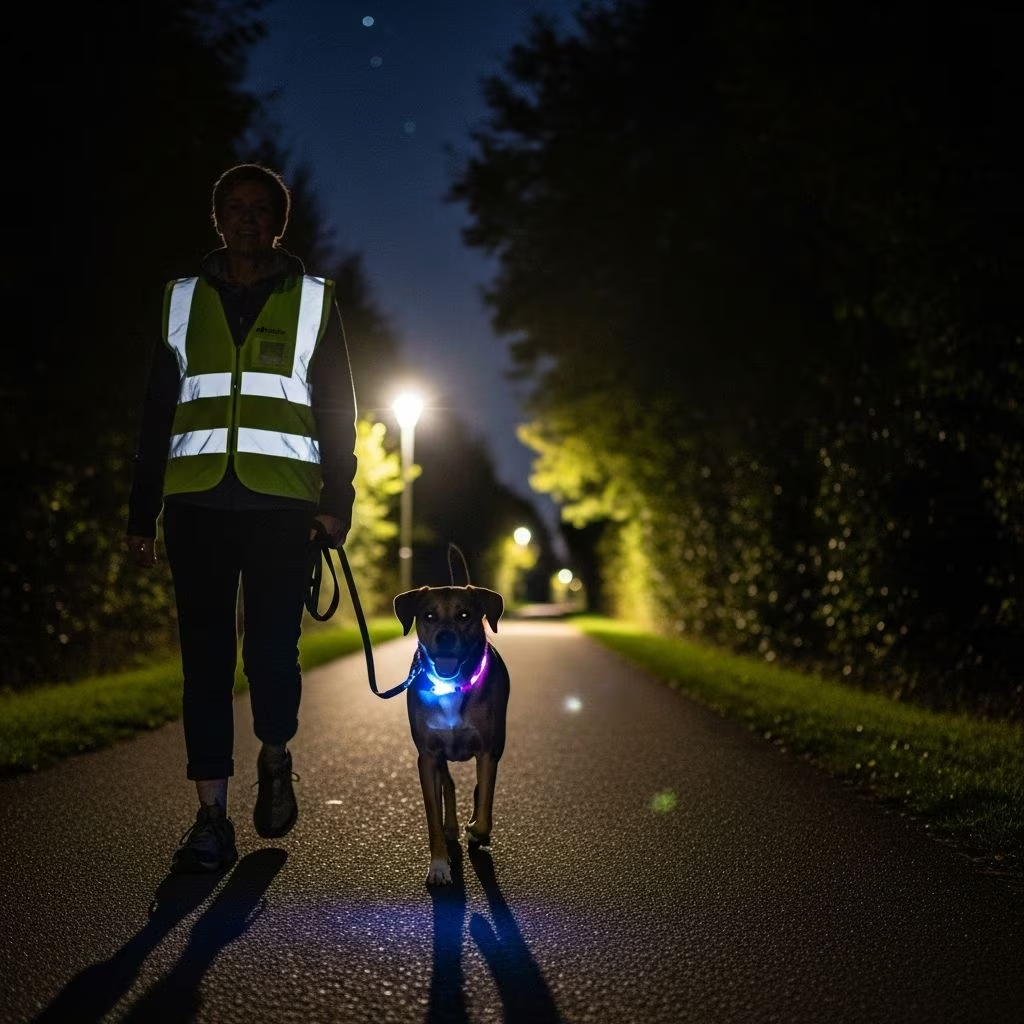
Walking your dog after sunset offers benefits like cooler temperatures and fewer crowds, but it introduces unique challenges such as reduced visibility and heightened accident risks. According to the U.S. Department of Transportation, 76% of pedestrian fatalities occur at night, underscoring the need for proactive measures. This guide provides comprehensive strategies to keep both you and your canine companion secure during these evening adventures.
Understanding Nighttime Risks for Walkers and Pets
Darkness amplifies dangers on familiar paths. Drivers and cyclists struggle to spot pedestrians, increasing collision chances. Uneven sidewalks, debris, or hidden obstacles like glass shards become tripping hazards. Scavenging dogs may ingest toxic items unnoticed in the low light. Wildlife encounters, such as coyotes or raccoons, rise in urban and suburban areas, potentially startling even trained pets. Women and older individuals face elevated personal safety concerns when alone after dark. Weather factors like ice in winter add slip risks, demanding heightened caution.
Boosting Visibility: Gear That Lights the Way
Visibility forms the cornerstone of safe night walks. Equip yourself and your dog with items that reflect light from vehicle headlights or emit their own glow.
- Reflective vests and collars: These bounce back ambient light, making you detectable from afar. Opt for full-coverage options for dogs.
- LED lights and collars: Clip-on or integrated LEDs in red or white provide active illumination. Red hues stand out best to the human eye at distance.
- Headlamps and flashlights: Hands-free headlamps light your path without restricting leash control. Pair with phone flashlight apps for backup.
- High-visibility clothing: Choose light-colored or fluorescent apparel over dark fabrics to enhance your profile.
For dogs, harnesses with built-in reflectors offer superior control over collars alone, preventing escape attempts in startling situations.
Selecting Secure Routes and Timing
Route choice dramatically influences safety. Prioritize paths that balance exercise needs with low risk.
| Route Type | Pros | Cons | Recommendation |
|---|---|---|---|
| Well-lit streets | Streetlights aid visibility; traffic predictable | Vehicle proximity | Ideal; walk against traffic |
| Familiar neighborhoods | Known obstacles; fewer surprises | Potential repetition boredom | Primary choice |
| Parks or trails | Space for play | Dark spots, wildlife | Avoid alone at night |
| Unlit alleys/shortcuts | Quick | High hazard, isolation | Never use |
Stick to routes you both know intimately to anticipate hazards. Walk against oncoming traffic, positioning your dog on the inside lane for added protection. Schedule walks during peak hours with more pedestrian activity if possible, avoiding deepest night hours.
Essential Equipment for Control and Protection
Proper gear ensures you maintain authority over your dog amid distractions.
- Short leashes (4-6 feet): Provide close control without retractables, which tangle easily in dark.
- Harnesses over collars: Distribute pressure evenly, ideal for pullers or reactive dogs.
- ID tags and microchips: Vital if separation occurs; update contact info regularly.
- Multi-tools: Items like the Spleash Leash combine hydration with defense via water squirt against predators.
Carry waste bags, water, and poop scoopers to respect communities and avoid fines.
Maintaining Awareness: Ditch Distractions
Full sensory engagement prevents mishaps. Keep earbuds out or volume minimal to hear approaching vehicles, animals, or people. Pocket your phone except for emergencies—scrolling diverts attention from your dog’s cues or path hazards. Scan ahead for glowing animal eyes, a telltale wildlife sign. Your calm, observant demeanor reassures your dog, reducing reactive behaviors.
Personal and Pet Defense Strategies
Prepare for threats like aggressive strays or wildlife.
- Noise makers: Air horns or whistles deter animals effectively without harm.
- Personal alarms: Clip-on devices emit piercing sounds for human threats.
- Buddy system: Inform a contact of your route and share live location via apps.
- Group walks: Join local dog owner groups for mutual safety.
For hydration and defense, multi-purpose items like spray bottles keep predators at bay while refreshing your pup.
Weather and Seasonal Adjustments
Adapt to conditions: In cold months, watch for black ice—test surfaces with your foot. Hot climates favor nights, but check paws for hot pavement residue. Rain slicks paths; use grippy shoes and leashes. Apps for weather and GPS tracking add layers of preparedness.
Training for Nighttime Confidence
Condition your dog to night walks gradually. Start in lit areas, introducing gear positively with treats. Practice recall and calm responses to shadows or noises. Reactive dogs benefit from desensitization sessions with professionals. Confident pets make safer walkers.
Common Mistakes to Avoid
- Assuming off-leash is fine in quiet areas—sudden stimuli change behaviors.
- Overlooking gear fit—loose items fail when needed.
- Ignoring fatigue—shorten walks if either tires.
- Forgetting post-walk checks—inspect paws for cuts or thorns.
FAQs: Nighttime Dog Walking
What if my dog refuses reflective gear?
Introduce slowly with high-value treats; use lightweight clip-ons as starters. Comfort outweighs style.
Is a retractable leash okay at night?
No—opt for fixed short leads for reliable control in low light.
How do I handle wildlife sightings?
Make noise, back away slowly, avoid running. Leash tight and head home.
Best lights for color-blind dogs?
Dogs see blue/yellow best; white LEDs suffice, but red aids human spotters.
Safe alone as a solo walker?
Possible with precautions, but groups or trackers enhance security.
Advanced Tech for Modern Walkers
GPS collars track runaways in real-time. Apps map lit routes and alert to hazards. Smart lights auto-activate at dusk. These tools complement basics for tech-savvy owners.
Implementing these practices transforms night walks from risky routines into rewarding rituals. Prioritize preparation, and enjoy bonding under the stars safely.
References
- 7 Practical Tips for Walking Your Dog at Night — Rover.com. Accessed 2026. https://www.rover.com/blog/how-to-safely-walk-dog-at-night/
- 5 Crucial Tips for Walking a Dog at Night — Chewy.com. Accessed 2026. https://www.chewy.com/education/dog/pet-parenting/walking-dog-at-night
- Dog Walking at Night: Dangers and Safety Tips — VEG ER for Pets. Accessed 2026. https://www.veg.com/post/dog-walking-at-night-dangers-and-safety-tips
- Nighttime Dog Walking Safety: A Vet Approved Guide for 2025 — Askavet.com. 2025. https://askavet.com/blogs/news/nighttime-dog-walking-safety-a-vet-approved-guide-for-2025-%F0%9F%8C%99%F0%9F%90%B6
- Walking Your Dog at Night: Essential Safety Tips — J-B Pet Supplies. 2020-10. https://www.jbpet.com/content/blog/2020107368384942048/



