

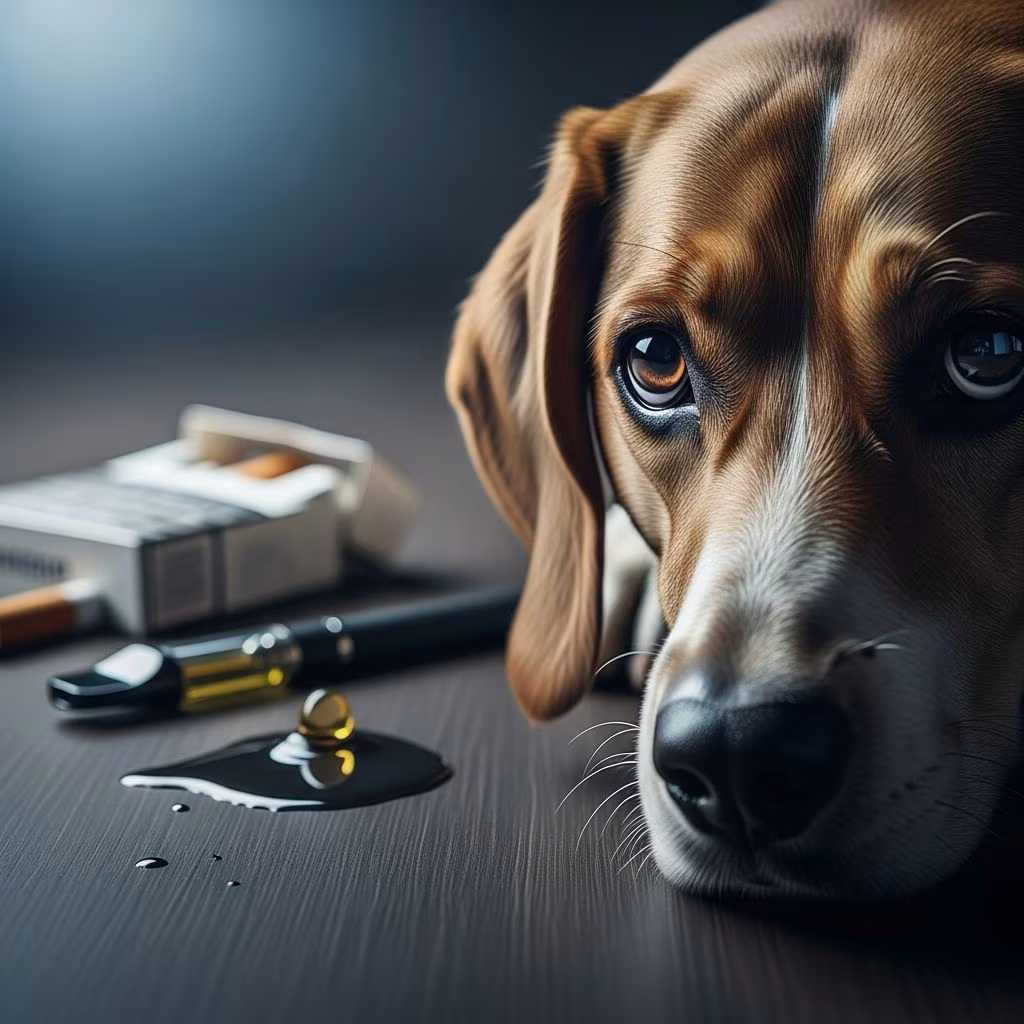
Dogs face significant risks from nicotine, a potent toxin found in everyday items like cigarettes, e-cigarettes, and chewing tobacco. Even small amounts can trigger severe reactions, often within minutes, making swift action essential for survival. This guide explores the mechanics of nicotine poisoning, its manifestations, response protocols, and protective measures to keep canine companions safe.
How Nicotine Enters a Dog’s System
Nicotine poisoning typically occurs through ingestion, though skin contact or inhalation can contribute. Common culprits include discarded cigarette butts, which pack high nicotine concentrations—up to 25mg per butt—alongside e-liquids boasting 50mg/ml or more. Dogs, driven by curiosity, readily chew these appealing items, mistaking them for treats due to flavors in vapes or sweetness in some tobaccos.
Absorption happens quickly via the gastrointestinal tract, with stomach acids initially slowing but not halting uptake. Once in the bloodstream, nicotine stimulates acetylcholine receptors, overexciting the nervous system. Low doses spark stimulation; higher ones lead to paralysis and collapse. Dogs metabolize nicotine in the liver, excreting it via kidneys, a process accelerated by acidic urine.
- Oral ingestion: Most frequent, from butts, cigars, or vape pods.
- Dermal exposure: Liquids on paws or fur licked off.
- Inhalation: Rare but possible near vaping devices.
Recognizing the Warning Signs
Symptoms emerge 15-60 minutes post-exposure, progressing from mild gastrointestinal upset to life-threatening crises. Initial excitement gives way to depression as toxicity mounts. Vigilance for these phased indicators can mean the difference between recovery and tragedy.
| Phase | Symptoms | System Affected |
|---|---|---|
| Early (Low Dose) | Vomiting, drooling, agitation, rapid heart/breathing | Gastrointestinal, Cardiovascular |
| Moderate | Tremors, unsteadiness, weakness, hypertension | Neurologic |
| Severe (High Dose) | Seizures, paralysis, slow breathing, coma, cardiac arrest | Respiratory, Central Nervous |
Observe for hypersalivation, diarrhea, ataxia (drunken gait), mydriasis (dilated pupils), and cyanosis (bluish gums). Lethal doses hover at 9-12mg/kg for dogs; a single butt might deliver 2-4mg/kg to a 10kg pup.
Immediate Response: What to Do First
Never delay—contact a vet or poison hotline instantly upon suspicion. Do not induce vomiting at home; risks outweigh benefits without professional oversight. Transport safely, avoiding antacids that neutralize stomach acid and hasten absorption.
- Secure the scene: Remove access to nicotine sources.
- Call emergency vet services with details: product type, amount, time elapsed.
- Monitor vitals en route: Note breathing, pulse, consciousness.
Professional Treatment Approaches
Veterinary intervention focuses on decontamination, stabilization, and symptom control, sans specific antidote. Success hinges on rapid presentation; surviving initial hours boosts odds dramatically.
Decontamination: If under an hour post-ingestion, vets induce vomiting with safe agents, follow with gastric lavage and multiple-dose activated charcoal to bind toxin. IV lipids sometimes aid in severe cases.
Supportive Care: IV fluids maintain hydration, blood pressure, and toxin flushing. Anti-emetics curb vomiting; muscle relaxants or anticonvulsants tame tremors/seizures. Oxygen or ventilation supports respiration; cardiac drugs address arrhythmias.
Hospitalization spans 24-48 hours typically, with urine acidification hastening clearance. Prognosis excels for low exposures (excellent recovery); high doses demand first-4-hour stabilization for fair-to-good outcomes.
Factors Influencing Severity and Outlook
Dose, product concentration, dog size, and timeliness dictate gravity. Small breeds succumb faster to minimal quantities. Pre-existing conditions like heart disease worsen risks. Post-recovery, most dogs resume normalcy without residuals if managed promptly; prolonged seizures risk organ damage.
- Good Prognosis: <4mg/kg, treated immediately.
- Guarded: 4-9mg/kg, symptoms controlled early.
- Poor: >12mg/kg, delayed care.
Prevention: Securing Your Home
Proactive steps avert tragedy cost-effectively. Store all nicotine out of reach: lock cabinets, dispose butts securely, never leave vapes charging unattended.
- Educate household on risks, especially with flavored e-products luring dogs.
- Use child-proof containers for tobacco; empty ashtrays promptly outdoors.
- Supervise outdoor romps near smokers; train ‘leave it’ commands.
- For nicotine replacement therapies (patches/gums), treat as hazards.
Regular home audits and awareness campaigns underscore vigilance as paramount defense.
Special Considerations for E-Cigarettes
Vaping products amplify threats via concentrated, flavored liquids. A spilled pod or chewed cartridge delivers massive doses rapidly. Additional toxins like propylene glycol compound issues. Bathe dermal exposures thoroughly; ocular rinses prevent burns.
FAQs on Canine Nicotine Poisoning
Q: How much nicotine kills a dog?
A: Roughly 9-12mg/kg body weight proves fatal without intervention.
Q: Can my dog recover fully?
A: Yes, most do with prompt care; survival past 4 hours signals strong recovery prospects.
Q: Is secondhand smoke dangerous?
A: Chronic exposure irritates but rarely causes acute poisoning; ingestion remains primary threat.
Q: What if my dog ate a cigarette butt?
A: Seek vet care urgently—even one can toxify small dogs.
Q: How to dispose of nicotine waste safely?
A: Seal in bags, trash securely; avoid accessible bins.
Long-Term Management and Awareness
Post-incident, monitor for delayed effects like behavioral shifts. Promote pet-safe homes via community education. Vets advocate routine toxidrome awareness in checkups. By grasping nicotine’s perils, owners empower healthier lives for furry friends.
References
- Nicotine Poisoning Treatment in Pets — Pet Poison Helpline. 2023. https://www.petpoisonhelpline.com/pet-tips/nicotine-poisoning-treatment-in-pets/
- Nicotine poisoning in a dog — PubMed (Veterinary and Human Toxicology). 1990-06. https://pubmed.ncbi.nlm.nih.gov/2264269/
- Nicotine (Cigarette) Poisoning in Pets — Mar Vista Animal Medical Center. 2023. https://www.marvistavet.com/nicotine-cigarette-poisoning-in-pets.pml
- Nicotine Toxicity in Pets — MSPCA-Angell. 2023. https://www.mspca.org/angell_services/nicotine-toxicity/
- Nicotine Poisoning in Dogs and Cats — BluePearl Pet Hospital. 2023. https://bluepearlvet.com/medical-library-for-dvms/e-cigarettes-not-just-dangerous-to-humans/
- Tobacco (Nicotine) Poisoning in Dogs — PetMD. 2023. https://www.petmd.com/dog/poisoning/tobacco-nicotine-poisoning-dogs
- Nicotine & Tobacco — American College of Veterinary Pharmacists. 2023. https://vetmeds.org/pet-poison-control-list/nicotine-tobacco/



