

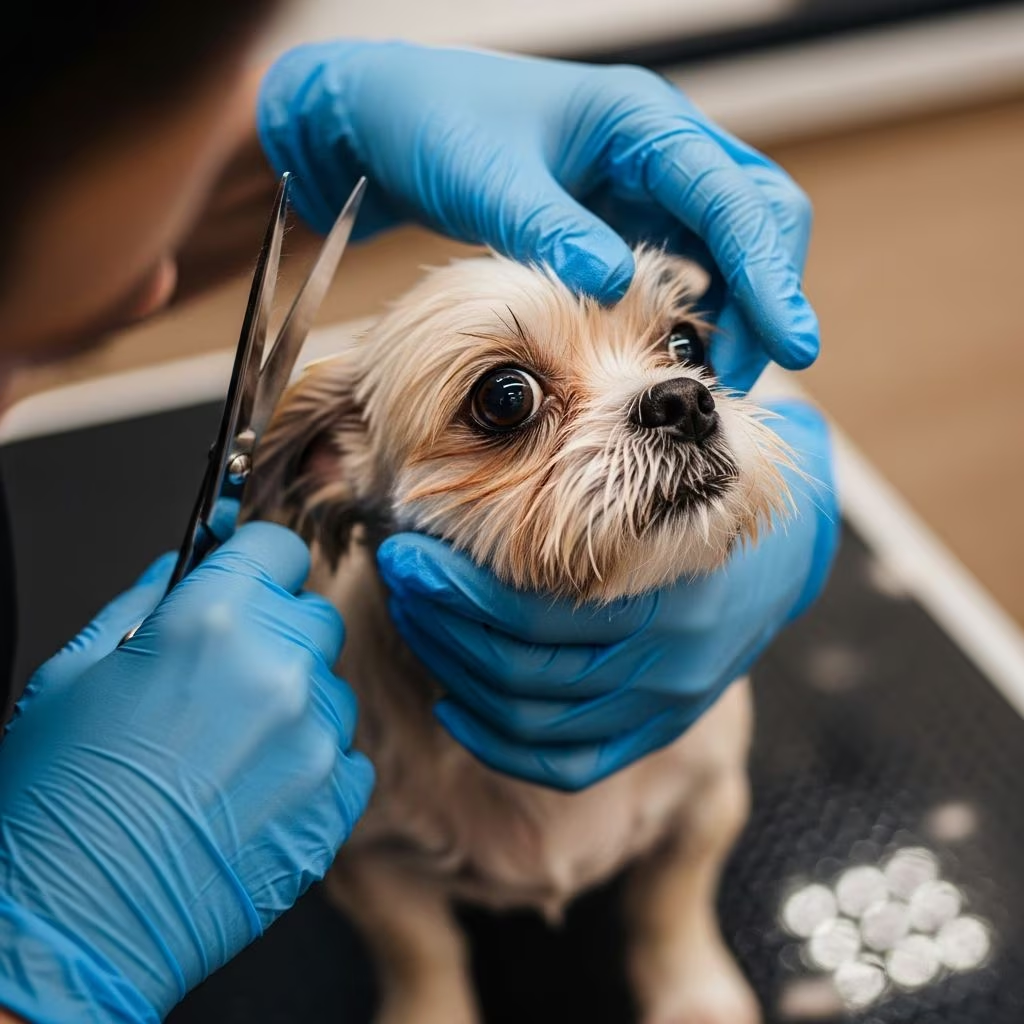
The heartbreaking news of Nicola Peltz Beckham’s dog Nala passing away after a routine grooming session has left pet owners worldwide reeling. The 2-year-old pup, who was perfectly healthy upon arrival, tragically did not survive the visit. Celebrity dog groomer Jess Rona, known for styling the pets of stars like Lady Gaga and Jennifer Aniston, stepped forward with essential safety tips to prevent such devastating incidents. With millions of dogs groomed annually, understanding these precautions can make all the difference in keeping your furry family member safe.
Grooming is vital for a dog’s health, helping prevent matting, infections, and discomfort. However, when done improperly, it can lead to serious risks including stress-induced health crises, injuries from equipment, or chemical exposures. This comprehensive guide draws directly from Jess Rona’s expert advice, expanded with practical steps every pet parent should follow. By choosing the right groomer, preparing your dog, and knowing warning signs, you can ensure grooming remains a positive experience.
Understanding What Happened to Nala
Nala, Nicola Peltz’s beloved Maltese, entered the groomer in perfect health but suffered a fatal reaction shortly after. While exact details remain under investigation amid Peltz’s lawsuit against the grooming salon, the incident underscores rare but real dangers in professional pet care. Stress from loud dryers, improper restraint, or underlying undetected conditions can trigger cardiac events or respiratory distress in small breeds like Maltese, who are prone to tracheal collapse.
Jess Rona emphasizes that most grooming accidents are preventable with proper protocols. She notes that healthy dogs shouldn’t experience adverse events from standard services like bathing and trimming. This tragedy highlights the need for transparency, skilled staff, and client vigilance. Pet owners must advocate for their dogs, asking critical questions before drop-offs and monitoring post-visit behavior closely.
Choose a Reputable Groomer: Your First Line of Defense
Selecting the right grooming facility is paramount. Not all salons operate with the same standards, so research is key. Look for establishments certified by organizations like the National Dog Groomers Association of America (NDGAA), which requires rigorous training and safety adherence.
- Check certifications and experience: Ensure groomers have completed at least 100 hours of training and hold certifications in pet first aid. Avoid places relying solely on on-the-job training.
- Read reviews thoroughly: Focus on recent feedback mentioning safety, gentleness, and post-grooming health. Platforms like Yelp or Google should show consistent positive patterns, not isolated complaints.
- Visit in person: Observe cleanliness, equipment condition, and how dogs are handled. Cages should be spacious and well-ventilated; dryers never aimed directly at faces.
- Ask about protocols: Inquire on sedation policies (none should be used without vet approval), stress reduction techniques, and emergency procedures including nearby vet partnerships.
Jess Rona recommends starting with mobile groomers for anxious dogs, as they eliminate transport stress and salon noise. Reputable mobile services like those Rona offers come to your home with portable, safe equipment tailored to individual needs.
Prepare Your Dog Before the Grooming Appointment
Preparation minimizes stress and risks. A calm, conditioned dog is less likely to panic during handling.
- Acclimate to grooming tools at home: Introduce brushes, clippers (powered off), and blow dryers gradually with treats. This desensitization prevents fear responses that could lead to slips or bites.
- Bathe regularly yourself: Keep coats manageable between pro visits to shorten session times, reducing fatigue.
- Provide health history: Share vet records, allergies, medications, and breed-specific vulnerabilities (e.g., brachycephalic breeds like Pugs risk breathing issues under dryers).
- Fast if clipping: Avoid heavy meals 4-6 hours prior to prevent aspiration during sedation-free procedures, though fasting isn’t needed for baths.
For seniors or pups with heart conditions, request vet release forms. Jess Rona advises against grooming heat-sensitive breeds in summer without cooling measures like fans and breaks.
During the Grooming Session: What to Monitor
Opt for monitored or drop-in services where possible, allowing real-time oversight.
| Red Flag | Safe Practice |
|---|---|
| Caged drying with hot air | Hand drying or cool, low-velocity dryers in open areas |
| Sedation without prescription | Anxiety wraps, pheromone diffusers, or gentle restraint |
| Overcrowded salon | Appointments spaced for individualized attention |
| No staff supervision | Constant visual checks via cameras or walkthroughs |
Jess Rona stresses verbal communication: instruct no muzzles on calm dogs, as they heighten stress, and prefer slicker brushes over harsh blades on sensitive skin. Request updates via text or video during longer sessions.
Post-Grooming Care: Watch for Warning Signs
The first 24-48 hours post-groom are critical. Nala’s case illustrates delayed reactions.
- Monitor behavior: Lethargy, coughing, vomiting, or reluctance to eat signal issues. Small dogs may hide distress.
- Check skin and coat: Look for razor burns, hot spots, or chemical residue smells indicating improper products.
- Observe breathing: Panting, wheezing, or blue gums require immediate vet care—possible tracheal or heart strain.
- Follow up: Schedule a vet check if any oddity persists beyond mild fatigue.
Hydrate generously and avoid strenuous activity for 24 hours. Rona suggests probiotic treats to counter bath-induced gut upset.
Advanced Safety Measures from Jess Rona
As a celebrity groomer with over a decade of experience, Jess Rona shares pro-level insights:
- Use vet-grade products: Hypoallergenic, pH-balanced shampoos prevent dermatitis. Avoid human products with harsh sulfates.
- Breed-specific techniques: Double-coated breeds like Huskies need de-shedding without undercoat shaving to preserve insulation.
- Stress audits: Calm environments with classical music and aromatherapy reduce cortisol spikes.
- Insurance and waivers: Reputable salons carry liability coverage; review terms carefully.
Rona’s salon employs heart rate monitors for at-risk dogs and partners with emergency vets within 5 miles. She trains staff in canine CPR, a skill every groomer should possess.
Legal Recourse and Industry Standards
In Nala’s aftermath, Peltz filed suit alleging negligence, emotional distress, and violations of animal care laws. This case may spur stricter regulations. Currently, no federal grooming standards exist, but states like California mandate licensing. Pet owners should document everything: intake forms, photos before/after, and communications.
Report incidents to local animal control and boards like the Bureau of Animal Regulation. Joining advocacy groups pushes for nationwide safety reforms.
Frequently Asked Questions (FAQs)
How often should I groom my dog?
Depends on breed: short coats every 6-8 weeks; long coats bi-weekly. Regular at-home brushing extends intervals.
Is mobile grooming safer?
Often yes, due to controlled environments and no exposure to other dogs’ germs or chaos.
What if my dog has anxiety?
Choose fear-free certified groomers using positive reinforcement. Consider vet-prescribed mild sedatives for severe cases.
Can grooming cause heart attacks?
Rarely, but stress plus pre-existing conditions can. Always disclose health history.
How do I know if products are safe?
Seek natural, tear-free formulas without parabens or artificial dyes. Patch test at home first.
Conclusion: Empower Yourself as Your Dog’s Advocate
The loss of Nala is a wake-up call, but armed with Jess Rona’s tips, you can navigate grooming confidently. Prioritize certified pros, prepare thoroughly, and stay vigilant. Your diligence ensures spa days are joyful, not risky. Share these guidelines to protect more pups—because every dog deserves safe pampering.
(Word count: 1678)
References
- Pet Grooming Safety Guidelines — National Dog Groomers Association of America (NDGAA). 2024-06-15. https://www.nationaldoggroomers.com/safety-guidelines
- Canine Stress and Grooming Risks — American Veterinary Medical Association (AVMA). 2023-11-20. https://www.avma.org/resources-tools/pet-owners/petcare/grooming-safety
- Tracheal Collapse in Toy Breeds — Merck Veterinary Manual (Merck & Co.). 2025-01-10. https://www.merckvetmanual.com/dog-owners/lung-and-airway-disorders-of-dogs/tracheal-collapse-in-dogs
- Fear Free Grooming Certification Standards — Fear Free Pets (Certified by AVMA). 2024-09-05. https://fearfreepets.com/professionals/grooming
- California Pet Grooming Regulations — California Department of Consumer Affairs. 2024-03-12. https://www.dca.ca.gov/publications/professional-services.shtml



