

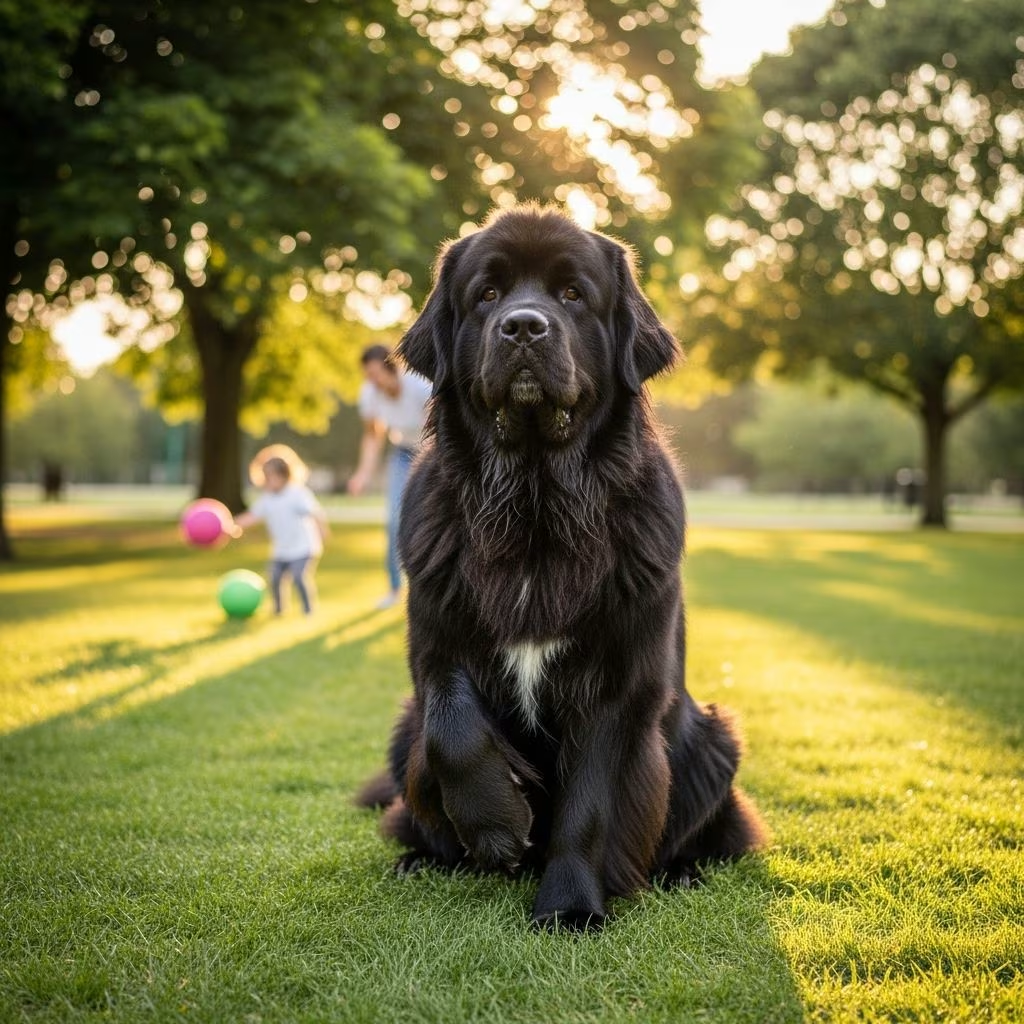
Newfoundland dogs, often called Newfies, are massive working breeds renowned for their calm demeanor and affectionate personality rather than any aggressive tendencies. These dogs typically weigh 100-150 pounds and stand 26-28 inches tall, yet they embody a sweet, patient nature that makes them exceptional family companions.
Origins and Historical Role of Newfoundlands
The Newfoundland breed traces its roots to the rugged coasts of Newfoundland, Canada, where it was developed as a versatile working dog. Fishermen relied on these powerful swimmers to haul nets, rescue drowning individuals, and even carry supplies across icy waters. Their webbed feet and water-resistant double coat made them ideal for aquatic tasks, while their strength allowed them to manage heavy loads on land.
Historically, Newfoundlands earned fame for heroic rescues, including saving people from shipwrecks. This legacy of service shaped their temperament: loyal, brave, and protective without inherent aggression. Breed standards emphasize a sweet disposition as the defining trait, prioritizing gentleness over ferocity.
Over time, selective breeding preserved these qualities, distinguishing Newfoundlands from more guard-oriented breeds. Today, they serve primarily as companions, retaining their working heritage through activities like dock diving and therapy work.
Typical Temperament Traits
Newfoundlands are characterized by a mellow, easygoing personality that belies their imposing size. They are affectionate with family members, strangers, and other animals alike, often earning the nickname “nanny dog” for their patience with children.
- Calm and Patient: Unlike high-energy breeds, Newfies remain composed, preferring lounging to constant activity.
- Affectionate: They crave human interaction and form deep bonds, displaying loyalty through gentle nudges rather than exuberant jumps.
- Protective Instincts: Newfoundlands deter intruders with their sheer presence and deep bark, intervening physically if needed without unprovoked aggression.
Experts note that their temperament suits multi-pet households and families with kids, provided supervision occurs due to accidental knocks from their size.
Debunking Aggression Myths
Concerns about Newfoundland aggression often stem from their giant stature, leading to misconceptions. In reality, these dogs rank low on aggression scales; Britannica describes them as “fairly calm and easygoing,” playful yet non-confrontational.
Aggression in any dog arises from poor breeding, neglect, or inadequate training, not breed predisposition. Newfies rarely show dog-aggression or human-directed hostility when properly socialized. Videos and owner accounts highlight their sovereign protection style: standing firm to ward off threats without attack.
| Myth | Reality | Source Insight |
|---|---|---|
| Newfies are overly aggressive due to size | Gentle giants; size provides natural deterrence | Presence alone protects without need for bites |
| They fight with other dogs | Get along well with pets when socialized | Compatible with cats, dogs, kids |
| Poor with children | Ideal “nanny dogs” if trained early | Patient, tolerant of play |
AKC standards underscore sweetness as paramount, countering myths with breed history of compassion.
Factors Influencing Behavior
Several elements shape a Newfoundland’s demeanor, emphasizing nurture alongside nature.
Genetics and Breeding
Reputable breeders prioritize temperament testing, selecting for calm lineages. Poor breeding can yield anxious or willful pups, amplifying size-related issues like pulling.
Early Socialization and Environment
Expose puppies to diverse stimuli from 8-16 weeks to foster confidence. Lack thereof may cause fear-based reactions, though rare in this breed.
Health and Exercise
Obesity or joint issues from under-exercise can lead to irritability. Daily walks, swims, and mental games keep them balanced.
Separation anxiety affects some due to their people-oriented nature; counter with toys and routines.
Training Strategies for Success
Newfoundlands are intelligent but puppy-like in attention span, requiring positive reinforcement from day one. Their rapid growth demands early leash and obedience work to prevent overpowering handlers.
- Start Young: Puppy classes build foundation; use treats for commands like sit, stay.
- Consistency: Gentle corrections for willful moments; avoid harsh methods that erode trust.
- Water Work: Channel instincts with swimming to boost confidence and burn energy.
- Socialization Drills: Controlled meets with dogs, kids, strangers.
Owners report success with reward-based systems, yielding responsive adults.
Daily Care and Lifestyle Fit
These dogs thrive in spacious homes with yard access, tolerating apartments if exercised. Their thick coat sheds seasonally, demanding weekly brushing; drool is inevitable, so towels are essential.
- Grooming: Brush 2-3 times weekly; bathe monthly.
- Exercise: 30-60 minutes daily, preferring water over runs.
- Diet: High-quality food to manage weight; prone to bloat.
- Health: Screen for hip dysplasia, heart conditions; lifespan 8-10 years.
They bark to alert, not excessively, making them watchful without nuisance.
Are Newfoundlands Right for Your Family?
Families seeking a devoted, low-drama companion will adore Newfies, especially with active lifestyles including water play. Singles or seniors may struggle with strength, but their rewards—unwavering love, protective vigilance—outweigh challenges.
Consider allergies from shedding/drool and commitment to training. Well-raised, they embody gentle giant ideals.
Frequently Asked Questions (FAQs)
Do Newfoundland dogs make good family pets?
Yes, their gentle temperament excels with children and other pets when socialized early.
Are Newfoundlands aggressive toward strangers?
No, they are friendly but protective via presence, rarely showing hostility.
How much exercise do Newfies need?
Moderate: daily walks and swims suffice; avoid overexertion due to joint risks.
Do they bark a lot?
Occasionally for alerts, not habitually.
What’s the lifespan of a Newfoundland?
Typically 8-10 years with proper care.
Real Owner Experiences
Guardians praise Newfies as serene housemates, noting quick bonds and kid tolerance. Challenges include cleanup from shedding and managing puppy enthusiasm, but maturity brings calm.
References
- Newfoundland | Dog, Size, Lifespan & Temperament — Britannica. Accessed 2026. https://www.britannica.com/animal/Newfoundland-dog
- Newfoundland Dog Breed Health and Care — PetMD, Dr. Virginia LaMon, DVM. Accessed 2026. https://www.petmd.com/dog/breeds/newfoundland
- Newfoundland Breed Information Guide — Bark.co. Accessed 2026. https://bark.co/blogs/breeds/newfoundland-breed-information
- Newfoundland Dog Breed — Hill’s Pet. Accessed 2026. https://www.hillspet.com/dog-care/dog-breeds/newfoundland
- NEWFOUNDLAND TEMPERAMENT DEEPDIVE — Fenrir Newfoundland Show (YouTube). 2020-11-17. https://www.youtube.com/watch?v=xYsuA803VE8
- Newfoundland Dog Breed Information — American Kennel Club (AKC). Accessed 2026. https://www.akc.org/dog-breeds/newfoundland/



