

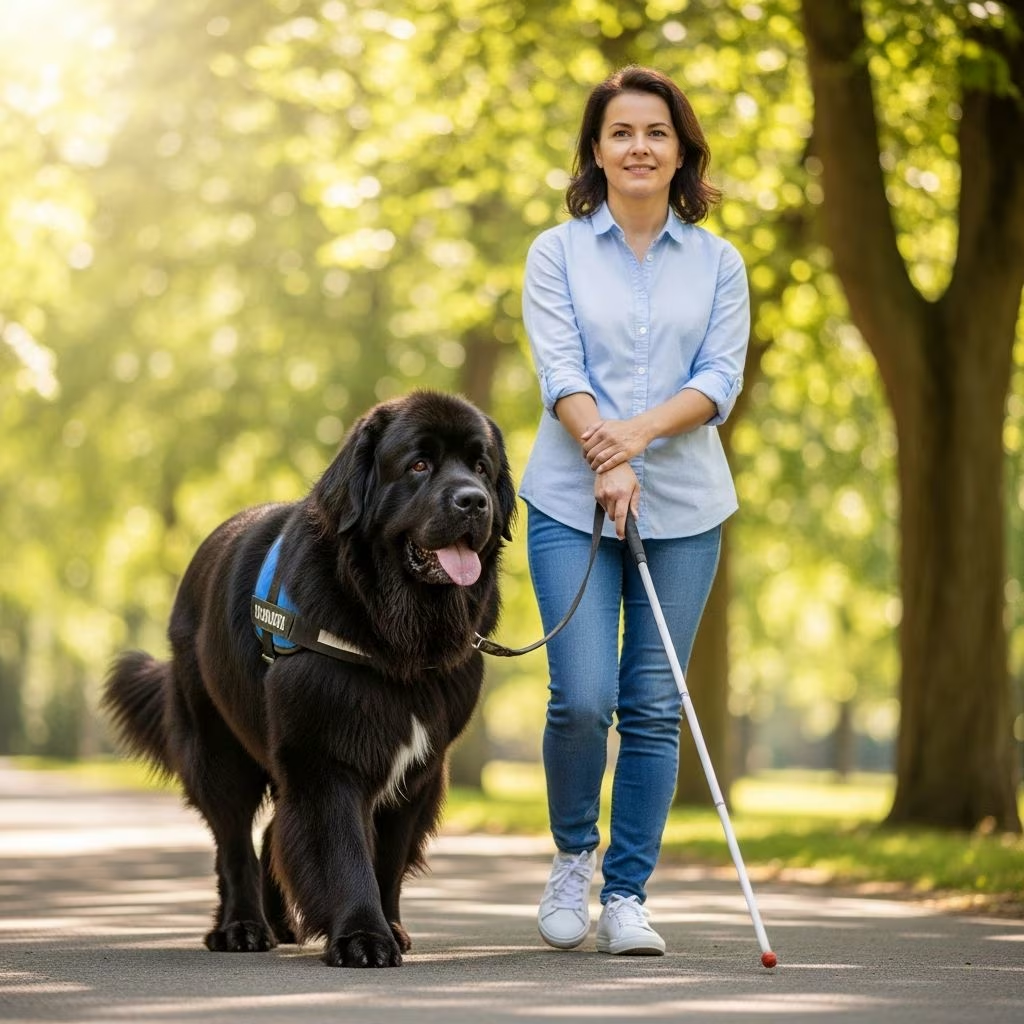
The Newfoundland, often called the Newfie, stands out as one of the most beloved large dog breeds due to its impressive size, gentle personality, and remarkable swimming abilities. Originating from Canada’s rugged coasts, this working dog combines strength with a nurturing disposition, making it an exceptional choice for families seeking a devoted companion.
Origins and Historical Role
Newfoundlands trace their roots to the island of Newfoundland, where they were bred by fishermen for demanding tasks in harsh maritime environments. These dogs assisted with hauling nets, retrieving escaped fish, and even rescuing people from icy waters, thanks to their muscular builds and natural affinity for swimming.
Historians note that Newfoundlands were vital to early colonial life, often serving as all-purpose workers on fishing boats. Their webbed feet and water-resistant double coats enabled them to thrive in cold seas, performing lifesaving feats that earned them a reputation as heroic rescuers. European explorers later brought them to the mainland, where they influenced breeds like the St. Bernard and Landseer.
- Bred primarily for fishing support and water rescue.
- Excelled in retrieving heavy loads and saving drowning victims.
- Contributed genetics to other large working breeds.
Physical Characteristics
Newfoundlands are true giants among dogs, with males typically reaching 28 inches at the shoulder and weighing 130-150 pounds, while females measure 26 inches and 100-120 pounds. Their broad heads, small close-set ears, and massive bones give them a dignified, bear-like appearance.
The breed’s hallmark is its dense double coat: a soft undercoat for insulation and a coarse, flat outer coat that repels water. Common colors include black, brown, black-and-white (Landseer), and occasionally gray. Webbed paws enhance propulsion in water, making them unparalleled swimmers.
| Trait | Male | Female |
|---|---|---|
| Height | 28 inches | 26 inches |
| Weight | 130-150 lbs | 100-120 lbs |
| Coat Colors | Black, Brown, Landseer | Same |
Despite their bulk, Newfoundlands move with surprising grace on land, though they lack agility for high-speed pursuits.
Temperament and Family Fit
Renowned as the “gentle giant,” the Newfoundland possesses a sweet, patient nature that endears it to families. They adore children, often acting as protective “nanny dogs,” patiently tolerating rough play while gently intervening if needed.
Intelligent and trainable, Newfies are watchful without being aggressive. They position themselves between family members and strangers as a subtle deterrent, barking only to alert rather than excessively. Their calm demeanor suits apartment living if exercise needs are met, though they thrive with yard space.
- Exceptionally gentle and affectionate with kids.
- Protective yet non-aggressive guardians.
- Social with other pets when properly socialized.
Daily interaction is crucial; isolation can lead to separation anxiety due to their people-oriented personalities.
Training and Socialization Essentials
From puppyhood, Newfoundlands demand consistent, positive reinforcement training to manage their rapid growth and strength. Puppies start small but quickly become powerful, capable of pulling owners off their feet if not taught leash manners early.
Positive methods with treats and praise work best for their eager-to-please mindset. Early socialization exposes them to various people, animals, and environments, curbing any strong-willed tendencies. They excel in obedience, therapy work, and water rescue training, leveraging their smarts and instincts.
Key training focuses:
- Leash walking to prevent pulling.
- Basic commands like sit, stay, and come.
- Water confidence building for natural talents.
Exercise and Lifestyle Needs
Though not hyperactive, Newfoundlands require moderate daily exercise to combat obesity, which shortens their 8-10 year lifespan. Swimming is ideal, mimicking their heritage, but walks, hikes, or yard romps suffice.
They adapt to home life but prefer cool climates; heat exacerbates drooling and shedding. Mental stimulation through puzzle toys or training sessions keeps them engaged without overexertion.
Grooming Demands
Maintaining a Newfoundland’s coat is a commitment. Brush weekly to remove dead undercoat, especially during shedding seasons, preventing mats. Daily wipe-downs manage drool, and monthly baths keep the coat clean.
Nail trims are vital to avoid splaying under their weight. Check ears and teeth regularly for infections common in giants.
- Weekly brushing: 30-45 minutes.
- Tools: Slicker brush, undercoat rake.
- Drool towels: Essential household item.
Health Considerations
Newfoundlands face breed-specific issues like hip dysplasia, elbow dysplasia, cystinuria, and subvalvular aortic stenosis. Responsible breeding from health-tested parents mitigates risks. Regular vet check-ups, weight management, and joint supplements support longevity.
A balanced diet formulated for large breeds prevents bloat and supports heart health. Monitor for signs of overheating due to their thick coats.
Nutrition Guidelines
Feed high-quality large-breed puppy food until 18-24 months, transitioning to adult formulas. Divide meals into 2-3 portions daily to reduce bloat risk. Fresh water access is non-negotiable, especially post-swim.
| Life Stage | Daily Calories (Approx) | Key Nutrients |
|---|---|---|
| Puppy | 2,000-3,000 | High protein, DHA for joints |
| Adult | 2,500-3,500 | Glucosamine, balanced fats |
| Senior | 2,000-2,500 | Joint support, lower calories |
Choosing a Newfoundland Puppy
Select breeders who prioritize health testing (OFA hips/elbows, cardiac exams). Puppies should be outgoing, from clean environments, and raised with human contact. Avoid backyard breeders; reputable sources ensure temperament and vitality.
Adopting from rescues offers mature Newfies needing forever homes.
Daily Life with a Newfie
Expect slobber trails, fur tumbleweeds, and a constant companion shadow. The rewards—unwavering loyalty, heroic instincts, and joyful cuddles—far outweigh the maintenance. Newfoundlands inspire awe in their blend of power and tenderness.
Frequently Asked Questions
Are Newfoundlands good with children?
Yes, their patient, gentle nature makes them excellent with kids, earning the “nanny dog” nickname.
Do Newfoundlands drool a lot?
They do, especially after drinking or in warm weather; keep towels handy.
How much exercise do they need?
30-60 minutes daily, preferably including swimming to stay fit.
What’s their lifespan?
Typically 8-10 years with proper care.
Are they easy to train?
Very, with positive methods; start early due to size.
Why Choose a Newfoundland?
For those ready for a lifetime commitment to grooming, exercise, and love, the Newfoundland offers unparalleled companionship. Their history of heroism lives on in every wagging tail and protective stance.
References
- The Ultimate Newfoundland Dog Breed Guide — YouTube. Accessed 2026. https://www.youtube.com/watch?v=AolB0WvjB7s
- Newfoundland Dog Breed — Hill’s Pet Nutrition. Accessed 2026. https://www.hillspet.com/dog-care/dog-breeds/newfoundland
- Newfoundland Dog Breed Health and Care — PetMD (Dr. Virginia LaMon, DVM). Accessed 2026. https://www.petmd.com/dog/breeds/newfoundland
- Newfoundland dog — Wikipedia (citing primary breed standards). Accessed 2026. https://en.wikipedia.org/wiki/Newfoundland_dog
- Newfoundland Breed Guide — GeniusVets. Accessed 2026. https://www.geniusvets.com/pet-care/learn/dogs/breeds/newfoundland
- Newfoundland Dog Breed Information — American Kennel Club. Accessed 2026. https://www.akc.org/dog-breeds/newfoundland/



