

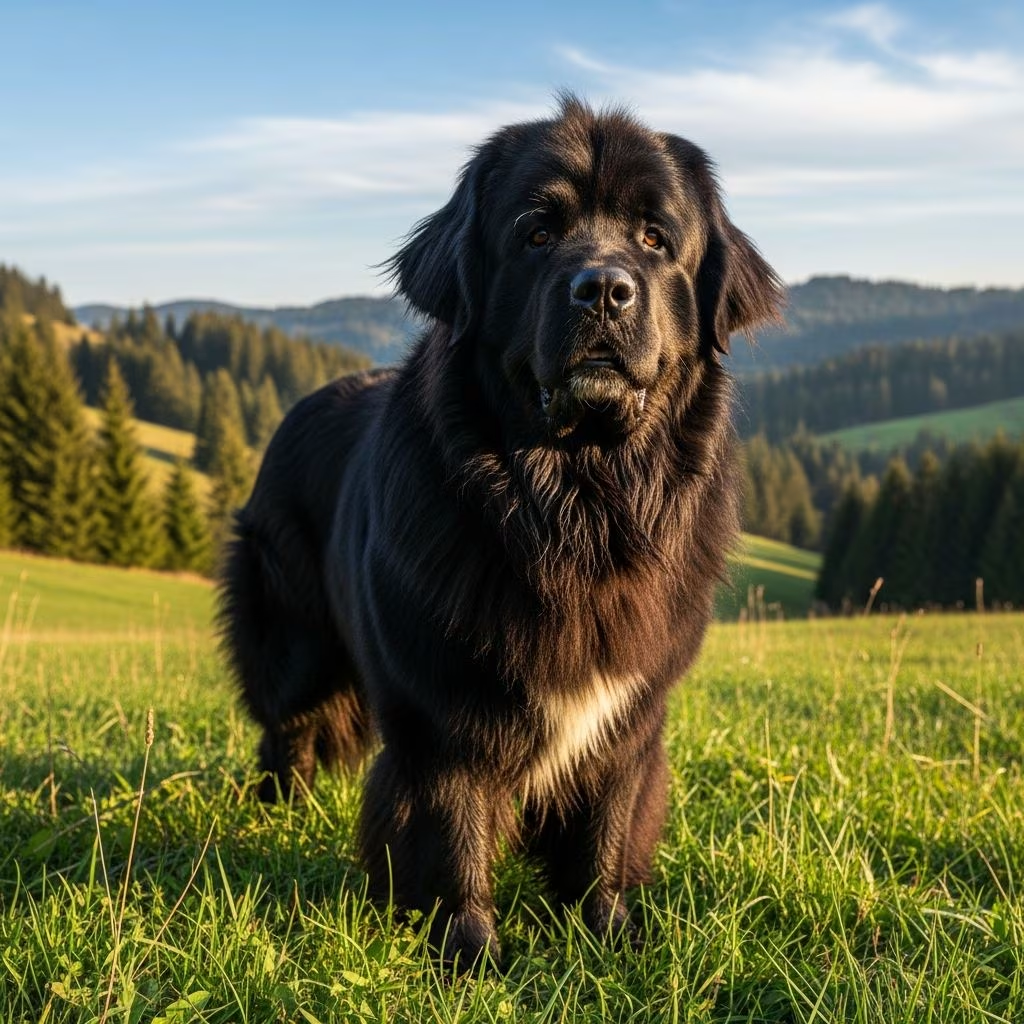
The Newfoundland dog stands out as one of the most impressive large breeds, renowned for its towering size, waterproof coat, and unwavering loyalty. Often called the “gentle giant,” this breed combines raw power with a tender heart, making it a favorite for families and water enthusiasts alike.
Origins and Historical Role
Newfoundlands trace their roots to the rugged island of Newfoundland off Canada’s coast, where they were bred by fishermen in the 17th and 18th centuries. These dogs were indispensable workers, pulling nets, hauling carts loaded with fish, and even rescuing people from icy waters. Their natural swimming ability, thanks to webbed feet and a thick double coat, made them legendary lifesavers. Stories abound of Newfoundlands diving into treacherous seas to save drowning sailors, earning them a reputation as maritime heroes.
European explorers brought the breed to England, where it gained fame among royalty and inspired literature, including J.M. Barrie’s Nana from Peter Pan. Crossbreeding with breeds like the St. Bernard helped refine their traits during times of hardship, solidifying their role in rescue work across continents.
Physical Characteristics and Breed Standards
A hallmark of the Newfoundland is its massive, balanced physique. Males typically reach 28 inches at the shoulder and weigh 130-150 pounds, while females are slightly smaller at 26 inches and 100-120 pounds. The body is deep-chested, well-muscled, and slightly longer than tall, with a broad skull, square muzzle, and small, deep-set dark eyes that convey intelligence and kindness.
The coat is a standout feature: a dense, water-repellent double layer that’s flat or wavy, coming in black, brown, gray, or Landseer patterns (black and white). Webbed toes enhance swimming prowess, and the tail acts like a rudder in water. Faults in breed standards include narrow heads, snipey muzzles, or straight stifles, emphasizing the need for structural soundness.
| Feature | Male | Female |
|---|---|---|
| Height | 28 inches | 26 inches |
| Weight | 130-150 lbs | 100-120 lbs |
| Coat Colors | Black, Brown, Gray, White/Black | Same |
| Life Expectancy | 8-10 years | 8-10 years |
Temperament: The Ultimate Gentle Giant
Despite their imposing size, Newfoundlands embody gentleness. They are patient, affectionate, and deeply devoted to their families, often forming lifelong bonds. This breed excels with children, earning the nickname “nanny dog” for its protective yet tolerant nature around kids. They get along with other pets but require supervision due to their strength.
- Sweet and patient: Rarely aggressive, they respond to kindness with loyalty.
- Intelligent and eager to please: Quick learners who thrive on positive reinforcement.
- Protective without aggression: They position themselves between family and strangers but rarely bark excessively.
- Sensitive souls: Harsh training can crush their spirit; use rewards instead.
Their calm demeanor suits apartment life if exercise needs are met, though they prefer space to stretch out. Early socialization prevents shyness, ensuring they grow into confident companions.
Grooming and Daily Care Essentials
Newfoundlands demand committed grooming due to their lush coat and drooling tendencies. Brush weekly—daily during shedding seasons—to manage the undercoat and prevent mats. Bathe sparingly to preserve natural oils, and wipe drool daily to avoid skin issues. Nails should be trimmed monthly, and ears checked for infections.
Exercise balances their energy: 30-60 minutes daily of walks, swims, or play suffices, as overexertion risks joint strain. Swimming is ideal, tapping into their heritage without stressing hips.
- Diet: High-quality food for large breeds, portioned to prevent obesity (4-8 cups/day split into meals).
- Dental care: Brush teeth 2-3 times weekly.
- Shedding: Heavy seasonal, moderate otherwise—stock up on lint rollers!
Health Considerations for Newfoundlands
Like many giants, Newfoundlands face breed-specific health challenges. Common issues include hip and elbow dysplasia, cystinuria (a urinary stone risk), subaortic stenosis (heart condition), and Addison’s disease. Diligent breeders screen for these via OFA certifications.
Regular vet visits, weight management, and joint supplements help. Life expectancy averages 8-10 years, but proactive care extends quality time.
| Health Issue | Symptoms | Prevention |
|---|---|---|
| Hip Dysplasia | Limping, reluctance to rise | Weight control, low-impact exercise |
| Cystinuria | Blood in urine, stones | Genetic screening, vet-monitored diet |
| Heart Conditions | Fainting, coughing | Annual cardiac exams |
Training Strategies for Success
Training a Newfoundland leverages its intelligence and desire to please. Start puppy classes early for socialization, using treats and praise. Obedience basics like sit, stay, and recall are crucial given their size—imagine a 150-pound dog pulling on a leash!
Advanced training shines in water rescue or drafting. Consistency and patience yield a well-mannered giant. Avoid off-leash areas until recall is solid.
Is a Newfoundland Right for Your Family?
Ideal owners commit to grooming, space, and moderate exercise. Not for first-timers or tiny homes without yard access. In return, you gain a loving protector who senses danger, like alerting to fires or drowning risks.
Adopt from reputable breeders or rescues emphasizing health testing. Puppies are outgoing and curious—daily human interaction prevents separation anxiety.
Fun Facts and Modern Roles
- Newfoundlands compete in conformation, obedience, and water work.
- Their webbed feet and oily coat make them cold-water swimming pros.
- Famous Newfies include those in films and as therapy dogs.
- They share ancestry with mastiffs and livestock guardians.
Frequently Asked Questions (FAQs)
Do Newfoundlands make good family pets?
Yes, their gentle nature suits families, but supervise kids due to size.
How much do Newfoundlands drool?
Significantly, especially after drinking—keep towels handy!
Are they easy to train?
Very, with positive methods; they’re smart and responsive.
What’s the best exercise for Newfies?
Swimming and moderate walks to protect joints.
How often should I groom a Newfoundland?
Brush 2-3 times weekly, more during sheds.
References
- Breed Standards: Newfoundland — United Kennel Club. Accessed 2026. https://www.ukcdogs.com/newfoundland
- Dog Breed Guide: Newfoundland — Pets Best Insurance. Accessed 2026. https://www.petsbest.com/blog/breed-guide-newfoundland
- Newfoundland Dog Breed — Hill’s Pet Nutrition. Accessed 2026. https://www.hillspet.com/dog-care/dog-breeds/newfoundland
- Newfoundland Dog Breed Health and Care — PetMD. Accessed 2026. https://www.petmd.com/dog/breeds/newfoundland
- Newfoundland Dog — Wikipedia (informational). Accessed 2026. https://en.wikipedia.org/wiki/Newfoundland_dog
- Newfoundland Dog Breed Information — American Kennel Club. Accessed 2026. https://www.akc.org/dog-breeds/newfoundland/



