

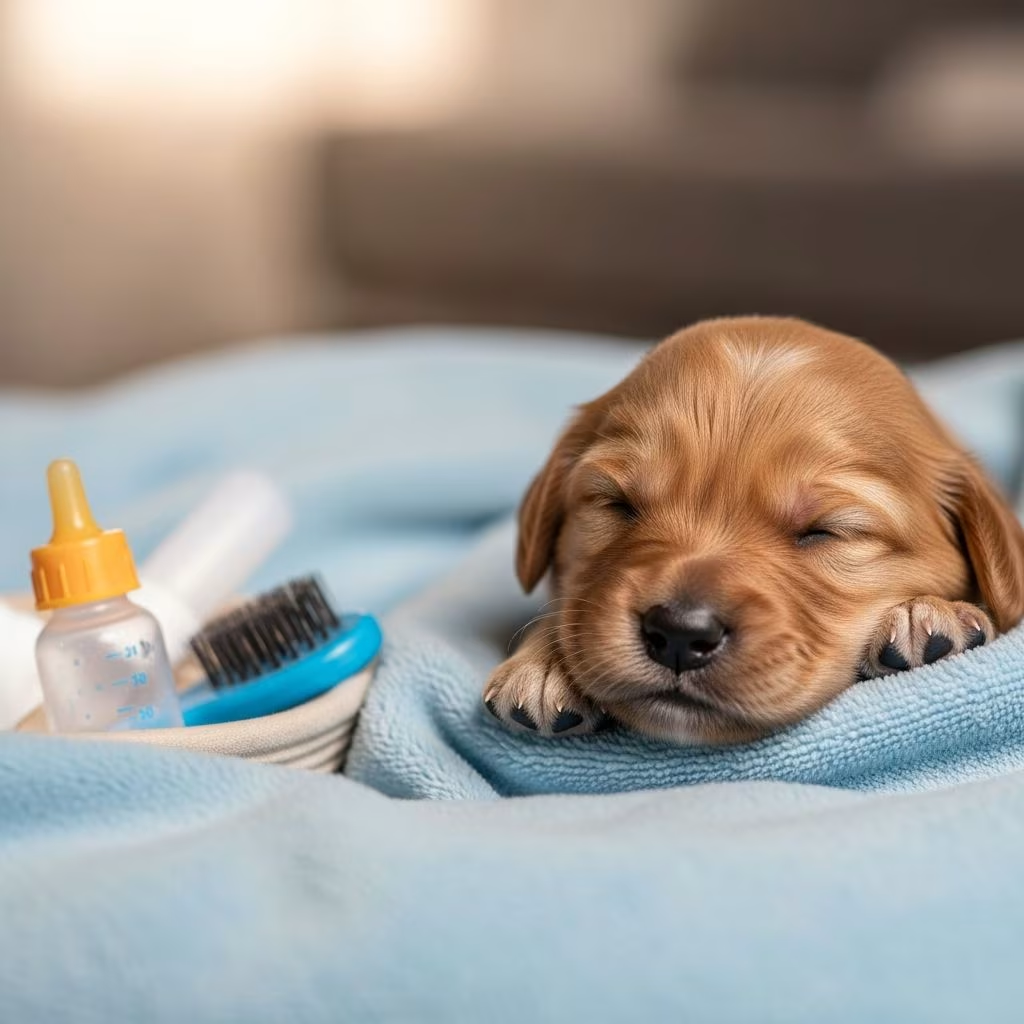
Welcoming a litter of newborn puppies into your home demands careful attention to their delicate needs and their mother’s well-being. These tiny creatures are entirely dependent on external warmth, nutrition, and stimulation in their first weeks of life. Proper care during this neonatal period sets the foundation for robust health and vitality.
Preparing the Ideal Whelping Environment
Creating a safe, comfortable space is the first step in newborn puppy care. The whelping area should be spacious enough for the mother to move freely without risking injury to her pups, yet secure to prevent escapes. Opt for a low-sided box or pen lined with easy-to-clean materials. In the initial days, use layered newspaper over a towel to avoid suffocation risks from soft fabrics, transitioning to blankets once pups gain mobility.
Maintain cleanliness rigorously; soiled bedding can lead to infections. Change paper or pads daily and launder fabrics frequently. A quiet, draft-free location away from high-traffic areas minimizes stress for the dam and her litter.
- Select a quiet room with controlled access.
- Ensure ample space: mother should stretch fully.
- Use non-slip, absorbent flooring materials initially.
Maintaining Optimal Temperature for Newborns
Newborn puppies cannot regulate their body heat until around 2-3 weeks old, making hypothermia their greatest threat. Aim for 85-90°F (29-32°C) in the first few days, gradually reducing to 80°F by week two and 74°F by week three. Monitor ambient temperature with a reliable thermometer placed at pup level.
Provide gentle heat sources like low-wattage heat lamps, under-tank heaters, or wrapped hot water bottles, ensuring no direct contact to prevent burns. Pups huddled together or crying indicate cold; vigorous activity or panting signals overheating. Low birth weight neonates are especially vulnerable and may need extra rubbing to stimulate circulation.
| Age Range | Ideal Temperature (°F) | Heat Source Tips |
|---|---|---|
| Days 1-3 | 85-90 | Heat lamp suspended safely above. |
| Weeks 1-2 | 80-85 | Combine lamp with pads; check frequently. |
| Weeks 3+ | 74-80 | Reduce heat; introduce bedding. |
Nutrition and Feeding Fundamentals
The mother’s milk, especially colostrum in the first 24 hours, delivers crucial antibodies for immunity. Ensure every pup nurses within this window by observing bellies rounding post-feed and hearing contented squeaks. If the dam rejects pups or lacks milk, intervene with commercial puppy milk replacer (never cow’s milk, which causes digestive upset).
Bottle-feed every 2-3 hours, positioning pups on their stomachs to mimic natural posture. Warm formula to 95-100°F, burp after by gentle patting, and track intake. Pups should gain 5-10% body weight daily. For refusals, consult a vet for tube-feeding guidance to avoid aspiration.
Supplies Checklist for Feeding
- Commercial puppy formula powder.
- Sterilized bottles and nipples.
- Digital scale for weight tracking.
- Warm water bath for formula prep.
Hygiene and Elimination Assistance
Puppies under three weeks cannot urinate or defecate independently; the mother stimulates them by licking genitals and anuses post-nursing. Absent this, use a warm, damp cloth to gently rub these areas after feeds until elimination occurs. Dispose of waste immediately to uphold hygiene.
Daily weigh-ins on a gram-accurate scale chart growth; double birth weight by day 10 signals success. Identify runts early for supplemental feeding. Trim umbilical cords if needed (they fall off naturally by day 3), and wear gloves until healed.
Health Monitoring and Veterinary Checkups
Observe for vigor: active rooting, pink gums, and steady breathing. Warning signs include lethargy, persistent cries, diarrhea, or rejection by littermates. Schedule a vet exam within 48 hours of birth to assess for defects, dehydration, or fading puppy syndrome.
Weigh at birth, 12 hours, 24 hours, then daily. Track individually with collars or markers. First-time mothers may need guidance to bond properly.
Developmental Milestones Week by Week
Weeks 1-2: Neonatal Foundation
Blind, deaf, toothless pups sleep 90% of the time, nursing frequently. Eyes open at 10-14 days; umbilical cords detach by day 3. Front legs support by days 5-6. Limit handling to essentials.
Weeks 3-4: Emerging Mobility
Ears open, teeth erupt. Pups crawl, then toddle. Introduce shallow water dishes. Deworm at two weeks. Weigh every 3 days.
Weeks 5-7: Socialization Surge
Full mobility brings playfulness. Soften kibble for weaning; mom reduces nursing naturally. Handle daily for imprinting. Second deworming around week 5.
| Week | Key Developments | Care Focus |
|---|---|---|
| 1 | Eyes closed; massaging for elimination. | High heat, constant monitoring. |
| 3 | Eyes/ears open; toddling. | Lower heat; water intro. |
| 5 | Teeth, walking; exploring. | Solid foods; socialization. |
| 7 | Weaning complete; vaccines soon. | Play, training basics. |
Supporting the Mother Dog’s Recovery
The dam’s health directly impacts the litter. Provide nutritious food, fresh water, and a calcium supplement if advised. Monitor for mastitis (swollen glands), eclampsia (tremors from low calcium), or metritis (uterine infection). Limit visitors to reduce stress, allowing bonding time. Post-whelping vet check confirms placental count matches pup numbers.
- High-quality puppy food for lactation.
- Quiet rest periods away from pups if overwhelmed.
- Watch for excessive panting or discharge.
Common Challenges and Solutions
Fading Puppy Syndrome: Sudden decline from chilling or poor nursing; revive with warmth, hydration, and vet care.
Runts: Extra feeds and positioning near nipples.
Orphaned Litters: Round-the-clock bottle-feeding; foster dog if possible.
Frequently Asked Questions (FAQs)
How often should I weigh newborn puppies?
Daily in week one, then every 3 days; expect 5-10% daily gain.
Can I bathe newborn puppies?
Avoid full baths; spot-clean with damp cloths. Full baths start at 3-4 weeks.
What if mom won’t nurse all pups?
Supplement with formula; check for mastitis. Vet may advise oxytocin cautiously.
When do puppies open their eyes?
Typically 10-14 days; varies slightly by breed.
Is cow’s milk safe for puppies?
No; use puppy-specific replacer to prevent diarrhea.
This guide equips you to nurture thriving litters. Patience and vigilance yield rewarding results.
References
- Newborn Puppies: A Beginner’s Guide To Care and Feeding — Rover.com. 2023. https://www.rover.com/blog/newborn-puppies-care/
- Best Practices for Whelping & Caring for Newborn Puppies — American Kennel Club (AKC). 2024-01-15. https://www.akc.org/expert-advice/dog-breeding/whelping-and-caring-for-newborn-puppies/
- Newborn Puppy Care: 5 Things You Need to Know — Hill’s Pet Nutrition. 2023-05-10. https://www.hillspet.com/dog-care/new-pet-parent/newborn-puppy-care
- Looking After Newborn Puppies — Neighborhood Veterinary Clinic. 2024. https://www.neighborhoodvetclinic.com/looking-after-newborn-puppies/
- Caring for Orphaned Newborn Puppies — Best Friends Animal Society. 2023-11-20. https://bestfriends.org/pet-care-resources/caring-orphaned-newborn-puppies-feeding-socializing-and-more
- Breeding for Dog Owners – Caring for Newborn Puppies — VCA Animal Hospitals. 2024. https://vcahospitals.com/know-your-pet/breeding-for-dog-owners-caring-for-newborn-puppies



