

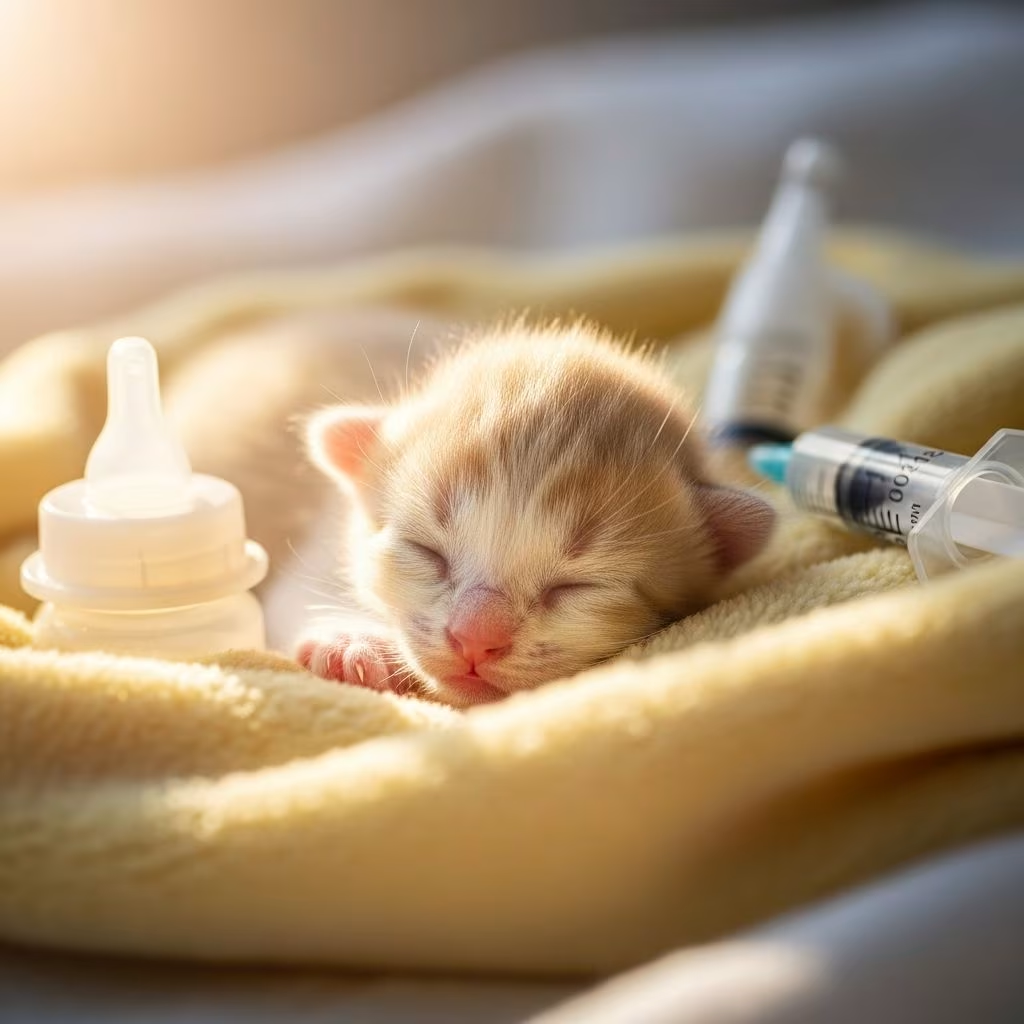
Welcoming newborn kittens into your home demands dedication and knowledge, particularly if they are orphaned or separated from their mother. These tiny felines rely entirely on human caregivers for survival during their first weeks. This guide provides a detailed roadmap for ensuring their warmth, nutrition, hygiene, and socialization, drawing from veterinary best practices to promote robust development.
Creating a Safe and Warm Environment
The foundation of newborn kitten care begins with temperature regulation. Newborns cannot generate their own body heat until around three to four weeks old, making hypothermia a critical risk. Maintain an ambient temperature of 85-90°F (29-32°C) in their first week, gradually reducing it by 5°F each subsequent week until reaching 70°F (21°C).
Construct a secure nesting area using a plastic carrier or box lined with soft, absorbent bedding like fleece blankets or towels. Incorporate a pet-safe heating pad, such as those from K&H or Snugglesafe, wrapped in multiple layers of towels to prevent burns. Ensure the setup allows kittens to move away from the heat source if needed.
- Select a quiet, draft-free room away from high-traffic areas.
- Monitor temperature with a reliable thermometer.
- Change bedding daily to prevent moisture buildup, which can lead to chilling.
If discovering a cold kitten, warm it gradually using your body heat—place it under your clothing near your armpit—and gently massage to restore circulation before feeding.
Nutrition Essentials: Bottle Feeding Techniques
Proper feeding mimics the mother’s milk provision. Use only commercial kitten milk replacer (KMR), never cow’s milk, as it can cause digestive upset. Feed every 2-4 hours, including nights for newborns, adjusting to every 3-4 hours as they grow.
Warm the formula to body temperature (test on your wrist) and use elongated-nipple bottles for better latching. Position kittens on their stomachs, tilting the bottle to minimize air intake. Never feed on their backs to avoid aspiration pneumonia.
| Age | Feeding Frequency | Amount per Feeding |
|---|---|---|
| 0-1 Week | Every 2 hours | 2-4 mL |
| 1-2 Weeks | Every 2-3 hours | 5-10 mL |
| 2-4 Weeks | Every 3-4 hours | 10-15 mL |
Follow formula label guidelines, stopping when bubbles form around the mouth indicating fullness. Burp kittens post-feeding by patting gently on the shoulder or back to expel gas.
Hygiene and Elimination Support
Mother cats stimulate urination and defecation by licking. For hand-reared kittens under four weeks, replicate this after every feeding using a warm, moist cotton ball or soft cloth on the genital and anal areas. Rub gently until elimination occurs, then clean thoroughly to avoid irritation.
Bathe only if necessary, spot-cleaning with a damp washcloth and drying completely with a low-heat hairdryer or towel. Overstimulation can cause chafing, so monitor the skin.
- Dispose of waste immediately to maintain hygiene.
- Watch for constipation or diarrhea, consulting a vet if persistent.
Weaning and Introducing Solid Foods
Around 3-4 weeks, transition to solids by mixing warm KMR with high-quality canned or softened dry kitten food in a shallow dish. Offer 4-6 small meals daily, gradually reducing formula.
By 5-11 weeks, kittens should fully wean to a high-protein, energy-dense diet fed 3-4 times daily. Provide fresh water at all times. This phase supports rapid growth and energy needs.
Health Monitoring and Veterinary Care
Daily weight checks are vital—kittens should gain 10-15 grams per day. Use a digital scale and log progress.
Schedule a vet visit immediately upon rescue for dewarming, vaccinations, and fecal checks. Common issues include fleas, parasites, and upper respiratory infections. At 6-8 weeks, begin core vaccines and deworming protocols.
- Signs of distress: Lethargy, refusal to eat, diarrhea, or sneezing—seek vet care promptly.
- Prevent fleas with vet-approved products; avoid over-the-counter treatments on neonates.
Socialization and Behavioral Development
From 2-4 months, focus on bonding. Introduce toys, scratching posts, and safe exploration spaces. Handle gently daily to build trust.
Implement litter training around 3 weeks by placing kittens in a low-sided box post-elimination. Reward with treats and praise.
- Frequent gentle petting and cuddling.
- Controlled introductions to household members and pets.
- Redirect biting/scratching with toys; use timeouts for unwanted behavior.
Developmental Milestones Timeline
| Week | Milestones |
|---|---|
| 0-1 | Blind, deaf; fully dependent on heat and frequent feeds. |
| 1-2 | Eyes/ears open; begin crawling. |
| 3-4 | Walking, purring; start weaning. |
| 5-8 | Running, playing, litter trained; full solids. |
| 8-12 | High energy; spay/neuter readiness. |
Track these to ensure normal progress. Variations warrant professional evaluation.
Grooming and Daily Routines
Weekly brushing prevents matting and familiarizes kittens with handling. Trim nails as needed starting at 4 weeks. Introduce tooth brushing with kitten-safe paste.
Maintain a routine: Feed, stimulate, burp, clean, play (for older kits), sleep. Night feeds taper as they age.
Frequently Asked Questions
What if my kitten won’t eat from the bottle?
Try different nipple sizes or gently pull to encourage sucking. If persistent, consult a vet for possible tube feeding.
How do I know if the kitten is too cold?
Check for cool extremities, listlessness, or weak cries. Warm slowly before any intervention.
When can kittens be adopted out?
Minimum 8-12 weeks, after vet checks and first vaccines, to ensure socialization and health.
Is it okay to bathe newborn kittens?
Avoid full baths; spot clean and dry thoroughly. Wet kittens chill easily.
What diet follows weaning?
High-quality kitten food, wet and dry, with protein focus for growth.
References
- Taking Care Of Newborn Kittens — Georgia Veterinary Associates. 2023. https://www.mygavet.com/services/cats/kitten-care
- Neonatal & Newborn Kittens | Care, Feeding Help — Alley Cat Allies. 2024. https://www.alleycat.org/community-cat-care/caring-for-neonatal-kittens/
- Neonatal Kitten Care — HumanePro. 2022. https://humanepro.org/sites/default/files/documents/neonatal-kitten-care.pdf
- Bottle-Feeding Kittens: A Comprehensive Guide — Best Friends Animal Society. 2024. https://bestfriends.org/pet-care-resources/bottle-feeding-kittens-comprehensive-guide
- Raising Orphaned Kittens — Kitten Rescue. 2023. https://kittenrescue.org/raising-orphaned-kittens/
- Life-Saving Orphan Kitten Guide — ASPCA Pro. 2016 (authoritative foster manual). https://www.aspcapro.org/sites/default/files/CAS%20Kitten%20Foster%20Manual-2016%20(1)_0.pdf



