

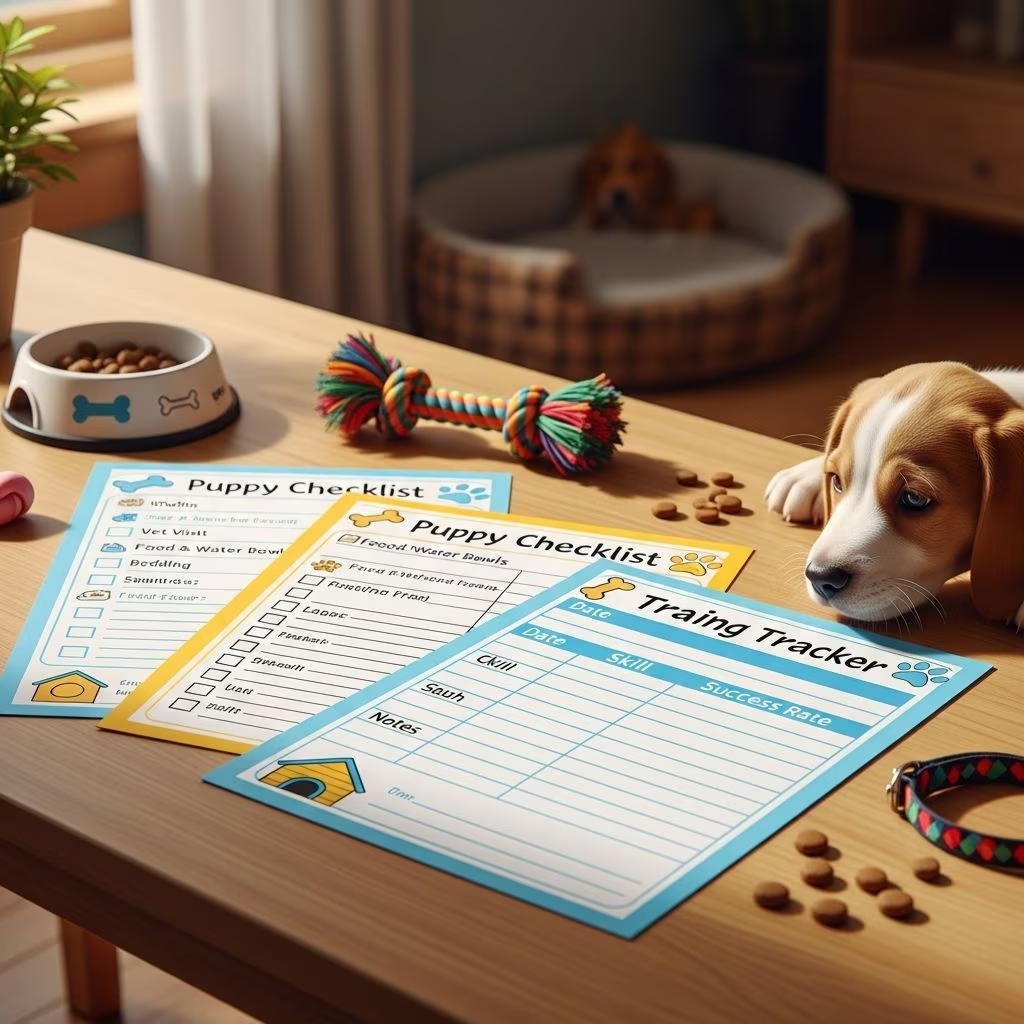
Bringing home a new puppy is one of the most exciting moments in a pet parent’s life. There’s nothing quite like that first moment when you set your pup down on the ground and watch them scamper around your home for the first time, exploring every corner with boundless curiosity and energy. However, once the initial excitement settles and reality sets in—perhaps when your new pup has an accident on the floor or you realize you’re unsure about their feeding schedule—the true responsibility of puppy parenting becomes clear.
Raising a puppy requires support from many sources: your trusted veterinarian, fellow pet parents, friends from the dog park, and reliable pet sitters. But equally important is having the right resources and tools readily available to guide you through each stage of puppy development. This is where new puppy printables become invaluable. These free, downloadable resources help you stay organized, track important milestones, and ensure you don’t miss critical care requirements.
To help you navigate the exciting yet challenging journey of puppy parenthood, we’ve compiled six essential free printables that you can download to your phone or print out for physical reference. Together, these printables create the ultimate new puppy planner, ensuring you have everything you need at your fingertips.
The Six Essential New Puppy Printables
Whether you’re a first-time puppy parent or an experienced dog owner, these printables provide structure and clarity during the crucial first months of your puppy’s life:
- New Puppy Essentials Checklist
- Puppy Feeding Schedule
- Potty Training Chart
- Puppy’s First Vet Visit Checklist
- Puppy Vaccinations Tracker
- Puppy Walking Schedule
New Puppy Essentials Checklist
Before bringing your puppy home, it’s crucial to stock up on basic supplies that will carry you through the first day and a half. This printable checklist helps you organize and prioritize what you need immediately versus what can wait.
First 36 Hours Essentials
The first day and a half with your new puppy sets the tone for their adjustment to your home. During this critical period, focus on gathering items that will help your puppy feel safe, comfortable, and cared for:
- Dog Food: Start with the same brand your puppy was eating before coming to your home to prevent digestive upset. You can transition to different food later once your puppy has settled in.
- Food and Water Bowls: Choose appropriately sized bowls that allow your puppy easy access to meals and fresh water throughout the day.
- Dog Crate: Begin crate training on the first night home. A crate provides your puppy with a safe, den-like space for sleeping and helps with housetraining.
- Dog Treats: Stock plenty of training treats for rewarding good behavior and bonding with your new puppy.
- Dog Bed: A cozy, comfortable bed helps your new puppy feel secure and relaxed in their new environment.
- Potty Pads: These are essential for housetraining, especially during the early months when your puppy cannot hold their bladder for extended periods.
- Stain and Odor Remover: Accidents happen during potty training, so having an enzymatic cleaner on hand helps remove messes and prevents your puppy from repeatedly soiling the same spot.
Secondary Essentials for Puppy Development
Once you and your puppy feel more settled in your new home, gradually introduce additional items that promote growth, mental stimulation, and good behavior:
- Puzzle or Treat-Dispensing Toys: These toys promote mental stimulation and keep puppies occupied during times when you cannot directly supervise them.
- Training Tools: A dog clicker and training treats help encourage good behaviors from the start and make training sessions more effective.
- Dog Chews and Chew Toys: Appropriate chewing helps relieve teething discomfort and redirects natural chewing instincts away from furniture and personal items. Always consult your vet about which options are safest for your puppy’s age and size.
- Collar and Leash: A properly fitted collar and sturdy leash are essential for walks, training, and safety outside your home.
- ID Tags: Ensure your puppy wears identification in case they get lost.
- Dental Products: Start with a soft toothbrush and pet-safe toothpaste early to acclimate your puppy to dental care and prevent future dental disease.
- Grooming Products: Dog shampoo and nail trimmers help establish a grooming routine from the start.
- Flea and Tick Control: Discuss prevention options with your vet at or before your first visit to determine what’s appropriate for your puppy’s age and weight.
Puppy Feeding Schedule Printable
Proper nutrition is fundamental to your puppy’s health, growth, and development. A puppy feeding schedule printable helps you track meals, monitor your puppy’s appetite, and identify any feeding irregularities that might warrant veterinary attention.
This printable allows you to record daily feeding times, the amount of food provided at each meal, your puppy’s response to food, and any dietary changes or transitions you’re implementing. Most puppies require three to four meals per day depending on their age, so having a visual schedule prevents missed meals and helps establish consistent routines that support housetraining efforts.
Potty Training Chart Printable
One of the most challenging aspects of puppy parenthood is potty training. A potty training chart printable provides a structured way to track your puppy’s bathroom habits and celebrate progress toward full housetraining.
By recording when your puppy successfully goes potty outside, you can identify patterns and timing that help you anticipate bathroom needs. This data-driven approach enables you to take your puppy out at optimal times—such as after meals, after playtime, after naps, and before bedtime—maximizing the likelihood of successful outdoor elimination and reducing indoor accidents.
Puppy’s First Vet Visit Checklist
Your puppy’s first veterinary visit is a critical milestone that shouldn’t be rushed. This printable checklist ensures you come prepared with important information and questions for your veterinarian.
Information to Bring
Gather the following before your appointment:
- Any medical records or vaccination documentation from the breeder or shelter
- Information about your puppy’s current diet and feeding schedule
- Details about your puppy’s background and family health history if available
- A list of behavioral observations or concerns
Questions to Ask Your Veterinarian
Come prepared with questions addressing:
- When is it safe for your puppy to interact with other dogs?
- What symptoms suggest your puppy needs emergency veterinary care?
- How much and how often should you feed your puppy?
- What are the signs your puppy is growing too slowly or too quickly?
- Is flea and tick prevention necessary, and what product do they recommend?
- How much exercise does your puppy need at their current age?
- At what age should you transition from puppy food to adult dog food?
- What behavioral or training questions should be addressed?
Puppy Vaccinations Tracker
Vaccinations are one of the most important health investments you can make for your new puppy. A vaccinations tracker printable helps you keep detailed records of which vaccines your puppy has received and when subsequent booster shots are due.
Most puppies require booster shots every three to four weeks until they reach four to five months of age, then annually once they reach twelve months of age. By maintaining an organized record, you’ll never miss a critical vaccination appointment, ensuring your puppy develops proper immunity against serious diseases.
Puppy Walking Schedule Printable
Exercise is essential for your puppy’s physical development, mental stimulation, and behavioral well-being. A walking schedule printable helps you establish consistent daily exercise routines appropriate for your puppy’s age and energy level.
Young puppies shouldn’t engage in strenuous exercise, but short, frequent walks help them burn energy, explore their environment, experience socialization opportunities, and practice outdoor potty habits. As your puppy grows, gradually increase the duration and intensity of walks based on guidance from your veterinarian.
Beyond the Printables: Comprehensive Puppy Parenting Support
While these six printables provide an excellent organizational framework, successful puppy parenting requires additional commitment and resources beyond tracking and scheduling.
Socialization and Training
Experts recommend providing your new puppy with lots of attention and opportunities for socialization. Consider enrolling your puppy in training classes even if you have previous dog training experience. Professional guidance helps establish good behaviors early and prevents common training mistakes that can develop into serious behavioral issues.
Understanding Puppy Development Stages
Puppies go through distinct developmental stages, each with unique behavioral characteristics and care requirements. Your puppy might seem subdued and mellow for the first few days at home, but as they become more comfortable, their true personality emerges. Puppies are naturally full of energy, play-bite, chew, and will have accidents in the house until fully housetrained. Understanding that some behaviors are developmental and will naturally decrease with proper, humane handling helps you maintain patience during challenging periods.
Creating a Safe, Structured Environment
Puppies need safe places where they can be confined until they learn house manners. This typically takes more than a year, so investing in quality crates and playpens provides security while protecting your home from destructive behavior. Your veterinarian can recommend giving your new puppy their own space, such as a small room or bathroom, providing downtime, and staggering introductions with family members and other pets.
Frequently Asked Questions About New Puppy Printables
Q: Why are these printables free, and how do I download them?
A: These printables are provided as a resource to help new puppy parents succeed in their journey. Most can be downloaded directly from the resource website and saved to your phone or printed for physical reference. Having both digital and printed copies ensures you can access them anytime.
Q: Can I customize these printables for my specific puppy?
A: Absolutely. Many printables are designed to be flexible. You can write directly on printed versions or modify digital versions before printing to include your puppy’s name, breed information, veterinarian details, and specific feeding or training protocols.
Q: How long should I use these printables?
A: The feeding schedule and potty training chart are most useful during the first several months. The vaccination tracker should be maintained throughout your puppy’s first year and potentially longer. The first vet visit checklist is a one-time reference. Consider keeping all of them for at least the first year as a record of your puppy’s development.
Q: Are these printables suitable for all puppy breeds and sizes?
A: While the printables provide a general framework, specific recommendations regarding feeding portions, exercise duration, and vaccination schedules should be tailored to your puppy’s breed, size, and individual health status. Always consult your veterinarian for breed and size-specific guidance.
Q: What should I do if my puppy isn’t following the typical schedule outlined in these printables?
A: Every puppy develops at their own pace. If your puppy significantly deviates from expected milestones or behaviors outlined in the printables, consult your veterinarian. They can assess whether variations are normal or indicate underlying health or behavioral concerns.
Conclusion: Organization Supports Success
Bringing a new puppy home is undoubtedly challenging, but having the right tools and resources makes the journey significantly smoother. These six free printables—the New Puppy Essentials Checklist, Puppy Feeding Schedule, Potty Training Chart, Puppy’s First Vet Visit Checklist, Puppy Vaccinations Tracker, and Puppy Walking Schedule—work together to create a comprehensive organizational system for new puppy parents.
By printing out all six printables and using them consistently throughout your puppy’s first year, you create a structured approach to puppy care that prevents missed appointments, ensures proper nutrition and exercise, tracks important health milestones, and supports effective training. Most importantly, this organization allows you to spend less time worrying about what you might be forgetting and more time enjoying the incredible bond that develops between you and your new puppy as they grow and flourish in your loving home.
References
- New Puppy Printables: Must-Have Checklists, Training Trackers and More — Chewy. 2025. https://www.chewy.com/education/dog/new-dog/new-puppy-printables
- New Puppy Checklist: 9 Things You Need Before Bringing Home a New Puppy — Chewy. 2025. https://www.chewy.com/education/dog/new-dog/new-puppy-checklist-9-things-you-need-before-bringing-home-a-new-puppy
- Puppy’s First Vet Visit: When To Go, What To Expect — Chewy. 2025. https://www.chewy.com/education/dog/new-dog/what-to-expect-at-puppys-first-vet-visit
- Puppy Stages: What To Expect in Their First Two Years — Chewy. 2025. https://www.chewy.com/education/dog/new-dog/what-to-expect-the-first-year-with-your-new-puppy
- Bringing a Puppy Home: Everything You Need to Know — Chewy. 2025. https://www.chewy.com/education/dog/new-dog/puppy-survival-kit
- 10 Things New Puppy Parents Should Never Do — Chewy. 2025. https://www.chewy.com/education/dog/new-dog/mistakes-new-puppy-parents-make
- Ultimate New Puppy and Dog Product Checklist — Chewy. 2025. https://www.chewy.com/education/dog/new-dog/new-dog-product-checklist-for-every-life-stage



