

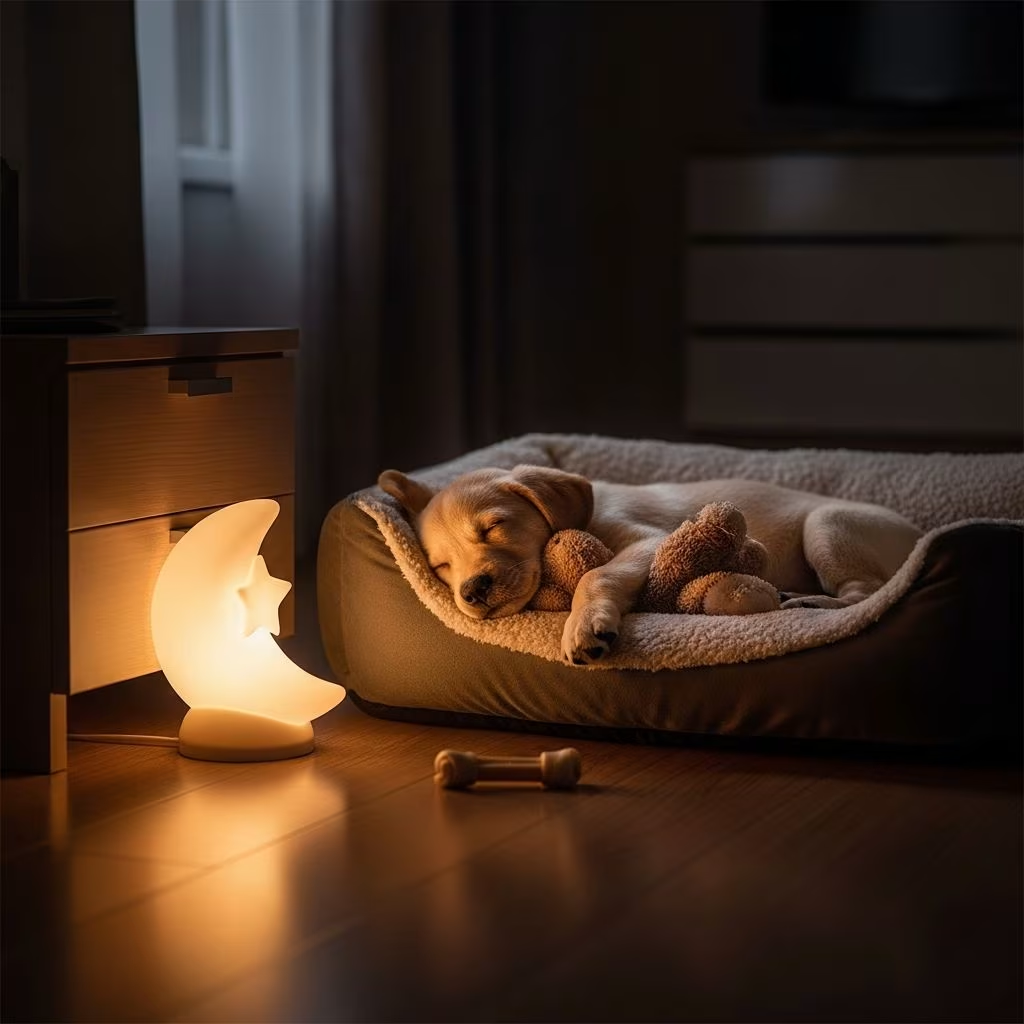
Bringing home a new puppy is filled with excitement, but the first nights can disrupt everyone’s rest. Puppies typically require 18-20 hours of sleep daily, yet adjusting to a new environment often leads to frequent wake-ups and whining. This guide provides a comprehensive approach to fostering healthy sleep patterns through structured routines, safe sleeping arrangements, and gentle training methods.
Understanding Puppy Sleep Needs
Puppies, much like human infants, have irregular sleep cycles due to small bladders and high energy levels. They need ample rest to support growth, learning, and immune development. Without proper guidance, nights can become a battle of cries and pacing.
- Puppies under 3 months may wake every 2-4 hours for potty breaks.
- By 4-6 months, many can hold it longer with consistent training.
- Total daily sleep includes naps, so daytime management prevents bedtime hyperactivity.
Establishing expectations early prevents long-term issues like separation anxiety or poor house training.
Choosing the Right Sleep Setup
The ideal sleeping area balances safety, comfort, and training goals. Options range from crates to supervised co-sleeping, each with pros and cons.
| Method | Pros | Cons | Best For |
|---|---|---|---|
| Crate in Bedroom | Promotes house training; mimics den; easy monitoring | May cause initial whining | Most puppies |
| Puppy Pen | Allows movement; good for day/night transition | Larger space risks accidents | Active breeds |
| Co-Sleeper Tether | Closeness reduces anxiety; safe containment | Requires supervision setup | Anxious or small puppies |
| Bed with Family | Builds bond; comforting | Hard to transition later; safety risks | Experienced owners |
Crate training stands out as foundational, leveraging dogs’ instinctual preference for enclosed spaces. Start with the crate nearby to build security, then transition as confidence grows.
Building a Consistent Bedtime Routine
Routine signals wind-down time, reducing anxiety and promoting faster settling. Aim for the same sequence nightly, starting 30-60 minutes before lights out.
- Last Potty Break: Take outside 15-30 minutes before bed to empty bladder fully.
- Dim Lights and Calm Play: Engage in low-energy activities like gentle chewing or short walks.
- Pre-Bed Meal/Snack: Feed 2-3 hours prior; a small Kong with frozen treats tires them mentally.
- Crate Cue: Use a phrase like “settle time” with a treat to associate positively.
- Quiet Environment: Eliminate noise, screens, and bright lights.
Consistency reinforces that bedtime means rest, not play.
Crate Training Essentials for Night Success
Crate training prevents accidents and destructive behavior while asleep. Introduce during the day first: feed meals inside, toss treats randomly, and practice short stays.
- Size matters: Large enough to stand/turn, small enough to discourage soiling.
- Make inviting: Soft bedding, safe toys, heartbeat simulator for littermate feel.
- Bedroom placement initially: Hear whines for real needs without over-attending.
- Daytime naps in crate build positive habits.
Avoid punishment; crates should evoke calm. Gradually extend alone time.
Handling Nighttime Wake-Ups
Expect disruptions initially. Respond minimally to avoid reinforcing cries for attention.
- Potty Check: If whining persists 5-10 minutes, leash-walk outside silently. No praise or play.
- Ignore Non-Essentials: Brief whimpers often self-resolve; comfort-seeking fades with routine.
- Track Patterns: Log wakes to adjust daytime intake/activity.
Stay boring at night—darkness, quiet, no lights—to discourage repeats. Patience yields results within 1-2 weeks.
Comfort Tools to Ease Separation Anxiety
New puppies miss their litter. Aids mimic familial warmth:
- Heartbeat plush toys for soothing pulses and heat.
- Familiar scents: Blanket from breeder.
- White noise machines to drown household sounds.
- Safe chews for self-soothing.
Combine with proximity: Crate by bed or tethered setup keeps them close safely.
Daytime Habits That Support Night Sleep
Night success stems from day structure. Over-napping leads to bedtime energy.
- Scheduled naps: 1-2 hours in crate post-play/meal.
- Exercise: Morning/afternoon bursts tire physically.
- Water cutoff: 2 hours pre-bed, unless hot weather.
- Mental stimulation: Training sessions prevent overtired crankiness.
Balance prevents exhaustion-fueled wakes.
Transitioning to Independent Sleeping
Once holding overnight (4-6 months), move crate gradually: inches nightly. Use cues and treats.
- Week 1: Bedroom corner.
- Week 2: Hallway.
- Ongoing: Chosen spot (kitchen/hall).
Monitor for regression; revert if needed. Consistency trumps speed.
Common Mistakes and Fixes
Avoid pitfalls that prolong adjustment:
| Mistake | Why It Harms | Fix |
|---|---|---|
| Free access at night | Accidents, chewing risks | Crate or pen always |
| Play during wakes | Reinforces attention cries | Silent potty only |
| Inconsistent routine | Confuses puppy signals | Daily schedule |
| Late feeding/water | Frequent potty needs | Early cutoff |
Patience averts these.
FAQs
How long until my puppy sleeps through the night?
Typically 4-6 months, varying by breed/age. Under 12 weeks, expect 2-3 wakes.
Should I let my puppy cry it out?
Brief tolerance for non-potty whines yes; check legitimate needs first.
Is co-sleeping okay long-term?
Possible if trained first; start separate to avoid dependency.
What if whining persists after weeks?
Consult vet for medical issues; refine routine.
Best crate covers or bedding?
Breathable fabrics; no loose items to prevent ingestion.
Long-Term Benefits of Good Sleep Training
Well-rested puppies learn faster, show fewer behaviors issues, and bond stronger. Owners gain energy for positive interactions. Invest now for years of harmony.
References
- How to Help Your Puppy Sleep Through the Night — Snuggle Puppy Blog. 2023. https://snugglepuppy.com/blogs/snuggle-puppy-blog/puppy-sleep-training-101
- Where Should a Puppy Sleep at Night? Safety, Comfort & Training Tips — Happy Pup Manor. 2024. https://happypupmanor.com/where-should-a-puppy-sleep-at-night-safety-comfort-training-tips/
- Puppy Sleep Training — VitaPet. 2023. https://vitapet.com/au/vitapet-central/articles/puppy-sleep-training/
- How to get your puppy to sleep through the night — Blue Cross. 2024-03-01. https://www.bluecross.org.uk/advice/dog/behaviour-and-training/how-to-get-your-puppy-to-sleep-through-the-night
- How to Help Your Puppy Sleep Through the Night — Preventive Vet. 2024. https://www.preventivevet.com/dogs/how-to-help-puppy-sleep-through-the-night
- How to Make Sure Your Puppy Gets Enough Sleep — American Kennel Club (AKC). 2023-05-15. https://www.akc.org/expert-advice/health/how-much-do-puppies-sleep/
- Ask Crystal: Puppy Routine for a Good Night’s Sleep — Blue Ridge Humane Society. 2023. https://www.blueridgehumane.org/ask-crystal-puppy-routine-for-a-good-nights-sleep/



