

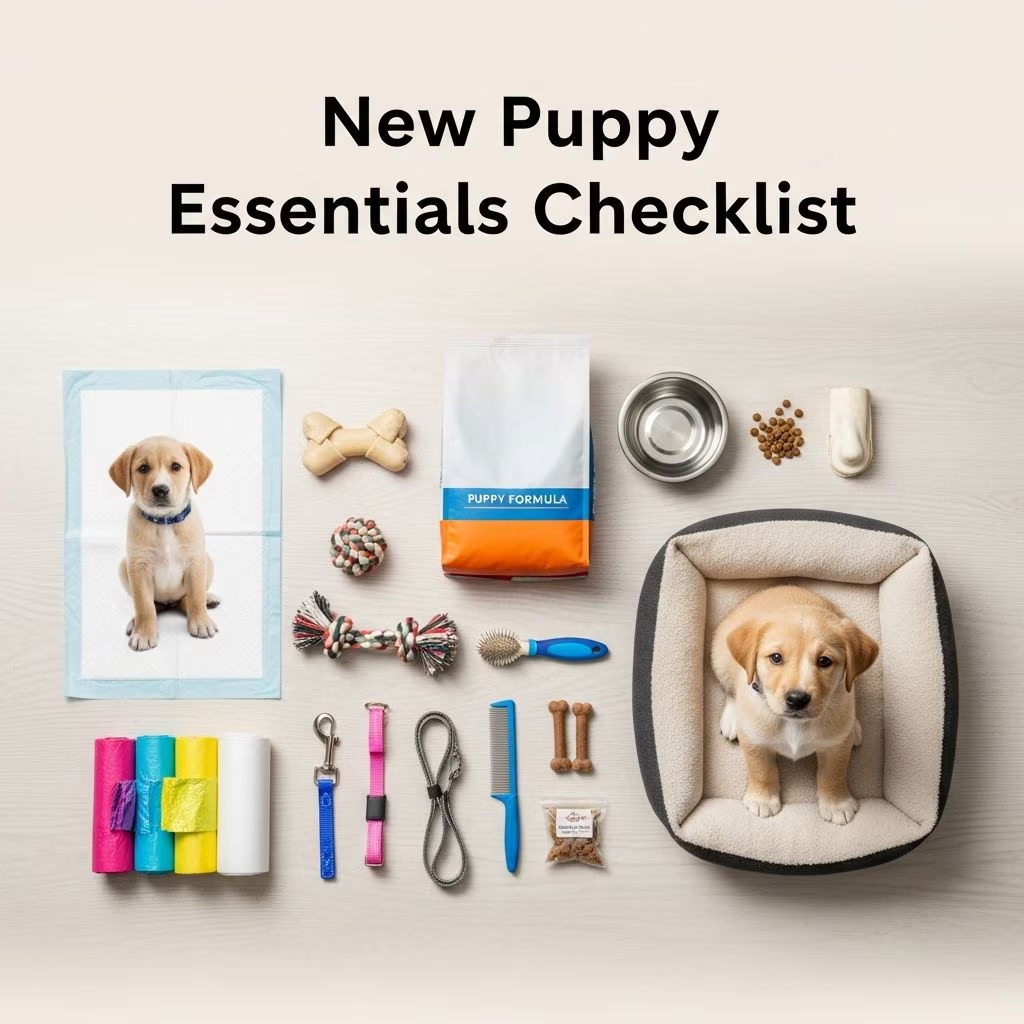
Bringing a puppy into your home marks the start of an exciting journey filled with joy, learning, and responsibility. To set both you and your new companion up for success, preparation is key. This guide outlines everything from safety measures to daily care items, helping you create a nurturing environment right from day one.
Securing Your Space: Puppy-Proofing Basics
Before your puppy arrives, transform your living areas into a safe haven. Puppies explore the world with their mouths and paws, so hazards must be minimized. Secure loose wires with cord covers to prevent chewing, which can lead to electrical shocks. Store household chemicals like cleaners and medications in locked cabinets high above reach. Cover trash cans with tight lids, as tempting scraps can cause digestive issues or toxicity.
Block off stairs with baby gates if your puppy is small, and remove small objects like coins or rubber bands that pose choking risks. For multi-level homes, consider playpens to confine your pup to supervised areas initially. These steps not only protect your belongings but also safeguard your puppy’s health during their curious phase.
Creating a Cozy Resting Area
A dedicated sleep spot provides security and aids in housetraining. Opt for a crate sized to allow your puppy to stand, turn around, and lie down comfortably—too much space might encourage accidents inside. Line it with soft, washable bedding and a blanket that carries familiar scents from their breeder. Place the crate in a quiet family area, away from drafts but not isolated, to foster bonding.
Alternatives like elevated beds or donut-shaped cushions work for some breeds, ensuring the bed fits their adult size since growth is rapid. Introduce the crate positively with treats and short sessions to build positive associations, preventing future anxiety.
Feeding and Hydration Setup
Nutrition forms the foundation of your puppy’s growth. Choose bowls made of stainless steel or ceramic for durability and easy cleaning—plastic can harbor bacteria and cause allergies. Select non-tip designs with rubber bases to reduce spills during enthusiastic mealtimes. Provide separate bowls for food and water, positioning water bowls in multiple spots for easy access.
Start with a high-quality puppy formula tailored to your breed’s needs, following feeding guidelines based on age and weight. Establish a consistent schedule: three to four meals daily for young pups, transitioning to twice daily as they mature. Always have fresh water available, refreshing it multiple times a day.
Identification and Walking Gear
Legal requirements and safety demand proper ID from day one. Fit an adjustable collar that allows two fingers between it and the neck, attaching an ID tag with your contact info and your puppy’s name. Include a rabies tag once vaccinated. Pair it with a matching leash, starting with a lightweight 4-6 foot training lead for heel practice.
Harnesses are gentler on the trachea for pullers, especially brachycephalic breeds. For car travel, use a crash-tested harness or carrier secured by a seatbelt. These items prevent escapes and ensure compliance during walks or vet visits.
| Type | Best For | Key Features |
|---|---|---|
| Flat Collar | ID and light walks | Adjustable buckle, quick-release |
| Harness | Pulling prevention | No-traction design, padded straps |
| Training Leash | Learning to heel | Lightweight, 4-6 ft length |
Grooming and Hygiene Toolkit
Regular grooming maintains coat health and catches issues early. Stock a slicker brush or comb suited to your puppy’s fur type—short-haired breeds need less frequent brushing than long-coated ones. Include dog-safe toothpaste and a finger brush for dental care, aiming for weekly sessions to prevent plaque buildup.
Nail clippers with safety guards, pet shampoo, and towels for drying round out the kit. Flea combs help detect parasites before infestations start. Bathing every 4-6 weeks keeps them clean without stripping natural oils.
- Brushes: Match to coat length for detangling.
- Dental Tools: Enzymatic toothpaste flavors like poultry encourage acceptance.
- Bathing Supplies: Non-slip mats prevent slips in the tub.
Play and Chew Essentials
Puppies teethe vigorously between 3-6 months, needing safe outlets. Provide a variety of textures: rubber Kongs for filling with treats, soft plush toys for comfort, and rope toys for tugging. Rotate toys to maintain interest and supervise play to avoid ingestion of pieces.
Puzzle toys dispense kibble, promoting mental stimulation. Avoid small balls or strings that could be swallowed. These items curb destructive chewing on furniture while building confidence.
Housetraining Must-Haves
Consistency speeds housetraining. Puppy pads with attractant scents guide indoor elimination, ideal for apartments or bad weather. Enzyme cleaners neutralize odors, preventing repeat marking—regular cleaners won’t eliminate pheromones.
Stock poop bags for walks, opting for biodegradable options. A consistent schedule—after meals, play, and naps—combined with praise reinforces success. Crates leverage natural reluctance to soil sleeping areas.
Health and Travel Preparations
Schedule a vet visit within 72 hours for a wellness check, vaccines, and deworming. Discuss flea/tick preventives and heartworm protocols based on your region. Microchipping offers permanent ID if collars are lost.
For travel, pack portable bowls, a travel crate, and calming aids like pheromone diffusers. Car barriers keep pups secure. Emergency kits with bandages and tick removers prepare for mishaps.
Daily Routines for a Happy Puppy
Structure builds security. Wake, potty, feed, play, nap—repeat. Puppies need 18-20 hours of sleep daily, so enforce quiet crate time. Short, frequent walks (5 minutes per month of age) prevent overexertion on growing joints.
Socialize gradually: invite gentle guests, expose to sounds, and enroll in puppy classes post-vaccination. Track growth with a journal for vet insights.
Common Challenges and Solutions
Night whining? Tire them with evening play and cover the crate. Separation anxiety? Practice short absences with treats. Biting? Redirect to toys and timeout if needed. Patience and positivity yield results.
Frequently Asked Questions
How much should I spend on puppy essentials?
Budget $200-500 initially, prioritizing safety and basics. Quality trumps quantity for longevity.
When can my puppy go outside?
After full vaccinations, around 12-16 weeks, per vet advice.
What if my puppy won’t eat?
Ensure fresh food; consult vet if persisting beyond 24 hours.
Is crate training cruel?
No, when done gradually; it mimics den instincts for comfort.
How often should I groom my puppy?
Brush 2-3 times weekly; bathe monthly or as needed.
References
- New puppy checklist – PDSA — PDSA. 2023. https://www.pdsa.org.uk/pet-help-and-advice/looking-after-your-pet/puppies-dogs/new-puppy-checklist
- New Puppy Checklist: Everything You Need to Know | Eukanuba — Eukanuba. 2023. https://www.eukanuba.com/nz/articles/dog-care/new-puppy-checklist-everything-you-need-to-know
- New Puppy Checklist: Gear You’ll Need for Your New Dog — American Kennel Club (AKC). 2024. https://www.akc.org/expert-advice/puppy-information/new-puppy-checklist/
- New Puppy Checklist: Essentials for Your New Dog – PetMD — PetMD. 2024. https://www.petmd.com/dog/general-health/new-puppy-checklist
- Your New Puppy Checklist: The Essential 2021 Guide — Pawlicy Advisor. 2024. https://www.pawlicy.com/new-puppy-checklist/



