

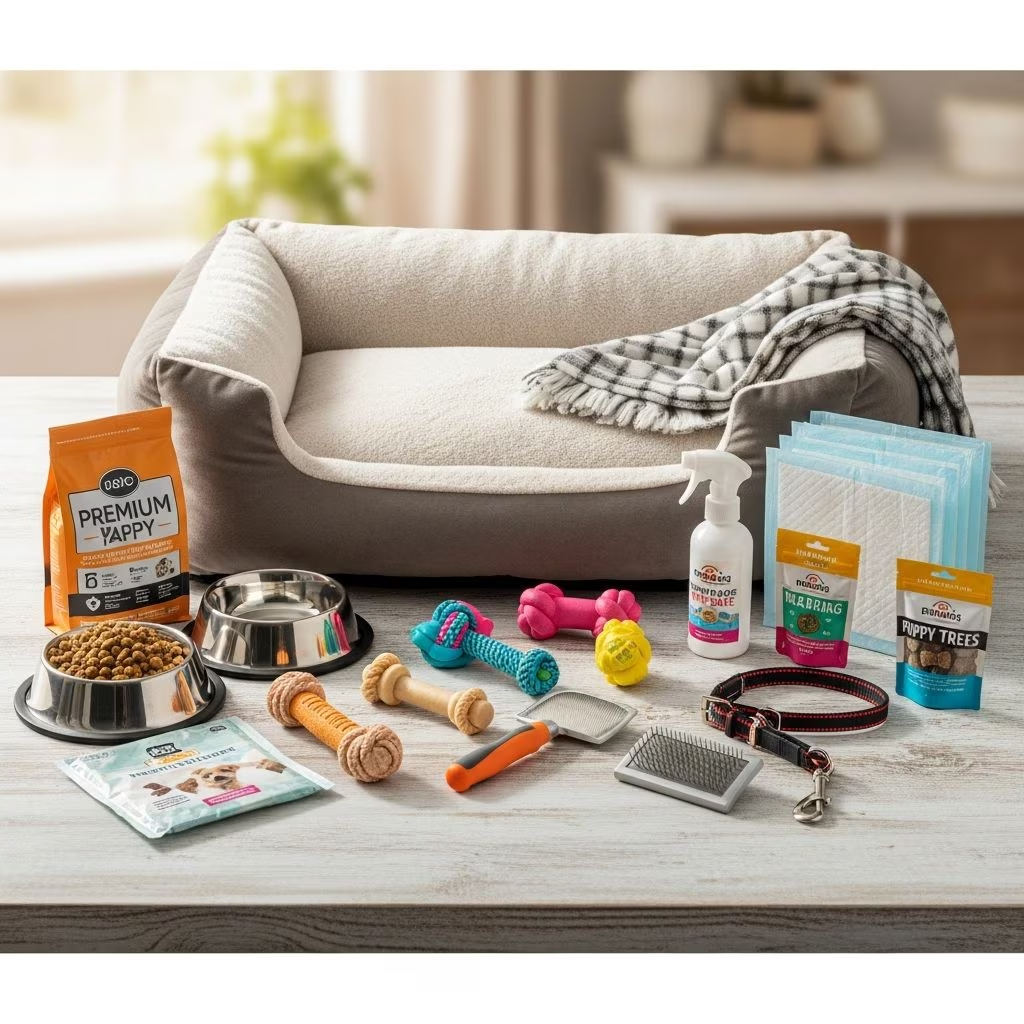
New Puppy Checklist: 9 Things You Need Before Bringing Home Your New Puppy
Bringing a new puppy into your home is an exciting and joyful experience. However, preparation is key to ensuring your new furry friend has a smooth transition into their forever home. Before your puppy arrives, you’ll want to make sure you have all the essential supplies and that your home is puppy-proofed. This comprehensive guide covers the nine most important things you need to have ready before bringing your new puppy home.
1. A Safe and Comfortable Sleeping Space
One of the first things your new puppy will need is a designated sleeping area where they can feel secure and comfortable. A crate or puppy bed is essential for creating a safe haven for your pup. Puppies love having their own cozy space, and providing one helps them feel secure in their new environment.
When choosing a crate, ensure it’s appropriately sized so your puppy can stand up, turn around, and lie down comfortably, but not so large that they can use one end as a bathroom and the other as a sleeping area. This sizing is crucial for housetraining success, as dogs instinctively avoid soiling where they sleep. Consider getting a crate with a divider panel that allows it to grow with your puppy, preventing the need for multiple crates as they develop.
In addition to a crate, invest in a quality dog bed placed in a quiet location where your puppy won’t be disturbed. Your puppy should be able to lie completely stretched out without hanging over the edge. Given how quickly puppies grow, it’s best to purchase an adult-sized bed from the beginning. Add soft blankets and bedding to keep your puppy warm and comfortable during those early nights.
2. Food and Water Bowls
Your puppy will need separate food and water bowls to stay nourished and hydrated throughout the day. Choose bowls made from durable, easy-to-clean materials such as stainless steel or ceramic, which are more hygienic than plastic options that can harbor bacteria.
Select appropriately sized bowls for your puppy’s current size, keeping in mind that they’ll grow quickly. Consider elevated feeders for larger breeds, as they can reduce strain on your puppy’s neck and joints during meals. Having designated food and water stations helps establish routine and keeps your home organized.
3. High-Quality Puppy Food
Proper nutrition is fundamental to your puppy’s healthy development. Before bringing your puppy home, determine what food they’ve been eating and have some on hand. If you plan to transition to a different food, do so gradually over 7-10 days to avoid digestive upset.
Choose a complete and balanced puppy food formulated specifically for your puppy’s age and expected adult size. Large breed puppies have different nutritional requirements than small breed puppies, particularly regarding calcium and phosphorus levels. Consult with your veterinarian to select the best food option for your new companion. Stock up on enough food for at least the first few weeks to ensure consistency in their diet.
4. Collar, Leash, and ID Tag
Identity and control during walks are essential for your puppy’s safety. An adjustable collar made from cotton or nylon is perfect for growing puppies. Your puppy’s first job is to grow, so you’ll need to check the collar frequently to ensure it still fits properly, allowing approximately two fingers of space between the collar and your puppy’s neck.
A collar should always have an ID tag with your name and phone number attached, as this is a legal requirement in many areas. Additionally, invest in a quality leash or lead for training and outdoor adventures. Training leashes are excellent options for new puppies, as they allow you to teach proper walking behavior and keep your puppy close during backyard playtime.
Consider also getting a harness that provides more control over your puppy’s movement and reduces strain on their delicate neck during walks. A soft, adjustable harness designed for puppies is ideal, as it’s often harder for wiggly pups to slip out of and offers peace of mind during outdoor activities.
5. Car Safety Restraint
Safe transportation is crucial when bringing your puppy home and for future veterinary visits. A car harness, carrier, or travel crate ensures your puppy stays secure while traveling. Never allow your puppy to roam freely in the car, as this poses safety risks to both your pup and your family.
Choose a restraint appropriate for your puppy’s current size and breed. Many pet parents prefer travel crates for smaller puppies and harnesses for larger ones. Whatever option you select, ensure your puppy is acclimated to it before your first car ride to minimize stress and anxiety.
6. Toys and Chew Items
Puppies are naturally curious and love to explore their world through play and chewing. Stock your home with lots of age-appropriate toys to keep your puppy entertained and engaged. Toys serve multiple purposes: they provide mental stimulation, help with teething relief, and redirect chewing behavior away from your furniture and belongings.
Include a variety of toy types in your collection:
- Chew toys: Textured chew toys soothe sore gums during teething and save your shoes and furniture from becoming chew victims.
- Squeaky toys: These engage your puppy’s senses and encourage interactive play.
- Tug toys: Tug-of-war toys are excellent for interactive play between you and your puppy.
- Training toys: Toys that can be stuffed with treats provide mental enrichment and reward-based engagement.
Always supervise your puppy with new toys, and avoid items that are too hard, have loose strings, stuffing, or squeakers that could become choking hazards. Regularly inspect toys for signs of wear and tear, replacing them promptly as needed.
7. Housetraining Supplies
Setting up your puppy for successful housetraining requires the right tools and supplies. Puppy pads, poop bags, and enzyme cleaner are essential for managing accidents and outdoor bathroom breaks.
Puppy pads have a special scent that attracts puppies to use them for bathroom breaks, making them especially useful for apartment dwellers who may not have quick outdoor access. As your puppy develops bladder control, gradually move the pads closer to the door you’ll use for outdoor potty breaks. Stock up on plenty of poop bags for walks and outdoor bathroom breaks in your neighborhood.
Consider investing in an enzyme-based cleaner to neutralize urine odors and stains. This helps prevent your puppy from repeatedly using the same spots for accidents. Some pet parents also find urine detectors helpful for locating accidents that might otherwise go unnoticed.
8. Grooming and Dental Care Supplies
Establishing good grooming habits early sets the foundation for lifelong health and hygiene. Essential grooming supplies include a brush or comb, dog shampoo, and dental care items.
Select grooming tools based on your puppy’s coat type:
- Bristle brush: Bristle length should match your dog’s coat—short bristles for short-haired breeds, longer bristles for long-haired breeds. These create smooth, shiny coats in all dogs.
- Undercoat rake: Dogs with thick, heavy, or double coats benefit from rakes with widely set teeth that remove dead undercoat hair.
- Comb: A fine-toothed comb helps identify and remove any parasites or mats.
Dental health is essential for your puppy’s overall wellbeing. Get your puppy accustomed to mouth checks and tooth brushing early by investing in a puppy-specific toothbrush and toothpaste. Regular dental care prevents future health issues and makes veterinary dental exams smoother as your dog ages.
Have dog shampoo on hand for bathtime, and keep at least two dry towels available—one is never enough! These items help maintain your puppy’s cleanliness and comfort.
9. Training Treats and Calming Aids
Training treats are invaluable tools for teaching your new puppy good behavior and establishing positive associations with training. Tiny, soft, bite-sized training treats are ideal for rewarding your puppy throughout the day without overfeeding. Look for low-calorie options that allow you to reward good behavior frequently while maintaining proper nutrition.
Additionally, consider using calming aids to help your puppy adjust to their new home. Plug-in diffusers that release calming pheromones can be beneficial during the first few weeks, helping your puppy feel more relaxed around the home, especially during those critical first nights. These pheromones mimic natural calming scents that help reduce anxiety and stress.
Preparing Your Home
Beyond gathering supplies, preparing your physical space is equally important. Puppy-proof your home by removing hazards and securing dangerous items. Store cleaning products, cables, and medications out of your puppy’s reach. Remove or secure anything they shouldn’t chew, and consider what might become accessible as they grow.
Set up puppy gates and playpens to restrict your puppy’s access to certain areas while they’re unsupervised. This containment strategy prevents accidents and keeps them safe. Ensure your puppy has a designated space to explore safely from their crate or bed.
Establishing Routines
Puppies thrive on consistency and structure. Try to keep meal, play, and bed times at the same time every day, as well as walk times once they’re able to go outside. Establishing these routines helps your puppy feel secure and facilitates housetraining success.
Frequently Asked Questions
Q: How much does it cost to prepare for a new puppy?
A: Initial costs vary depending on your choices, but expect to spend $500-$1,500 on essential supplies. This includes a crate, bed, bowls, food, toys, grooming supplies, and basic veterinary care. Quality items may cost more upfront but often last longer.
Q: Should I buy a large crate to accommodate my puppy’s future growth?
A: No. Buy a crate appropriate for your puppy’s current size and use a divider panel to adjust the space as they grow. A crate that’s too large defeats the housetraining purpose and makes your puppy feel insecure.
Q: What type of collar is best for a growing puppy?
A: An adjustable collar made from cotton or nylon is ideal. Check the fit frequently as your puppy grows, ensuring you can fit two fingers between the collar and their neck.
Q: Can I use human toothpaste on my puppy?
A: No. Always use dog-specific toothpaste, as human toothpaste contains ingredients that are harmful to dogs. Start familiarizing your puppy with tooth brushing early for easier maintenance as they age.
Q: How should I choose between puppy pads and outdoor training?
A: For puppies with limited outdoor access, puppy pads are helpful initially. Gradually transition to outdoor training by moving pads closer to your exit door. Most puppies eventually transition fully to outdoor bathroom breaks as their bladder control improves.
Q: What should I do if my puppy is afraid of their new home?
A: Create a safe, quiet space for your puppy to decompress. Use calming aids like pheromone diffusers, maintain consistent routines, and spend quality time bonding. Give them time to adjust gradually to their new environment.
References
- New puppy checklist — PDSA. Accessed 2025. https://www.pdsa.org.uk/pet-help-and-advice/looking-after-your-pet/puppies-dogs/new-puppy-checklist
- New Puppy Checklist: Everything You Need to Know — Eukanuba. Accessed 2025. https://www.eukanuba.com/nz/articles/dog-care/new-puppy-checklist-everything-you-need-to-know
- Puppy supplies: the essentials — PetSmart Learning Center. Accessed 2025. https://www.petsmart.com/learning-center/dog-care/puppy-supplies-the-essentials/A0208.html
- New Puppy Checklist: Gear You’ll Need for Your New Dog — American Kennel Club. Accessed 2025. https://www.akc.org/expert-advice/puppy-information/new-puppy-checklist/
- New Puppy Checklist: Essentials for Your New Dog — PetMD. Accessed 2025. https://www.petmd.com/dog/general-health/new-puppy-checklist
- My New Puppy Checklist: Everything I’m Buying for Our Dog Home — Woman’s Day. Accessed 2025. https://www.womansday.com/life/pet-care/g67985920/my-puppy-checklist-everything-im-buying-to-bring-our-new-dog-home/



