New Puppy Alone Time Guide
Master the art of safely leaving your new puppy alone with proven strategies for independence and reduced anxiety.
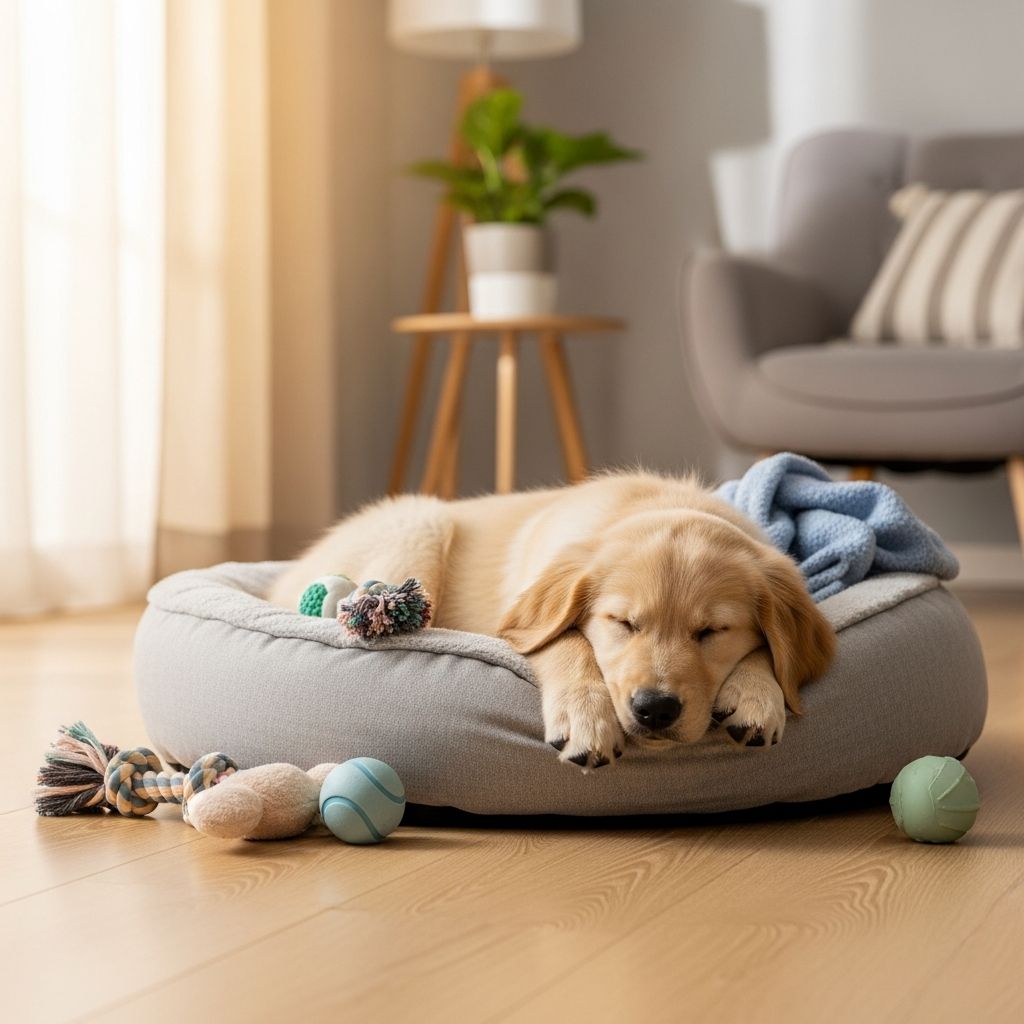
Bringing home a new puppy is thrilling, but teaching them to handle alone time is crucial for their development and your peace of mind. Start with short separations to build confidence and prevent future behavioral problems.
Why Alone Time Matters for Puppies
Puppies naturally crave companionship, yet learning independence fosters emotional resilience. Early exposure to brief solitude helps them adapt to real-life scenarios like when owners work or run errands. Without this, separation distress can emerge, leading to excessive barking, destructive chewing, or house soiling.
During the first weeks, puppies under 12 weeks have limited bladder control and high energy, making structured alone time essential. Consistency in routines signals safety, reducing stress hormones and promoting secure attachment.
Setting Up the Perfect Puppy Space
Create a secure ‘base camp’ before your puppy arrives. This confines them safely during absences, stocked with comforts to associate solitude with positivity.
- Crate Selection: Choose a wire crate sized so the puppy can stand, turn, and lie down comfortably. Cover three sides for den-like security.
- Playpen Integration: Combine with an exercise pen for awake periods, allowing movement without full house access.
- Comfort Items: Include a blanket scented with your smell, safe chews, and a ticking clock to mimic a heartbeat.
- Location: Place near family activity initially, transitioning to quieter spots as confidence grows.
Puppy-proof by removing hazards: cords, small objects, toxic plants. Baby gates block off risky areas, ensuring good choices are easy.
Day One: Easing Into Independence
Your puppy’s debut day sets the tone. Limit excitement to avoid overwhelm, focusing on calm introductions.
- Arrival Routine: Head straight to the potty spot upon entering. Praise elimination lavishly with treats and verbal cues like ‘outside’.
- Family Meets: Sit on the floor; let puppy approach. Keep sessions short to prevent overstimulation.
- First Meal and Water: Offer in the base camp. Consistent feeding times predict potty needs.
- Initial Alone Test: After potty, crate with a high-value chew. Step out for 1-2 minutes, returning before distress.
Observe signals: yawning, lip-licking indicate stress. Extend time gradually only if calm.
Building a Daily Schedule for Success
Routines anchor puppy security. Align feeding, play, potty, and naps with alone practice.
| Time | Activity | Alone Time Goal |
|---|---|---|
| 7 AM | Potty, Breakfast | 5 min crate post-meal |
| 9 AM | Play/Training | 10 min pen |
| 12 PM | Lunch, Potty | 15 min crate |
| 3 PM | Walk/Play | 20 min alone |
| 6 PM | Dinner | 10 min post-feed |
| 9 PM | Quiet Play, Bed | Overnight crate |
Adjust for age: 8-week-olds need breaks every 45-60 minutes when awake. Feed 3x/day puppy formula; transition slowly if switching foods.
Incorporate leash training in yard for short outings, avoiding unvaccinated public areas.
Crate Training: The Foundation of Alone Time
Crates mimic dens, curbing accidents and aiding sleep. Puppies sleep 16-20 hours daily, thriving in this sanctuary.
- Introduce with treats: Toss inside, praise entry. Never force.
- Mealtime in crate: Builds positive links.
- Practice door closures: Start open, progress to brief latches with toys.
- Night Setup: Bedroom placement reassures; hand near crate soothes whines without reinforcing.
If midnight potty needed, carry silently outside, no play. Return immediately. Progress to 4-6 hour stretches by week 2.
Navigating Nights and Witching Hours
Nights challenge most puppies. ‘Witching hour’ (evening frenzy) precedes bedtime.
Evening Wind-Down: Dim lights, short play, final potty. Crate with frozen Kong for self-soothing.
Whining protocol:
- Ignore non-potty cries to avoid reward.
- Quiet potty trips only if under 10 weeks.
- Use white noise to mask house sounds.
By day 7, many settle for 5-7 hours.
Spotting and Solving Separation Anxiety
Early signs: frantic barking, escape attempts, drooling when alone. Prevention trumps cure.
- Desensitize Cues: Pick up keys, sit down. No departure.
- Counter-Condition: Treat for calm crate time.
- Gradual Escalation: 30 seconds to 1 hour over weeks.
Severe cases warrant vet check for medical issues. Patience yields independent pups.
Common Pitfalls and Fixes
| Issue | Symptom | Solution |
|---|---|---|
| Accidents | Indoor elimination | Frequent potty breaks, same-spot consistency |
| Chewing | Destroyed items | Supervise or crate; provide 10+ rotations of toys |
| Whining | Constant cries | Wait for 5-sec quiet before release |
| Refusal to Eat | No interest in food | Secure spot, vet if >24 hours |
Long-Term Independence Strategies
Beyond week 1, expand freedoms: room-by-room house access post-success. Enroll in puppy classes for socialization after vaccines.
Track progress: Aim for 2-4 hours alone by month 2, using puzzle toys for mental fatigue.
Frequently Asked Questions
Can I leave my 8-week puppy alone all day?
No. Limit to 2 hours max; use dog walker or daycare.
What if my puppy cries in the crate?
Ensure potty needs met, then ignore brief whines. Comfort verbally without opening.
How do I stop destructive behavior when alone?
Exercise beforehand, rotate chews, film absences to diagnose.
Is a crate cruel for puppies?
No, when introduced positively; it’s their safe haven.
When to worry about separation anxiety?
If escalation after consistent training; consult behaviorist.
References
- The First Week with a Puppy: What to Expect Day and Night — Purina. 2023. https://www.purina.com/articles/dog/puppy/getting-a-puppy/puppys-first-week-home
- New Puppy Checklist: Everything You Need for the First 30 Days — LevittownVet. 2024. https://www.levittownvet.com/new-puppy-checklist-everything-you-need-for-the-first-30-days/
- Your First Day at Home With a New Puppy: Tips for Day One — American Kennel Club. 2024. https://www.akc.org/expert-advice/puppy-information/first-day-new-puppy/
- Caring For Your Puppy – 6 weeks to 12 months — RSPCA. 2023. https://www.rspca.org.uk/adviceandwelfare/pets/dogs/health/puppycare
- What to do With a New Puppy: A Guide to the First Week — 3 Lost Dogs. 2023. https://www.3lostdogs.com/what-to-do-with-a-new-puppy-a-guide-to-the-first-week/
- The First Week Home: What to Expect With Your New Puppy — YouTube (McCann Dogs). 2022. https://www.youtube.com/watch?v=9dwUfJJFDcI
Similar Articles








Read full bio of medha deb