

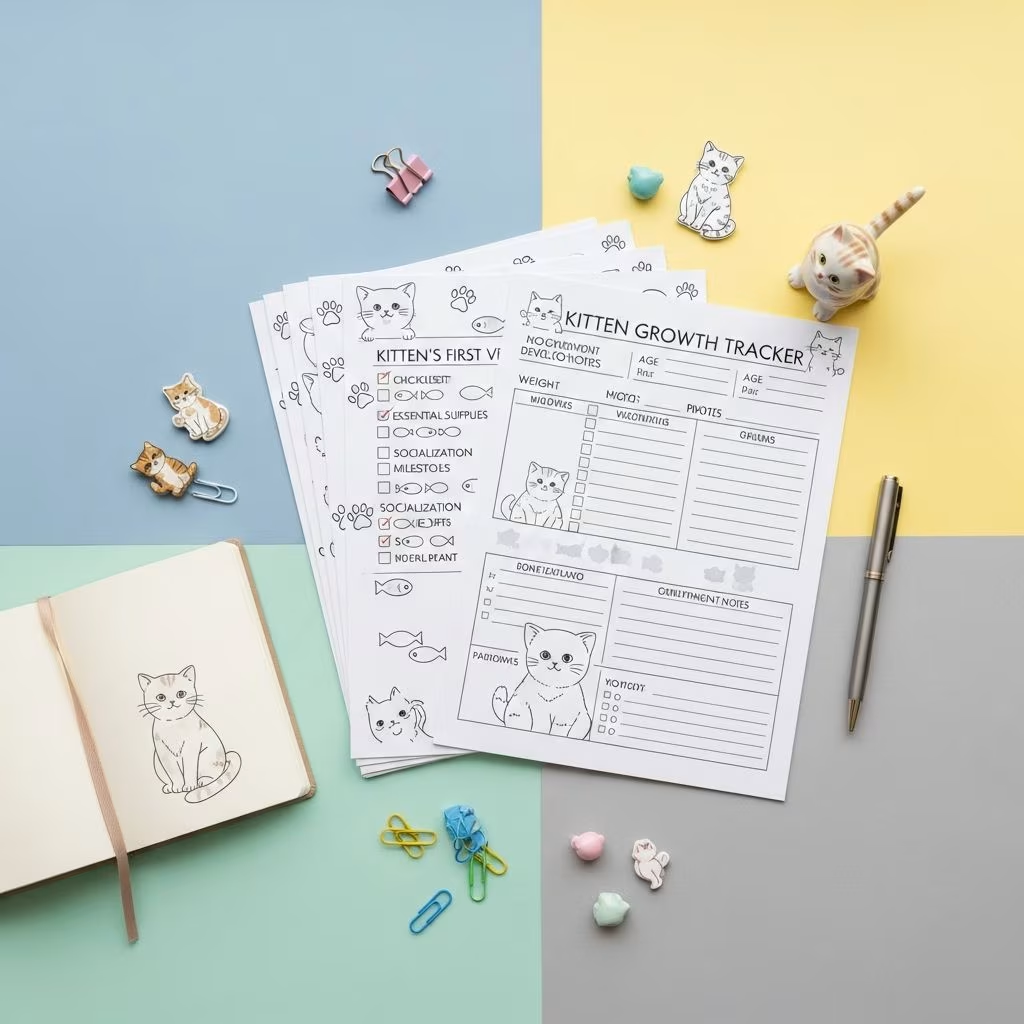
New Kitten Printables: Complete Guides and Checklists for First-Time Cat Parents
Bringing a new kitten into your home is an exciting and rewarding experience, but it also requires careful preparation and ongoing management. To help new kitten parents stay organized and ensure their feline companions receive the best possible care, we’ve compiled a comprehensive collection of free printables that you can download or print for easy reference. These resources are designed to simplify the kitten onboarding process and help you track essential information throughout your kitten’s early development.
New Kitten Must-Haves Checklist
The first step in preparing for your new kitten’s arrival is ensuring you have all the essential supplies on hand. A well-organized must-haves checklist helps you avoid last-minute shopping trips and ensures your kitten has everything needed for a smooth, safe, and comfortable welcome home.
Before bringing your new kitten home, make sure you’re well-stocked on the essentials to ensure a smooth, safe, and most-comfortable welcome. These must-have supplies include everything from the basics, like food and water bowls, a litter box, and a collar with an ID tag, to items that’ll help keep your kitty happy and healthy, like toys, scratchers, and cat trees.
Core supplies your new kitten needs include:
– High-quality kitten food formulated for growth and development- Shallow yet wide food and water bowls made of non-toxic materials- A litter box with kitten-appropriate litter- A cozy cat bed for comfortable rest- Interactive toys and scratching posts- A collar with an ID tag for safety- Nail clippers for regular maintenance- Grooming supplies including brushes- Cat carriers for safe transportation- Litter scoops and waste disposal bags
Having these items ready before your kitten arrives will help reduce stress for both you and your new pet. The must-haves checklist serves as your purchasing guide, ensuring you don’t overlook any critical items. Consider printing this checklist and bringing it with you when shopping for kitten supplies, checking off items as you add them to your cart.
Kitten Feeding Schedule Tracker
Proper nutrition is fundamental to your kitten’s growth and development. Because kittens grow so quickly, determining how much—and how often—to feed them can be tricky. A kitten feeding schedule tracker is an invaluable tool for maintaining consistency and preventing both underfeeding and overfeeding.
Young kittens require multiple small meals throughout the day. A well-designed feeding schedule helps you document exactly when you’re feeding your kitten, how much food you’re providing, and any dietary changes or observations. This information becomes particularly important when multiple people are caring for the kitten, as an accurate and up-to-date feeding schedule can help eliminate confusion and ensure everyone is following the same routine.
Benefits of using a kitten feeding schedule tracker:
– Monitors feeding frequency and portion sizes based on age and weight- Prevents accidental double-feeding when multiple caregivers are involved- Helps identify feeding-related behavioral patterns- Tracks transitions between feeding schedules as your kitten grows- Documents any dietary adjustments or special food introductions- Provides records for veterinary consultations
Your kitten’s feeding needs will evolve as they grow. Newborn kittens may need to be bottle-fed every 2-3 hours, while 8-week-old kittens typically eat 3-4 times daily. By 6 months, most kittens transition to twice-daily feeding. Your feeding schedule tracker helps you document these important transitions and ensures your kitten receives appropriate nutrition at each developmental stage.
Kitten’s First Vet Visit Checklist
The first veterinary visit is a crucial milestone in your kitten’s healthcare journey. This initial appointment allows your veterinarian to conduct a comprehensive health assessment, establish a baseline medical record, and discuss preventative care measures. To ensure this visit is productive and stress-free, a dedicated first vet visit checklist is invaluable.
With your kitten safely snuggled in their carrier and your keys in hand, you’ll want to make sure you haven’t forgotten anything important. A comprehensive vet visit checklist helps assure a smoother and less stressful trip to the veterinary clinic while ensuring you have all necessary documentation and information readily available.
Essential items to bring to your kitten’s first vet visit:
– A secure, comfortable pet carrier with familiar bedding or a favorite toy- Any available medical records from the breeder or shelter- A record of any medications or supplements the kitten has received- Documentation of current feeding and litter box habits- Notes about any health concerns or behavioral observations- Completed veterinary forms and registration paperwork- Your insurance information and payment method- A list of questions or concerns about kitten care- Records of any previous vaccinations or treatments
During this visit, your veterinarian will perform a thorough physical examination, discuss an appropriate vaccination schedule, test for feline leukemia and feline immunodeficiency virus, and provide guidance on nutrition, behavioral development, and parasite prevention. Having this checklist ensures you won’t forget critical information that could impact your kitten’s care recommendations.
Kitten Vaccination and Medical Records Tracker
Maintaining accurate vaccination and medical records is essential for your kitten’s long-term health. A vaccination tracker helps you stay organized and ensures your kitten receives all necessary immunizations on schedule. This becomes especially important as your kitten transitions from early vaccinations to booster shots and eventually to adult cat healthcare protocols.
Your kitten will require a series of vaccines starting at 6-8 weeks of age, typically including FVRCP (feline viral rhinotracheitis, calicivirus, and panleukopenia) vaccines. Additional boosters are usually given every 3-4 weeks until 16 weeks of age. Rabies vaccination is also critical and required by law in most areas. A dedicated tracker helps you monitor:
– Vaccination dates and types administered- Veterinarian name and clinic contact information- Next scheduled appointment reminders- Booster shot timelines- Any adverse reactions or side effects observed- Medical test results and health screenings- Parasite prevention treatments (flea, tick, and worm control)- Microchip information and registration details
Kitten Development and Milestone Tracker
As your kitten grows, tracking developmental milestones provides valuable insights into their progress and helps identify any potential health or behavioral concerns. A milestone tracker documents important achievements such as:
– Eye opening and vision development (typically 7-10 days)- Ear opening and hearing development (typically 5-8 days)- First wobbly steps and mobility improvement- Eruption of deciduous teeth (baby teeth)- Weaning from mother’s milk or formula- Litter box training success- Introduction to solid kitten food- Socialization milestones and behavioral development- Weight and growth measurements
This tracker helps you recognize normal development patterns and provides important information to share with your veterinarian during regular check-ups, ensuring your kitten is developing appropriately for their age.
Behavioral Observation and Training Log
Understanding your kitten’s behavior during their first weeks at home is crucial for proper socialization and training. A behavioral observation log helps you document important patterns such as:
– Comfort level with handling and touch- Interactions with other pets or family members- Play preferences and toy favorites- Eating and drinking habits- Litter box usage and any accidents- Sleep patterns and rest cycles- Signs of stress, fear, or anxiety- Positive behaviors to reinforce- Training progress and achievements
This information helps you understand your individual kitten’s personality and needs, allowing you to provide appropriate environmental enrichment and training interventions. Sharing these observations with your veterinarian or a feline behavior specialist can help address any concerns early.
Expense and Care Budget Tracker
Preparing for a new kitten involves financial planning. An expense tracker helps you budget for initial setup costs and ongoing care expenses, including:
– Initial supplies and equipment purchases- Veterinary examination and vaccination costs- Premium kitten food and nutrition- Litter and litter box supplies- Toys and enrichment items- Grooming supplies and services- Pet insurance premiums- Microchipping and ID tags- Emergency medical fund allocations
How to Use These Printables Effectively
To maximize the benefit of these printable resources, consider the following strategies:
Organization and Accessibility: Print multiple copies of frequently-used checklists and keep them in easily accessible locations. Post your feeding schedule on the refrigerator where all household members can see it, and keep veterinary checklists near your phone for quick reference when scheduling appointments.
Regular Updates: Review and update your trackers regularly, ideally daily for feeding schedules and weekly for behavioral observations. This consistent documentation creates a comprehensive record of your kitten’s development.
Communication Tool: These printables serve as excellent communication tools for households where multiple people care for the kitten. Shared documents eliminate confusion about feeding times, medical appointments, and behavioral observations.
Veterinary Records: Maintain organized copies of all medical records, vaccination trackers, and health observations in a folder or binder that you can bring to veterinary appointments. This comprehensive record helps your veterinarian provide the best possible care.
The Importance of Preparation and Organization
Bringing a new kitten home is an exciting journey, but success requires thoughtful preparation and consistent management. These printable resources transform kitten care from a potentially overwhelming process into an organized, manageable system. By utilizing these tools, you ensure that critical information is never forgotten, medical schedules stay on track, and your kitten receives the consistent, high-quality care they need to thrive.
Whether you’re a first-time kitten parent or an experienced cat owner, these printables provide valuable structure and peace of mind. They help you stay on top of feeding schedules, veterinary appointments, vaccinations, and behavioral development while creating a paper trail that documents your kitten’s early life and health journey.
Frequently Asked Questions
Q: Where can I find and download these kitten printables?
A: These printables are available for free download from Chewy’s education hub. You can access them directly from their website, print them immediately, or save them to your device for digital use.
Q: How often should I update my kitten’s feeding schedule tracker?
A: You should update your feeding schedule tracker daily, ideally noting the exact time of feeding and amount provided. This consistency is especially important during the first few weeks when multiple household members may be caring for your kitten.
Q: What should I do if my kitten misses a vaccination appointment?
A: Contact your veterinarian immediately to reschedule. It’s crucial to maintain your kitten’s vaccination schedule to ensure they’re protected against serious diseases. Your vaccination tracker will help you keep these appointments organized.
Q: Can I customize these printables for my household’s specific needs?
A: Absolutely. While the provided printables are comprehensive, you can personalize them by adding additional tracking fields, notes sections, or formatting that works best for your family’s routine and preferences.
Q: How long should I keep my kitten’s medical and behavioral records?
A: Keep vaccination and medical records throughout your cat’s lifetime. These records are essential for future veterinary care and can prove valuable if your cat ever requires emergency treatment or develops health issues later in life.
References
- New Kitten Checklist: 11 Things Your New Kitten Needs — Chewy. 2024. https://www.chewy.com/education/cat/new-cat/new-kitten-checklist
- What to Feed Kittens: Kitten Feeding Guide for Every Lifestage — Chewy. 2024. https://www.chewy.com/education/cat/food-and-nutrition/what-to-feed-kittens
- How to Socialize a Kitten: An Expert Guide to Introducing Your Cat to the World — Chewy. 2024. https://www.chewy.com/education/cat/training-and-behavior/how-to-socialize-a-kitten
- How Much To Feed a Kitten — Chewy. 2024. https://www.chewy.com/education/cat/new-cat/how-much-to-feed-your-kitten
- New Cat and Kitten Product Checklist for Every Life Stage — Chewy. 2024. https://www.chewy.com/education/cat/new-cat/new-cat-product-checklist-for-every-life-stage



