New Kitten Printables: Essential Checklists & Trackers
Free printable checklists and trackers to help you prepare for your new kitten's arrival and first vet visit.
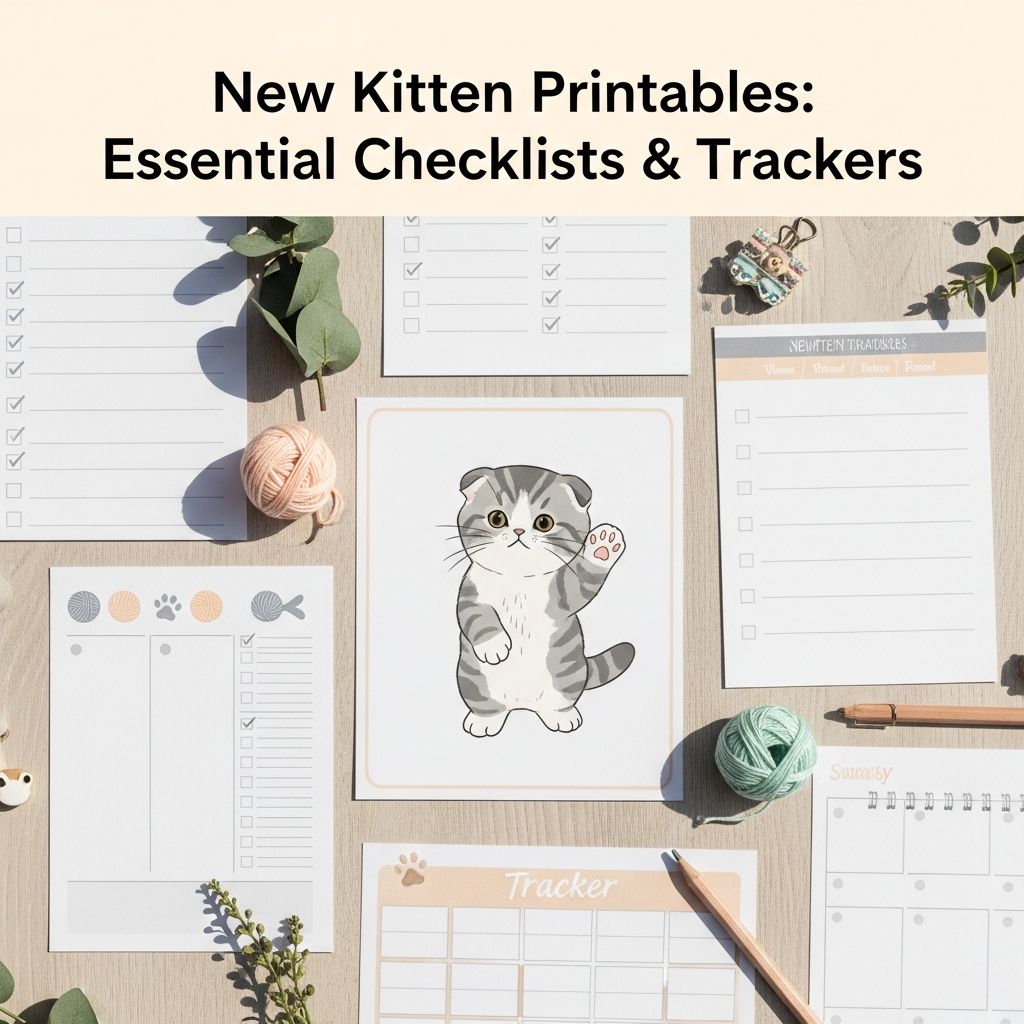
New Kitten Printables: Essential Checklists and Trackers for New Pet Parents
Bringing a new kitten into your home is an exciting experience, but it also comes with significant responsibility. To help you navigate the early weeks and months of kitten parenthood, having organized tools at your fingertips can make all the difference. Free printable checklists and trackers provide a simple yet effective way to stay on top of feeding schedules, veterinary appointments, and essential supplies. Whether you’re a first-time kitten owner or an experienced cat parent, these downloadable resources can help ensure your new feline companion receives the best possible care from day one.
Why Printable Checklists Matter for New Kitten Owners
Preparing for a new kitten requires thoughtful planning and attention to detail. Printable checklists serve as visual reminders of everything you need to accomplish before your kitten arrives home. They eliminate guesswork and help you avoid forgetting critical items or tasks. Having a tangible checklist you can reference, check off items as you acquire them, or post on your refrigerator keeps everyone in your household informed and accountable. This organized approach reduces stress and ensures your kitten has everything needed for a smooth, safe, and comfortable transition to their new home.
New Kitten Must-Haves Checklist
Before bringing your new kitten home, comprehensive preparation is essential. The New Kitten Must-Haves Checklist covers all the basics and beyond, ensuring you don’t overlook anything important. This printable resource guides you through acquiring everything from fundamental supplies to items that contribute to your kitten’s happiness and wellbeing.
Essential Supplies to Gather
The foundation of kitten care starts with the right supplies. Your checklist should include:
– High-quality kitten food formulated for growth and development- Non-toxic food and water bowls that are appropriately sized and wide to prevent whisker irritation- A litter box and kitten-appropriate litter- A comfortable collar with an ID tag for identification and safety- A cozy kitten bed where they can rest during their frequent naps- Scratching posts and cat trees for climbing, scratching, and mental stimulation- Age-appropriate toys for play and exercise- A carrier for safe transportation to veterinary appointments and other destinations- Grooming supplies including a brush and nail clippers- Flea and tick prevention products recommended by your veterinarian
Items for Comfort and Development
Beyond the basics, several items contribute significantly to your kitten’s comfort and developmental needs. Hunting toys such as wands and laser pointers provide essential mental stimulation and exercise. Paper bags and empty boxes offer inexpensive entertainment that many kittens find irresistible. Nail caps can help protect your furniture while your kitten develops healthy scratching habits. Additionally, stain and odor removers formulated specifically for pet accidents are invaluable during the litter training phase.
Kitten Feeding Schedule Tracker
One of the most critical aspects of raising a healthy kitten is establishing and maintaining a consistent feeding schedule. Because kittens grow rapidly and their nutritional needs change frequently, tracking feeding times and portions prevents both underfeeding and overfeeding. A printable kitten feeding schedule tracker helps you monitor your kitten’s diet with precision and clarity.
Why Feeding Schedules Matter
Kittens have unique nutritional requirements that differ significantly from adult cats. Very young kittens need multiple small meals throughout the day to support their rapid growth and development. As they mature, the frequency and quantity of meals adjust accordingly. A feeding schedule tracker ensures you provide the right amount of food at the right times, supporting optimal growth and preventing digestive upset.
Benefits of Using a Feeding Tracker
A printable feeding schedule offers several advantages, particularly in multi-person households. When more than one person cares for the kitten, a written schedule eliminates confusion about who fed the kitten and when. This prevents accidental double-feeding or periods where the kitten goes without food. The tracker also helps you monitor your kitten’s appetite and eating habits, providing valuable information to share with your veterinarian during check-ups. Additionally, observing eating patterns can help you identify potential health issues early, as changes in appetite often signal problems requiring veterinary attention.
Implementing Your Feeding Schedule
Your tracking system should include columns for the date, time of feeding, type and amount of food provided, and notes about your kitten’s response to meals. Some templates also include space for recording water intake, which is equally important for maintaining your kitten’s health. By reviewing this information regularly, you can make informed decisions about adjusting portions as your kitten grows and identify any patterns or concerns that warrant veterinary consultation.
Kitten’s First Vet Visit Checklist
Your kitten’s first veterinary appointment is a milestone event in their young life. This visit establishes a relationship with your veterinarian, addresses immediate health concerns, and sets the foundation for preventive care throughout your kitten’s life. A dedicated vet visit checklist helps you prepare thoroughly and ensure you don’t forget critical items or information.
What to Bring to the Vet Visit
Preparation begins before you leave home. First, ensure your kitten is safely transported in a carrier lined with their favorite blanket or toy for comfort and security. Gather all documents provided by the kitten’s previous caregiver, shelter, or breeder, including vaccination records, medical history, and adoption papers. If you haven’t received previous medical records, have information ready about your kitten’s age, weight, diet, and any behavioral observations you’ve noticed. Bring a list of questions or concerns you want to discuss with the veterinarian, and have your insurance information or payment method available.
Preparation Steps Before the Appointment
Several preparation steps ensure a smoother visit. Complete all veterinary-provided forms in advance when possible, rather than scrambling at the appointment. This demonstrates organization and allows the veterinarian more time to focus on your kitten’s health. Write down any specific questions about nutrition, behavior, socialization, or medical concerns. If your kitten has experienced any symptoms or unusual behavior, document the frequency, duration, and details so you can describe them accurately to the veterinarian. Having this information organized helps the vet provide more targeted and helpful guidance.
Topics to Discuss During Your Visit
Your first vet visit offers an excellent opportunity to gather professional guidance on several important topics. Discuss appropriate nutrition and feeding schedules for your kitten’s age and expected adult size. Ask about vaccination schedules, parasite prevention, and feline health screening. Inquire about spaying or neutering timelines, dental care, and expected growth milestones. Request recommendations for appropriate toys and enrichment activities, and discuss any behavioral concerns or questions you may have about raising your kitten successfully.
Additional Printable Resources for Kitten Care
Vaccination and Medical Record Tracker
Keeping accurate records of your kitten’s vaccinations and medical treatments is crucial for their long-term health. A printable vaccination tracker allows you to document each vaccine administered, the date received, the veterinarian’s name, and the next due date. This organized system ensures you never miss important booster shots and provides essential information for future veterinary care, boarding facilities, or if your kitten needs emergency treatment.
Growth and Development Milestone Chart
Tracking your kitten’s physical development helps you monitor healthy growth and identify potential issues early. A printable chart allows you to record your kitten’s weight at regular intervals, track changes in behavior and abilities, and note when developmental milestones occur. This information proves invaluable during veterinary visits and helps you celebrate your kitten’s progress from a tiny newborn to a healthy adult cat.
Behavior and Training Log
Documenting your kitten’s behavior patterns and training progress helps you identify effective techniques and address challenges more effectively. A printable log can track litter box training success, positive behaviors you want to reinforce, training milestones, and any behavioral concerns. This documentation helps you see patterns over time and provides useful information to share with your veterinarian if behavioral issues arise.
How to Use These Printable Resources Effectively
Digital vs. Printed Copies
These printable resources are designed for flexibility. You can download them to your phone or tablet for easy access and note-taking on the go, or print physical copies to post on your refrigerator, bathroom mirror, or other convenient locations. Many people prefer having printed copies readily visible as constant reminders, while others appreciate the convenience of digital access. Consider maintaining both formats—printed checklists in high-traffic areas and digital versions on your phone for reference during shopping trips or appointments.
Sharing Responsibility in Multi-Pet Households
In households where multiple people share kitten care responsibilities, printable checklists and trackers facilitate clear communication. Posting a feeding schedule in a visible location ensures everyone knows when the kitten was last fed and prevents accidental overfeeding. Similarly, sharing vaccination and medical records helps all caregivers stay informed about your kitten’s health status and upcoming appointments.
Maintaining Records Long-Term
These printable resources aren’t just useful during your kitten’s first weeks—maintain them throughout your cat’s life. Store completed checklists and records in a dedicated folder, either physical or digital, creating a comprehensive health and care history. This documentation becomes invaluable as your kitten grows into an adult cat and throughout their entire lifespan, providing veterinarians with a complete record of your pet’s medical history and development.
Preparing Your Home: Safety Considerations
While printable checklists focus on supplies and schedules, a comprehensive preparation plan must also address home safety. Before your kitten arrives, conduct a thorough home inspection to identify and eliminate hazards. Secure cabinets containing cleaning chemicals or medications, close toilet lids to prevent accidental falls, store human foods safely away from curious kittens, inspect all screens and doors for holes, and block access to appliances like blenders, water heaters, and furnaces. A kitten-proofing checklist helps ensure your home is a safe environment for your new companion to explore and play.
Nutrition and Feeding Guidelines
Proper nutrition forms the foundation of your kitten’s health and development. Kittens require high-quality food formulated specifically for growth and development, containing complete and balanced nutrition with essential amino acids like taurine and choline. Wet food provides additional hydration, which is particularly important for kittens. Your feeding schedule tracker should account for your kitten’s age, weight, and activity level, adjusting portions and frequency as they grow. Always provide fresh, clean water, and consult your veterinarian about the best food choices for your specific kitten’s needs.
Socialization and Early Experiences
The first weeks of your kitten’s life are critical for socialization and development. During this period, expose your kitten to various people, sounds, environments, and experiences in a gentle, controlled manner. Kittens benefit from regular, gentle handling that helps them become comfortable with human touch and prepares them for future veterinary examinations. Providing appropriate toys, scratching posts, and climbing structures supports their natural instincts and mental development. These early experiences shape your kitten’s personality and behavior throughout their adult life.
Frequently Asked Questions
Q: At what age should I start using a feeding schedule tracker?
A: Begin tracking feeding schedules as soon as your kitten arrives home, typically around 8-12 weeks of age when they transition to eating solid food independently. This establishes clear documentation from the beginning and helps prevent feeding inconsistencies.
Q: How often should I visit the veterinarian during my kitten’s first year?
A: Most veterinarians recommend multiple visits during your kitten’s first year—typically at 8, 12, and 16 weeks of age, with additional visits as needed for vaccinations, examinations, and health assessments. Your vet will provide a specific schedule during your first visit.
Q: Can I modify the printable checklists to fit my specific needs?
A: Absolutely. These printable resources are templates designed for customization. Feel free to add, remove, or modify items based on your kitten’s specific needs, your household situation, or your veterinarian’s recommendations.
Q: What information should I record in a medical tracker?
A: Include vaccination dates and types, deworming treatments, flea and tick prevention applications, veterinary visit dates and findings, weight measurements, and any medications or treatments administered. This comprehensive record helps veterinarians provide informed care.
Q: How long should I keep these printed records?
A: Maintain these records throughout your cat’s entire life. They provide valuable historical information for future veterinary care and help veterinarians understand your cat’s complete medical and developmental history.
Q: Are these printables suitable for kittens of all breeds?
A: These general printables work for all kitten breeds, though you may need to customize portions and feeding recommendations based on your kitten’s breed, size, and individual veterinarian guidance, particularly for larger or smaller breed varieties.
References
- New Kitten Checklist: 11 Things Your New Kitten Needs — Chewy. 2024. https://www.chewy.com/education/cat/new-cat/new-kitten-checklist
- What to Feed Kittens: Kitten Feeding Guide for Every Lifestage — Chewy. 2024. https://www.chewy.com/education/cat/food-and-nutrition/what-to-feed-kittens
- How Much To Feed a Kitten — Chewy. 2024. https://www.chewy.com/education/cat/new-cat/how-much-to-feed-your-kitten
- How to Socialize a Kitten: An Expert Guide to Introducing Your Cat — Chewy. 2024. https://www.chewy.com/education/cat/training-and-behavior/how-to-socialize-a-kitten
- 7 Things to Do When Raising a Kitten — Chewy. 2024. https://www.chewy.com/education/cat/new-cat/7-things-to-do-when-raising-a-kitten
- New Cat and Kitten Product Checklist – Chewy — Chewy. 2024. https://www.chewy.com/education/cat/new-cat/new-cat-product-checklist-for-every-life-stage
Similar Articles








Read full bio of Sneha Tete