

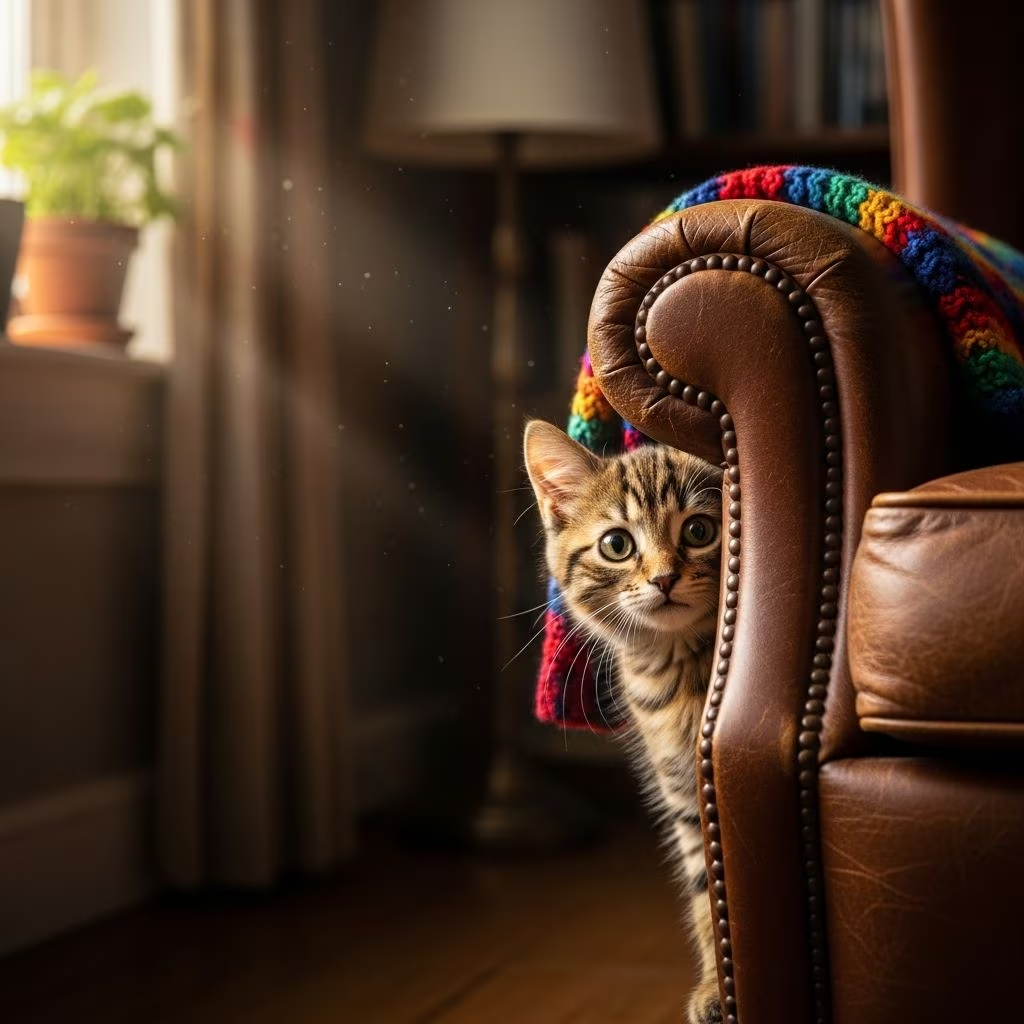
Your adorable new kitten has arrived, but instead of exploring every corner with boundless energy, it’s tucked away in a dark closet or under the bed. This behavior can worry any new pet parent. Hiding is a common response in young felines adjusting to unfamiliar surroundings, but understanding the underlying reasons helps you support their transition effectively.
Understanding the Instinctual Roots of Hiding
Cats, including kittens, are wired with survival instincts from their wild ancestors. Hiding serves dual purposes: as predators, they conceal themselves to stalk prey, and as potential prey, they seek safety from threats. In a home setting, this translates to retreating to enclosed, dark spaces during rest periods or when feeling vulnerable.
New kittens often amplify this behavior because their world has dramatically expanded—from a cozy litter to your bustling household. They prefer spots that block views from behind and below while allowing observation ahead, such as boxes, furniture undersides, or wardrobe corners.
Environmental Changes Triggering Retreat
A major move to your home is a top stressor for kittens. The barrage of new scents, sounds, and sights overwhelms their senses. Even subtle shifts like furniture rearrangement or construction noise can prompt hiding.
- New family members: Babies, guests, or other pets introduce unpredictable energy.
- Routine disruptions: Dietary switches or altered feeding times unsettle their security.
- External disturbances: Stray animals at windows or loud appliances like vacuums.
To ease this, maintain consistency. Set up a quiet ‘safe room’ with familiar bedding, litter, and toys from their previous environment.
Stress Signals Beyond Simple Hiding
Observe body language for clues. Stressed kittens show dilated pupils, flattened ears, splayed whiskers, or a hunched posture. They might freeze while staring at perceived threats or avert gaze entirely. Escalation leads to hissing or swatting.
Loneliness or lack of stimulation contributes too. Kittens thrive on play that mimics hunting, so insufficient interaction fosters isolation.
| Stress Sign | Playful Hiding | Anxious Hiding |
|---|---|---|
| Body Posture | Energetic, peeking out | Hunched, withdrawn |
| Eyes | Bright, alert | Dilated, wide |
| Behavior | Pouncing, inviting interaction | Avoidant, motionless |
This table helps distinguish normal play from distress.
Health Concerns Masquerading as Shyness
Illness prompts hiding as a protective mechanism—weak animals avoid predators in the wild. Watch for accompanying symptoms: appetite loss, litter box changes, sneezing, coughing, eye discharge, or lethargy.
Common culprits include urinary tract infections, respiratory issues, dental pain, or gastrointestinal upset. Pain is subtle; kittens mask it well until severe. Physical and emotional stress interconnect—sickness heightens anxiety, worsening hiding.
Any sudden or prolonged hiding, especially with other changes, warrants a vet visit to rule out medical issues.
Personality and Developmental Factors
Not all hiding signals trouble. Some kittens are naturally reserved, preferring observation over bold exploration. Playful hide-and-seek builds agility and confidence, differing from fearful seclusion by enthusiastic emergence.
Age matters: young kittens explore more post-adjustment, while seniors might hide due to cognitive decline or vulnerability. Rescue kittens carry past traumas, reacting to triggers like sudden noises years later.
Multi-Pet Dynamics and Introductions
Existing dogs or cats spark territorial fears. Rush introductions lead to prolonged hiding. Gradual exposure is key: separate spaces first, then scent swapping, followed by supervised short sessions.
- Provide individual resources: separate litter, food, and resting areas.
- Use pheromone diffusers to calm tensions.
- Monitor for bullying; intervene early.
Separation Anxiety in Independent Cats
Though seen as aloof, kittens bond deeply and suffer alone-time distress. Excessive hiding upon your departure, paired with vocalizing or destructiveness, indicates this. Enrich their environment with puzzle feeders and window perches to combat boredom.
Creating a Hiding-Friendly Yet Confident Home
Suppressing the urge to hide backfires; provide designated spots like cat trees, tunnels, or enclosed beds. These ‘safe havens’ reduce overall stress.
- Enrichment: Rotate toys, scratching posts, and climbing structures.
- Routine: Fixed play, feed, and sleep schedules.
- Gentle encouragement: Use treats or toys near hiding spots without forcing emergence.
- Pheromones: Synthetic feline calming products mimic maternal scents.
Patience pays off—most kittens emerge bolder within 1-2 weeks.
When to Seek Professional Help
If hiding persists beyond two weeks, accompanies health signs, or your kitten remains antisocial, consult a vet. They assess for pain, recommend behaviorists, or prescribe anti-anxiety aids if needed.
Track patterns: seasonal (warmer hides in winter spots), daily (noise peaks), or event-linked for insights.
FAQs
Is it normal for a new kitten to hide for days?
Yes, up to a week or two is typical during adjustment. Provide security without pressure.
How long should I wait before worrying?
Monitor for 48-72 hours if no eating/drinking; see vet sooner for other symptoms.
Can hiding indicate pain?
Absolutely—cats hide illness instinctively. Sudden changes demand checks.
What if my kitten hides from me specifically?
Build trust slowly with positive associations like feeding by hand.
Does breed affect hiding tendencies?
Shyer breeds like Persians may hide more, but environment trumps genetics.
Long-Term Strategies for a Confident Companion
Invest in ongoing socialization: daily interactive play, exposure to household sounds, and vertical spaces enhance security. Track progress in a journal to note improvements or regressions.
Ultimately, a hiding kitten isn’t rejecting you—it’s navigating a big world. With empathy and action, your bond strengthens as they blossom into a playful family member.
References
- Why Does My Kitten Hide From Humans — VCA Animal Hospitals. 2023. https://vcahospitals.com/pediatric/kitten/behavior-training/why-does-my-kitten-hide-from-humans
- New Kitten Hiding? Here are Five Potential Reasons — ManyPets. 2023. https://manypets.com/uk/articles/new-kitten-hiding/
- Why Is My Cat Hiding? — PetMD. 2024. https://www.petmd.com/cat/behavior/why-is-my-cat-hiding
- Why Is My Cat Suddenly Hiding? 7 Vet-Approved Reasons — Cat and Dog Clinic of Bellevue. 2025-07-01. https://www.catanddogclinicofbellevue.com/2025/07/01/why-is-my-cat-suddenly-hiding-7-vet-approved-reasons-to-know/
- Hiding Behavior in Cats — Feline Behavior Solutions. 2023. https://felinebehaviorsolutions.com/hiding-behavior-in-cats/
- Why Cats Hide and When You Should Be Concerned — Ellevet Sciences. 2023. https://www.ellevetsciences.com/blog/why-cats-hide-and-when-you-should-be-concerned/
- Cats Hiding — Cats Protection. 2024. https://www.cats.org.uk/help-and-advice/cat-behaviour/cats-hiding



