

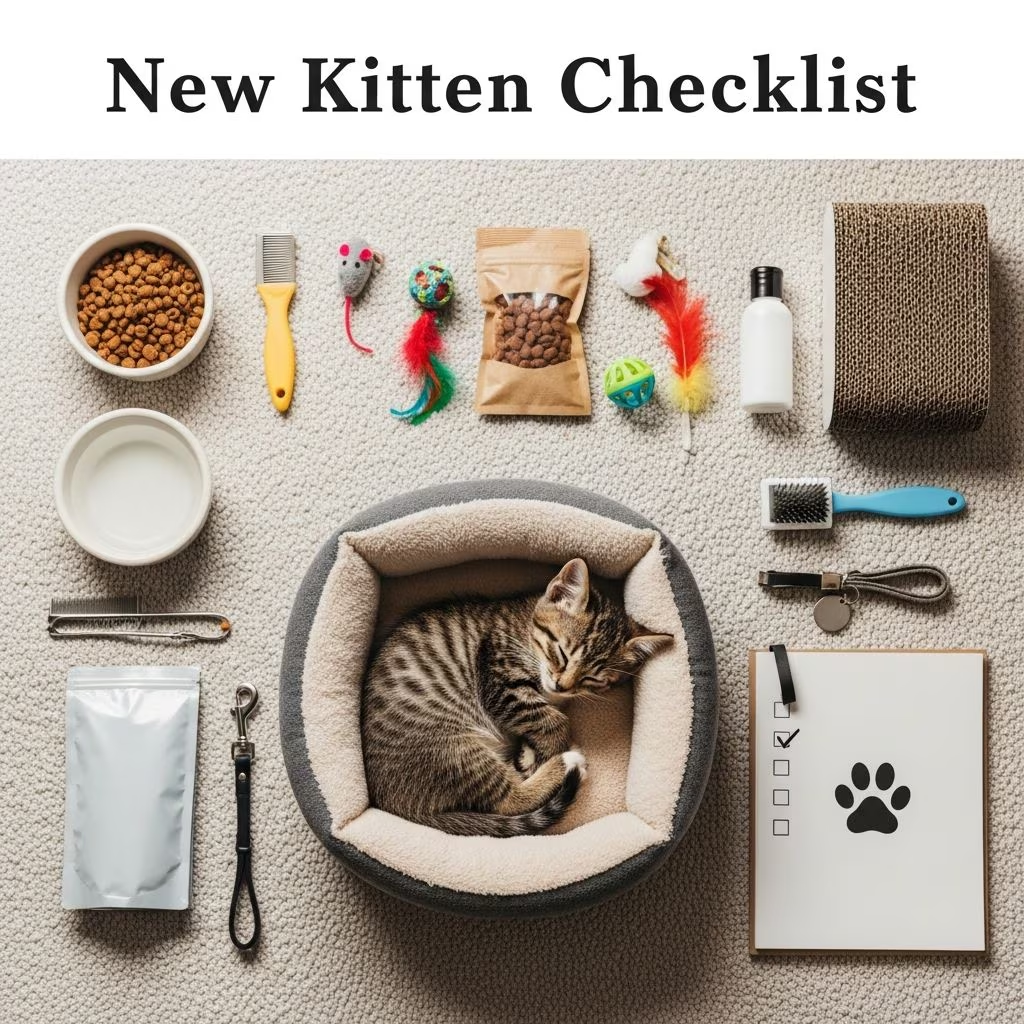
Bringing home a new kitten is an exciting adventure that requires thoughtful preparation to ensure your furry friend thrives. This comprehensive **new kitten checklist** covers everything from essential supplies and home safety to veterinary care, nutrition, grooming, and training. By following these steps, you’ll create a nurturing environment that supports your kitten’s growth into a happy, healthy cat.
Before Bringing Your Kitten Home
Preparation is key to a stress-free transition. Start by gathering supplies and kitten-proofing your space well in advance. Limit your kitten’s initial access to one safe room containing their bed, litter box, food, water, and toys to help them adjust gradually.
- Research and select a trusted veterinarian for the first checkup.
- Purchase all essential supplies based on your kitten’s age and breed.
- Kitten-proof high-risk areas like kitchens, bathrooms, and balconies.
- Prepare family members and other pets for the new arrival.
Essential Supplies for Your New Kitten
Stock up on these must-have items to meet your kitten’s basic needs. Choose durable, kitten-safe products that are easy to clean and appropriately sized for their small stature.
- Food and Water Bowls: Opt for stainless steel or ceramic bowls with non-tip bases, like wide-based designs to prevent spills during playful mealtimes. Many kittens prefer flowing water, so consider a pet fountain alongside a standard bowl.
- Litter Box and Litter: Select a low-sided box for easy access. Use clumping, unscented litter; start with a small bag to test preferences. Include a scoop for daily cleaning.
- Pet Carrier: A sturdy, well-ventilated carrier for transport to the vet or vet visits.
- Collar, ID Tag, Harness, and Leash: Breakaway collar with ID tag; lightweight harness for safe outdoor training.
- Bedding: Cozy bed or a lined cardboard box for security and warmth.
- Scratching Post: Tall, sturdy post to satisfy natural scratching instincts and protect furniture.
- Toys: Variety including wand toys, plush mice, balls, and interactive puzzles for physical and mental stimulation.
- Grooming Tools: Soft brush, nail clippers, and kitten-safe shampoo.
- Cleaning Supplies: Pet-safe enzymatic cleaners for accidents, paper towels.
- Treats: Healthy kitten treats for training and bonding.
Kitten-Proofing Your Home
Kittens are curious explorers who can squeeze into tiny spaces and climb to dangerous heights. Thorough **kitten-proofing** prevents accidents and creates a safe playground.
- Secure Windows and Doors: Keep windows closed or screened tightly; kittens can claw through screens. Tie up blind and curtain cords to avoid strangulation.
- Hide Cords and Wires: Use cord covers or tape; electrical chewing can cause shocks or fires.
- Store Hazards: Lock away cleaners, medications, small objects, and toxic plants like lilies.
- Protect Furniture: Cover edges with tape; provide scratching posts early.
- Bathroom and Kitchen Safety: Close toilet lids, secure cabinets; never leave small items like hair ties.
- Designate Safe Zones: Create a kitten room with all essentials for unsupervised time.
Introduce new areas gradually over weeks to build confidence without overwhelm.
Veterinary Care Essentials
Schedule your first vet visit within the first week. A thorough exam checks for parasites, congenital issues, and starts preventive care. The American Animal Hospital Association (AAHA) recommends early intervention for long-term health.
- Initial Exam: Physical check, fecal exam for intestinal parasites, blood tests (CBC, chemistry) for organ function and infections.
- Vaccinations: Core vaccines like FVRCP (feline viral rhinotracheitis, calicivirus, panleukopenia) with boosters.
- Parasite Prevention: Flea/tick control, deworming, heartworm prevention via prescription meds.
- Testing: Feline leukemia (FeLV) and FIV tests to guide multi-cat interactions.
- Spay/Neuter Discussion: Plan timing based on age and health.
- Microchipping: Permanent ID implanted under the skin.
Nutrition and Feeding Schedule
Kittens need nutrient-dense food formulated for growth (higher protein, fat, calories than adult cat food). Feed high-quality kitten kibble or wet food; transition slowly if changing brands.
- Age-Based Feeding: 4-12 weeks: 4-6 meals/day; 3-6 months: 3-4 meals; 6+ months: 2-3 meals.
- Fresh Water: Always available; fountains encourage hydration.
- Portion Control: Follow label guidelines, adjust for activity/weight.
- Treats: Limit to 10% of calories; use for training.
| Age | Meals per Day | Food Type |
|---|---|---|
| 8-12 weeks | 4-6 | Kitten formula |
| 3-6 months | 3-4 | Kitten growth |
| 6-12 months | 2-3 | Transition to adult |
Grooming Your Kitten
Early grooming builds tolerance and maintains coat health. Brush weekly to reduce shedding and hairballs; trim nails every 2-3 weeks.
- Brushing: Use soft slicker or rubber brush matched to coat length.
- Bathing: Rare; only with kitten shampoo if very dirty.
- Nail Trimming: Clippers designed for cats; reward heavily.
- Dental Care: Introduce brushing with enzymatic toothpaste.
- Ear and Eye Cleaning: Damp cloth for gentle wipes.
Training and Socialization
Start training day one using positive reinforcement. Kittens learn quickly during their sensitive period (2-7 weeks).
- Litter Training: Instinctual; place in box after meals/naps. Clean accidents without punishment.
- Scratching Training: Redirect to posts with toys.
- Basic Commands: Sit, come using treats/clicker.
- Socialization: Expose to people, sounds, handling gently.
- Play Therapy: 15-30 min sessions 2-3x/day to burn energy, prevent biting.
Daily Routine and Family Integration
Consistency builds security. Sample schedule:
- Morning: Feed, litter, play.
- Midday: Nap, water refresh.
- Evening: Feed, groom, family time, bedtime routine.
Introduce to family gradually; supervise with children/other pets. Use pheromone diffusers for stress relief.
Frequently Asked Questions (FAQs)
What should I buy for a new kitten?
Essentials include bowls, litter box, food, bed, toys, carrier, scratching post, grooming tools, and cleaning supplies.
How do I kitten-proof my home?
Secure cords/windows, hide toxins, provide safe zones, and introduce spaces slowly.
When should my kitten see the vet first?
Within the first week for exam, vaccines, and parasite checks.
What food is best for kittens?
High-quality kitten-specific formula fed on an age-appropriate schedule.
How often should I feed a new kitten?
4-6 times daily for young kittens, reducing as they age.
References
- New Kitten Checklist — AAHA. 2023. https://www.aaha.org/resources/new-kitten-checklist/
- New Kitten Checklist: Supplies, Home Prep, and Vet Visits — PetMD. 2024-10-15. https://www.petmd.com/cat/general-health/new-kitten-checklist
- New Kitten Guide — VIP Petcare. 2024. https://www.vippetcare.com/new-kitten-guide/
- New Kitten Checklist — Pet Health Network. 2023. https://www.pethealthnetwork.com/cat-health/new-cat-checklists/new-kitten-checklist
- New Kitten Checklist: What Does a Kitten Need? — Purina. 2024. https://www.purina.com/articles/cat/kitten/getting-a-kitten/new-kitten-checklist



