

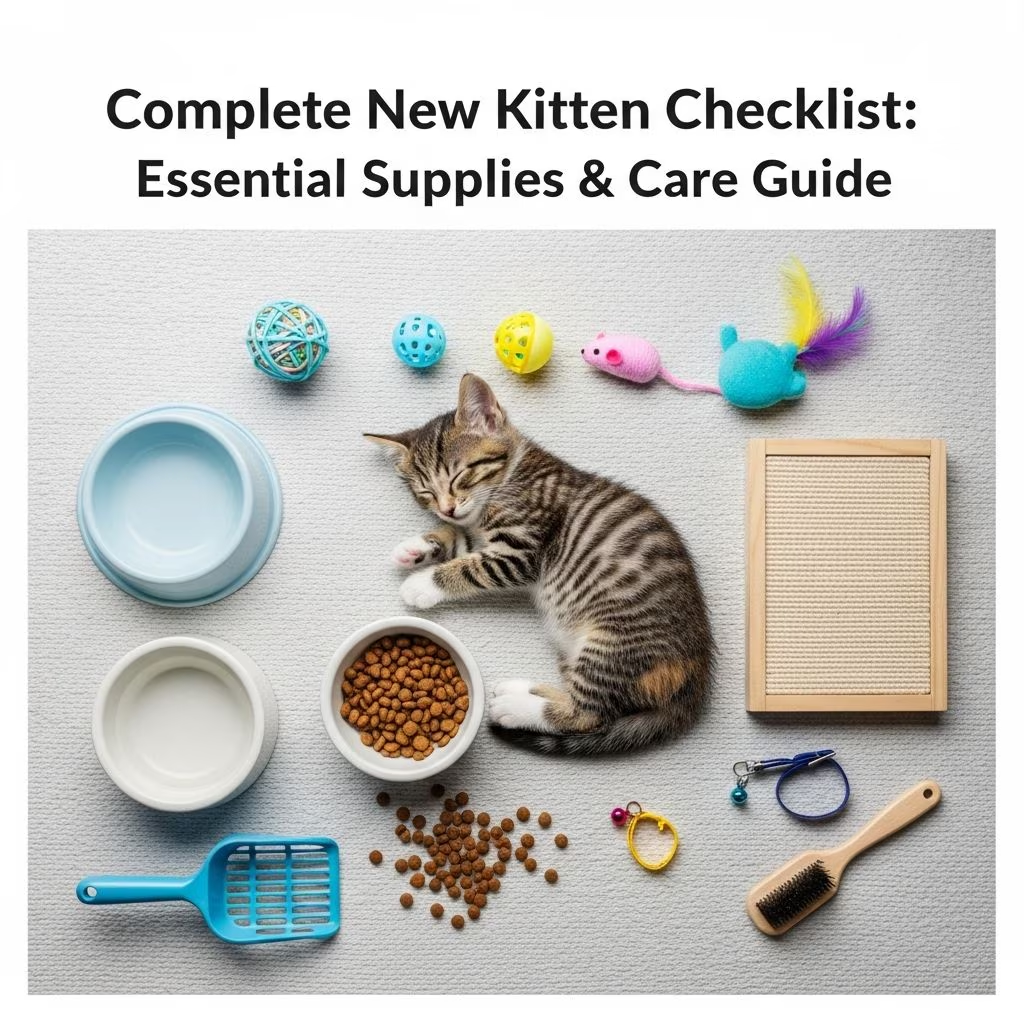
New Kitten Checklist: Everything You Need to Welcome Your New Furry Friend
Bringing a new kitten into your home is an exciting and rewarding experience, but it requires careful preparation to ensure your new family member has a smooth and comfortable transition. Whether you’re adopting from a rescue organization or bringing home a kitten from a breeder, having the right supplies and knowledge in place will make the process easier for both you and your new pet. This comprehensive checklist covers all the essential items and considerations you need to prepare your home and life for your adorable new addition.
First 36 Hours: Essential Kitten Supplies
The first day and a half with your new kitten is crucial for establishing comfort and routine. During this critical period, focus on providing the basic necessities that will help your kitten feel safe and secure in their new environment.
Feeding Essentials
Cat food is the foundation of your kitten’s nutrition. If possible, obtain the same brand and formula your kitten was eating before adoption. This prevents digestive upset and allows your kitten’s stomach to adjust gradually to their new home. You can always transition to a different food later under your veterinarian’s guidance. Having the correct food on hand from day one ensures your kitten receives consistent nutrition during this transitional period.
Food and water bowls are non-negotiable necessities. Provide separate bowls for food and water, and consider adding multiple water stations throughout your home to encourage hydration. Elevated bowls can reduce strain on your kitten’s neck and promote better eating posture.
Bathroom Setup
A cat litter box and scoop must be available before your kitten arrives. Choose a location away from their food and water bowls, as cats naturally prefer to eliminate away from their eating areas. You may want to start with a simple, open litter pan to ensure your kitten can easily access it. Some kittens adapt well to covered litter boxes, while others find them intimidating, so having an open option initially is wise.
Cat litter should be a high-quality clumping formula for easy cleanup and odor control. Experiment with different litters if your kitten seems hesitant, as some kittens have preferences about litter texture and material.
Comfort and Safety Items
Provide a comfortable cat bed or sleeping area where your kitten can retreat and feel secure. A cozy space helps reduce stress during the adjustment period. Cat trees or scratchers fulfill your kitten’s natural instinct to climb and scratch, protecting your furniture while providing essential exercise and enrichment.
Cat toys are vital for mental stimulation and physical exercise. Include a variety of toys—balls, feathers, and interactive options—to keep your kitten engaged and entertained.
A cat carrier is essential for safe transport to veterinary appointments and other necessary trips. Choose a carrier large enough for your growing kitten with good ventilation and easy access.
Calming aids such as pheromone diffusers or sprays can help reduce stress during the transition period, making the first days in their new home less overwhelming.
Kitten-Specific Supplies and Care Items
Kittens have unique needs that differ from adult cats. These specialized items support their growth, development, and the establishment of healthy habits from a young age.
Interactive and Enrichment Toys
Hunting toys such as wand toys, laser pointers, and interactive toys engage your kitten’s natural predatory instincts. Regular play sessions with these toys provide mental stimulation, physical exercise, and help burn off excess kitten energy. Aim for multiple play sessions throughout the day to keep your kitten active and happy.
Health and Wellness Products
Flea and tick control is critical for your kitten’s health. Consult your veterinarian to determine the most appropriate and safe products for your kitten’s age and weight, as some treatments used for adult cats may not be suitable for young kittens.
Grooming supplies establish healthy coat maintenance from the start. Your veterinarian may recommend daily brushings to prevent matting and tangles while bonding with your kitten. Nail trimmers designed for cats allow you to maintain your kitten’s nails weekly, preventing overgrowth and discomfort.
Dental care products including a kitten-sized toothbrush and feline toothpaste help establish good oral hygiene habits early. Regular teeth brushing prevents dental disease and keeps your kitten’s mouth healthy throughout life.
Household Management
Nail caps provide a temporary solution to minimize scratching damage to furniture while your kitten learns appropriate scratching behaviors. These soft plastic caps fit over the claws and gradually wear off as nails grow.
Catnip provides entertainment and enrichment for most kittens, though some young kittens may not respond until they’re older. This natural stimulant encourages play and exploration.
Stain and odor remover is essential during litter training. Enzymatic cleaners specifically formulated for pet accidents eliminate odors completely, preventing your kitten from being drawn back to the same spots.
Creating Your Kitten Feeding Schedule
Kittens grow rapidly and have different nutritional requirements than adult cats. A structured feeding schedule prevents both underfeeding and overfeeding while helping you monitor your kitten’s development and health.
Young kittens typically need to eat multiple times daily—often three to four meals per day—to support their growth and energy needs. As your kitten develops, you can gradually reduce feeding frequency. Consulting with your veterinarian helps determine the appropriate calorie intake and feeding schedule for your specific kitten’s age, weight, and breed.
When multiple family members care for your kitten, a shared feeding schedule prevents accidental double-feeding and ensures consistency. Many kitten owners use printed tracking sheets or phone reminders to maintain accurate schedules, particularly during the adjustment period.
Preparing for Your Kitten’s First Vet Visit
Scheduling a veterinary appointment within the first week of bringing your kitten home is essential for establishing baseline health and addressing any concerns.
Before the Appointment
Prepare your kitten’s carrier before the visit by lining it with a favorite blanket or toy to create a comfortable, familiar environment. This reduces anxiety during transport and makes the carrier feel like a safe space rather than a vehicle for stressful situations.
Gather and complete all veterinary forms in advance, if possible. Having these documents ready demonstrates preparedness and maximizes your consultation time with the veterinarian.
Topics to Discuss With Your Veterinarian
Your first vet visit should address several important health topics:
Vaccinations and immunizations protect your kitten from serious and potentially fatal diseases. Your veterinarian will establish a vaccination schedule appropriate for your kitten’s age and risk factors.
Feline leukemia and feline immunodeficiency virus testing should be performed at the first veterinary visit to establish your kitten’s health status. Early detection allows for appropriate management and prevents transmission to other cats.
Spaying or neutering should be discussed and scheduled for the appropriate age. Early spaying and neutering prevents unwanted litters and provides significant health benefits.
Dietary recommendations tailored to your kitten’s specific needs, including a canned-food-only diet if recommended by your veterinarian.
Flea, tick, and heartworm prevention appropriate for your kitten’s age, weight, and lifestyle.
Preparing Your Home: Safety and Kitten-Proofing
Kittens are naturally curious and may explore areas and objects that pose safety risks. Thorough home preparation prevents accidents and injuries.
Identifying Hazards
Get down to your kitten’s level to identify potential dangers from their perspective. Remove or secure electrical cords and wires, as chewing on these can cause serious injury. Store small objects, toxic substances, and choking hazards safely out of reach.
Pay attention to items at tail height—a curious kitten might knock breakable items off shelves with a flick of their tail. Secure unstable furniture that could tip over if climbed on.
Toxic Plants and Substances
Remove toxic houseplants from your home or place them in areas your kitten absolutely cannot access. Common household plants like lilies, poinsettias, and certain succulents can cause serious harm if ingested. Consult the ASPCA’s toxic plant list to identify potentially dangerous vegetation in your home.
Store household chemicals, medications, cleaning supplies, and other toxic substances securely in locked cabinets or high shelves completely inaccessible to your curious kitten.
Understanding Kitten Development Through Life Stages
The Kitten Stage: Birth to One Year
During the kitten stage, your focus should remain on growth support, vaccination completion, and establishing healthy habits. Your kitten’s needs change rapidly during this period as they develop from tiny newborns to near-adult size. Regular veterinary check-ups track appropriate growth and development, while proper nutrition supports bone development and organ function.
Transitioning to Adulthood
As your kitten approaches one year of age, their growth rate slows and their nutritional needs shift. Your veterinarian can advise on transitioning from kitten food to adult formulas and adjusting activity expectations as their energy levels potentially decrease.
Essential Healthcare and Wellness Checklist
Beyond the first vet visit, several healthcare items support your kitten’s long-term wellness:
Microchipping provides permanent identification if your kitten becomes lost. Unlike collars and ID tags that can fall off, a microchip remains with your kitten for life.
A pet first aid kit containing bandages, antiseptic, pain relief medication, and other emergency supplies allows you to address minor injuries quickly.
Vitamins and supplements recommended by your veterinarian support specific health needs, though most kittens eating quality food don’t require additional supplementation.
Regular dental care prevents periodontal disease and maintains overall health. Establish toothbrushing routines early when your kitten is more adaptable to the process.
Frequently Asked Questions About New Kittens
Q: What’s the best age to bring a kitten home?
A: Kittens are typically ready to leave their mothers at eight weeks of age. At this age, they’re weaned, socialized, and ready to bond with their new families. Your veterinarian can advise on the best timing for your specific kitten.
Q: How often should I feed my new kitten?
A: Young kittens (under six months) typically need three to four meals daily. Between six months and one year, most kittens thrive on two meals daily. Your veterinarian can provide specific feeding recommendations for your kitten’s age and weight.
Q: How can I help my kitten adjust to their new home?
A: Provide a consistent routine, a safe space where your kitten can retreat, familiar toys and bedding if available, and patience. Spend time playing and bonding, but allow your kitten to set the pace for interaction during the first few days.
Q: What should I do if my kitten has litter box accidents?
A: Litter box accidents are normal during adjustment. Use enzymatic cleaners to eliminate odors, ensure the litter box is easily accessible, and consider adding additional boxes (the general rule is one box per cat plus one extra). Contact your veterinarian if accidents continue beyond the first few weeks, as this may indicate a medical issue.
Q: How can I kitten-proof my home effectively?
A: Secure electrical cords, remove toxic plants, store chemicals and medications safely, remove small choking hazards, and anchor unstable furniture. Get down to your kitten’s level to identify hazards from their perspective, and supervise your kitten until you’re confident they understand household boundaries.
Q: When should I schedule the first veterinary appointment?
A: Schedule your kitten’s first veterinary appointment within the first week of bringing them home. This establishes baseline health, begins vaccination protocols, and allows you to discuss any concerns with your veterinarian.
References
- New Cat and Kitten Product Checklist – Chewy — Chewy.com. Accessed November 2025. https://www.chewy.com/education/cat/new-cat/new-cat-product-checklist-for-every-life-stage
- New Kitten Printables: Checklists, Trackers, and More – Chewy — Chewy.com. Accessed November 2025. https://www.chewy.com/education/cat/new-cat/new-kitten-printables
- Cat Adoption Checklist: Everything New Cat Owners Need to Know — Chewy.com. Accessed November 2025. https://www.chewy.com/education/cat/general/cat-adoption-checklist
- Feline Health: Vaccination and Disease Prevention — American Veterinary Medical Association (AVMA). https://www.avma.org/resources/pet-owners/petcare/feline-health
- Toxic and Non-Toxic Plants — ASPCA Animal Poison Control Center. https://www.aspca.org/pet-care/animal-poison-control/toxic-and-non-toxic-plants
- Kitten Care and Development Guide — The International Cat Care. https://www.icatcare.org/advice/kitten-care/



