

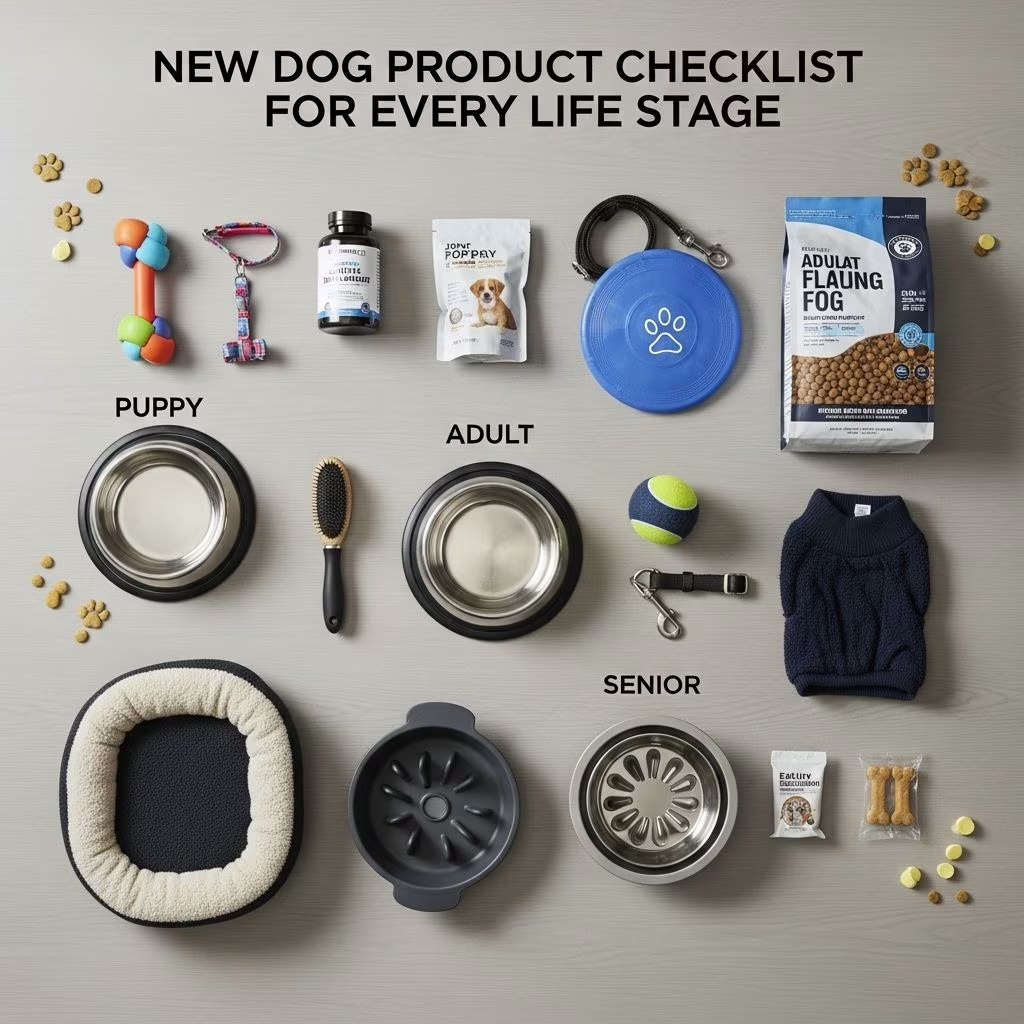
Bringing a new dog into your home is an exciting milestone, but preparation is key to ensuring a smooth transition. Whether you’re welcoming a playful puppy, an energetic adult dog, or a calm senior companion, having the right supplies on hand makes all the difference. A well-stocked home helps your new family member feel secure and supported during this important adjustment period.
Dr. Mitchell emphasizes that setting up your home properly includes giving your new dog his own space, such as a small room or bathroom, providing him with downtime, and staggering introductions with family and friends over time rather than all at once. This thoughtful approach, combined with essential supplies and the right products for your dog’s specific life stage, creates an ideal environment for your new pet to thrive.
Essential Dog Supplies for the First 36 Hours
The initial day and a half with your new dog requires focusing on basic necessities. These foundational items ensure your pet has everything needed to feel comfortable and safe during this critical adjustment period.
Dog Food
One of the most important items to have ready is dog food—preferably the same brand your dog was eating before coming to your home. This consistency helps prevent digestive upset and tummy troubles during the transition. You can always work on transitioning your dog to a different food later once he’s settled in. Consult with your veterinarian about the best timing and method for any dietary changes.
Food and Water Bowls
Your new dog needs appropriate dishes for eating and drinking from day one. Non-skid dog bowls minimize spills and help keep mealtimes tidy. Many veterinarians recommend elevated dog bowls as they provide greater comfort during eating and can aid digestion. Stainless steel and stoneware or ceramic bowls are excellent choices because they’re easy to clean, dishwasher-safe, and can be thoroughly sanitized to maintain proper hygiene.
Poop Bags
Be prepared for outdoor walks by having poop bags on hand. These nifty plastic baggies are essential for cleaning up after your dog during walks and help you be a considerate neighbor. You don’t want to be caught without them during your first outing with your new pet.
Dog Crate
A dog crate serves multiple purposes for your new companion. It’s ideal for crate training and provides your dog with a secure space he can call his own. A crate gives your dog a safe retreat where he can rest and decompress, which is particularly important during the stressful transition to a new home.
These first 36-hour essentials form the foundation for your new dog’s adjustment. However, as Dr. Mitchell emphasizes, products beyond the first few days will depend greatly on the personality of your dog and seasonal considerations. For example, dog boots can help avoid common issues like cracked paws during winter months or in harsh weather conditions.
Dog Supplies for Puppies
Puppies require specialized attention and products that support their unique developmental needs. The focus during this young stage is on exposing your puppy to new things, helping him grow mentally and physically, and encouraging good behaviors from the start.
Toys and Mental Stimulation
Puppies are naturally curious and energetic, making appropriate toys essential for their development and entertainment. Puzzle or treat-dispensing toys promote mental stimulation and keep puppies occupied and engaged, helping redirect their energy away from destructive behaviors. These interactive toys encourage problem-solving skills and provide hours of entertainment.
Chewing and Teething Supplies
Since puppies start chewing right after weaning—a habit that intensifies during teething—dog chew toys are absolutely essential. Puppy-sized toys, especially hollow ones where you can smear cheese or peanut butter inside, provide great entertainment and satisfy natural chewing instincts. Bully sticks and frozen carrots are also excellent options. Always discuss with your veterinarian which chew toys and products would be best suited for your individual puppy’s age and size.
Training Tools
Early training sets the stage for a well-behaved dog. It’s important to start setting house rules promptly, which likely includes leash training. Supply yourself with training tools such as a dog clicker and high-value dog treats that will help encourage good behaviors right from the beginning. These positive reinforcement tools are invaluable for developing proper habits and building a strong bond with your puppy.
Housetraining Essentials
Potty pads are essential for housetraining and help protect your floors during the learning process. They provide your puppy with an appropriate indoor elimination spot while he develops bladder control. Additionally, having a stain and odor remover on hand helps clean up any accidents quickly and thoroughly, preventing your puppy from returning to the same spot for elimination.
Grooming and Dental Care
Start building good grooming habits early. Get some dog shampoo and nail trimmers to familiarize your puppy with grooming from the beginning. Begin with a toothbrush and toothpaste early on to get your puppy used to having his teeth cleaned and to prevent dental disease, which can develop at any age.
Health and Parasite Prevention
Talk to your veterinarian at or before the first vet visit to find out which type of flea and tick control product is best suited for your puppy’s age and weight. Proper parasite prevention is crucial for your puppy’s health and development.
Beyond Products: Socialization and Training
Beyond physical supplies, Dr. Mitchell recommends providing your new puppy with lots of attention and opportunities for socialization. She strongly suggests starting puppy training classes even if you’re already experienced with dog training. These classes provide professional guidance and critical early socialization experiences with other puppies and people, setting your puppy up for success throughout his life.
Dog Supplies for Adult Dogs
Adult dogs have different needs than puppies, though many basics remain the same. The focus shifts toward maintaining health, managing behavior, and providing comfort for an active lifestyle.
Behavioral and Training Products
Adult dogs may still have behavioral challenges that need addressing. Training tools such as no-pull harnesses can correct leash-pulling behaviors, and anti-chew sprays can redirect destructive chewing habits. These tools help correct problems and manage your dog’s natural instincts appropriately.
Comfort and Bedding
Mature adult dogs tend to enjoy the finer things in life more than their younger counterparts. Providing comfortable beds gives your adult dog a cozy retreat for rest and relaxation. Quality bedding becomes increasingly important as your dog ages and spends more time resting.
Dental and Grooming Care
Adult dogs need adult-sized dental products, including a toothbrush and toothpaste specifically formulated for mature dogs. Preventing dental disease remains important throughout your dog’s life. Keep your dog fresh and clean by using nail trimmers, a dog brush, and dog shampoo formulated for adult coats. Dog cleaning wipes can keep your dog fresh and clean between baths and some are formulated to remove outdoor allergens from your pet’s coat.
Health Maintenance
Continue regular flea and tick control appropriate for your adult dog’s size and health status. Talk to your veterinarian about which products work best for your specific dog.
Enrichment and Exercise
Dr. Mitchell recommends training and day care for adult dogs, especially for high-energy breeds. Regular exercise, mental stimulation, and social interaction keep adult dogs healthy, happy, and well-behaved throughout their prime years.
Dog Supplies for Senior Dogs
As dogs enter their senior years, their physical needs change significantly. Older dogs require specialized products that address mobility issues, joint problems, and age-related health concerns.
Mobility Support
Pet steps or ramps help mobility-impaired seniors get onto furniture or into vehicles more easily. These accessories reduce strain on aging joints and make daily activities more comfortable for your senior companion, allowing them to maintain their favorite spots and activities without pain or difficulty.
Joint and Mobility Supplements
Ask your veterinarian for recommendations on which hip and joint supplements or other supplements your senior dog could benefit from. Supplements can help maintain joint health and mobility during the later years of your dog’s life.
Specialized Bedding
Heated and orthopedic pet beds provide maximum support and comfort for achy joints. The orthopedic design helps distribute weight evenly and reduce pressure points, while the heating feature can soothe arthritic joints and muscles, providing relief and encouraging restful sleep.
Grooming and Dental Care
Keep your senior dog fresh and clean by using nail trimmers, a dog brush, dog shampoo specifically formulated for senior coats, and dog cleaning wipes. Preventing dental disease becomes increasingly important as dogs age and become more prone to dental problems. Maintain regular dental care with appropriate toothbrushes, toothpaste, and dental chews.
Ongoing Health Support
Continue flea and tick control appropriate for your senior dog’s age and health status. Talk to your veterinarian about which products and prevention strategies are safest and most effective for your aging companion.
Customizing Supplies to Your Dog’s Personality and Needs
While the items listed above provide a comprehensive starting point, customization is key to meeting your individual dog’s needs. As you get to know your new family member better, you can adjust the type of dog toys, beds, and leashes based on his specific preferences and personality. Some dogs prefer soft toys, while others enjoy tough chew toys. Some love cozy beds, while others prefer open sleeping spaces. Pay attention to your dog’s individual likes and dislikes.
Seasonal changes also warrant consideration. Depending on the weather and time of year, certain dog supplies become more important. Dog boots help prevent cracked paws in winter, while cooling mats might be beneficial during summer months. Adjust your supplies seasonally to keep your dog comfortable year-round.
Creating a Comfortable Home Environment
Beyond specific products, creating a welcoming home environment is essential. Designate a quiet space where your new dog can retreat and feel secure. Set clear boundaries about where your dog can and cannot go. Establish routines for feeding, walking, and playtime. These consistent patterns help your dog feel more confident and secure during the adjustment period.
Remember that the transition to a new home is a significant change for any dog, regardless of age. Patience, consistency, and the right supplies work together to help your new companion adjust successfully and build a strong, lasting bond with your family.
Frequently Asked Questions (FAQs)
Q: What’s the most important supply to have before bringing a new dog home?
A: The essentials are dog food (preferably what your dog was already eating), food and water bowls, a dog crate, a leash and collar, and appropriate toys. However, if you can only get a few items, focus on food, bowls, and a safe space for your dog to retreat.
Q: How do I choose the right dog crate size?
A: Your dog should be able to stand up, turn around, and lie down comfortably in the crate. For puppies, you may need to get a larger crate as they grow. Some crates have dividers that allow you to adjust the size as your puppy develops.
Q: Should I change my new dog’s food immediately?
A: No. Stick with the food your dog was eating at the breeder, shelter, or previous home for at least the first few days to avoid digestive upset. After your dog has settled in, you can gradually transition to a new food over 7-10 days if desired. Always consult your veterinarian before making dietary changes.
Q: What flea and tick prevention should I use for my puppy?
A: This depends on your puppy’s age, weight, and health status. Always consult with your veterinarian before starting any parasite prevention product to ensure it’s safe and appropriate for your specific puppy.
Q: Are training classes really necessary for puppies?
A: Yes, professional puppy training classes are highly recommended. They provide expert guidance, structured learning, and critical early socialization with other puppies and people. These experiences are invaluable for developing good behavior and social skills that last throughout your dog’s life.
Q: How often should I replace my dog’s toys?
A: Replace toys that are damaged, torn, or falling apart to prevent choking hazards. Rotate toys regularly to keep your dog interested and engaged. Most dogs benefit from having several toys available and rotating them every few days to maintain novelty.
Q: What’s the best type of dog bed for a senior dog?
A: Orthopedic beds provide the best support for aging joints and muscles. Heated orthopedic beds are especially beneficial for senior dogs with arthritis or joint pain, as the warmth can help soothe discomfort and promote better sleep.
References
- Ultimate New Puppy and Dog Product Checklist — Chewy. 2024. https://www.chewy.com/education/dog/new-dog/new-dog-product-checklist-for-every-life-stage
- New Puppy Checklist: 9 Things You Need Before Bringing Home a New Puppy — Chewy. 2024. https://www.chewy.com/education/dog/new-dog/new-puppy-checklist-9-things-you-need-before-bringing-home-a-new-puppy
- New Puppy Must-Haves Checklist — Chewy. 2023. https://media-be.chewy.com/wp-content/uploads/2023/03/21184308/New-Puppy-Printables-Bundle.pdf
- Dog Adoption Checklist: Everything New Dog Parents Need to Know — Chewy. 2024. https://www.chewy.com/education/dog/new-dog/pet-parenting-pet-lovers-dog-adoption-checklist-what-you-need-to-know
- Bringing a Puppy Home: Everything You Need to Know — Chewy. 2024. https://www.chewy.com/education/dog/new-dog/puppy-survival-kit
- New Puppy Checklist: Essentials for Your New Dog — PetMD. 2024. https://www.petmd.com/dog/general-health/new-puppy-checklist



