

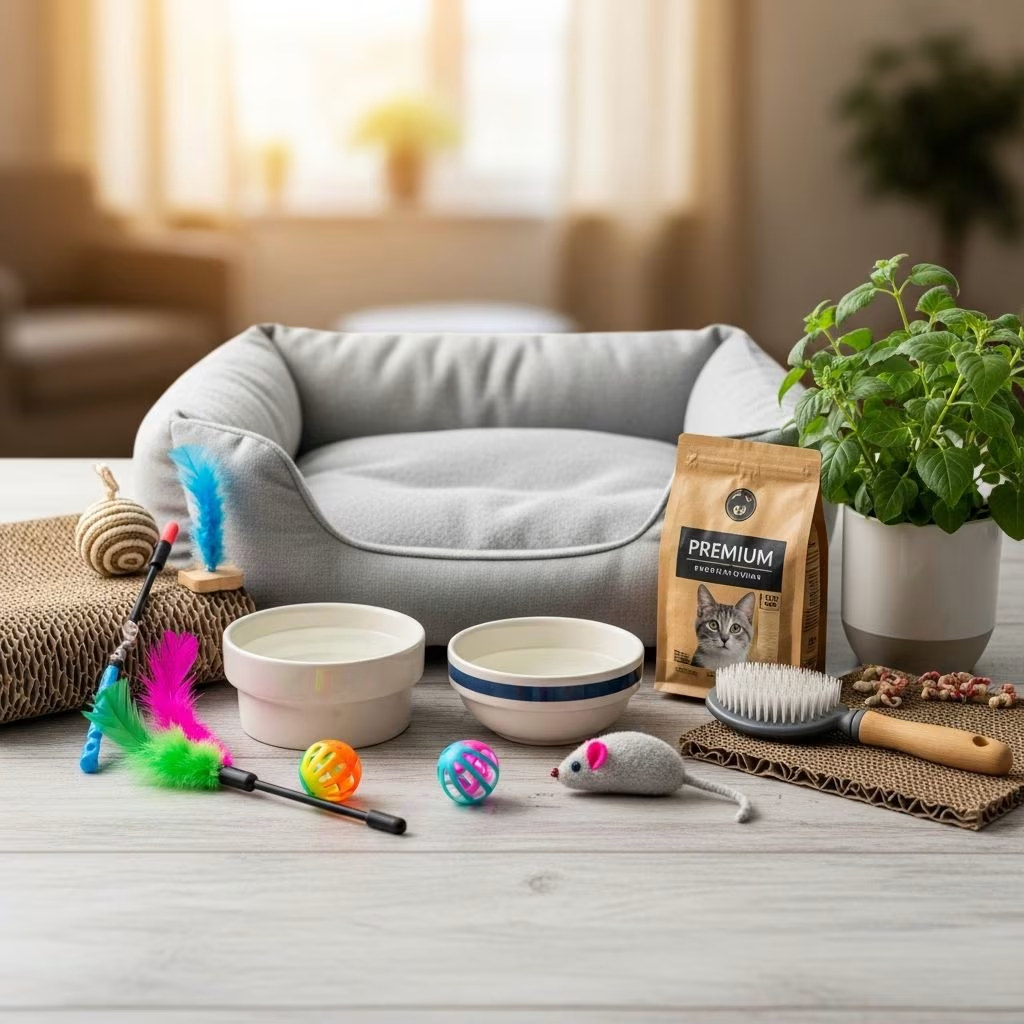
Welcome Your New Cat Home: The Complete Essentials Guide
Bringing a new cat into your home is an exciting milestone that promises companionship, comfort, and countless moments of joy. Few things in life compare to the soothing sound of a cat’s purr or receiving a slow blink from your feline friend—a gesture that means “I love you” in cat language. However, before your new kitty arrives, proper preparation is essential to ensure a smooth transition and a happy, healthy life together.
Whether you’re adopting a playful kitten, a spirited adult cat, or a wise senior companion, having the right supplies on hand makes all the difference. This comprehensive guide will walk you through everything you need to know about preparing your home and gathering supplies for your new feline family member at every life stage.
Cat Supplies for the First 36 Hours
The first day and a half with your new cat sets the tone for your relationship. During this critical adjustment period, your cat needs access to essential items that will help them feel safe, comfortable, and cared for. Here are the non-negotiable supplies for those first 36 hours:
Food and Water Essentials
Cat food: Whenever possible, obtain the same brand and type of food your new cat is accustomed to eating. This simple step prevents gastrointestinal upset during the transition period. You can gradually introduce a different food later once your cat has settled into their new environment.
Food and water bowls: Provide separate, clean bowls for meals and fresh water. Some cats prefer water bowls placed away from their food bowls, so consider having multiple water stations throughout your home to encourage hydration.
Litter Box Setup
Cat litter: Choose a clumping formula for easy scooping and odor control. Have several types available if possible, as some cats are particular about their litter preferences—some prefer crystal litter, others like clumping varieties, and some favor newspaper-type options.
Litter box and scoop: Select a litter box with low walls to make entry and exit easy, especially for kittens or older cats. The general rule is one litter box per cat plus one extra. Adequate litter box access prevents behavioral issues like inappropriate elimination.
Comfort and Safety Items
Cat bed: Provide a cozy, secure space where your cat can rest and feel safe. Cats appreciate having their own designated sleeping area away from household traffic.
Cat trees or scratchers: Cats have a natural instinct to scratch, climb, and perch. Providing sturdy scratching posts in visible locations protects your furniture while satisfying your cat’s behavioral needs. These structures should be tall enough for your cat to stretch and sturdy enough to withstand vigorous scratching.
Cat toys: Mental and physical exercise are crucial for your cat’s wellbeing. Provide a variety of toys including wand toys, balls, and interactive puzzles to keep your new companion engaged and active.
Cat carrier: A secure, well-ventilated carrier is essential for transporting your cat to veterinary appointments and emergency situations. Choose one that’s spacious enough for your cat to stand, turn around, and lie down comfortably.
Calming aids: Consider having calming supplements or pheromone diffusers on hand to help reduce stress during the adjustment period.
Long-Term Essentials for Specific Life Stages
As your cat grows and matures, their needs evolve. Tailoring your supplies to match their life stage ensures optimal health, comfort, and happiness throughout their years with you.
Kitten Care Essentials
Kittens are bundles of energy with unique developmental needs. Their supplies should be appropriately sized and formulated for their age and nutritional requirements.
Play and Enrichment
Hunting toys: Wands, laser pointers, and other chase-able toys provide essential mental stimulation and physical exercise for growing kittens. These interactive toys help develop hunting instincts and burn energy.
Kitten toys: Ensure all toys are appropriately sized and safe for kittens, with no small parts that could be choking hazards.
Health and Grooming
Flea and tick control: Consult with your veterinarian to determine the appropriate flea and tick prevention products for your kitten’s age and weight.
Grooming supplies: Begin grooming habits early. Daily brushing maintains your kitten’s coat health and reduces matting. Weekly nail trims keep claws healthy and prevent damage to furniture and skin.
Dental products: Starting dental care early is crucial. Purchase a cat-specific toothbrush and toothpaste to acclimate your kitten to tooth brushing, establishing lifelong oral hygiene habits.
Nail caps: These soft plastic covers fit over your kitten’s claws, reducing scratching damage to furniture while allowing natural claw function.
Training and Cleanliness
Catnip: Many kittens respond enthusiastically to catnip, which can encourage play and scratching in appropriate locations.
Stain and odor remover: Enzymatic cleaners specifically formulated for pet messes are essential for managing accidents while your kitten learns proper litter box usage.
Adult Cat Essentials
Adult cats benefit from enriching environments that support their mental and physical fitness while promoting overall wellbeing.
Environmental Enrichment
Cat shelves: Wall-mounted shelves provide vertical territory for climbing and perching, which cats naturally crave.
Window perch: A window perch offers entertainment through bird watching and natural sunlight exposure, enriching your cat’s daily life.
Ongoing Health and Maintenance
Grooming products: Continue daily coat brushing and weekly nail trimmings to maintain your adult cat’s appearance and health.
Dental products: Regular tooth brushing supports dental health and prevents issues common in adult cats.
Flea and tick control: Maintain year-round prevention as recommended by your veterinarian.
Catnip: Most adult cats enjoy catnip for play and enrichment.
Stain and odor remover: Keep these products handy for any unexpected accidents.
Senior Cat Essentials
Older cats require specialized support to maintain quality of life and manage age-related changes.
Mobility Support
Low-profile litter box: Older cats often experience mobility challenges. Low-walled or entry-level litter boxes make bathroom access easier and reduce discomfort.
Cat steps or ramps: These accessories help senior cats access their favorite spots without strain on aging joints.
Heated and orthopedic pet beds: Specialized beds provide maximum comfort and joint support for cats with arthritis or other age-related conditions.
Health Support
Supplements: Consult your veterinarian about hip and joint support supplements designed for senior cats.
Flea and tick control: Continue prevention with products appropriate for your senior cat’s health status.
Grooming products: Elderly cats often struggle with self-grooming, making regular brushing more important than ever.
Dental products: Continue dental care to maintain oral health.
Catnip: Gentle play with catnip can encourage activity in senior years.
Stain and odor remover: Senior cats may have occasional accidents as mobility decreases, making these products essential.
Home Safety and Preparation
Before bringing your new cat home, thoroughly cat-proof your living space. The best approach is to get on your hands and knees and view each room from your cat’s perspective, examining areas under beds, couches, and chairs where a curious cat might venture.
Essential Safety Steps
Remove toxic houseplants: Check all plants against the ASPCA’s Toxic Plant List. Common poisonous plants for cats include lilies, sago palms, and oleander. Remove or secure any potentially toxic vegetation.
Secure furniture: Ensure all tall furniture is anchored to walls to prevent tip-overs if your cat climbs or jumps on items.
Add safety locks: Install baby locks on cabinets containing cleaning chemicals, medications, and other hazardous substances. Block access to appliances like blenders, water heaters, and furnaces.
Protect water hazards: Always close toilet lids. Curious cats can slip and fall into toilets, risking serious injury or drowning.
Store human food safely: While some human foods are cat-safe, many can cause digestive upset or toxicity. Store all human food securely and avoid giving human food treats until your cat is an adult.
Check screens and doors: Inspect all screens and doors for holes or gaps your cat could squeeze through, preventing accidental escapes.
Identification and Collar Essentials
Even indoor cats benefit from proper identification. A breakaway cat collar with an ID tag significantly increases the chances of a safe reunion if your cat accidentally escapes. The ID tag should include your cat’s name, your name, phone number, address, and microchip number if applicable. Breakaway collars are specially designed to release if caught on something, preventing injury.
Nail Care and Grooming
Regular nail trims are essential for your cat’s health and your home’s safety. Starting nail trimming when your kitten is young—as early as 4 weeks old—helps them become comfortable with paw handling and the trimming process. Weekly nail trims keep claws healthy, prevent paw problems, and protect your furniture, carpets, and skin from unwanted scratches.
Post-Adoption Healthcare Checklist
Beyond physical supplies, your new cat needs proper veterinary care to thrive. Schedule a veterinary appointment shortly after adoption to address the following:
- Cat vaccinations appropriate to your cat’s age and lifestyle
- Flea and tick prevention
- Heartworm prevention
- Dental care assessment and recommendations
- Veterinary-recommended vitamins and supplements
- Microchip placement for permanent identification
- Pet first aid kit assembly for emergency preparedness
For senior cats, regular veterinary checkups should include complete laboratory panels to identify changes early before they become serious problems. Dr. Mitchell emphasizes that “complete laboratory panels help identify changes early so they can be addressed before they become problems.”
Special Care for Senior Cats
One of the best investments you can make in your senior cat’s wellbeing is scheduling regular veterinary checkups. Older cats benefit from pampering and extra tender loving care—often appreciating the attention more than their younger counterparts. Don’t forget to give your golden oldie plenty of love and attention alongside the practical supplies and healthcare they need.
Frequently Asked Questions
Q: How many litter boxes do I need for my new cat?
A: The general rule is one litter box per cat plus one extra. This ensures adequate bathroom facilities and helps prevent behavioral issues like inappropriate elimination.
Q: What type of litter should I choose for my new cat?
A: Cats can be particular about litter preferences. Some prefer crystal litter, others like clumping varieties, and some favor newspaper-type options. Have a few samples on hand to determine your cat’s preference.
Q: When should I start grooming my kitten?
A: Begin grooming habits early, including nail trims as early as 4 weeks old. Daily brushing and weekly nail trims establish healthy grooming routines from the start.
Q: What makes a good breakaway collar?
A: A breakaway collar is designed to release if caught on something, preventing injury to your cat. Pair it with an ID tag containing your cat’s name, your contact information, and ideally, your cat’s microchip number.
Q: How can I cat-proof my home?
A: Get on your hands and knees to view each room from your cat’s perspective. Remove toxic plants, secure furniture, add safety locks to cabinets, close toilet lids, store human food safely, and check screens and doors for escape routes.
Q: What supplies differ between kittens and adult cats?
A: Kitten supplies should be appropriately sized and formulated for their age. Adult cats need enrichment items like shelves and window perches. Senior cats require specialized items like low-profile litter boxes, ramps, and orthopedic beds.
Getting Started: Your New Cat Journey
By taking the time to gather all necessary supplies and kitten-proof your home, you’re giving your feline friend the best possible start in their new home. The investment in preparation pays dividends in a smooth transition, reduced stress for both you and your cat, and a foundation for a long, healthy, and happy life together. From the first 36 hours through all the life stages ahead, proper preparation and attentive care create the perfect environment for your new cat to thrive and become a beloved member of your family.
References
- New Cat Product Checklist for Every Life Stage — Chewy. 2024. https://www.chewy.com/education/cat/new-cat/new-cat-product-checklist-for-every-life-stage
- New Kitten Checklist: 11 Things Your New Kitten Needs — Chewy. 2024. https://www.chewy.com/education/cat/new-cat/new-kitten-checklist
- Cat Adoption Checklist: Everything New Cat Owners Need to Know — Chewy. 2024. https://www.chewy.com/education/cat/general/cat-adoption-checklist
- Toxic and Non-Toxic Plants — ASPCA Animal Poison Control Center. 2024. https://www.aspca.org/pet-care/animal-poison-control
- Cat Behavior: What to Expect from New Cats — Chewy. 2024. https://www.chewy.com/education/cat/pet-parenting/behavior-pet-facts-8-surprising-things-new-cat-owners-should-expect
- How to Introduce Cats: Steps for a Successful Transition — Chewy. 2024. https://www.chewy.com/education/cat/new-cat/can-socialize-cat-tips-introducing-cats



