Neutering in Rats: Benefits, Procedure, and Care
Complete guide to rat neutering: Health benefits, surgical procedures, and post-operative care.
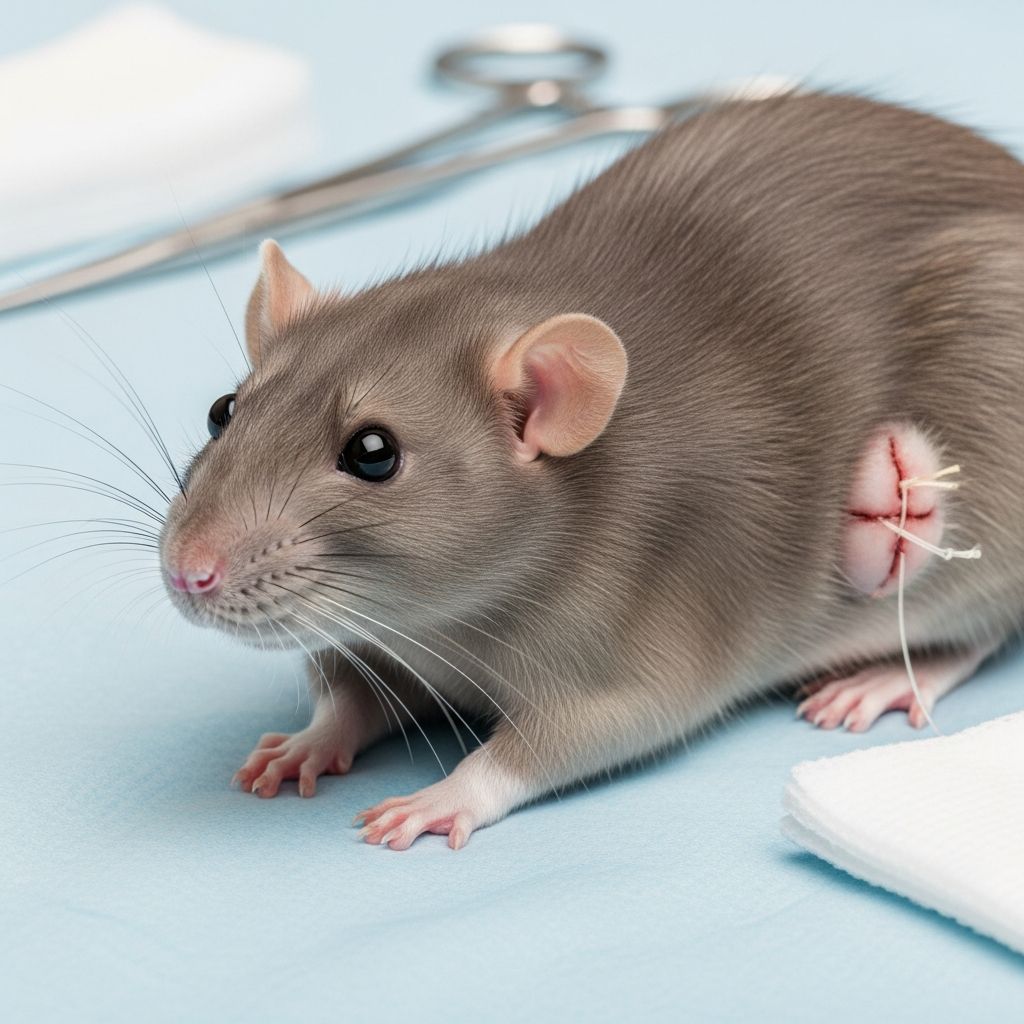
Neutering in Rats: A Complete Guide for Pet Owners
Neutering is a common surgical procedure performed on male rats that offers numerous health and behavioral benefits. This elective surgery, also known as castration or orchiectomy, involves the removal of the testicles through a small incision. Understanding the advantages, procedure, and aftercare involved in rat neutering can help pet owners make informed decisions about their rats’ health and well-being.
Understanding Neutering in Rats
Neutering is a straightforward surgical procedure that has become increasingly popular among rat owners and veterinarians who specialize in exotic pets. Unlike spaying in female rats, which is more invasive and carries higher risks, neutering male rats is considered a less traumatic procedure with lower morbidity and mortality rates. The surgery is performed under general anesthesia by a qualified veterinarian experienced with rodents.
Health Benefits of Neutering
Neutering provides several significant health advantages that can extend and improve the quality of your rat’s life:
Cancer Prevention
One of the most compelling reasons to neuter your rat is the elimination of testicular cancer risk. Reproductive cancers are extremely common in rats, and testicular tumors are particularly prevalent in aging males. By neutering your rat early, preferably between eight to twelve weeks of age, you can significantly increase his lifespan and reduce the likelihood of cancer-related illness. Early neutering has been shown to provide the greatest increase in average lifespan for male rats.
Prevention of Reproductive Issues
Neutering eliminates the development of urethral proteinaceous plugs, which can interfere with urination and lead to serious infections in intact males. These plugs are a common problem in older male rats and can cause significant discomfort and health complications. Neutering effectively prevents this condition from developing.
Reduced Risk of Obesity
While neutered rats do have a slightly higher risk of obesity, this can be managed through a high-quality diet and regular exercise. Maintaining proper nutrition and providing enrichment opportunities will help keep your neutered rat at a healthy weight.
Behavioral Improvements After Neutering
Beyond health benefits, neutering significantly improves rat behavior and social dynamics:
Reduced Aggression
Intact male rats, particularly at sexual maturity, exhibit increased aggressive behavior due to elevated testosterone levels. This aggression can result in serious injuries or even death when rats are housed together. Neutered males are significantly less likely to display aggressive behavior toward cage mates. However, it’s important to note that aggression reduction can take up to six to eight weeks post-surgery to become fully apparent.
Decreased Urine Marking
Male rats naturally mark their territory with urine, a behavior that can make their living space smell unpleasant and challenging to maintain. Neutering substantially reduces or eliminates this marking behavior, resulting in a cleaner environment and easier cage maintenance.
Improved Social Compatibility
It is significantly easier to introduce new rats to neutered males compared to intact males, who are more likely to attack unfamiliar rats entering their space. Research has shown that introducing new rats to adult intact males resulted in death for 21% of introduced rats in one study. Neutered rats are more prosocial with humans and other rats alike, making them easier to handle and more suitable for multi-rat households.
Reduction in Buck Grease
A side benefit of neutering is the reduction of buck grease, the orange-ish oily secretions that accumulate on a male rat’s skin, particularly on his back. This can result in your rat having a less musky odor and being more pleasant to handle.
Housing and Population Control
Neutering plays a crucial role in responsible pet ownership by enabling flexible housing arrangements. Neutered males can be housed with female rats (spayed or intact) without the risk of unwanted pregnancies. This flexibility significantly increases adoption opportunities for rescue rats, as they are no longer restricted to housing exclusively with other males. Additionally, neutering is an effective way to prevent unwanted litters and avoid the challenges of rehoming additional rats.
The Neutering Procedure
Understanding what to expect during the neutering procedure can help alleviate owner anxiety:
Surgical Technique
An incision is typically made in the scrotal sac, through which the testicles are extracted and removed. There are variations in surgical approach, including scrotal and abdominal techniques, each with specific advantages. The scrotal technique is more common and less invasive, while an abdominal approach may be preferred in certain cases to minimize post-operative complications.
Technical Considerations
Because the inguinal ring remains open in rats, proper surgical technique is essential to prevent catastrophic complications such as intestinal or visceral herniation. Experienced veterinarians use either open or closed castration techniques. The closed technique has the advantage of not entering the tunic, thereby eliminating communication with the abdomen and reducing contamination risk, though it may require slightly more operative time.
Age for Neutering
Male rats can be neutered as early as eight to twelve weeks of age. Early neutering provides the greatest health benefits, particularly in cancer prevention and lifespan extension.
Addressing Fertility Concerns Post-Surgery
An important consideration following neutering is the timeline for complete sterility. Rats are almost sterile immediately after surgery; however, they may retain fertility for up to three weeks post-neuter. It is recommended to keep a neutered male separated from females for at least one to two weeks post-surgery to ensure complete sterility has been achieved and to allow for proper post-operative recovery and pain resolution.
Pre-Operative Preparation
Proper preparation before surgery is essential for optimal outcomes:
Health Assessment
Your veterinarian should assess your rat’s overall health and stability prior to the procedure. Special caution should be taken with rats showing signs of respiratory disease, obesity, or advanced age, as these conditions may complicate surgery and recovery.
Respiratory Considerations
For rats with a history of respiratory illness or elderly rats where stress could suppress the immune system, it is advisable to place the rat on antibiotics with mycoplasma coverage beginning a few days before surgery and continuing until the surgical incision heals completely.
Nutritional Support
Unlike dogs and cats, rats should not have food and water withheld prior to or following surgery, as this can lead to hypoglycemia or dehydration. Maintaining normal nutrition is crucial for anesthetic safety and post-operative recovery in rats.
Post-Operative Care and Recovery
Proper aftercare is critical for successful healing:
Temperature Management
Maintaining appropriate body temperature throughout the procedure and recovery period is essential. Hypothermia (low body temperature) is dangerous; however, hyperthermia (high body temperature) can be equally deadly. Warm water circulating mats or heated pads should be used at controlled temperatures, with close monitoring to prevent temperature fluctuations.
Incision Site Care
The incision site should remain free from infection and heal normally. Since rats are low to the ground, the scrotal incision site may be exposed to urine, which could lead to scrotal abscesses. Post-operative antibiotics may be recommended to prevent infection.
Normal Recovery Indicators
Positive signs of recovery include relief of post-operative pain, normal appetite and fluid intake, normal feces and urine output, and improved quality of life. Abnormal weight loss should be prevented through adequate nutrition.
Potential Complications and Risks
While neutering is generally considered safe, pet owners should be aware of possible complications:
Surgical Risks
Potential complications include internal bleeding, reactions to anesthesia, post-operative infection, and suture reactions. However, advancements in veterinary medicine have made complications rare, and choosing an experienced exotic veterinarian minimizes these risks.
Post-Operative Issues
Scrotal abscesses can occasionally occur following surgery and are typically easily resolved with appropriate treatment. Close post-operative monitoring and following your veterinarian’s care instructions can prevent most complications.
Personality Changes: What to Expect
Many owners worry that neutering will negatively alter their rat’s personality. It’s important to understand that while neutering can reduce hormone-driven behaviors such as aggression and marking, it does not fundamentally change your rat’s personality or reduce their playfulness and affection. Your rat will remain the same loving companion you know, just with improved behavior and better health prospects.
Lifespan and Quality of Life
Neutered rats generally lead longer and healthier lives, especially when neutering prevents the development of testicular cancer. The combination of extended lifespan and improved behavioral traits makes neutering an investment in your rat’s long-term well-being and your household harmony.
Frequently Asked Questions About Rat Neutering
Q: At what age should I have my rat neutered?
A: Male rats can be neutered as early as eight to twelve weeks of age. Early neutering provides the greatest health benefits, particularly for cancer prevention and lifespan extension.
Q: How long is the recovery period after neutering?
A: Most rats recover quickly from the procedure, but it takes about one to two weeks for complete post-operative healing. Behavioral improvements like reduced aggression may take up to six to eight weeks to become fully apparent.
Q: Will neutering change my rat’s personality?
A: No, neutering will not change your rat’s fundamental personality or playfulness. It will only reduce hormone-driven behaviors such as aggression and territorial marking.
Q: How soon after neutering can my male rat be housed with females?
A: It is recommended to wait one to two weeks post-surgery to ensure complete sterility and full recovery. Rats may retain fertility for up to three weeks post-neuter, so extended separation may be advisable in some cases.
Q: What are the main health benefits of neutering my rat?
A: Key health benefits include elimination of testicular cancer risk, prevention of urethral plugs, increased lifespan, and reduced risk of reproductive diseases. Behavioral improvements include reduced aggression, decreased urine marking, and better social compatibility.
Q: Is neutering safer than spaying in rats?
A: Yes, neutering is considered a less invasive procedure with lower morbidity and mortality rates compared to spaying (ovariohysterectomy) in female rats.
References
- The Comprehensive Guide to Neutering Your Pet Rat — Vet Verified. 2024. https://vetverified.com/articles/the-comprehensive-guide-to-neutering-your-pet-rat-a-must-read-for-owners
- Neutering Male Rats and Why — SPCA Serving Erie County. 2020-08-24. https://yourspca.org/news/domesticratneutering/
- Neuter — Rat Guide. https://ratguide.com/health/reproductive/neuter.php
- Should I Neuter My Rat? It Depends on the Situation — Small Pet Select. https://smallpetselect.com/should-i-neuter-my-rat/
- Rat Neuter — Long Beach Animal Hospital. https://lbah.com/rat/rat-neuter/
- Spaying & Neutering Your Pet Rats — About Pet Rats. https://aboutpetrats.com/health/spaying-neutering-your-pet-rats/
Similar Articles








Read full bio of medha deb