Neutering in Rabbits: Benefits, Risks, and Care
Complete guide to rabbit neutering: health benefits, surgical procedures, and recovery care.
Neutering in Rabbits: A Complete Guide
Neutering is one of the most important health decisions rabbit owners can make for their pets. This surgical procedure, which involves the removal of the testicles in male rabbits (called castration or neutering) and the ovaries and uterus in female rabbits (called spaying), offers significant health, behavioral, and lifestyle benefits. While all surgical procedures carry some level of risk, the advantages of neutering far outweigh the potential complications when performed by an experienced veterinarian. Understanding the benefits, procedures, and recovery process can help rabbit owners make informed decisions about their pet’s health and wellbeing.
Why Neuter Your Rabbit?
There are numerous compelling reasons to consider neutering your rabbit, ranging from preventing serious health conditions to improving behavior and enabling social living arrangements.
Preventing Reproductive Cancers
One of the most significant benefits of neutering is the prevention of reproductive cancers, which are among the most common health problems in unaltered rabbits. Studies demonstrate that female rabbits face an extraordinarily high risk of developing uterine cancer, with rates ranging from 40% to 80% depending on age, and up to 65% developing uterine adenocarcinoma by age four. Male rabbits, while at lower risk, can develop testicular tumors and prostate disease if left intact. By spaying or neutering your rabbit, you can virtually eliminate these life-threatening cancer risks entirely. Additionally, neutered females are much less likely to develop mammary tumors or reproductive infections such as pyometra, a potentially fatal uterine infection.
Controlling Reproduction
Rabbits are “induced ovulators,” meaning female rabbits release eggs when an unfixed male is nearby. Without spaying, unfixed female rabbits can produce litters of one to twelve kits every 30 days, without experiencing seasonal breeding patterns like wild rabbits. A single pair of unfixed rabbits and their descendants could theoretically produce over 180 billion rabbits within seven years. Spaying and neutering eliminates the drive to procreate, making it impossible for unfixed males to impregnate females and preventing the overwhelming responsibility of managing unexpected litters.
Behavioral Improvements
Neutering dramatically improves rabbit behavior by reducing hormone production that drives territorial and aggressive behaviors. Intact rabbits frequently mark territory by spraying urine and leaving fecal pellets around their environment, which is unpleasant for owners. Both male and female rabbits typically become less aggressive after neutering and more relaxed about social interactions. Many rabbits with poor litter box habits are unfixed, and spaying or neutering can significantly improve their toileting behaviors. Neutered rabbits also tend to be calmer, more affectionate companions overall.
Enhanced Social Living
Rabbits are inherently social animals that thrive in group dynamics, yet keeping multiple unfixed rabbits together creates serious problems. Neutering enables rabbits to live together peacefully. Once hormones responsible for breeding are eliminated through surgery, there is no aggression between rabbits of the same sex or opposite sex living together. With proper introductions, spayed and neutered rabbits can live in coed colonies without the risk of unwanted litters, enriching their social and emotional lives.
Extended Lifespan
Spaying or neutering your rabbit can significantly increase their life expectancy. By preventing serious diseases and cancers, neutered rabbits enjoy longer, fuller lives. The cumulative health benefits of avoiding reproductive cancers, infections, and stress-related illnesses contribute substantially to overall longevity and quality of life.
Understanding the Surgical Procedures
Neutering Male Rabbits
Neutering in male rabbits involves the surgical removal of both testicles under general anesthesia. The procedure is relatively straightforward compared to spaying females, though the post-operative recovery requires careful management. Males can ideally be neutered when they are at least 10 to 12 weeks old, or whenever their testicles have fully descended. After surgery, rabbits typically go home the same day but must be kept separated from their mate and other rabbits for several days to ensure the internal sutures or skin glue at the incision site remains intact and undisturbed.
Spaying Female Rabbits
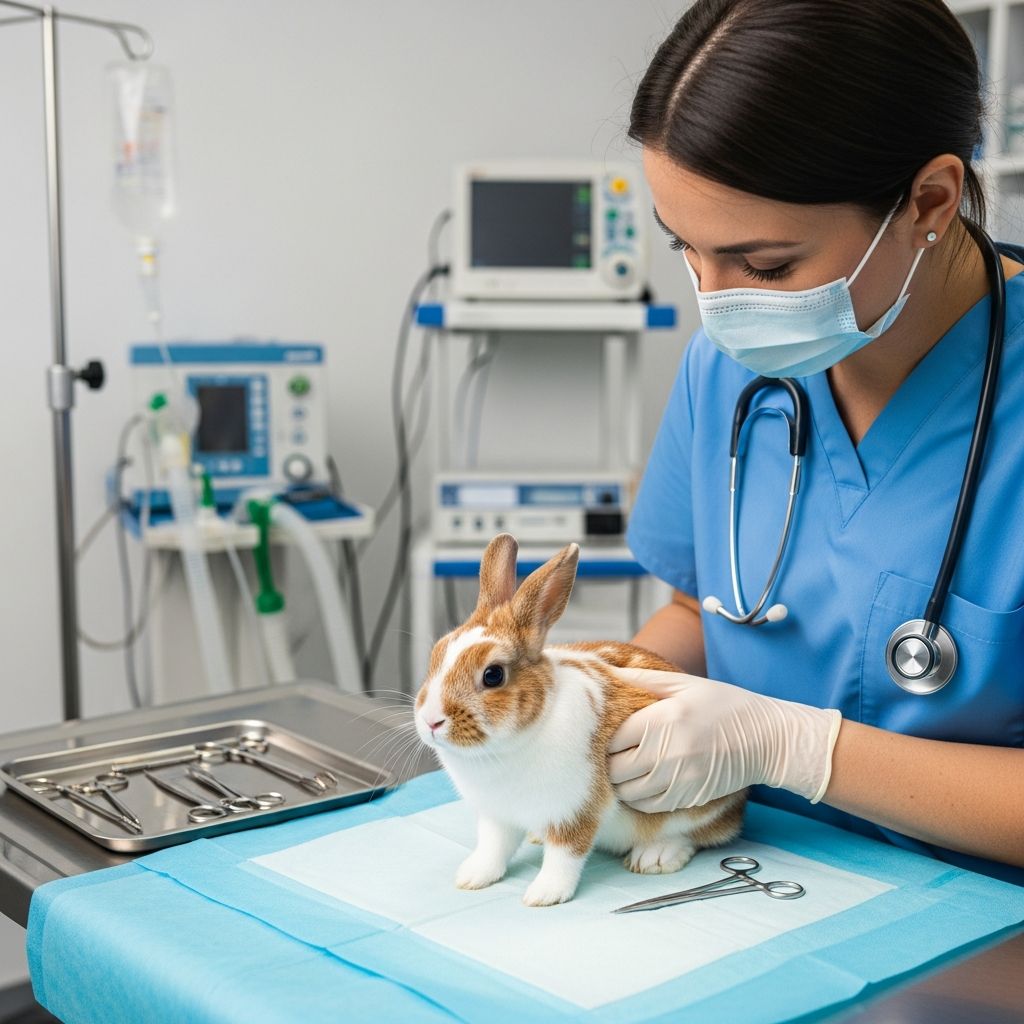
Spaying is a more complex surgical procedure than neutering males. It involves removal of both the ovaries and uterus through an abdominal incision. The procedure is performed under general anesthesia, and the wound is typically closed with surgical glue or sutures. Females can be spayed as early as 10 to 12 weeks of age. If spaying is delayed, owners risk unwanted pregnancies and the associated risks of pregnancy and birthing complications. Early spaying eliminates these concerns and should be considered as soon as veterinarians recommend.
Anesthesia and Safety Considerations
Many rabbit owners express concern about the safety of anesthesia during neutering procedures. However, modern advances in veterinary medicine have dramatically improved safety profiles for rabbit surgeries.
Modern Anesthesia Safety
In the past, rabbits did experience higher anesthesia-related mortality rates, which discouraged many owners from pursuing spaying and neutering. With modern drugs and skilled veterinarians experienced in rabbit care, the risk is now comparable to anesthesia risks in cats. The often-cited “1 in 70 mortality rate” from rabbit surgery is highly misleading, as it includes elderly and sick rabbits undergoing emergency procedures in addition to routine neutering operations. When examining only healthy rabbits undergoing elective procedures like neutering, the rate of severe complications drops to approximately 0.7%, with this rate continuing to improve as newer and safer drugs and procedures are introduced.
Pre-operative Assessments
Experienced rabbit veterinarians take careful precautions before surgery. Pre-anesthesia blood work is assessed to ensure rabbits can safely withstand the procedure, and vital signs are carefully monitored throughout the surgical stay. These precautions significantly reduce complications and ensure optimal surgical outcomes.
Potential Surgical Risks
While complications are rare with modern techniques and experienced veterinarians, potential risks include hernias (particularly in males), bleeding, and other surgical complications. However, these occurrences have become increasingly uncommon as veterinarians gain more experience and expertise in performing rabbit operations. The overwhelming evidence shows that the risks of surgery are far outweighed by the health benefits of preventing cancer, infections, and behavioral problems.
Advanced Surgical Techniques
Some veterinary clinics now offer advanced neutering techniques using laser surgery. Laser neutering minimizes post-operative pain, swelling, and inflammation compared to traditional surgical methods. Combined with pre-operative pain injections and post-operative pain medication, laser techniques provide rabbits with smoother and more rapid recovery periods, reducing discomfort and stress during healing.
Post-Operative Care and Recovery
Proper post-operative care is essential for ensuring smooth recovery and preventing complications after neutering.
Immediate Post-Surgery
After neutering or spaying, rabbits typically return home the same day as surgery. During the first few days, rabbits must be kept in a quiet, comfortable environment and separated from other rabbits, especially mates, to prevent disruption of healing incisions. Activity should be restricted, and the incision site should be kept clean and dry. Owners should monitor the incision regularly for signs of infection, excessive swelling, or discharge.
Pain Management
Pain management is crucial during recovery. Veterinarians typically prescribe pain medications to be administered for several days following surgery. Proper pain control not only increases comfort but also encourages normal eating and movement, which are important for recovery.
Dietary Considerations
Rabbits should continue eating their regular diet after surgery, though appetite may be temporarily reduced due to anesthesia and pain. Providing favorite fresh vegetables and high-quality hay encourages eating. If a rabbit refuses food for more than 12 hours post-surgery, contact your veterinarian immediately, as gastrointestinal stasis can be a serious complication.
Activity Restrictions
During the recovery period, which typically lasts 7 to 14 days depending on the individual rabbit and surgical technique used, activity should be restricted. Rabbits should not jump excessively or engage in vigorous play. Separating rabbits from companions prevents accidental incision trauma during play or bonding activities.
Risks vs. Benefits Comparison
| Factor | Risks of Surgery | Benefits of Neutering |
|---|---|---|
| Cancer Risk | Minimal anesthesia-related risk (0.7% in healthy rabbits) | Eliminates 40-80% uterine cancer risk in females; prevents testicular cancer in males |
| Lifespan | Very rare surgical complications | Significantly increased life expectancy |
| Behavior | Temporary post-operative discomfort | Reduced aggression, spraying, and poor litter box habits |
| Social Living | Recovery separation period required | Enables peaceful multi-rabbit households |
| Reproduction | Permanent surgical procedure | Eliminates unwanted litters and breeding drive |
When to Schedule Neutering
Both males and females can ideally be neutered or spayed when they reach 10 to 12 weeks of age, or whenever their reproductive organs have fully developed. However, rabbits can be safely spayed or neutered at various ages throughout their lives. Early neutering prevents the onset of behavioral problems and eliminates the risk of pregnancy in females. If you have an older rabbit that has not been neutered, discuss with your veterinarian whether the procedure is still advisable based on your individual rabbit’s health status.
Frequently Asked Questions (FAQs)
Q: Is neutering safe for rabbits?
A: Yes, neutering is a safe procedure when performed by a veterinarian experienced with rabbits. Modern anesthesia and surgical techniques have made the procedure safer than ever, with complication rates as low as 0.7% in healthy rabbits.
Q: What age should I neuter my rabbit?
A: Rabbits can be neutered as early as 10 to 12 weeks old, or whenever their reproductive organs have fully developed. Early neutering prevents behavioral problems and breeding.
Q: How long is the recovery period after neutering?
A: Recovery typically takes 7 to 14 days, depending on the individual rabbit and surgical technique. During this time, rabbits should have restricted activity and be separated from other rabbits.
Q: Will neutering change my rabbit’s personality?
A: Neutering will reduce hormone-driven behaviors like aggression and territorial marking, but your rabbit’s basic personality remains unchanged. Many rabbits become calmer and more affectionate after neutering.
Q: What are the main health benefits of neutering?
A: The primary benefits include eliminating reproductive cancer risk, preventing infections, reducing behavioral problems, enabling social living with other rabbits, and extending overall lifespan.
Q: Can older rabbits be neutered safely?
A: Yes, older rabbits can often be neutered safely with proper pre-operative assessment and veterinary care. Discuss your older rabbit’s individual health status with your veterinarian.
Q: What should I expect during post-operative recovery?
A: Expect temporary discomfort managed with pain medication, restricted activity for 7-14 days, temporary appetite reduction, and the need to keep your rabbit separated from other rabbits during healing.
Conclusion
Neutering your rabbit is one of the most important health decisions you can make to ensure a long, healthy, and happy life. The overwhelming health benefits—including prevention of deadly reproductive cancers, behavioral improvements, enabling social relationships with other rabbits, and extended lifespan—far outweigh the minimal surgical risks when performed by an experienced veterinarian. Modern anesthesia and surgical techniques have made neutering safer than ever before. By choosing to neuter your rabbit, you are investing in their wellbeing, preventing suffering from serious diseases, and contributing to responsible pet ownership. Consult with your veterinarian about the best timing and approach for your individual rabbit’s neutering procedure.
References
- Spay and Neuter Surgery — House Rabbit Society. 2024. https://houserabbit.org/spay-and-neuter-surgery
- Rabbit Anaesthesia for Neutering: Do the Benefits Outweigh the Risks? — Goddard Veterinary Group. 2024. https://www.goddardvetgroup.co.uk/blog/rabbit-anaesthesia-for-neutering-do-the-benefits-outweigh-the-risks/
- A Complete Guide to Spaying or Neutering Your Rabbit — Oxbow Animal Health. 2024. https://oxbowanimalhealth.com/blog/the-importance-of-spaying-or-neutering-your-rabbit/
- Spaying and Neutering Rabbits — Dupont Veterinary Clinic. 2024. https://www.dupontvet.com/blog/dont-let-the-benefits-of-rabbit-neutering-hop-past-you/
- Rabbit Neuter by Laser — Long Beach Animal Hospital. 2024. https://lbah.com/rabbit/neuter-rabbit/
Similar Articles








Read full bio of medha deb