

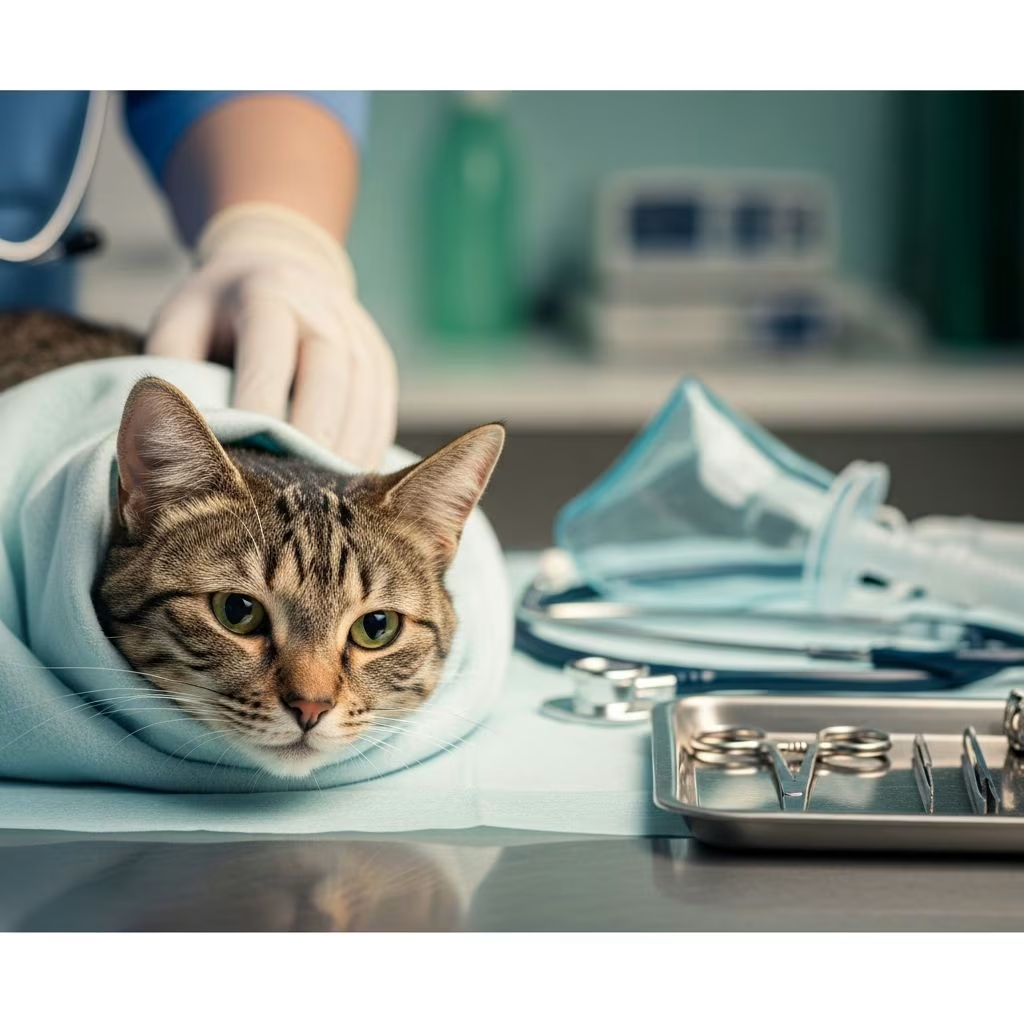
Understanding Neutering in Cats
Neutering is a common surgical procedure that removes a male cat’s testicles, rendering him unable to reproduce. This routine veterinary operation is one of the most frequently performed surgeries in cats and is considered an essential part of responsible pet ownership. Neutering differs from castration in that it specifically refers to the removal of the testicles through a surgical incision, typically performed under general anesthesia. The procedure permanently prevents a male cat from fathering kittens and significantly reduces or eliminates hormone-driven behaviors associated with reproduction.
The primary purpose of neutering extends beyond simple population control. By removing the reproductive organs, cats lose the ability to produce sperm and the hormones that drive sexual behaviors. This fundamental change in a cat’s physiology creates numerous cascading effects on both behavior and health, many of which are overwhelmingly positive for the cat’s long-term wellbeing and quality of life.
Health Benefits of Neutering
One of the most compelling reasons to neuter your male cat involves the significant health advantages this procedure provides. Neutering eliminates the risk of testicular cancer entirely, as the primary site of this cancer is removed during the procedure. Additionally, neutering reduces the risk of prostate disease and other reproductive system-related health issues that can plague unneutered male cats as they age.
Beyond cancer prevention, neutering provides protection against diseases that are commonly transmitted through sexual contact and fighting behaviors. Neutered male cats have significantly lower risks of contracting feline immunodeficiency virus (FIV) and feline leukemia virus (FeLV), particularly because they are less likely to engage in the territorial fights that transmit these diseases through bites and wounds. Research indicates that cats sterilized at the appropriate time can substantially reduce their risk of urinary tract infections, contributing to better urinary health throughout their lives.
Perhaps most remarkably, neutered male cats live approximately 62% longer on average than their unneutered counterparts, according to the American Veterinary Medical Association (AVMA). This extended lifespan results from reduced risk of injury, disease transmission, and trauma-related accidents that unneutered males experience while roaming or fighting.
Behavioral Benefits of Neutering
The behavioral improvements following neutering are often the most noticeable changes cat owners observe in their pets. Neutering has been scientifically shown to decrease hyperactivity, sexual behaviors, aggression, roaming tendencies, and urine spraying. These behavioral modifications occur primarily because neutering dramatically reduces testosterone levels circulating throughout the cat’s body, which is the hormone driving these behaviors.
One of the most significant behavioral benefits is the reduction in territorial aggression and fighting. Male cats naturally become aggressive during mating season, frequently engaging in fights over territory, food, and potential mates. Neutered male cats experience dramatically reduced territorial behavior, with their tendency to fight essentially reduced to zero in most cases. This is particularly beneficial for households with multiple cats, where neutering significantly reduces the number of fights and resulting injuries among feline housemates.
Urine marking and spraying behaviors, which can be extremely frustrating for cat owners, are nearly eliminated through neutering. While approximately 90% of intact male cats engage in urine spraying to mark territory and communicate reproductive status, only about 10% of neutered male cats develop spraying problems. Neutered males also demonstrate reduced roaming behavior, keeping them safer by minimizing their exposure to outdoor dangers, traffic, predators, and disease exposure.
Perhaps less obvious but equally important, neutered cats become noticeably cleaner, gentler, and more affectionate. The reduction in hormone-driven behaviors allows cats to express their naturally social and affectionate nature more consistently. Many cat owners report their neutered cats are more content to stay home, more playful in appropriate ways, and more bonded to their human family members.
Population Control and Environmental Impact
Neutering plays a crucial role in addressing the cat overpopulation crisis. By rendering cats unable to reproduce, neutering directly controls pet overpopulation and reduces the number of unwanted and stray cats that overwhelm animal shelters. Cats are remarkably prolific breeders, and an unneutered cat can be responsible for dozens of offspring within just a few years, each of whom may also reproduce. This exponential population growth contributes significantly to the millions of cats euthanized annually in shelters due to insufficient resources and adoptive homes.
From a broader perspective, uncontrolled cat breeding places enormous burden on animal welfare organizations and contributes to feline homelessness and suffering. By neutering your male cat, you’re making a direct contribution to reducing animal suffering at a population level and helping alleviate the financial strain on rescue organizations and shelters.
The Neutering Procedure: What to Expect
Understanding what the neutering procedure involves can help reduce anxiety about the process. The surgery is performed under general anesthesia, which is administered after a thorough pre-operative examination and blood work to ensure your cat is healthy enough for surgery. Your veterinarian will discuss anesthesia protocols and may ask about any previous reactions your cat has had to medications.
During the procedure, the veterinarian makes a small surgical incision, typically in the scrotum or lower abdomen, to access and remove the testicles. Modern surgical techniques and careful anesthesia management have made this a very safe procedure with minimal complications in most cases. The surgery typically takes 15 to 20 minutes, though the entire appointment, including pre-operative preparation and post-operative monitoring, usually takes longer.
Your veterinarian will use sutures or surgical glue to close the incision, depending on their preferred technique. Most cats go home the same day as their surgery, though some veterinary clinics prefer to keep patients overnight for observation. Pain management will be provided, typically through local anesthesia during the procedure and prescribed pain medications for the days following surgery.
Pre-Operative Preparation
Proper preparation before neutering surgery is essential for ensuring the best outcome and minimizing complications. Your cat must be completely vaccinated and dewormed before the procedure, with all vaccinations current and verified by your veterinarian. Additionally, your cat must be in 100% good health for the operation to proceed as scheduled.
Your veterinarian will likely recommend multiple blood and biochemistry tests once you’ve decided your cat is ready for sterilization surgery. These tests screen for any underlying health conditions, organ dysfunction, or blood clotting disorders that could complicate surgery or anesthesia. Most veterinarians advise against neutering cats when they are in heat, and you may have to wait 5 to 7 days until your cat is no longer showing signs of heat.
Pre-operative instructions typically include fasting requirements—usually no food for 6 to 8 hours before surgery and no water for 2 to 4 hours beforehand. This fasting is essential because it reduces the risk of aspiration pneumonia during anesthesia. Your veterinarian will provide specific fasting instructions tailored to your appointment time.
Post-Operative Care and Recovery
Most cats recover remarkably quickly from neutering, typically bouncing back to themselves within a few days of surgery. However, careful post-operative care during the recovery period is crucial for preventing complications and ensuring proper wound healing. Your cat will need to be monitored closely during the recovery phase, which typically lasts 10 to 14 days from the date of surgery.
During recovery, keep your cat in a quiet, comfortable space where he can rest undisturbed. Restrict activity during the first few days—avoid rough play, jumping from high places, or running, as these activities can disrupt the surgical incision and compromise healing. Many veterinarians recommend keeping neutered cats indoors during recovery to prevent complications from outdoor hazards.
Pain management is an important component of recovery. Your veterinarian will likely prescribe pain medication to keep your cat comfortable during the healing process. Administer medications exactly as prescribed and contact your veterinarian if your cat seems to be in excessive pain or distress. Watch for signs of infection, including swelling, redness, discharge, or a foul smell from the incision site.
The surgical incision requires regular monitoring. Keep the area clean and dry, and prevent your cat from licking or chewing at the incision, as this can introduce bacteria or cause the wound to open. Your veterinarian may provide an Elizabethan collar (cone) to prevent licking. Some incisions require suture removal after 10 to 14 days, while others use dissolvable sutures that don’t require removal. Your veterinarian will provide specific instructions for your cat’s incision type.
Potential Risks and Complications
While neutering is generally a very safe procedure, like any surgical intervention, it carries some inherent risks that responsible pet owners should understand. Most complications are uncommon, but potential short-term surgical complications can include abscess development, bleeding, and scrotal hematoma (pooling of blood in the scrotum). These complications are typically minor and resolve with appropriate veterinary care.
Anesthesia-related risks, though rare in healthy cats, can include allergic reactions to anesthetic agents, adverse reactions to medications, or complications related to the anesthesia protocol itself. This is why pre-operative blood work and health screening are so important—they identify cats at higher anesthesia risk so your veterinarian can adjust protocols accordingly.
Several long-term health risks have been identified in association with neutering. Obesity is the most common long-term concern, as neutering increases metabolic risk for weight gain. A cat’s caloric needs decrease by approximately 30% after neutering, while appetite often increases, creating a mismatch that can rapidly lead to weight gain and obesity. Cat owners should work closely with their veterinarian to adjust diet and monitor weight post-neuter, potentially transitioning to specialized foods formulated for sterilized cats.
Orthopedic issues represent another potential long-term consideration. Neutering a cat while young can delay growth plate closure, potentially increasing the risk of growth plate fractures, though more research is needed to fully understand this relationship. Additionally, obesity following neutering can contribute to orthopedic problems including joint disease. Neutered cats may also have a higher risk of specific joint problems and urinary tract issues if not properly managed nutritionally.
Cost Considerations
The financial aspect of neutering is an important practical consideration for cat owners. Neuter costs typically range from $200 to $300 at private veterinary clinics, though costs vary significantly based on geographic location, clinic reputation, and individual veterinary practice fees. This may seem like a substantial expense for many pet owners.
However, lower-cost options are often available through animal shelters, rescue organizations, and nonprofit spay/neuter programs that work to increase access to these procedures regardless of financial circumstances. Many communities offer subsidized or free neutering through local animal welfare agencies. The long-term savings from neutering—reduced veterinary expenses from preventing cancer, reproductive diseases, and trauma-related injuries—typically far exceed the upfront surgical cost over a cat’s lifetime.
Timing Considerations for Neutering
When to neuter your cat is an important decision that should be made in consultation with your veterinarian. Many veterinarians recommend early sterilization of cats to reduce the risk of development of cancer or tumors within the first year of their lives. Early neutering prevents behavioral problems from ever developing and eliminates the window during which reproductive cancers can develop.
Traditional recommendations suggest neutering cats around 6 months of age, typically before or shortly after sexual maturity. Some modern veterinary research supports early neutering (even as young as 8 weeks), while other veterinarians prefer waiting until cats are slightly older. Your individual cat’s health status, growth trajectory, and specific circumstances should factor into the timing decision with your veterinarian’s guidance.
Frequently Asked Questions
Q: At what age should I neuter my male cat?
A: Most veterinarians recommend neutering between 5-6 months of age, before or shortly after sexual maturity. However, the appropriate age for your individual cat should be discussed with your veterinarian based on your cat’s health status and growth rate.
Q: Will neutering make my cat lethargic or lazy?
A: While neutered cats may be calmer and less hyperactive than intact males, they should not become excessively lethargic. Maintaining appropriate activity levels and diet helps keep neutered cats healthy and active.
Q: How long is the recovery period after neutering?
A: Most cats recover within a few days and return to normal activity. Complete healing of the surgical incision typically takes 10-14 days. Activity should be restricted during this period.
Q: Can neutering cause behavioral problems?
A: Neutering typically reduces problematic behaviors like spraying, aggression, and roaming. Some cats may show temporary personality changes due to altered hormone levels, but these generally resolve as they adjust to post-operative hormonal levels.
Q: Is neutering reversible?
A: No, neutering is a permanent surgical procedure that cannot be reversed. This is why careful consideration and veterinary consultation before proceeding is important.
Q: What are the signs of infection after neutering?
A: Watch for swelling, redness, discharge, foul odor from the incision site, excessive licking at the area, or behavioral signs of pain. Contact your veterinarian immediately if you notice these signs.
Conclusion
Neutering your male cat is one of the most important health decisions you can make as a responsible pet owner. This routine surgical procedure provides extraordinary benefits spanning health, behavior, and population welfare. From eliminating the risk of testicular cancer and reducing disease transmission to dramatically reducing or eliminating problematic behaviors like spraying and aggression, neutering profoundly improves most cats’ quality of life and longevity.
While neutering does carry some potential risks and requires careful post-operative care, these considerations are minor compared to the substantial and well-documented benefits. By neutering your cat, you’re not only investing in his individual health and happiness but also contributing to broader animal welfare by helping control the cat population crisis.
Discuss neutering thoroughly with your veterinarian to determine the optimal timing for your individual cat and to address any specific concerns about your cat’s health status or individual circumstances. With proper pre-operative preparation, careful surgical technique, and attentive post-operative care, neutering offers your male cat the foundation for a long, healthy, and behaviorally balanced life.
References
- Pros And Cons Of Neutering A Cat — RexiPets. 2025. https://rexipets.com/blogs/the-latest/pros-and-cons-of-neutering-a-cat
- The Pros and Cons of Spaying and Neutering Cats – Vetic — Vetic. 2025. https://vetic.in/blog/pet-care/spaying-and-neutering-cats-the-benefits-and-disadvantages-of-neutering/
- Cat Neuter Surgery: What It Is, Preparation, and Recovery — PetMD. 2025. https://www.petmd.com/cat/procedure/cat-neuter-surgery
- Cat Spaying and Neutering — Cobblestone Veterinary Hospital. 2025. https://www.cobblestone.vet/services/cats/spay-neuter
- Top 9 Reasons to Spay or Neuter Your Cat — Blue Pearl Animal Hospitals. 2025. https://www.bpah.net/blog/top-9-reasons-to-spay-or-neuter-your-cat
- Cat Spaying & Neutering: Benefits & Risks — Royal Canin US. 2025. https://www.royalcanin.com/us/cats/preventative-veterinary-care-cat/neutering-spaying-a-cat



