

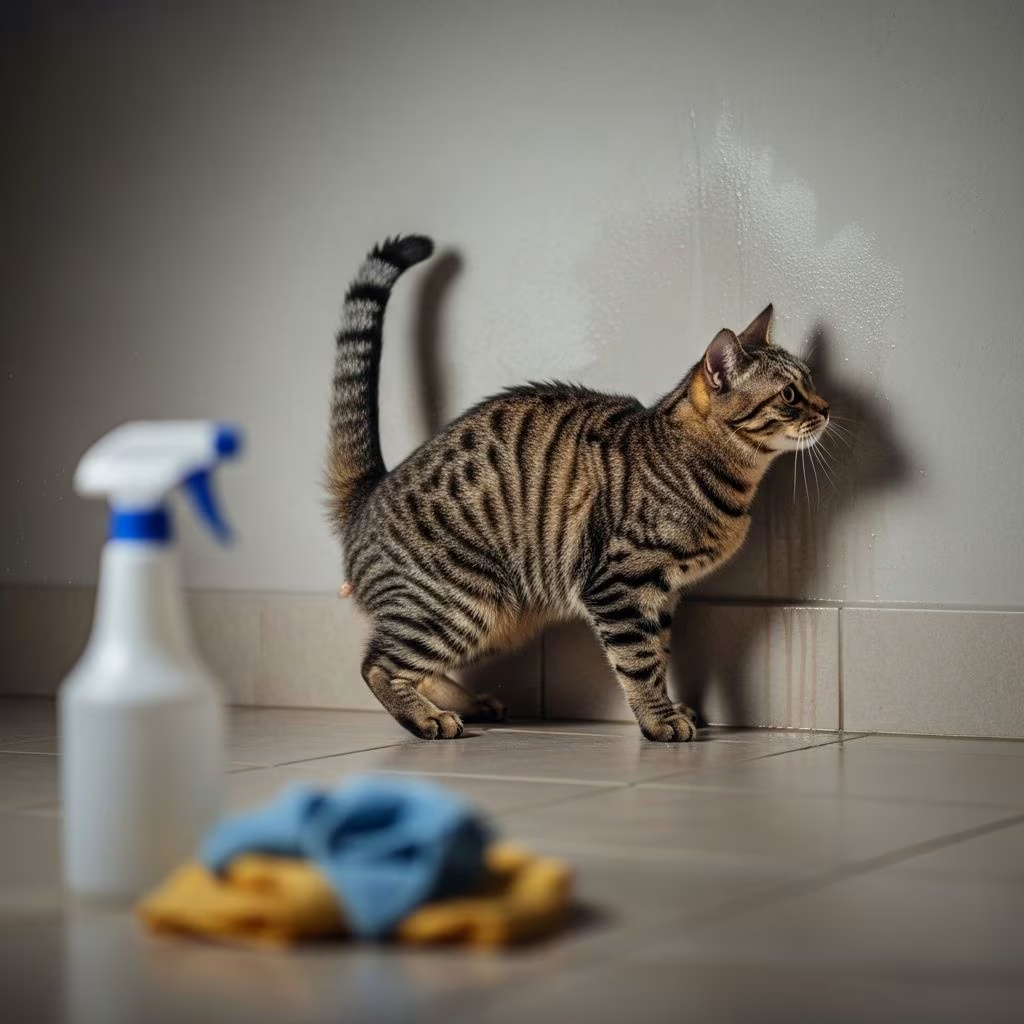
Neutering dramatically reduces spraying in most cats, yet some continue this behavior post-procedure. Understanding the underlying reasons—ranging from environmental stress to medical conditions—allows owners to address it effectively and restore peace in the household.
Distinguishing Spraying from Normal Urination
Spraying differs from typical urination as cats deposit small urine amounts on vertical surfaces like walls or furniture, often in a standing position with tail raised. This communicative act signals territory or stress, unlike squatting for elimination in the litter box.
- Key signs of spraying: Vertical targeting, minimal volume, pungent odor.
- Normal urination traits: Larger pools on horizontal surfaces, squatting posture.
Recognizing this distinction is crucial for targeted interventions rather than assuming litter box aversion alone.
Primary Reasons Neutered Cats Spray
While hormones drive most intact cat spraying, neutered felines exhibit it due to non-sexual factors. Hormonal levels typically stabilize within 4-6 weeks post-neuter, but persistent cases point elsewhere.
Territorial Instincts Persist
Even without reproductive urges, cats mark to claim space, especially amid perceived threats like outdoor felines or new household pets. Detecting rival scents through windows prompts defensive spraying indoors.
Environmental Stressors
Changes such as relocations, furniture shifts, or routine disruptions elevate anxiety, triggering marking as a coping mechanism. Multi-pet homes amplify competition for resources.
Litter Box Dissatisfaction
Inadequate boxes—one per cat plus one extra—dirty conditions, or poor locations lead to avoidance. Cats prefer unscented, clumping litter in quiet spots; mismatches provoke spraying.
Residual Habit or Scent Cues
Prior marking sites retain odors undetectable to humans, reigniting the behavior. Habitual patterns form if unresolved early.
Health-Related Triggers
Urinary tract infections (UTIs), crystals, or blockages cause discomfort mimicking spraying. Neutered males face heightened risks from narrowed urethras.
| Cause Category | Common Indicators | Prevalence in Neutered Cats |
|---|---|---|
| Territorial | Outdoor cat presence, new pets | High in multi-cat homes |
| Stress | Recent changes, anxiety signs | Common trigger |
| Litter Issues | Box avoidance, uncleanliness | Frequent |
| Medical | Frequent urination, straining | 10% males, 5% females |
Step-by-Step Guide to Stopping Spraying
Resolution demands patience, combining veterinary checks, environmental tweaks, and behavioral aids. About 90-95% of neutered cats cease with proper management.
- Veterinary Evaluation: Rule out UTIs, kidney issues, or blockages first. Males require prompt attention to prevent life-threatening obstructions.
- Thorough Cleaning: Use blacklights to spot residues; apply enzymatic cleaners to neutralize scents, avoiding ammonia-based products.
- Litter Optimization: Provide ample, scooped daily boxes in low-traffic areas. Experiment with litter types gradually.
- Stress Mitigation: Introduce pheromone diffusers like Feliway, enrich with toys, perches, and play sessions. Block outdoor cat views with screens.
- Resource Abundance: In multi-cat setups, ensure separate feeding, scratching posts, and vertical spaces to reduce conflicts.
- Professional Aids: Consider anti-anxiety meds if behavioral changes fail; consult vets for prescriptions.
Avoid punishment, as it heightens stress and worsens spraying.
Timeline for Improvement Post-Neutering
Most halt within 6 months, though some persist longer if stressors linger. Early intervention post-surgery yields best outcomes.
- Weeks 1-4: Hormonal decline; monitor closely.
- Months 1-3: Address habits and scents.
- Months 3-6: Tackle chronic stress or medical issues.
Preventive Measures for Long-Term Success
Proactive steps minimize recurrence. Neutering before maturity curbs habit formation; enrich environments from adoption.
- Maintain routine consistency.
- Secure yards against strays.
- Regular vet wellness exams.
- Multi-cat harmony via resources.
Common Myths About Cat Spraying
Myth 1: Neutering guarantees no spraying—reality: 5-10% continue due to other factors.
Myth 2: It’s spiteful—actually instinctual communication.
Myth 3: Females don’t spray—spayed ones can under stress.
Frequently Asked Questions (FAQs)
Will my neutered cat ever stop spraying?
Yes, most do with targeted fixes; persistence may need meds or re-homing considerations.
How soon after neutering does spraying stop?
Typically 1-6 months, varying by cause.
Is spraying a health emergency?
Possibly, if straining or blood present—seek vet immediately.
Can I train my cat not to spray?
Indirectly via environment and stress reduction; positive reinforcement aids.
What if I have multiple cats?
Extra resources prevent territorial disputes.
Case Studies: Real-World Resolutions
In one scenario, a neutered male sprayed post-move; adding perches and cleaning resolved it within weeks. Another involved UTI diagnosis after vet visit, treated successfully. These highlight multifaceted approaches’ efficacy.
Owners report 80% success combining cleaning, litter tweaks, and pheromones.
References
- Why Is My Neutered Cat Spraying? — PetPlace.com. 2023. https://www.petplace.com/article/cats/pet-care/cat-care/why-is-my-neutered-cat-spraying
- My Cat Is Peeing Everywhere After Being Neutered — Petcademy.org. 2024. https://petcademy.org/blog/cat-training/litter-box/why-is-my-cat-peeing-everywhere-after-being-neutered/
- Why Cats Spray and How to Stop this Behavior — Carey Animal Hospital. 2024. https://careyanimalhospital.com/blog/cat-spraying/
- Stop Cat Spraying in House — Best Friends Animal Society. 2023. https://bestfriends.org/pet-care-resources/why-my-cat-spraying-house-and-how-do-i-stop-it
- How to Stop A Neutered Cat From Spraying — Feliway.co.uk. 2024. https://www.feliway.co.uk/blogs/news/how-to-stop-a-neutered-cat-from-spraying
- Cat Spraying: Why Cats Do It and How to Stop It — PetMD. 2025-02-10. https://www.petmd.com/cat/general-health/cat-spraying-why-cats-do-it-and-how-to-stop-it
- Cat Behavior Problems – Marking and Spraying Behavior — VCA Animal Hospitals. 2024. https://vcahospitals.com/know-your-pet/cat-behavior-problems-marking-and-spraying-behavior



