

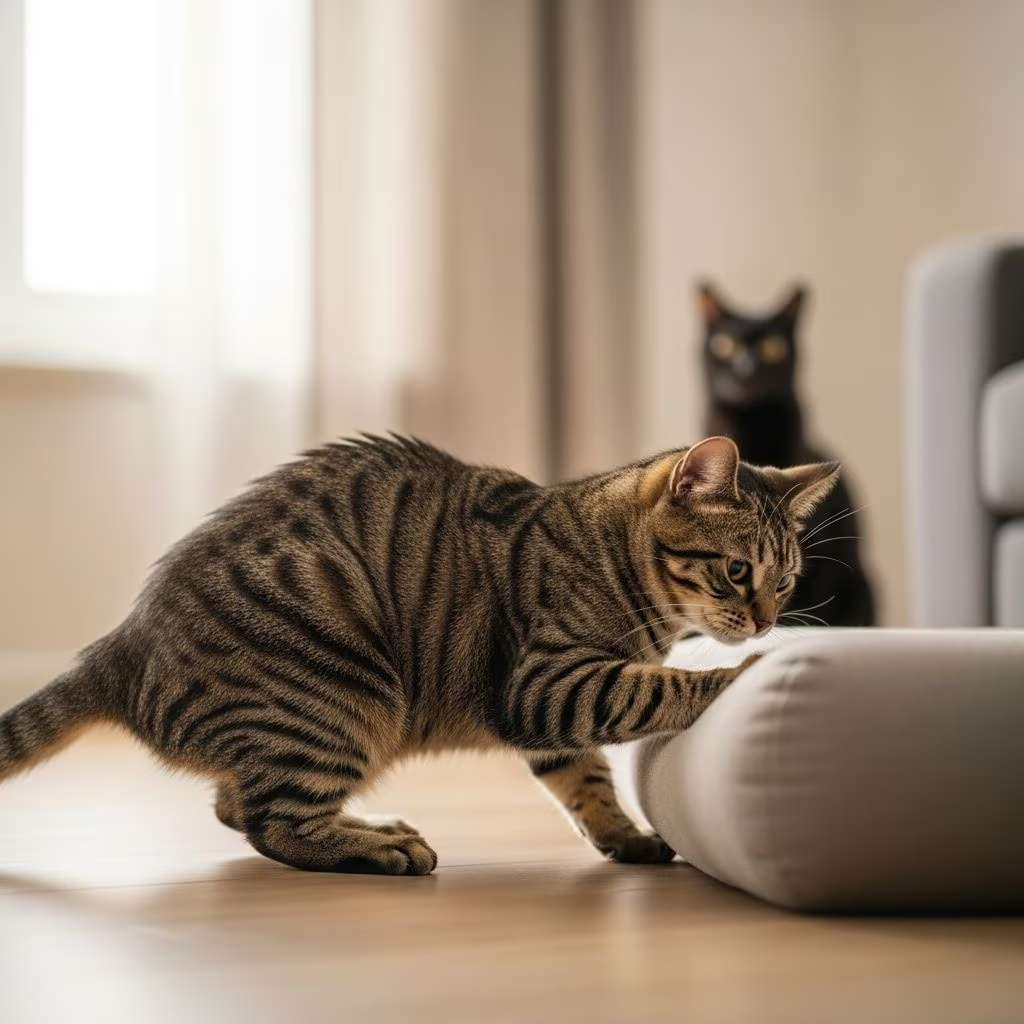
Many cat owners express surprise when their neutered felines display mounting or humping actions, assuming sterilization eliminates such tendencies entirely. This behavior persists in some cases due to lingering hormones, ingrained habits, emotional triggers, or even medical concerns, requiring a nuanced approach to address it properly.
Understanding the Persistence of Humping Post-Neutering
Neutering removes the testes, drastically reducing testosterone production, yet residual hormones can circulate for weeks or months afterward, sustaining mating-like actions temporarily. Beyond biology, humping often serves non-sexual purposes like dominance assertion, stress relief, or play, especially in multi-pet homes where social dynamics play out.
Observing context helps differentiate normalcy from concern: occasional episodes on blankets or toys might indicate harmless fun, while targeted or frequent humping toward people, other animals, or sudden onset signals deeper issues.
Primary Triggers Behind the Behavior
Several factors contribute to this action in sterilized cats. Identifying the root cause guides effective intervention.
Residual Hormonal Influence After Surgery
Immediately following neutering, cats retain circulating testosterone, leading to continued humping as the body clears these hormones over 4-8 weeks. Cats fixed later in life, particularly past kittenhood, may exhibit prolonged persistence due to established neural pathways formed during hormonal peaks.
Learned Habits from Pre-Neutering Days
Cats neutered after one year often develop humping as a conditioned response tied to pleasure or reinforcement, persisting as a default even without gonadal drive. This habitual pattern resembles comfort behaviors like kneading but manifests inappropriately.
Emotional and Environmental Stressors
Changes such as relocations, new household members, or isolation spike anxiety, prompting humping as a self-soothing mechanism. Boredom exacerbates this; understimulated cats redirect pent-up energy into repetitive motions.
Dominance and Social Displays
In multi-cat settings, neutered males may mount others to establish hierarchy, pinning and thrusting without full intent to mate, often accompanied by vocalizing or scruff-grabbing. This asserts control rather than lust.
Potential Medical Mimics
Though rare, urinary tract infections (UTIs) or blockages can mimic humping through straining postures during failed urination attempts. Watch for accompanying signs like frequent litter box visits or blood in urine.
Recognizing Warning Signs That Demand Attention
Not all humping warrants alarm, but specific indicators necessitate veterinary evaluation:
- Sudden onset in previously calm cats.
- Humping paired with aggression or excessive vocalization.
- Straining, frequent urination, or genital overgrooming.
- Lethargy, appetite loss, or inappropriate elimination.
- Targeting living beings persistently despite redirection.
A prompt vet check rules out infections or pain, preventing emergencies like urethral obstruction, which proves fatal without swift treatment.
Proven Strategies to Discourage Humping
Once health issues clear, behavioral modifications yield results. Consistency proves key.
Boost Physical and Mental Engagement
Daily interactive play sessions—15-20 minutes twice daily using wand toys or laser pointers—expends energy and reduces frustration. Introduce puzzle feeders, climbing towers, and rotating toys to combat boredom.
Interrupt and Redirect Firmly
Upon spotting precursors like dilated pupils, aggressive kneading, or meowing, gently place the cat down and withhold attention for 1-2 minutes. Reward cessation with praise or treats to reinforce alternatives.
Enrich the Living Environment
Provide vertical spaces, hiding spots, and pheromone diffusers to alleviate stress from changes. Separate feeding and litter areas in multi-cat homes to minimize territorial tensions.
Address Multi-Pet Dynamics
For dominance-related mounting, increase resources like litter boxes (one per cat plus one extra) and ensure equal attention distribution. Temporary separation during high-energy periods prevents escalation.
| Strategy | Best For | Expected Timeline | Tips |
|---|---|---|---|
| Play Therapy | Boredom/Energy Surplus | 1-4 Weeks | Use feather wands; end sessions tired. |
| Redirection | Habitual Targeting | 2-6 Weeks | No attention during act; praise stopping. |
| Environmental Tweaks | Stress/Anxiety | Ongoing | Add perches, Feliway diffusers. |
| Vet/Behaviorist Consult | Persistent Cases | Varies | Rule out medical first. |
Long-Term Management for Lasting Peace
Patience transforms habitual humpers into affectionate companions. Track progress in a journal, noting triggers and responses to refine tactics. If behaviors endure beyond two months despite efforts, consult a certified feline behaviorist for tailored plans, potentially including calming supplements vetted by your vet.
Preventive neutering before six months minimizes habit formation, though adult fixes still curb reproduction effectively. Regular wellness exams catch early stressors or health shifts.
Frequently Asked Questions
Is humping in neutered cats dangerous?
Rarely, but persistent cases may signal UTIs requiring urgent care. Monitor for urinary symptoms.
How long after neutering does humping stop?
Typically 4-8 weeks for hormones to fade, longer if habitual.
Should I punish my cat for humping?
No—punishment heightens stress. Use positive redirection instead.
Does humping mean my cat is unhappy?
Often linked to unmet needs like play or security, not outright misery.
Can female neutered cats hump too?
Yes, though less common, driven by similar non-sexual factors.
Key Takeaways for Cat Owners
- Prioritize vet visits for new or intense behaviors.
- Enhance stimulation to channel energies positively.
- Observe patterns to pinpoint triggers like stress or dominance.
- Consistency in redirection builds better habits over time.
References
- 5 Reasons Your Neutered Cat Humps & How to Stop It (Vet Answer) — Catster. 2023. https://www.catster.com/ask-the-vet/why-do-neutered-cats-still-hump/
- Why Is My Neutered Male Cat Humping and How Do I Stop It? — PetHelpful. 2023. https://pethelpful.com/cats/how-to-get-a-fixed-male-cat-to-stop-humping-humans
- Why Do Fixed Cats Mount Each Other? — Two Crazy Cat Ladies. 2023. https://twocrazycatladies.com/education/why-do-fixed-cats-mount-each-other/
- Neutered male cat humping male kitten — Sphynx Lair Forum. 2023. https://sphynxlair.com/community/threads/neutered-male-cat-humping-male-kitten.31927/



