
Neuromuscular Disorders In Animals: A Practical Guide For Vets
Comprehensive guide to identifying and managing neuromuscular conditions in pets and livestock.
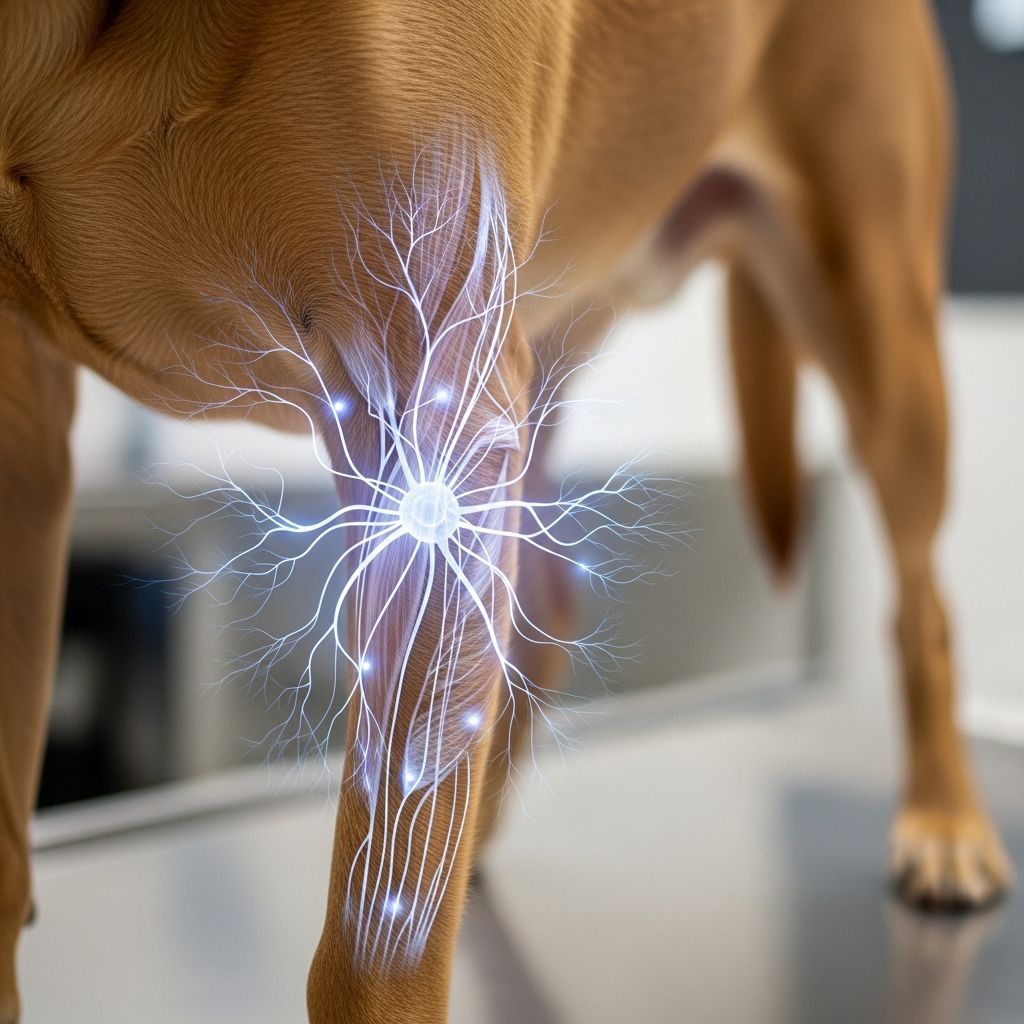
Neuromuscular disorders represent a diverse group of conditions that affect the muscles, nerves, and the junction between them in animals. These conditions can range from mild, manageable diseases to severe, progressive illnesses that significantly impact an animal’s quality of life. Understanding the nature of these disorders, their presentations, and available diagnostic tools is essential for veterinarians and pet owners alike in ensuring proper care and management.
The Spectrum of Neuromuscular Disease Manifestations
Animals affected by neuromuscular disorders present with a wide array of clinical signs that vary considerably depending on the specific condition and its severity. The manifestations can be broadly categorized into different presentations, ranging from subtle signs to complete debilitation.
In mild presentations, animals may experience intermittent weakness that becomes apparent only during physical activity or exercise. This exercise-induced weakness might cause the animal to move with a shortened stride, display visible muscle tremors, or show reluctance to engage in normal activities. In some cases, weakness may preferentially affect the hind limbs while sparing the forelimbs initially.
As conditions progress in severity, muscle weakness can become more pronounced and generalized. Animals may struggle to maintain normal posture, have difficulty standing from a lying position, or experience weakness that affects multiple muscle groups simultaneously. In the most severe manifestations, complete paralysis can occur, rendering the animal unable to support its own body weight or maintain its head in a normal position.
A particularly concerning aspect of some neuromuscular disorders is their potential to affect muscles involved in vital functions. When muscles of the pharynx and esophagus become weak, animals may develop difficulty swallowing, regurgitate food after eating, or aspirate food material. In advanced cases where respiratory muscles become involved, animals may experience breathing difficulties that pose life-threatening complications.
Classification of Neuromuscular Pathology
Neuromuscular disorders can be classified based on the anatomical location of the pathology. This classification system helps veterinarians narrow their diagnostic focus and understand the underlying mechanisms of disease.
Neuropathic Disorders
Neuropathies involve disease of the peripheral nerves themselves. These conditions can affect the motor nerves, sensory nerves, or both, and may be inherited, acquired, or secondary to systemic disease. Inherited neuropathies in animals can result from genetic mutations affecting nerve development or maintenance.
Junctionopathies
Junctionopathies are disorders affecting the neuromuscular junction—the specialized structure where nerve endings communicate with muscle fibers through chemical signals. The most common junctionopathy in companion animals is acquired myasthenia gravis, which involves antibodies targeting the acetylcholine receptor at this critical interface.
Myopathies
Myopathies are primary disorders of the muscle tissue itself. These can result from infectious agents, immune-mediated inflammation, inherited genetic mutations, or systemic metabolic diseases. The diversity of potential causes underscores the importance of comprehensive diagnostic investigation.
Inherited and Congenital Conditions in Large Animals
Large animal species, particularly cattle and horses, experience several notable inherited neuromuscular conditions that affect agricultural productivity and animal welfare.
Bovine spastic disorders represent a significant condition in cattle breeding, manifesting in two distinct forms based on the animal’s age. The condition affects specific muscle groups, particularly the muscles of the lower leg and thigh, resulting in abnormal muscle tone and movement restriction. Historically, this condition has been referred to by various names reflecting the observable stiffness and contracture of affected muscles.
Equine muscular dystrophy has been documented in several horse breeds, including Thoroughbreds, Quarter Horses, and Swedish half-bred horses. This inherited condition results in progressively worsening muscle stiffness beginning in early life, with clinical and laboratory evidence of significant muscle damage. The disease demonstrates selective degeneration of specific muscle fiber types on microscopic examination.
In sheep, inherited muscular dystrophy of Merino breeds presents with similar progressive features, with laboratory markers indicating substantial muscle tissue breakdown and specific patterns of muscle fiber loss observable through tissue analysis.
Inherited Neuromuscular Conditions in Companion Animals
Dogs and cats are affected by numerous inherited neuromuscular disorders, many with breed predispositions that reflect their genetic heritage.
Breed-Specific Inherited Neuropathies
Hypertrophic neuropathy of Tibetan Mastiffs is an autosomal recessive condition that has been identified across multiple continents. Affected puppies show onset of clinical signs in the second or third month of life, with rapidly progressive weakness and loss of muscle tone. While some affected dogs may eventually regain the ability to walk, permanent weakness persists, and the prognosis remains guarded.
Alaskan Malamute polyneuropathy affects young adult dogs, with onset typically between 10-18 months of age. This condition results from a specific genetic mutation and manifests with multiple neurological signs including paralysis of the larynx (affecting vocalization and potentially breathing), exercise intolerance, progressive weakness of the hind and fore limbs, and visible muscle wasting. Electrodiagnostic testing reveals characteristic patterns of nerve dysfunction, while tissue examination shows both nerve fiber death and loss of the myelin coating surrounding nerve fibers. The prognosis varies, with some dogs experiencing stabilization while others face progressive decline.
Congenital Muscle and Neuromuscular Junction Disorders
Congenital myasthenia gravis, distinct from the acquired form, presents early in life with characteristic exercise-induced weakness. The condition often accompanies megaesophagus (enlargement of the esophagus), and affected animals demonstrate a more guarded prognosis compared to the acquired form. Clinical signs include generalized weakness, abnormal positioning of the head and neck, and swallowing difficulties.
Congenital myoclonus of Labrador Retrievers causes involuntary, stimulus-triggered muscle spasms beginning in early puppyhood. Affected puppies may be completely incapacitated by rigid muscle contraction during movement, though muscles remain relaxed when the dog is at rest. The severe functional impairment and poor prognosis make this a devastating condition.
Progressive Myopathies in Specific Breeds
Centronuclear myopathies in various dog breeds present with generalized weakness and severe muscle loss. Signs typically become apparent by three months of age and may be exacerbated by cold temperatures, stress, or exercise. The characteristic feature on muscle biopsy is the abnormal central location of muscle cell nuclei. A particularly severe variant, X-linked myotubular myopathy, progresses rapidly and often proves fatal due to respiratory muscle involvement before six months of age.
Mitochondrial myopathies have been identified in specific spaniel breeds and Old English Sheepdogs. These conditions impair the energy-producing capacity of muscle cells, resulting in exercise intolerance and collapse during activity. Laboratory testing often reveals elevated blood lactate levels after exercise, reflecting impaired energy metabolism. Muscle tissue examination may show increased numbers of mitochondria, and some variants involve abnormalities of carnitine metabolism, leading to lipid accumulation within muscle fibers.
Central core myopathy in Great Danes manifests as progressive weakness and muscle atrophy in young adults, typically appearing between six months and three years of age. The condition carries a poor prognosis, with many affected dogs requiring euthanasia within months of diagnosis.
Diagnostic Approaches to Neuromuscular Disorders
Establishing a diagnosis of neuromuscular disease requires a systematic approach incorporating multiple diagnostic modalities.
Initial Assessment and Screening Tests
The diagnostic process typically begins with comprehensive blood testing to identify systemic diseases that might indirectly affect neuromuscular function, such as metabolic imbalances, hormonal disorders, or infectious diseases. Imaging studies including radiographs and ultrasound of the thorax and abdomen help exclude other conditions that might mimic neuromuscular disease.
Specialized Neuromuscular Diagnostics
When junctionopathy is suspected, particularly myasthenia gravis, serum testing can detect antibodies directed against the acetylcholine receptor, providing diagnostic confirmation. Cerebrospinal fluid analysis obtained through spinal tap may reveal inflammation of nerve roots.
Electrodiagnostic testing using electromyography represents a crucial diagnostic tool that allows direct evaluation of how muscles respond to nerve stimulation. This test can help confirm that pathology is indeed present in the neuromuscular system and can provide characteristics suggestive of specific disease types.
Nerve and muscle biopsies provide definitive histological diagnosis, allowing identification of degeneration patterns, inflammation, structural abnormalities, and fiber type-specific changes that characterize particular disorders.
Disease Categories Based on Etiology
Neuromuscular disorders can arise from diverse causative factors, each requiring different management approaches.
Infectious Causes
Various infectious agents can cause neuromuscular manifestations, including parasitic infections such as neosporosis and toxoplasmosis, as well as bacterial infections like tetanus and botulism.
Immune-Mediated Diseases
The animal’s own immune system can attack neuromuscular structures, resulting in myasthenia gravis (acetylcholine receptor destruction), neuritis or polyradiculoneuritis (nerve inflammation), or myositis (muscle inflammation).
Toxic and Metabolic Etiologies
External toxins and metabolic imbalances secondary to systemic diseases can indirectly damage the neuromuscular system.
Inherited and Degenerative Conditions
As discussed previously, inherited genetic mutations and age-related degenerative processes account for many neuromuscular disorders.
Clinical Significance and Treatment Considerations
Reaching an accurate diagnosis is essential for determining appropriate therapeutic approaches and providing meaningful prognostic information to owners. Some inherited conditions lack specific treatments but may benefit from supportive care and management strategies to maintain quality of life. Conversely, certain acquired conditions, particularly those with infectious or immune-mediated etiologies, may respond well to targeted therapies.
The variable progression and prognosis of different neuromuscular disorders necessitate individualized assessment and planning for each affected animal, with regular reassessment as clinical signs evolve.
Frequently Asked Questions About Neuromuscular Disorders
What are the first signs a pet owner might notice?
Early signs often include reluctance to exercise, muscle tremors during activity, shortened stride, or mild weakness that may only be apparent during play or exertion. Some animals may show difficulty swallowing or regurgitate food.
Are neuromuscular disorders curable?
This depends on the specific diagnosis. Some acquired conditions, particularly those with infectious or immune-mediated causes, may respond to treatment. However, most inherited neuromuscular disorders are not curable, though supportive care can improve quality of life.
How quickly do these conditions progress?
Progression varies dramatically based on the specific disorder. Some conditions stabilize after initial onset, while others progress steadily. Some severe inherited forms may prove rapidly fatal due to respiratory muscle involvement.
Can neuromuscular disorders be prevented?
For inherited conditions, selective breeding practices informed by genetic testing can reduce disease incidence in future generations. Acquired disorders may be prevented through vaccination (tetanus), proper toxin avoidance, and prompt treatment of systemic diseases.
Conclusion
Neuromuscular disorders in animals represent a complex and heterogeneous group of conditions affecting the nervous and muscular systems. From breed-specific inherited mutations to acquired immune-mediated diseases, these conditions demand careful diagnostic investigation and individualized management approaches. Advances in our understanding of these disorders continue to expand diagnostic capabilities and broaden our therapeutic options, improving outcomes for affected animals and guiding breeding decisions to reduce disease prevalence in future generations.
References
- Selected disorders of muscle and the neuromuscular junction — PubMed/NCBI. 1999. https://pubmed.ncbi.nlm.nih.gov/10680209/
- Neuromuscular Disorders in Animals – Nervous System — Merck Veterinary Manual. 2024. https://www.merckvetmanual.com/nervous-system/congenital-and-inherited-anomalies-of-the-nervous-system/neuromuscular-disorders-in-animals
- Neuromuscular Disorders Fact Sheet — Davies Veterinary Specialists. 2024. https://www.vetspecialists.co.uk/fact-sheets-post/neuromuscular-disorders-fact-sheet/
- Neuromuscular Disease — Cave Veterinary Specialists. 2024. https://www.cave-vet-specialists.co.uk/pet-owners/factsheets/neuromuscular-disease
- Neuromuscular Diseases — University of California Davis School of Veterinary Medicine. 2024. https://neurology.vetmed.ucdavis.edu/neuromuscular-diseases
Similar Articles








Read full bio of Sneha Tete


