

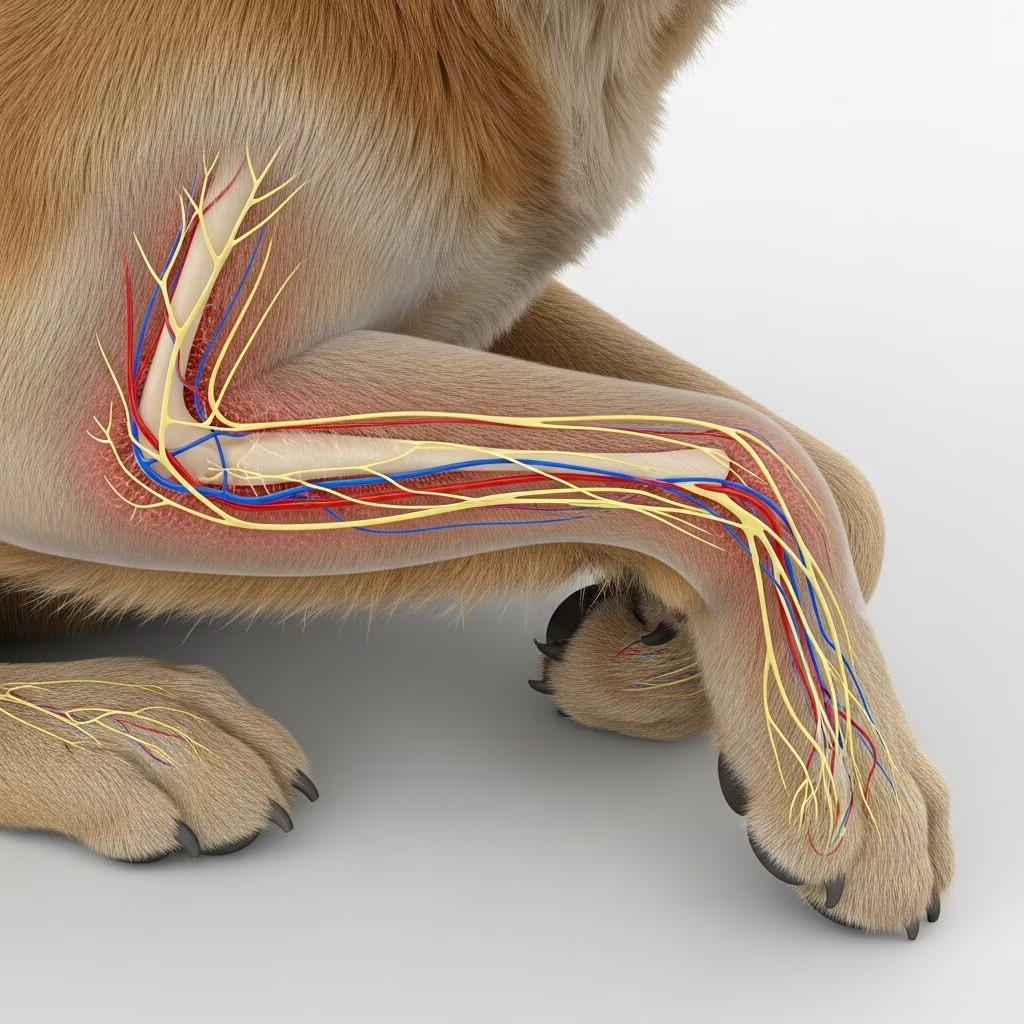
Diabetic neuropathy represents a uncommon yet serious complication in dogs suffering from diabetes mellitus, where prolonged high blood sugar levels inflict harm on the peripheral nerves. This condition primarily manifests as hind limb weakness, impaired coordination, and muscle wasting, significantly affecting a dog’s mobility and overall well-being. Effective management hinges on rigorous blood glucose control through insulin therapy, supplemented by targeted physical rehabilitation and supportive home care.
Understanding the Link Between Diabetes and Nerve Issues
Diabetes mellitus in dogs disrupts the body’s ability to regulate blood glucose, often due to insufficient insulin production by the pancreas. When blood sugar remains elevated over time, it can damage nerves outside the brain and spinal cord, known as peripheral nerves. This process, termed diabetic neuropathy, is far less common in canines compared to felines but can emerge in poorly controlled cases.
Research indicates that certain breeds, such as Samoyeds, Poodles, Schnauzers, and Bichon Frises, may face higher risks, typically in middle-aged or older dogs. The neuropathy arises from metabolic disturbances, including oxidative stress and accumulation of sorbitol in nerve cells, leading to demyelination and axonal degeneration. Unlike central nervous system disorders, this peripheral issue responds well to glycemic stabilization, though recovery timelines vary from weeks to months.
Recognizing Early Warning Signs
Owners often notice subtle changes in their dog’s gait or stance before more pronounced symptoms appear. Key indicators include:
- Hind limb weakness: Difficulty rising, stumbling, or a plantigrade stance where the dog walks on its hocks rather than toes.
- Loss of coordination (ataxia): Unsteady movements, especially in the rear legs, without signs of spinal cord involvement.
- Muscle wasting: Visible atrophy in the thighs and lower legs, contributing to reduced strength.
- Reduced reflexes: Diminished or absent patellar reflexes during veterinary exams.
- Rare severe effects: In advanced cases, seizures or laryngeal paralysis may occur, complicating breathing.
These symptoms typically develop gradually and worsen if diabetes remains unmanaged. Prompt veterinary evaluation, including blood glucose curves and neurological assessments, is crucial to differentiate neuropathy from other conditions like degenerative myelopathy.
Diagnostic Approaches for Confirmation
Veterinarians employ a multi-step process to confirm diabetic neuropathy. Initial bloodwork reveals hyperglycemia, often exceeding 250 mg/dL, alongside classic diabetes signs like polyuria and polydipsia. Neurological exams assess proprioception, reflexes, and muscle tone, while electrodiagnostic tests—such as nerve conduction velocity and electromyography—detect slowed signals and denervation patterns consistent with peripheral nerve damage.
Imaging like MRI or CSF analysis rules out central lesions. In stable patients, outpatient monitoring suffices; however, those with ketoacidosis require hospitalization for fluid therapy and insulin initiation. Early diagnosis enhances prognosis, as mild cases often resolve with glucose normalization.
Core Treatment: Mastering Insulin Therapy
The cornerstone of therapy is insulin administration to maintain blood glucose between 150-250 mg/dL. Common protocols include:
| Insulin Type | Starting Dose | Frequency | Notes |
|---|---|---|---|
| NPH or Lente | 0.25–0.5 U/kg | Every 12 hours, SC | Preferred initial choice; pair with equal-calorie meals. |
| Detemir | 0.1 U/kg | Every 12 hours, SC | For poor control; reassess after 1 week. |
| Regular (for DKA) | Titrated CRI up to 2.2 U/kg/day | IV/IM/SC | Acute stabilization; transition to longer-acting. |
Doses adjust based on serial glucose curves, home monitoring, and clinical response. Most dogs stabilize within 4-6 weeks, reducing neuropathy symptoms. Spaying intact females aids regulation.
Physical Rehabilitation and Supportive Care
Beyond insulin, comprehensive rehab accelerates recovery, especially in severe cases. Strategies encompass:
- Passive exercises: Daily flexion/extension of limbs, massage to improve circulation.
- Hydrotherapy: Swimming assisted by owners or professionals to build strength without joint stress.
- Pain management: Medications like gabapentin, tramadol, or tramadol; adjuncts such as laser therapy and acupuncture.
- Mobility aids: Ramps, harnesses, slings, or custom wheelchairs for navigation.
A high-fiber, complex carbohydrate diet slows glucose absorption, fed in two equal portions before injections. Consistent exercise, like daily walks, lowers insulin needs and enhances control.
Daily Home Management Routine
Pet owners play a pivotal role in long-term success. Establish a predictable schedule:
- Morning/evening meals synced with insulin.
- Frequent bathroom breaks to manage incontinence.
- Blood glucose checks via ear pricks or continuous monitors.
- Gentle play and mental stimulation to combat lethargy.
- Orthopedic bedding and grooming for comfort.
Monitor for hypoglycemia (shaking, weakness)—treat with honey on gums and vet contact. Appetite stimulants may help if eating declines.
Prognosis and Long-Term Outlook
With diligent management, most dogs regain function over months. Mild neuropathy resolves quickly; severe cases benefit from rehab, achieving partial recovery. Complications like recurrent infections or cataracts require vigilant oversight. Euthanasia rates hover around 10% in the first year due to owner burden, underscoring education’s importance. Lifelong commitment yields active, quality lives.
Preventive Measures for At-Risk Dogs
Detect diabetes early through annual senior wellness exams. Breeds prone to the disease warrant glucose screening if exhibiting thirst or weight loss. Maintain ideal weight and avoid simple sugars to mitigate risks.
Frequently Asked Questions (FAQs)
What causes nerve damage in diabetic dogs?
Prolonged hyperglycemia damages peripheral nerves via metabolic toxicity.
Is diabetic neuropathy curable?
No cure exists, but insulin control often reverses symptoms.
How do I know if my dog’s weakness is neuropathy?
Vet exams, glucose tests, and electrodiagnostics confirm it.
Can diet alone manage this condition?
No, insulin is essential; diet supports control.
What if my dog has seizures from this?
Seek emergency care; stabilize glucose immediately.
References
- Diabetic Neuropathy in Dogs — Clinician’s Brief. 2023. https://www.cliniciansbrief.com/article/diabetic-neuropathy-dogs
- 4 Signs Your Dog’s Diabetes Is Getting Worse — CareCredit. 2024. https://www.carecredit.com/well-u/health-wellness/signs-dog-diabetes-worse/
- Diabetes in Dogs: Causes, Signs, and Treatment — PetMD. 2025. https://www.petmd.com/dog/conditions/endocrine/diabetes-dogs
- Diabetes Mellitus in Dogs and Cats — Merck Veterinary Manual. 2024. https://www.merckvetmanual.com/endocrine-system/the-pancreas/diabetes-mellitus-in-dogs-and-cats
- Treating and Managing Diabetes Mellitus in Dogs — Today’s Veterinary Practice. 2023. https://todaysveterinarypractice.com/endocrinology/treating-and-managing-diabetes-mellitus-in-dogs/
- Clinical peripheral neuropathy associated with diabetes mellitus in 3 dogs — PMC (NCBI). 2008-05-01. https://pmc.ncbi.nlm.nih.gov/articles/PMC2387263/
- Managing Diabetes in Dogs & Cats: A Guide for Pet Owners — Cobb Veterinary Clinic. 2024. https://cobb.vet/managing-diabetes-in-dogs-cats-a-guide-for-pet-owners/



