

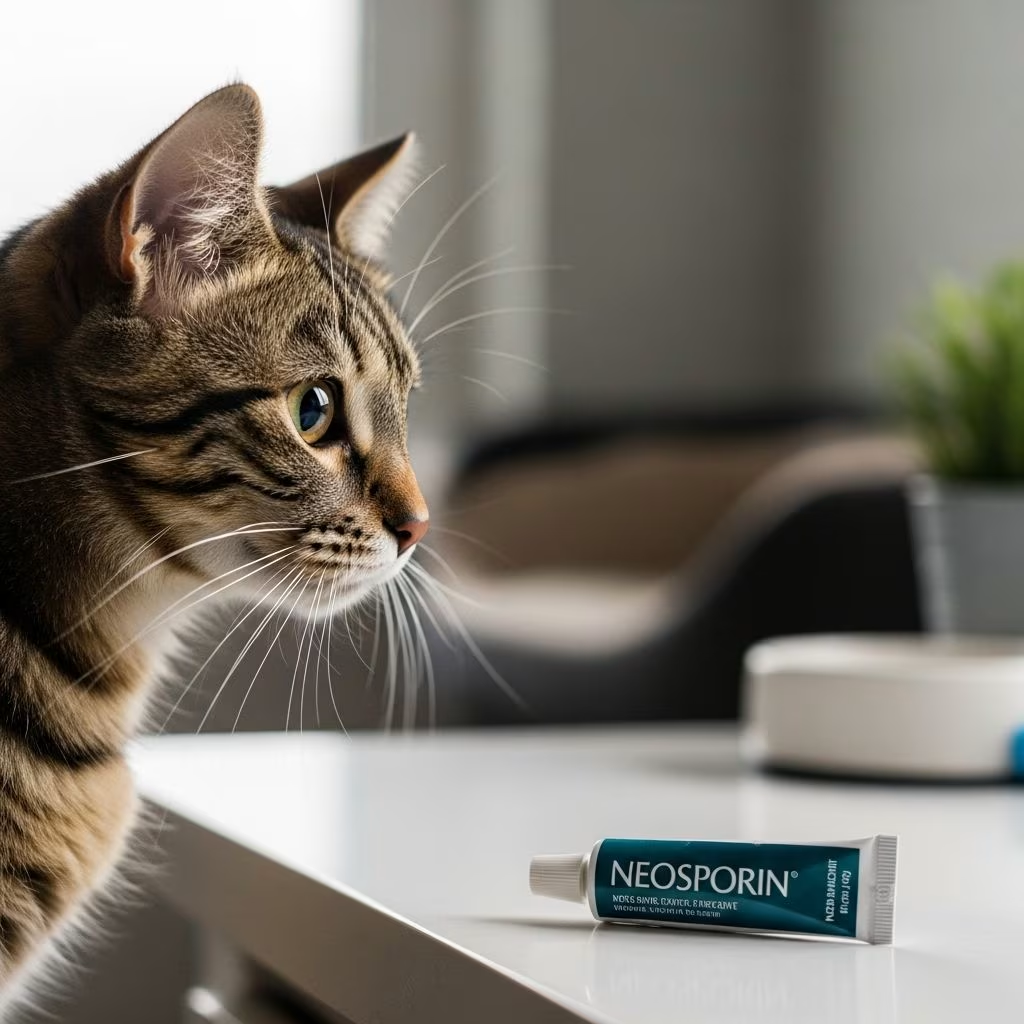
Neosporin, a common triple antibiotic ointment for human cuts and scrapes, carries substantial risks for cats and is generally not recommended by veterinarians. Cats’ unique physiology makes them prone to severe allergic reactions, especially when they lick the ointment off their skin.
Understanding Neosporin’s Composition and Feline Vulnerabilities
Neosporin contains three key antibiotics: bacitracin, neomycin, and polymyxin B. While effective against bacterial infections in humans, these ingredients can trigger hypersensitivity in cats. Neomycin, in particular, is notorious for causing adverse effects in felines, ranging from mild irritation to life-threatening anaphylaxis.
Cats groom themselves frequently, leading to inevitable ingestion of topical treatments. Even small amounts swallowed can disrupt their gastrointestinal system or provoke systemic reactions. Manufacturers like Johnson & Johnson explicitly advise against using it on pets, underscoring the mismatch between human and feline biology.
Potential Side Effects of Neosporin on Cats
Side effects vary by application site and amount ingested but can escalate quickly. Topical use might cause local skin inflammation, while oral exposure amplifies dangers.
- Skin Reactions: Redness, itching, swelling at the application site. Neomycin and polymyxin B are primary allergens.
- Gastrointestinal Distress: Vomiting, diarrhea, reduced appetite after licking.
- Severe Allergic Responses: Drooling, tremors, excessive thirst or urination, skin lesions.
- Life-Threatening Conditions: Anaphylactic shock, potentially fatal, especially from eye applications containing polymyxin B.
These reactions aren’t universal—some cats tolerate small amounts without issue—but the unpredictability makes it a gamble not worth taking.
Special Concerns: Eyes, Mouth, and Deep Wounds
Areas like the eyes demand extra caution. Ophthalmic Neosporin has been linked to fatal anaphylaxis in cats due to direct absorption and sensitivity. Never apply to eyes, mouth, or mucous membranes.
For deeper wounds or abscesses common in cats from fights, Neosporin fails to penetrate adequately and risks trapping bacteria, worsening infections. Professional evaluation is essential here.
What to Do If Your Cat Encounters Neosporin
Accidental exposure requires immediate action:
- Remove the Ointment: Gently wash the area with mild soap and lukewarm water. Avoid rubbing to prevent further irritation.
- Monitor Symptoms: Watch for vomiting, lethargy, swelling, or breathing difficulties for 24-48 hours.
- Seek Veterinary Help: Contact your vet or an emergency clinic if symptoms persist or worsen. They may prescribe antihistamines or supportive care.
Future avoidance is critical; sensitized cats risk intensified reactions on re-exposure.
Safer Alternatives for Cat Wound Care
Veterinarians endorse cat-specific treatments over human products. Consult a professional before applying anything.
| Treatment Type | Best For | Key Benefits | Notes |
|---|---|---|---|
| Vet-Prescribed Antibiotic Ointments (e.g., those without neomycin) | Minor cuts, abrasions | Targeted bacteria control, low allergy risk | Requires prescription; follow dosage precisely. |
| Silver Sulfadiazine Cream | Burns, ulcers | Broad-spectrum antimicrobial, non-irritating | Often used post-surgery; vet-approved. |
| Chlorhexidine Solution (Diluted) | Cleaning wounds | Antiseptic, safe for initial rinse | Do not ingest; use 0.05% dilution. |
| Honey-Based Ointments (Medical Grade) | Superficial wounds | Natural antibacterial, promotes healing | Manuka honey variants preferred. |
Polysporin, a double antibiotic, is similarly hazardous for cats, potentially causing kidney failure or heart issues.
Step-by-Step Guide to Home Wound Care for Cats
Proper first aid minimizes infection without risky ointments:
- Assess the Wound: Check for depth, bleeding, or foreign debris. If deep or gaping, go to vet immediately.
- Clean Gently: Flush with saline (1 tsp salt in 1 cup warm water) or vet-recommended antiseptic.
- Apply Protection: Use a thin layer of vet-approved product if advised; cover with non-stick bandage.
- Prevent Licking: Employ an e-collar or bitter-tasting spray.
- Follow Up: Monitor healing; seek vet if no improvement in 48 hours.
Cats’ wounds heal faster than expected due to robust immune responses, but neglect can lead to abscesses.
When to Rush to the Vet
Not all injuries suit home care. Red flags include:
- Puncture wounds from bites.
- Wounds near joints, eyes, or genitals.
- Signs of infection: pus, fever, limping.
- Any bleeding not stopping in 5 minutes.
Early intervention prevents complications like sepsis.
Preventing Injuries in Cats
Proactive steps reduce wound occurrences:
- Keep claws trimmed to minimize scratches during play.
- Supervise outdoor time or spay/neuter to curb fights.
- Provide environmental enrichment to lower stress-induced self-trauma.
- Maintain vaccinations for infection resistance.
Indoor cats face fewer risks but watch for household hazards like sharp edges.
FAQs on Neosporin and Cat Health
Q: Can a tiny dab of Neosporin harm my cat?
A: Even small amounts risk allergy or ingestion issues; vets advise against it.
Q: What if my cat licked Neosporin off my finger?
A: Monitor for GI upset; call poison control or vet if symptoms appear.
Q: Are there natural remedies safer than Neosporin?
A: Diluted antiseptics or honey work well, but vet confirmation is key.
Q: How do I know if my cat is allergic?
A: Watch for swelling, itching, or shock post-exposure; reactions can be delayed.
Q: Is Neosporin okay for kittens or seniors?
A: No—these groups are more vulnerable to toxicity.
Expert Insights on Feline Pharmacology
Veterinary pharmacologists note cats’ deficient glucuronidase enzyme impairs antibiotic metabolism, heightening toxicity. Studies, though limited, report anaphylaxis rates up to 1-2% in exposed cats, justifying blanket avoidance. Always prioritize species-specific care.
References
- Neosporin on Cats: Safety, Side Effects & Alternatives — cats.com. 2023. https://cats.com/neosporin-on-cats
- My Cat Ate Neosporin Will They Be Okay? — Pet Poison Helpline. 2024. https://www.petpoisonhelpline.com/pet-tips/my-cat-ate-neosporin-will-they-be-okay/
- Can You Put Neosporin on a Cat? — MetLife Pet Insurance. 2023. https://www.metlifepetinsurance.com/blog/pet-health/neosporin-on-cats/
- Can I Use Neosporin to Treat Cat Eye Infections? — Charlotte Emergency Vet. 2020-10-05. https://www.charlotte.carolinavet.com/site/charlotte-emergency-vet-blog/2020/10/05/can-i-use-neosporin-to-treat-cat-eye-infections
- Neosporin for Cats: It’s Not the Safest Option — GoodRx. 2024. https://www.goodrx.com/pet-health/cat/neosporin-for-cats
- Eye Infections in Cats – Antibiotics & Other Treatments — Memphis Veterinary Specialists. 2021-01-15. https://www.memphisveterinaryspecialists.com/site/blog-cordova/2021/01/15/treatment-for-eye-infections-in-cats-antibiotics-and-more
- How to Treat a Cat’s Wound at Home and at a Vet — PetCareRx. 2023. https://www.petcarerx.com/article/how-to-treat-a-cats-wound-at-home-and-at-a-vet/802



