

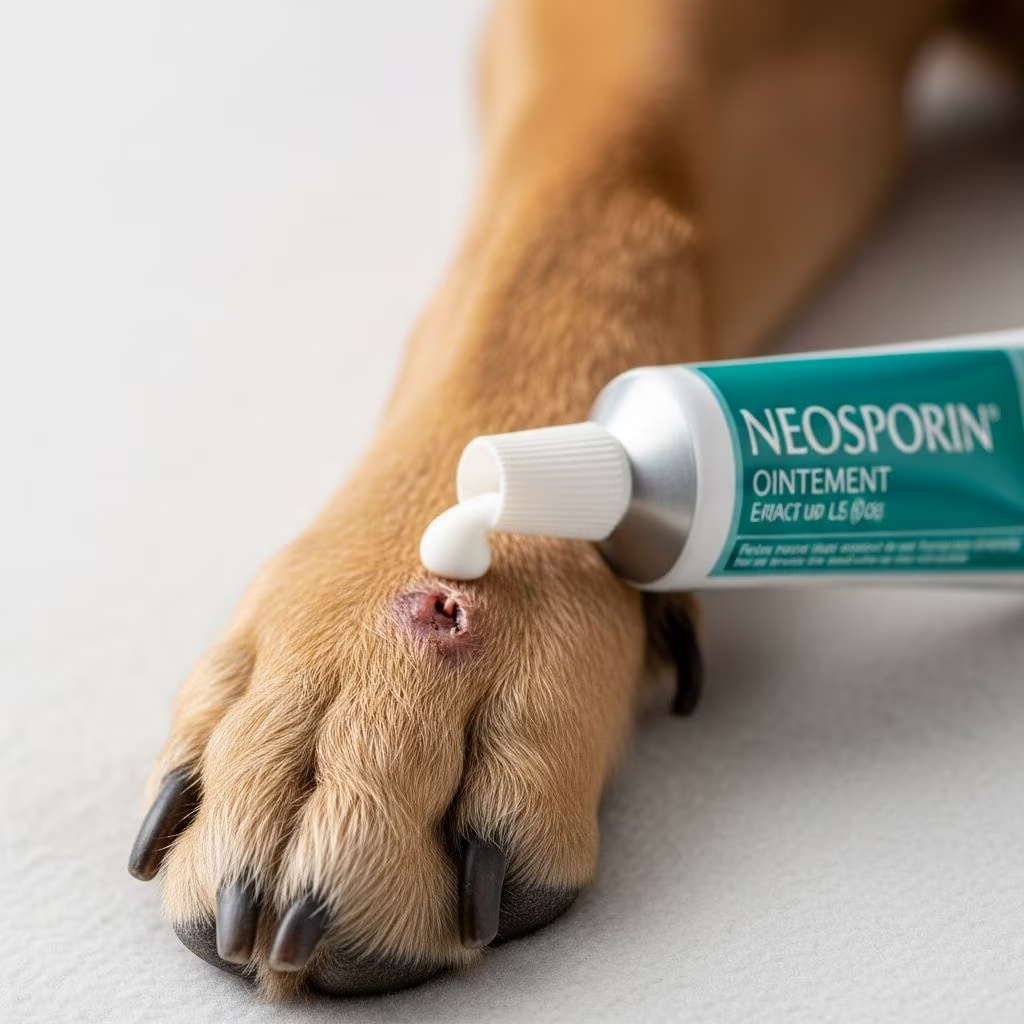
Can You Use Neosporin on Dogs? A Complete Safety Guide
When your dog suffers a minor cut, scrape, or burn, your first instinct might be to reach for the Neosporin in your medicine cabinet. After all, it works well for human wounds. However, using human medications on pets requires careful consideration. The short answer is: yes, Neosporin can be used on dogs, but only under specific circumstances and with proper precautions.
Neosporin is considered fairly safe for topical application on dogs when used sparingly and correctly on minor injuries. However, it’s formulated for human use and isn’t necessarily the ideal choice for canine first aid. Understanding how to properly use this product, along with knowing when to seek veterinary care, is essential for protecting your dog’s health.
Understanding Neosporin’s Composition
To determine whether Neosporin is appropriate for your dog, it’s important to understand what this antibiotic ointment actually contains. Neosporin contains three active ingredients: bacitracin, neomycin, and polymyxin B. Each of these antibiotics plays a specific role in fighting bacterial infection and promoting wound healing.
When applied to the skin, these three antibiotics work together to kill existing bacteria and prevent new bacterial growth. They create a protective barrier against bacterial infiltration that could otherwise lead to infection. This combination approach has made Neosporin popular for treating minor human injuries, but its effectiveness in dogs comes with important caveats.
It’s crucial to note that bacitracin and polymyxin B have been deemed safe for use on animals. However, neomycin—one of the three main ingredients—has been linked to hearing loss in dogs. While this connection was primarily demonstrated with intravenous use rather than topical application, veterinary professionals still recommend consulting with your vet before applying neomycin topically to your dog.
When Is Neosporin Safe for Dogs?
Neosporin can be safely applied to dogs when treating minor cuts, scrapes, and burns. The key word here is “minor.” Before applying Neosporin, follow this preparation process:
- Clean the wound thoroughly with mild soap and water
- Gently pat the area dry
- Apply only a small amount of Neosporin to the wound
- Ensure your dog cannot lick the treated area
For wounds that are more severe, show signs of deep infection, are larger than a quarter inch, or require stitches, seek veterinary attention immediately. Large wounds and serious injuries need professional assessment and care that Neosporin alone cannot provide.
Pet owners should also be cautious about applying Neosporin to areas your dog can easily reach and lick, such as their paws, legs, or belly. Even though the ointment is safe for topical use in small amounts, ingestion poses different risks.
Benefits of Using Neosporin on Dogs
When used appropriately, Neosporin offers several advantages for minor dog injuries:
- Infection Prevention: The antibiotic combination kills live bacteria and prevents new bacterial growth, protecting against topical infection
- Protective Barrier: The ointment creates a physical shield on top of the wound that prevents additional bacteria from entering the injury site
- Faster Healing: By keeping the wound clean and moist, Neosporin can promote faster healing compared to leaving a minor wound uncovered
- Easy Application: For dog owners experienced with first aid, Neosporin provides a convenient option for quick wound care
Important Safety Considerations and Risks
While Neosporin can be beneficial, using it on dogs comes with several important safety concerns that pet owners must understand and address.
Ingestion Dangers
The most significant risk associated with applying Neosporin to dogs is accidental ingestion through licking. Dogs naturally lick their wounds as part of their healing instinct, and if they ingest Neosporin, serious complications can occur:
- Gastrointestinal upset including vomiting and diarrhea
- Disruption of the natural gut microbiome and digestive system balance
- Potential allergic reactions in sensitive dogs
- Secondary infections caused by continuous licking preventing proper wound healing
The main concern with ingestion is the potential impact on the GI flora (normal gut bacteria), resulting in gastrointestinal upset such as vomiting and diarrhea. Additionally, the lubricant base in Neosporin can cause diarrhea in some dogs.
Allergic and Adverse Reactions
Some dogs may experience allergic or adverse reactions to Neosporin’s ingredients. These reactions can manifest as:
- Itching and redness at the application site
- Swelling or hives
- Skin irritation, especially in dogs with sensitive skin or underlying skin conditions
- In severe cases: difficulty breathing, vomiting, or lethargy
Dogs can be sensitive to specific ingredients like neomycin or polymyxin B, making individual reactions unpredictable. If you notice any unusual symptoms after applying Neosporin, discontinue use immediately and contact your veterinarian.
Additional Ingredient Concerns
Some versions of Neosporin contain added pain relievers like pramoxine, which can be toxic to dogs. Always check the product label to ensure you’re using the standard triple-antibiotic formulation without additional active ingredients that may be harmful to your pet.
How to Safely Apply Neosporin to Your Dog
If you’ve consulted with your veterinarian and determined that Neosporin is appropriate for your dog’s minor wound, follow these steps for safe application:
- Clean the wound: Use mild soap and water to gently clean the area, removing any dirt or debris
- Dry completely: Pat the wound dry with a clean cloth or gauze
- Apply sparingly: Use only a small amount of Neosporin, as excessive application may hinder natural wound healing
- Prevent licking: Use an Elizabethan collar (cone) or wrap the wound to keep your dog from licking the ointment
- Monitor closely: Watch the wound for signs of improvement or adverse reactions
- Limit duration: Use Neosporin only as needed for minor injuries; frequent application may lead to sensitivities or resistance
Remember that for most minor abrasions, you may not need to apply anything to the skin. Small wounds and scrapes often heal well on their own if kept clean and left uncovered, making them healthier alternatives to topical applications.
When to Skip Neosporin and See a Veterinarian
Certain situations require professional veterinary care rather than home treatment with Neosporin:
- Wounds larger than a quarter inch in diameter
- Deep cuts or puncture wounds
- Wounds that require stitches
- Signs of active infection (pus, excessive redness, swelling, warmth)
- Wounds caused by bites or contaminated objects
- Any wound on your dog’s face, eyes, ears, or genitals
- Your dog has a compromised immune system or underlying health conditions
When in doubt, consulting your veterinarian is always the safest approach.
Safer Alternatives to Neosporin for Dogs
Because Neosporin isn’t formulated specifically for dogs, several safer alternatives exist that veterinarians may recommend:
- Pet-specific antibiotic ointments: Products designed specifically for dogs eliminate concerns about ingredients that may be problematic for canine use
- Antimicrobial wound cleansers: Veterinary-approved solutions that clean and protect wounds without ingestion risks
- Hydrogel wound dressings: Advanced products that maintain optimal wound moisture for healing
- Natural remedies: Honey-based wound dressings with antimicrobial properties (with veterinary approval)
- Simply keeping wounds clean: For many minor injuries, gentle cleaning with mild soap and water is sufficient
Your veterinarian can recommend the most appropriate wound care option for your dog’s specific situation and injury type.
Key Takeaways About Neosporin and Dogs
Neosporin can be used on dogs for minor first aid purposes, but it requires careful consideration and precautions. The most critical factors to remember include:
- Use Neosporin only on minor cuts, scrapes, and burns
- Apply sparingly and only with veterinary approval
- Prevent your dog from licking the treated area
- Watch for signs of allergic reactions or adverse effects
- Consult your veterinarian before use, especially regarding neomycin content
- Consider pet-specific alternatives as potentially safer options
- Seek professional veterinary care for serious wounds
While Neosporin isn’t toxic in small amounts, it isn’t necessarily the ideal DIY solution for canine wound care. Your dog’s safety depends on making informed decisions about their health care and knowing when professional veterinary guidance is essential.
Frequently Asked Questions About Neosporin for Dogs
Q: Is Neosporin completely safe if my dog accidentally ingests it?
A: While Neosporin isn’t toxic in small amounts, ingesting it can cause gastrointestinal upset including vomiting, diarrhea, and disruption of the gut microbiome. Large amounts or repeated ingestion may cause more serious complications. Contact your veterinarian or poison control if your dog ingests significant quantities.
Q: Can I use Neosporin on my dog’s paws?
A: While Neosporin can technically be applied to minor paw injuries, it’s generally not recommended because dogs frequently lick their paws. This makes ingestion highly likely. Ask your veterinarian about paw-safe alternatives or use protective covering to prevent licking.
Q: What’s the difference between Neosporin with and without pain relief?
A: Standard Neosporin contains only three antibiotics: bacitracin, neomycin, and polymyxin B. Some versions include pramoxine, a pain reliever that can be toxic to dogs. Always check the label and use only the standard formulation without additional active ingredients.
Q: How long can I safely use Neosporin on my dog?
A: Neosporin should be used for short-term wound care only. Frequent or prolonged application may lead to sensitivities, resistance to antibiotics, or skin irritation. Minor wounds typically heal within 7-10 days; if a wound isn’t improving, seek veterinary care.
Q: Are there dog-specific antibiotic ointments I should use instead?
A: Yes, pet-specific antibiotic ointments designed for dogs are safer alternatives to Neosporin. These products eliminate concerns about ingredients problematic for canine use and are formulated with dogs’ unique physiology in mind. Ask your veterinarian for specific recommendations.
Q: What should I do if my dog has an allergic reaction to Neosporin?
A: If your dog develops redness, swelling, itching, hives, or other adverse reactions after Neosporin application, discontinue use immediately and contact your veterinarian. In severe cases involving difficulty breathing or vomiting, seek emergency veterinary care.
References
- Can You Use Neosporin On Dogs? Benefits, Risks, & More — Vetnique. 2024. https://vetnique.com/blogs/vets-corner/can-you-use-neosporin-on-dogs-vetnique
- Can You Use Neosporin on Dogs? — MetLife Pet Insurance. 2024. https://www.metlifepetinsurance.com/blog/pet-health/neosporin-on-dogs/
- Neosporin for Dogs: Uses, Side Effects, and More — GoodRx. 2024. https://www.goodrx.com/pet-health/dog/neosporin-for-dogs
- Treating cuts and scrapes: Can you use Neosporin on a dog? — Pumpkin Care. 2024. https://www.pumpkin.care/post/can-you-use-neosporin-on-a-dog
- Neosporin for Dogs: Uses, Side Effects, and Alternatives — American Kennel Club. 2024. https://www.akc.org/expert-advice/health/neosporin-for-dogs/
- Can You Put Neosporin on a Dog? — Animal Family Veterinary Care. 2024. https://animalfamilyveterinarycare.com/blog/can-you-put-neosporin-on-a-dog/
- Can You Put Neosporin on a Dog – Best Friends Animal Hospital — Best Friends Animal Hospital. 2024. https://bfahnh.com/blog/can-you-put-neosporin-on-a-dog/



