

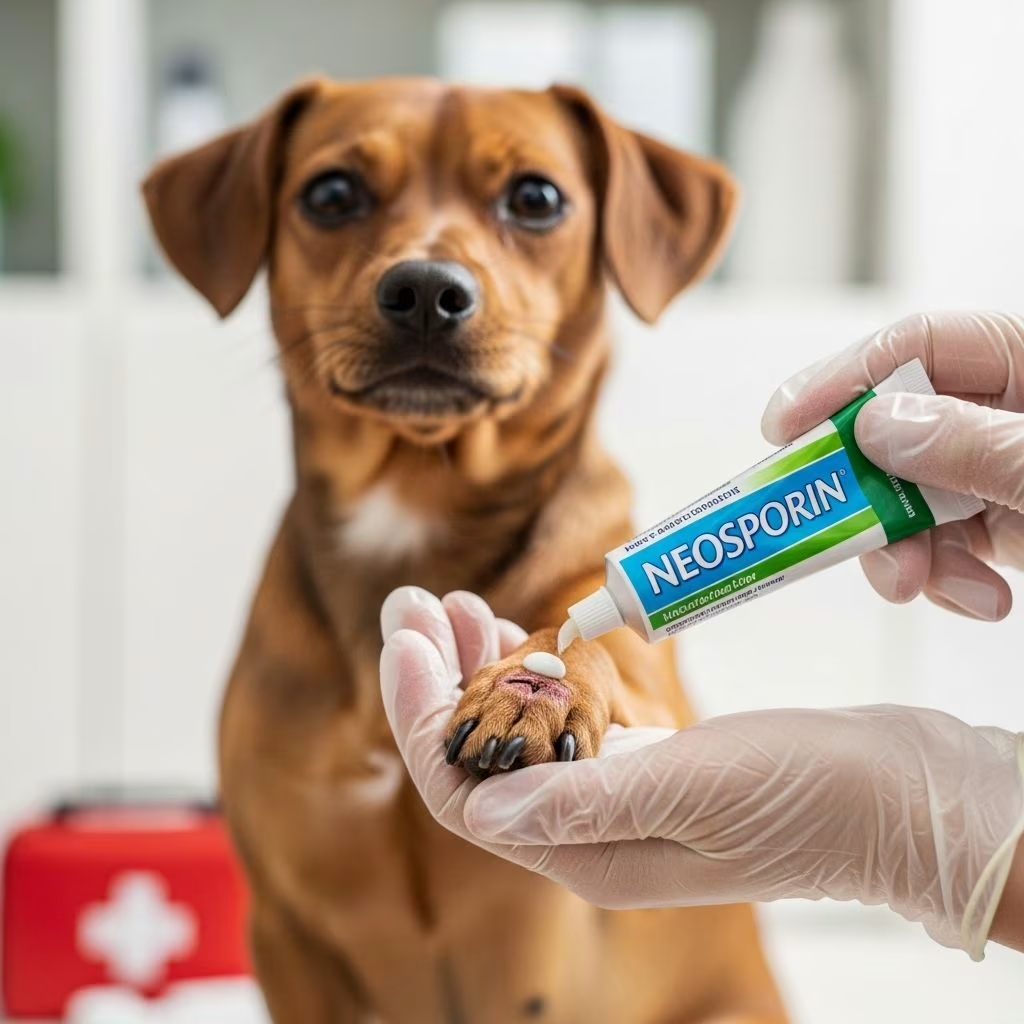
Neosporin, a popular triple antibiotic ointment designed for humans, can be used on dogs for minor skin injuries under specific conditions. Veterinary sources confirm its general safety when applied topically in small amounts to superficial wounds, helping prevent bacterial infections.
Understanding Neosporin’s Role in Canine Wound Care
This ointment contains three key antibiotics—bacitracin, neomycin, and polymyxin B—that target common bacteria on the skin. When applied correctly, it forms a protective barrier, kills existing bacteria, and supports healing by keeping the area moist. However, it does not combat viruses, fungi, or parasites, limiting its use to bacterial threats only.
For pet owners, including Neosporin in a dog first aid kit makes sense for quick intervention on small scrapes or cuts from play or rough terrain. Always prioritize cleaning the wound first with mild soap and water to remove debris before application.
Is Neosporin Safe for Your Dog?
Veterinarians widely agree that Neosporin is safe for dogs in moderation. Small applications on minor wounds pose low risk, as noted by experts like Dr. Danel Grimmett from Sunset Veterinary Clinic. Dr. Dwight Andrew Alleyne also supports its use for slowing infections in most cases, provided wounds are vet-evaluated.
Topical use avoids systemic absorption in healthy dogs, minimizing side effects. Studies and clinical observations show no major issues from external application alone. That said, safety hinges on proper use—overapplication or misuse can lead to complications.
Key Benefits of Using Neosporin on Dogs
- Bacterial Protection: The antibiotic trio eliminates gram-positive and gram-negative bacteria, reducing infection risk in open wounds.
- Healing Acceleration: Maintains a moist environment, promoting faster tissue repair compared to dry wounds.
- Barrier Formation: Shields the injury from dirt and further contaminants during initial healing stages.
- Convenience: Readily available over-the-counter, ideal for home first aid before vet visits.
These advantages shine for everyday mishaps like paw pad scrapes or minor bites, where prompt care prevents escalation.
Potential Risks and Side Effects
Despite benefits, Neosporin carries risks, primarily from misuse. Dogs’ tendency to lick wounds introduces ingestion dangers, disrupting gut bacteria and causing vomiting or diarrhea. The base ingredients can also act as laxatives internally.
| Risk Factor | Description | Prevalence |
|---|---|---|
| Allergic Reactions | Neomycin sensitivity leads to redness, itching, or swelling | Common in sensitive dogs |
| Ingestion Issues | GI upset from licking; avoidable with cones | Frequent if untreated |
| Skin Irritation | Topical burning or rash from overuse | Rare but monitor |
| Pain Reliever Variants | Pramoxine types toxic if ingested | High risk; use original only |
Neomycin has rare links to hearing loss, but only via intravenous routes, not topical. Watch for hot spots or chronic issues, where alternatives like hydrocortisone prove safer.
When to Apply Neosporin: Ideal Scenarios
Reserve Neosporin for superficial injuries under 1 inch, like abrasions or small punctures. Clean thoroughly, apply a thin layer (pea-sized), and cover if possible. Reapply 1-2 times daily for up to 7 days, stopping if no improvement.
- Paw pads from walks
- Minor scratches from bushes
- Superficial play bites
Locations matter: Avoid faces, mouths, or genitals where licking or sensitivity heightens risks. For deeper cuts needing stitches, burns, or punctures, seek immediate vet care.
Preventing Licking: Essential Precautions
Licking nullifies benefits and invites toxicity. Use an Elizabethan collar (cone), bandages, or bitter sprays post-application. Monitor for 30 minutes after each use. If ingestion occurs, contact Pet Poison Helpline; small amounts are typically non-toxic but cause mild upset.
Pet-Safe Alternatives to Neosporin
Vet-formulated options outperform human products by being lick-safe and broader-spectrum. Consider these:
- Vetericyn Plus: Hypochlorous acid spray; non-toxic, promotes healing without antibiotics.
- Silver Honey: Manuka honey-based; antibacterial, safe if licked.
- Muscle & Joint Formula: Natural pain relief without risks.
- Hydrocortisone Cream (1%): For hot spots; vet-approved for inflammation.
These avoid antibiotic resistance and allergies, ideal for routine care.
Step-by-Step Application Guide
- Wash hands and wound with saline or mild soap.
- Pat dry gently.
- Apply thin Neosporin layer with clean finger or swab.
- Secure with non-stick bandage if feasible.
- Prevent licking; recheck in 24 hours.
Consult vets for tailored plans, especially with existing conditions.
Signs to Stop Use and Call the Vet
- Increasing redness/swelling
- Pus or foul odor
- Lethargy or fever
- Persistent licking despite prevention
- No healing after 3 days
These indicate deeper infections needing oral antibiotics or debridement.
Building a Comprehensive Dog First Aid Kit
Stock beyond Neosporin:
- Gauze, tape, scissors
- Saline solution
- Antiseptic wipes
- Cone collar
- Thermometer
- Tweezers for ticks
Pet insurance covers unexpected vet bills from injuries. Regular training reduces accident risks.
Frequently Asked Questions
Can all dogs use Neosporin?
Most can, but puppies, seniors, or those with allergies need vet approval.
What if my dog licks Neosporin?
Small amounts cause mild GI issues; large ingestion warrants monitoring or vet call.
Is Neosporin + pain relief safe?
No—pramoxine versions are toxic; stick to original triple antibiotic.
How long to use on a wound?
3-7 days max; discontinue if worsening.
Alternatives for hot spots?
Hydrocortisone or vet sprays work best.
Final Recommendations
Neosporin serves as a handy tool for minor dog wounds but isn’t a cure-all. Prioritize prevention through leashing, yard checks, and grooming. Always consult veterinarians for personalized advice—this guide educates but substitutes professional care. Proactive ownership ensures your dog’s swift recovery.
References
- Using Neosporin on Dogs: Safety, Usage, and More — TotalVet. 2023. https://total.vet/neosporin-on-dogs/
- Can You Use Neosporin On Dogs? Benefits, Risks, & More — Vetnique. 2023. https://vetnique.com/blogs/vets-corner/can-you-use-neosporin-on-dogs-vetnique
- Can You Use Neosporin on Dogs? — MetLife Pet Insurance. 2023. https://www.metlifepetinsurance.com/blog/pet-health/neosporin-on-dogs/
- Neosporin for Dogs: Uses, Side Effects, and Alternatives — American Kennel Club. 2023. https://www.akc.org/expert-advice/health/neosporin-for-dogs/
- Hot spots — Cornell University College of Veterinary Medicine. 2023. https://www.vet.cornell.edu/departments-centers-and-institutes/riney-canine-health-center/canine-health-topics/hot-spots



