

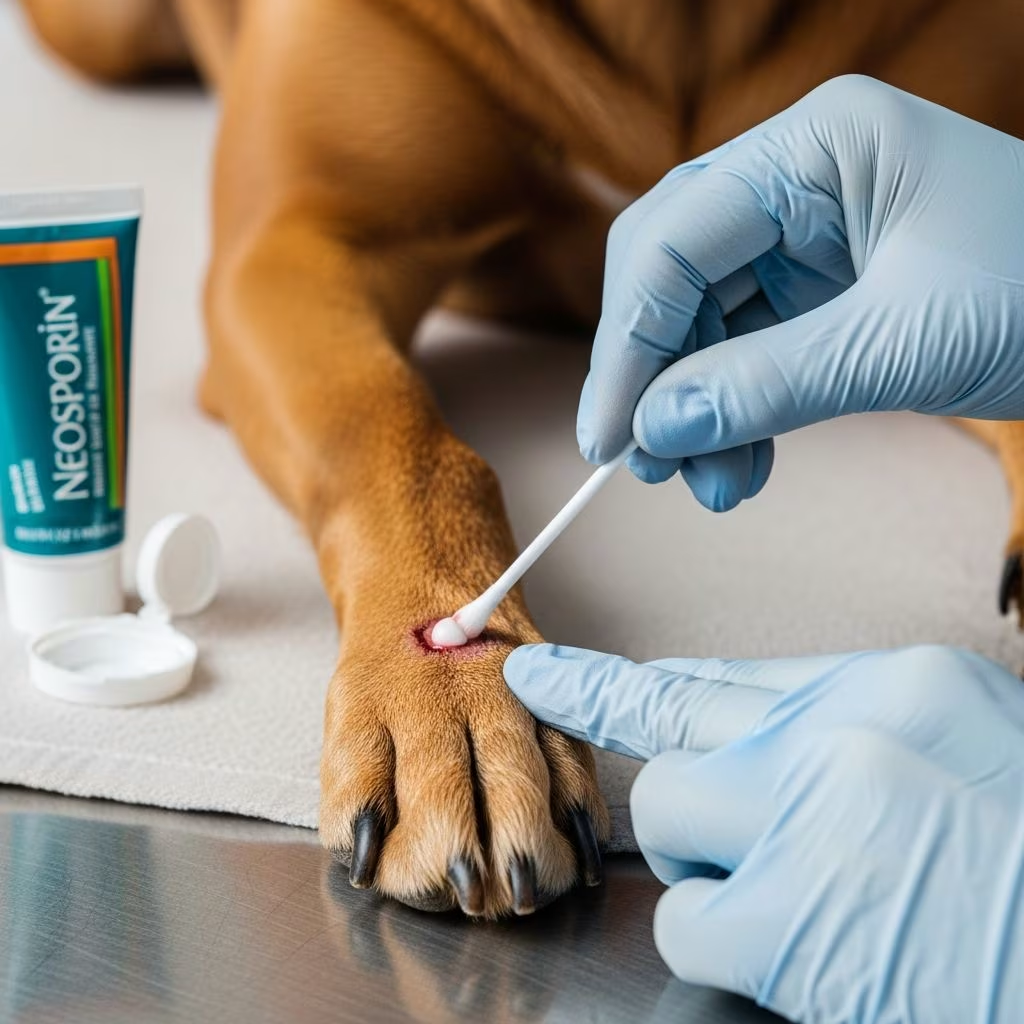
Neosporin, a popular over-the-counter antibiotic ointment for humans, can be used on dogs for minor skin injuries under specific conditions. Veterinary experts confirm that small amounts are generally safe when applied topically to superficial wounds, helping prevent bacterial infections during initial healing. However, its use requires caution due to risks like licking, allergies, and improper application, making veterinary consultation essential before regular use.
Understanding Neosporin and Its Role in Canine Wound Care
Neosporin contains three key antibiotics: neomycin, bacitracin, and polymyxin B, which work together to combat common bacteria on the skin. For dogs, this triple-action formula targets minor cuts, abrasions, and scrapes effectively in small doses. Veterinarians like Dr. Danel Grimmett note that it slows infection in most wounds, but factors such as the dog’s size, age, allergies, and overall health influence its suitability.
While convenient for home first aid, Neosporin is not a cure-all. It forms a protective barrier but does not penetrate deep tissues, limiting its effectiveness for anything beyond surface-level issues. Always prioritize cleaning the wound with mild soap and water first to remove debris before any ointment application.
When Can You Safely Apply Neosporin to Your Dog?
Not all dog injuries warrant Neosporin. It is ideal for shallow, superficial wounds like small cuts from thorns, minor scrapes from play, or superficial burns. Avoid it on deep punctures, large gashes, bite wounds, or injuries showing signs of infection such as pus, excessive swelling, or foul odor—these demand immediate veterinary attention.
- Appropriate cases: Superficial scratches on legs or belly, small paw pad abrasions.
- Inappropriate cases: Deep lacerations, hot spots with moist discharge, or wounds near eyes/mouth.
Perform a patch test on healthy skin first: apply a tiny amount and monitor for 10-15 minutes for redness or itching. If no reaction occurs, proceed cautiously.
Step-by-Step Guide to Applying Neosporin on Dogs
Proper technique maximizes benefits while minimizing risks. Follow these steps for safe administration:
- Examine thoroughly: Check your dog for hidden wounds, especially under fur or on paw pads.
- Clean the area: Gently flush with cool water or saline, pat dry with a clean cloth. Avoid hydrogen peroxide or alcohol, as they damage healthy tissue.
- Apply thinly: Use a clean finger or cotton swab to dab a pea-sized amount. Rub gently; less is more to avoid runoff.
- Prevent access: Use barriers immediately to stop licking (detailed below).
- Reapply sparingly: 1-2 times daily for up to 3-5 days, or until healed. Stop if no improvement in 48 hours.
| Step | Key Action | Why It Matters |
|---|---|---|
| 1. Isolate Wound | Full body check | Detects multiple injuries |
| 2. Clean | Soap/water rinse | Removes bacteria/debris |
| 3. Apply Ointment | Thin layer | Prevents excess ingestion |
| 4. Protect | E-collar/bandage | Blocks licking |
Critical Risks and Side Effects to Watch For
Despite its safety profile, Neosporin poses hazards for dogs. The primary concern is ingestion: dogs instinctively lick wounds, and swallowing the ointment can disrupt gut bacteria, causing vomiting, diarrhea, or appetite loss. Neomycin, in particular, may trigger allergies, manifesting as redness, swelling, itching, or rash at the site.
Other risks include:
- Topical irritation: Especially in dogs with sensitive skin or conditions like hot spots.
- Pain-relief variants: Versions with pramoxine are toxic if ingested.
- Antibiotic resistance: Overuse promotes resistant bacteria, hindering future treatments.
- Delayed healing: Thick layers trap moisture, slowing recovery.
Monitor closely post-application. Seek vet care if symptoms worsen or new issues like lethargy appear.
Preventing Licking: Essential Protection Methods
Licking removes the ointment and introduces saliva bacteria, worsening wounds. Use these proven barriers:
- Elizabethan Collar (Cone): Classic prevention; blocks mouth access.
- Soft Recovery Collar: Foam alternatives for comfort during extended wear.
- Breathable Bandages: Secure loosely over the wound; change daily and check circulation.
- Bitter Sprays: Vet-approved deterrents with foul taste to discourage licking.
For hard-to-bandage areas like tails, distraction with toys or leashed supervision helps. Never leave unprotected overnight.
Better Alternatives to Neosporin for Dog Wounds
Veterinarians often recommend pet-specific products over human ointments. Consider these options:
- Vet-approved antibiotic sprays: Easier application, less licking risk.
- Silver sulfadiazine cream: Potent for burns/infections; prescription only.
- Hydrocortisone 1% cream: For itchy hot spots; apply 3-4 times daily.
- Natural antiseptics: Diluted chlorhexidine or manuka honey for mild cases.
Table of Alternatives:
| Product Type | Best For | Pros | Cons |
|---|---|---|---|
| Pet Antibiotic Spray | Minor cuts | No licking needed | May sting |
| Hydrocortisone Cream | Hot spots | Reduces itch | Not antibacterial |
| Silver Cream | Burns | Strong infection fighter | Rx required |
Always get vet approval; self-treatment beyond 48 hours risks complications.
Recognizing When to Skip Home Treatment
Some wounds signal professional intervention:
- Depth exceeds 1/4 inch or exposes fat/muscle.
- Heavy bleeding not stopping after 10 minutes pressure.
- Infection signs: heat, pus, fever, limping.
- Wounds on face, joints, or chest.
- Any injury in puppies, seniors, or immunocompromised dogs.
Contact your vet promptly; they may prescribe oral antibiotics, stitch wounds, or run tests.
Frequently Asked Questions (FAQs)
Is Neosporin toxic if my dog licks it once?
Small amounts rarely cause severe issues but may upset the stomach. Prevent future access and monitor.
Can I use Neosporin in my dog’s eyes or ears?
No—strictly avoid mucous membranes. Use vet-prescribed ophthalmic versions only.
How long does Neosporin take to work on dog scratches?
Improvement in 24-48 hours; full healing in 5-7 days for minor issues.
What if my dog has a rash after Neosporin?
Stop use, wash off, and consult vet—likely allergy to neomycin.
Is there a pet-safe version of Neosporin?
Yes, brands like Polysporin (bacitracin + polymyxin) omit neomycin, reducing allergy risk.
Building a Pet First Aid Kit
Prepare for emergencies:
- Saline solution for flushing.
- Vet-approved ointments.
- E-collar, gauze, tape.
- Digital thermometer, tweezers.
- Pet-safe styptic powder for nails.
Stock items post-vet discussion for tailored needs.
References
- Using Neosporin on Dogs: Safety, Usage, and More — TotalVet. 2023. https://total.vet/neosporin-on-dogs/
- Can You Put Neosporin on a Dog? — Animal Family Veterinary Care. 2023. https://animalfamilyveterinarycare.com/blog/can-you-put-neosporin-on-a-dog/
- Can You Use Neosporin On Dogs? Benefits, Risks, & More — Vetnique. 2023. https://vetnique.com/blogs/vets-corner/can-you-use-neosporin-on-dogs-vetnique
- My Dog Ate Neosporin Is It Safe — Pet Poison Helpline. 2023. https://www.petpoisonhelpline.com/pet-tips/my-dog-ate-neosporin-is-it-safe/
- Neosporin for Dogs: Uses, Side Effects, and Alternatives — American Kennel Club. 2023. https://www.akc.org/expert-advice/health/neosporin-for-dogs/
- Can I Use Neosporin on My Dog? What You Need to Know — PetHonesty. 2023. https://www.pethonesty.com/blogs/blog/can-i-use-neosporin-on-my-dog-what-you-need-to-know
- Hot Spots — Cornell University College of Veterinary Medicine. 2024. https://www.vet.cornell.edu/departments-centers-and-institutes/riney-canine-health-center/canine-health-topics/hot-spots



