

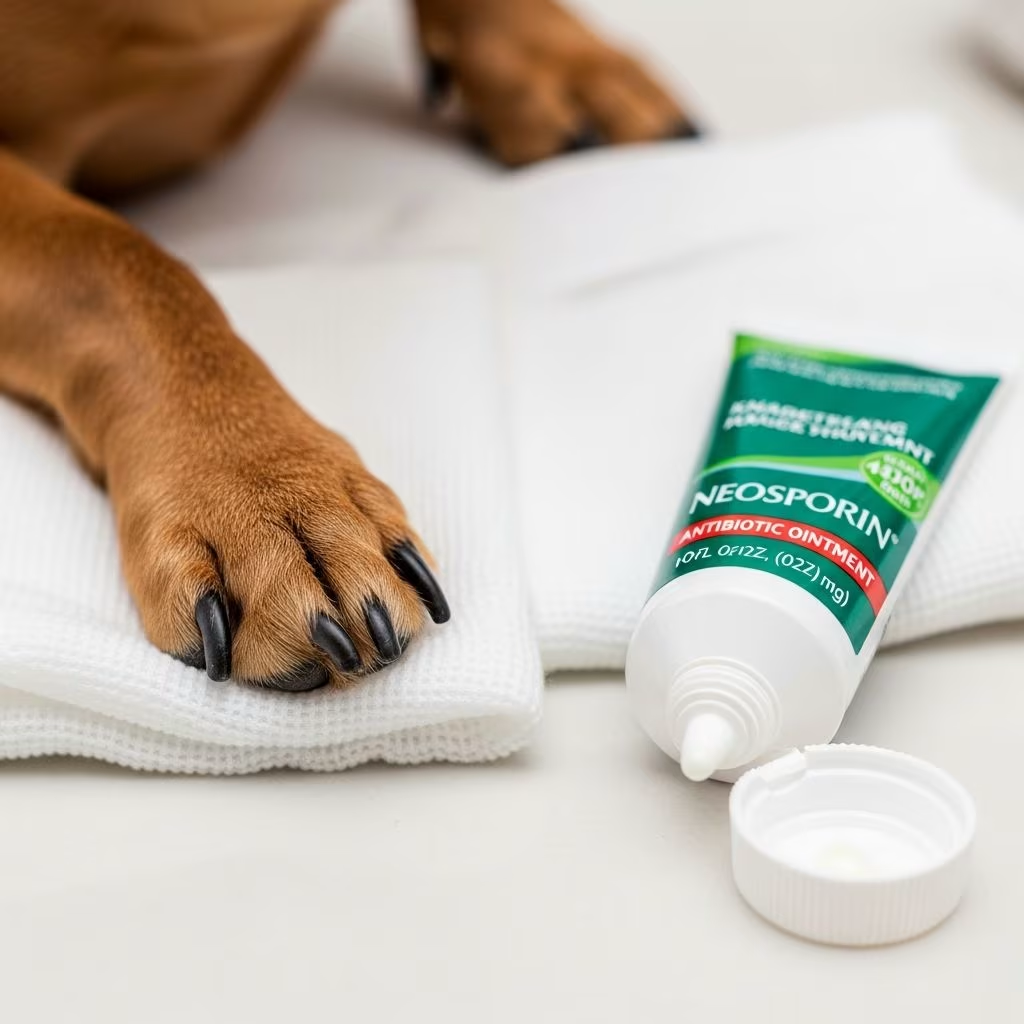
Neosporin, a popular triple antibiotic ointment, can be safely applied to dogs for minor skin injuries under specific conditions, primarily to prevent bacterial infections in small cuts and scrapes.
Understanding Neosporin and Its Role in Canine Care
This over-the-counter product combines three key antibiotics designed to combat bacterial growth on the skin. For dogs, it serves as a handy tool in basic first aid, creating a protective layer over superficial wounds while targeting common pathogens.
The ointment’s formulation targets bacteria without affecting viruses, fungi, or parasites, making it suitable only for bacterial prevention in clean, minor abrasions. Pet owners often reach for it due to its accessibility, but proper use is essential to avoid complications.
Key Ingredients in Neosporin and How They Work
Neosporin’s effectiveness stems from its active components:
- Neomycin Sulfate: Battles a range of gram-positive and some gram-negative bacteria, providing broad initial coverage.
- Bacitracin Zinc: Focuses on gram-positive bacteria, helping to eliminate common skin contaminants.
- Polymyxin B: Targets specific gram-negative bacteria, enhancing the ointment’s overall spectrum.
Together, these ingredients form a barrier that not only kills existing bacteria but also shields the wound from further contamination, promoting a moist environment conducive to healing.
Is Neosporin Safe for Your Dog?
Veterinarians generally agree that small, topical applications of Neosporin are safe for most dogs, especially for everyday minor injuries. Experts like Dr. Danel Grimmett note that limited use poses minimal harm, while Dr. Dwight Andrew Alleyne emphasizes its convenience for slowing infections in superficial wounds.
However, safety hinges on moderation and prevention of ingestion. Dogs that lick the ointment may experience gastrointestinal upset due to disrupted gut flora or the base’s lubricant properties.
| Factor | Safe Use | Risks |
|---|---|---|
| Wound Type | Minor cuts, scrapes | Deep wounds, punctures |
| Application Amount | Thin layer | Excessive coating |
| Ingestion Prevention | Cone or bandage | Licking access |
Benefits of Using Neosporin on Canine Wounds
When applied correctly, Neosporin offers several advantages for dog wound care:
- Forms a physical barrier against environmental bacteria.
- Eliminates pathogens at the site, reducing infection risk.
- Supports faster recovery by maintaining wound moisture.
For active pets prone to scrapes from play or walks, this ointment can be a first-aid staple, bridging the gap until professional evaluation if needed.
Potential Risks and Side Effects to Watch For
Despite its benefits, Neosporin isn’t risk-free. Common concerns include:
- Allergic Reactions: Some dogs develop redness, itching, or swelling from neomycin sensitivity.
- Ingestion Issues: Licking leads to vomiting, diarrhea, or gut imbalance.
- Skin Irritation: Overuse or sensitivity may cause further inflammation.
- Pain Relief Variants: Versions with pramoxine can be toxic if ingested.
Monitor the site closely post-application; discontinue if adverse signs appear and contact a vet immediately.
Step-by-Step Guide to Applying Neosporin Safely
To maximize benefits and minimize risks, follow these steps:
- Clean the wound gently with mild soap and lukewarm water, patting dry.
- Apply a thin layer of plain Neosporin (avoid pain-relief formulas).
- Prevent licking with an Elizabethan collar, bandage, or pet shirt.
- Reapply 1-2 times daily, but only for 2-3 days unless vet-approved.
- Observe for healing progress or worsening.
Always consult a veterinarian before use, especially for puppies, seniors, or dogs with health conditions.
When to Avoid Neosporin and Seek Veterinary Help
Neosporin is not suitable for all situations. Skip it and head to the vet if the wound shows:
- Deep punctures, heavy bleeding, or exposed bone/muscle.
- Signs of infection like pus, foul odor, or fever.
- Location on face, eyes, mouth, or genitals.
- No improvement after 48 hours.
Large wounds may require stitches, drainage, or oral antibiotics, which topical creams can’t provide.
Alternatives to Neosporin for Dog Wound Care
Safer, pet-specific options exist for those wary of human products:
- Veterinary Antibiotic Ointments: Formulated without harmful additives.
- Hydrocortisone Cream (1%): For hot spots and itching, safe in moderation.[10]
- Antimicrobial Sprays: Easier to apply without licking risk.
- Natural Remedies: Saline rinses or honey for mild cases (vet-approved).
Products like these are ingestible-safe, ideal for curious lickers.
Building a Comprehensive Canine First Aid Kit
Stock your kit with essentials beyond Neosporin:
- Gauze pads and bandages.
- Saline solution for cleaning.
- Tick remover and styptic powder.
- Digital thermometer.
- Cone collar or recovery suit.
Regular training on wound assessment empowers owners to act swiftly and wisely.
Frequently Asked Questions
Can all dogs use Neosporin?
Most can, but avoid in cases of known allergies or on sensitive areas; vet consultation is key.
What if my dog licks Neosporin?
Small amounts are low-risk, but watch for vomiting or diarrhea. Use barriers to prevent it.
Is Neosporin effective for hot spots?
It can help prevent secondary infection; pair with hydrocortisone for inflammation.[10]
How long should I use Neosporin on a dog wound?
Limit to 2-3 days for minors; longer needs vet oversight to avoid resistance.
Are there pet-safe Neosporin brands?
Opt for vet-recommended alternatives designed for animals to bypass human formula risks.
Expert Tips for Preventing Injuries in Dogs
Proactive care reduces wound needs: regular grooming checks, safe play environments, and prompt nail trims. Educated owners catch issues early, minimizing antibiotic reliance.
References
- Using Neosporin on Dogs: Safety, Usage, and More — TotalVet. 2023. https://total.vet/neosporin-on-dogs/
- Can You Use Neosporin On Dogs? Benefits, Risks, & More — Vetnique. 2023. https://vetnique.com/blogs/vets-corner/can-you-use-neosporin-on-dogs-vetnique
- Can You Use Neosporin on Dogs? — MetLife Pet Insurance. 2023. https://www.metlifepetinsurance.com/blog/pet-health/neosporin-on-dogs/
- Neosporin for Dogs: Uses, Side Effects, and More — GoodRx. 2023. https://www.goodrx.com/pet-health/dog/neosporin-for-dogs
- Hot spots — Cornell University College of Veterinary Medicine. 2023. https://www.vet.cornell.edu/departments-centers-and-institutes/riney-canine-health-center/canine-health-topics/hot-spots



