

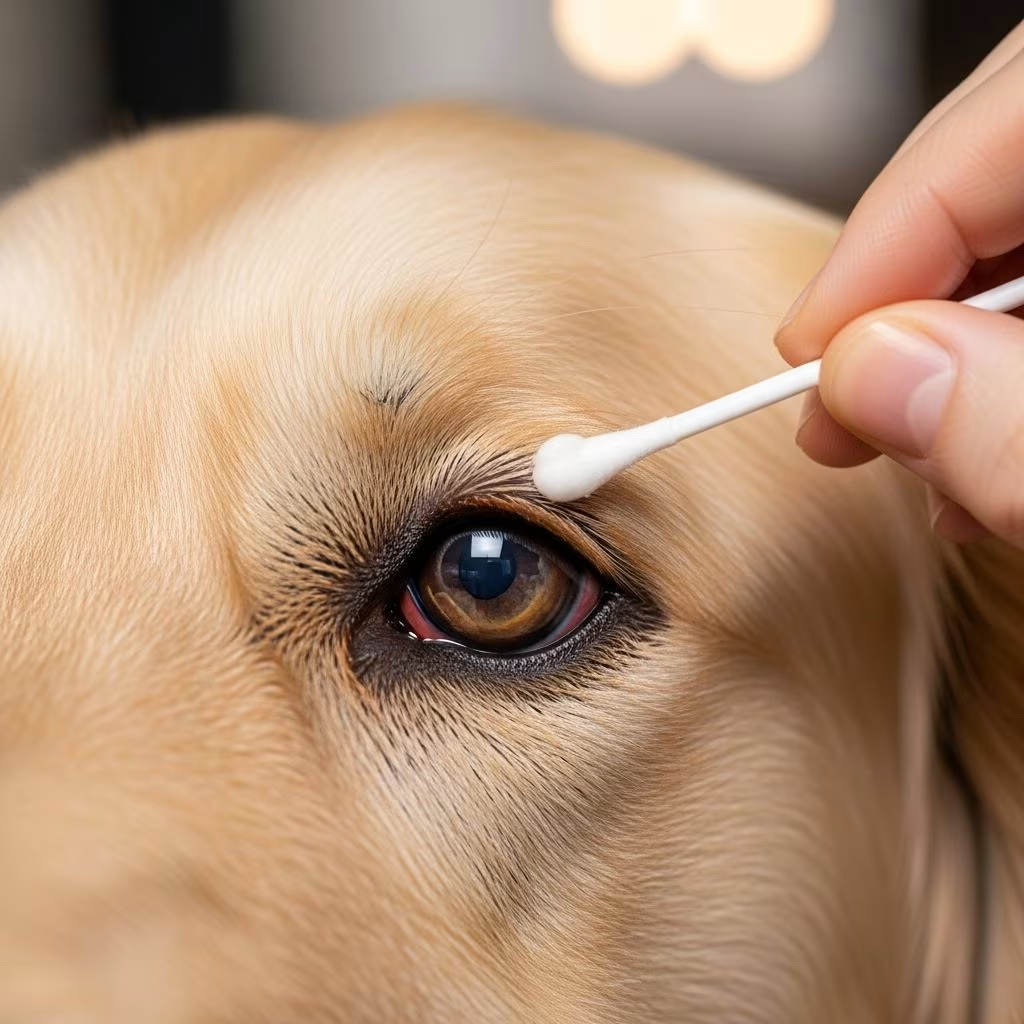
Dog eye infections, often manifesting as redness, discharge, or swelling, require prompt attention to prevent complications. While over-the-counter options like Neosporin may seem convenient, veterinary guidance is essential for safe and effective treatment.
Understanding Canine Eye Infections
Canine eye infections commonly affect the conjunctiva, the thin membrane covering the eye and inner eyelids, leading to conditions like conjunctivitis or “pink eye.” These infections can stem from bacteria, viruses, allergies, or irritants, causing discomfort and potential vision issues if untreated. Breeds with prominent eyes, such as Pugs or Bulldogs, are particularly prone due to anatomical factors that trap debris.
Early recognition is key. Watch for persistent squinting, pawing at the eye, cloudiness, or colored discharge, which signal the need for professional evaluation.
Why Neosporin Isn’t Ideal for Dog Eyes
Neosporin, a triple antibiotic ointment with neomycin, polymyxin B, and bacitracin, is formulated for human skin wounds. Applying it to a dog’s eye poses risks: the greasy base can blur vision, and neomycin may trigger allergic reactions or delay healing in sensitive ocular tissues. Veterinary experts strongly advise against human products, as they lack sterility for eyes and could exacerbate issues like corneal ulcers.
Instead of self-treating, flushing the eye gently with saline or lukewarm water provides temporary relief until veterinary care is accessible.
Common Symptoms of Dog Eye Problems
- Redness and swelling around the eye or eyelids.
- Thick discharge, ranging from clear to yellow-green pus.
- Excessive tearing or dry, irritated eyes.
- Squinting or sensitivity to light.
- Pawing or rubbing the affected eye.
These signs often overlap with allergies or injuries, underscoring the importance of a vet diagnosis via exam or fluorescein staining to check for ulcers.
Veterinarian-Diagnosed Causes
Eye infections arise from diverse triggers:
- Bacterial invasions, common in scratches or blocked ducts.
- Viral agents, like distemper, causing secondary infections.
- Allergies to pollen, dust, or food.
- Trauma or foreign bodies, such as grass seeds.
- Underlying issues like dry eye (keratoconjunctivitis sicca) or glaucoma.
A thorough history and tests pinpoint the cause, guiding targeted therapy.
Professional Treatment Options
Treatment hinges on the diagnosis, with vets prescribing tailored regimens.
Topical Antibiotics and Ointments
For bacterial cases, vet-formulated ointments like Terramycin (oxytetracycline/polymyxin) or Neo-Poly-Dex (combining antibiotics, anti-inflammatories, and steroids) are standard. These address infection without human product risks. Tobramycin drops target resistant bacteria effectively.
Oral Medications
Severe infections may require systemic antibiotics like Clavamox, alongside anti-inflammatories such as meloxicam for pain.
Supportive Therapies
| Condition | Treatments |
|---|---|
| Bacterial | Antibiotic drops/ointments, saline flush |
| Allergic | Antihistamines (e.g., hydroxyzine), steroid drops |
| Viral/Dry Eye | Artificial tears, cyclosporine |
| Injury/Ulcer | Protective ointments, cone collar |
Immunosuppressants like tacrolimus manage chronic immune issues. Surgery corrects structural problems, such as entropion.
Administering Eye Medications at Home
Follow vet instructions precisely:
- Clean the eye area with a soft cloth and saline.
- Restrain your dog gently, tilting the head back.
- Pull down the lower lid to form a pouch; apply drops or ointment without touching the eye.
- Wait 5 minutes between multiple meds; ointments last.
- Use an Elizabethan collar to prevent rubbing.
Improvement typically occurs in 7-10 days, but complete resolution may take weeks.
Preventing Recurrence
Proactive steps reduce risks:
- Keep facial hair trimmed around eyes.
- Avoid irritants like smoke or chemicals.
- Maintain hygiene in multi-pet homes.
- Address allergies with hypoallergenic diets.
- Regular vet check-ups for at-risk breeds.
Supplements supporting eye health, post-treatment, bolster immunity.
When to Seek Emergency Care
Rush to a vet if you notice cloudiness, vision loss, severe pain, or no improvement in 24-48 hours. Delays can lead to scarring or blindness.
FAQs on Dog Eye Infections
Can I use human eye drops on my dog?
No, they may contain harmful preservatives or lack efficacy for canine anatomy.
How long do eye infections last in dogs?
With treatment, 7-14 days; chronic cases need ongoing management.
Is pink eye contagious to humans?
Rarely, but bacterial strains can spread; practice hygiene.
What home remedies are safe?
Cool compresses and saline rinses until vet visit; avoid unapproved ointments.
Do all dogs need a cone for eye treatment?
Most do, to protect healing tissues.
Long-Term Eye Health for Dogs
Beyond acute infections, monitor for dry eye via tear tests. Breeds like Shih Tzus benefit from daily artificial tears. Nutritional support with omega-3s aids ocular health. Consult specialists for persistent issues.
This guide equips owners with knowledge for informed care, prioritizing professional intervention over home remedies like Neosporin.
References
- Dog Eye Infection | Willow Glen Pet Hospital — Willow Glen Pet Hospital. 2023. https://willowglenpethospital.com/dog-eye-infection/
- Conjunctivitis in Dogs: Symptoms and Treatment — PetMD. 2024-01-15. https://www.petmd.com/dog/condition/eyes/conjunctivitis-in-dogs
- Dog Eye Infections: Symptoms, Causes, and Treatment — American Kennel Club. 2023-05-20. https://www.akc.org/expert-advice/health/dog-eye-infections/
- Dog Eye Infection Treatment | Antibiotic Eye Drops — Allivet. 2024. https://www.allivet.com/category/dog/prescriptions/eye-infection/
- Conjunctivitis (Pink Eye) in Dogs — Small Door Veterinary. 2023-11-10. https://www.smalldoorvet.com/learning-center/medical/pink-eye-in-dogs



