

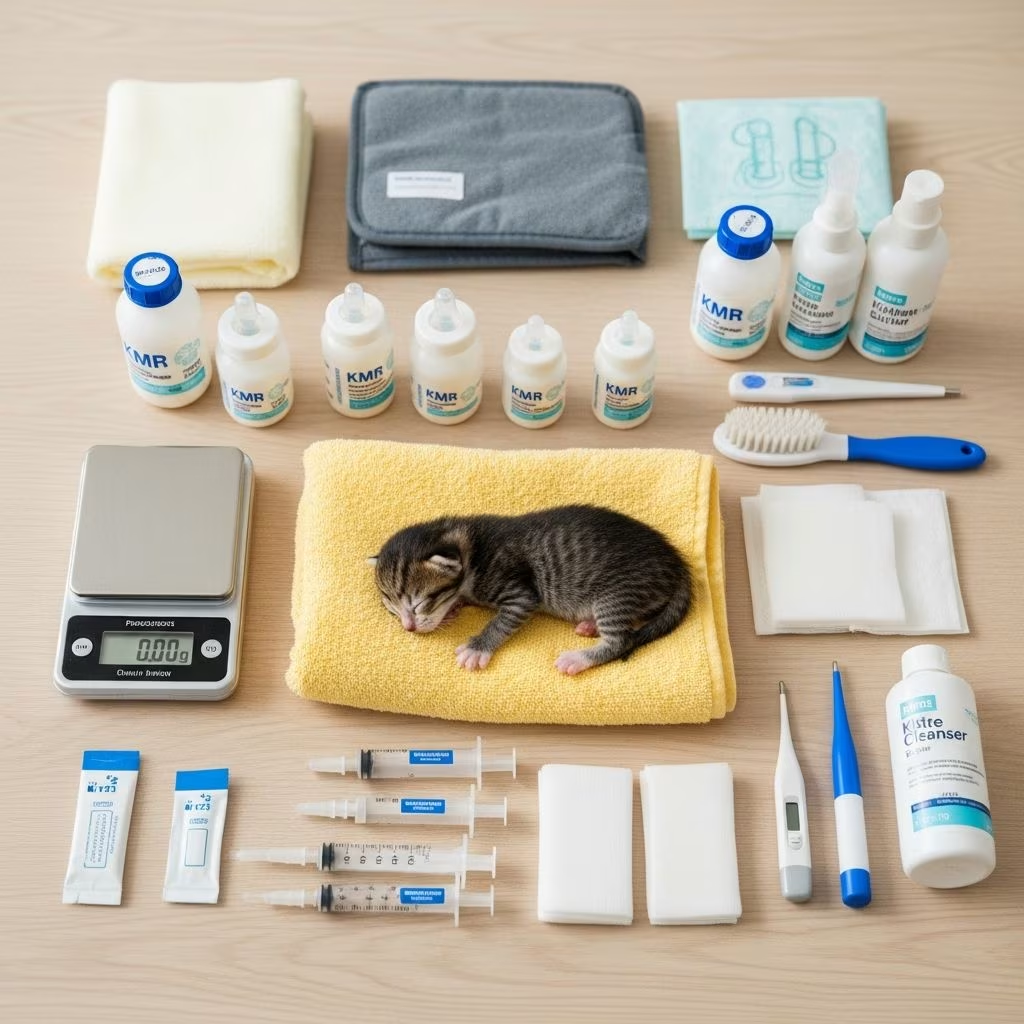
Neonatal Kitten Toolkit: A Comprehensive Guide to Caring for Vulnerable Babies
Caring for neonatal kittens presents one of the most rewarding yet challenging responsibilities for animal shelters and rescue organizations. These fragile creatures require specialized knowledge, dedicated resources, and well-trained staff to ensure their survival and healthy development. The Neonatal Kitten Toolkit is designed to help any organization build a prepared, educated, and confident team that will be ready to shepherd these little ones from intake through successful adoption.
Whether your organization already has a kitten program in place or is considering starting one, this comprehensive guide covers all the essential elements needed to create an effective neonatal kitten care protocol. From identifying abandoned kittens to recruiting and supporting foster parents, this toolkit addresses every critical stage of care.
It’s Never Too Soon to Prepare
Preparation is the foundation of any successful neonatal kitten program. Even if it’s not yet kitten season in your community, now is the ideal time to educate your staff and community members about proper kitten care procedures. Many well-meaning citizens discover seemingly abandoned kittens and don’t know what to do, often creating unnecessary intakes at shelters.
Best Friends Animal Society offers downloadable infographics in both English and Spanish that you can share on social media to educate your community about what to do when they find baby kittens. These resources help community members understand that not all kittens found outside are truly orphaned, and they teach proper assessment techniques to determine if human intervention is actually needed.
First Steps in Intaking Kittens
When kittens arrive at your facility, accurate assessment is critical. The very first question to ask is: How old do you think the kittens may be?
Determining a kitten’s age is essential because care requirements vary dramatically at different developmental stages. A newborn kitten has completely different needs than a two-week-old, who in turn requires different care than a four-week-old kitten. Having a kitten development chart available during intake helps identify key developmental milestones such as whether eyes are open, if kittens are walking, and other physical indicators of age.
Accurate Age Assessment Resources
Organizations like Alley Cat Allies and Best Friends have developed comprehensive guides with photos and detailed descriptions of each stage of kitten growth. These resources help intake staff quickly and accurately determine a kitten’s approximate age, which directly impacts the care protocol that will be implemented.
Sanitation During Intake
Protecting the health of neonatal kittens begins immediately during the intake examination. Follow these critical sanitation procedures:
- Wear gloves during the initial exam and whenever caring for kittens
- Change gloves between each individual litter to prevent disease transmission
- Sanitize the examination table and lay down a clean towel for each kitten
- Use an appropriate cleaner that reduces most illnesses; Rescue Wipes by Virox Animal Health are highly effective, requiring only one-minute contact time while killing most virucidal and fungicidal pathogens
Housing Babies Appropriately
Proper housing is fundamental to neonatal kitten survival. Kittens under four weeks of age cannot self-regulate their own body temperature, making them extremely vulnerable to hypothermia—one of the leading causes of neonatal kitten mortality.
Temperature-Controlled Housing Setup
Kittens should be housed in a small carrier or crate with a heating disc or pad placed under a blanket. This is critical: NEVER lay kittens directly on a heated surface, as this can cause burns or overheating. The blanket creates a barrier that allows heat to rise gently around the kittens.
Additionally, place a small stuffed animal inside the carrier to help kittens feel secure. Choose items that won’t snag on their unretractable nails. Commercially available “snuggle kitties” are an excellent option, as they feature both heating functions and heartbeat sounds that soothe orphaned kittens and provide comfort during their most vulnerable period.
Housing Configuration for Nursing Mothers
When foster caring for a nursing mother cat with her kittens, the housing requirements expand slightly. Provide:
- A room or a large crate with a dedicated nesting area
- A separate litter box for the mother cat
- Dedicated food and water for the mother cat
This setup allows the mother to care for her litter while maintaining her own hygiene and nutritional needs.
Neonate Feeding and Care Guidelines
Feeding protocols vary significantly depending on the kitten’s age and stage of development. Before starting any feeding, preparation is essential for success.
Pre-Feeding Preparation
Gather all necessary items within arm’s reach before beginning the feeding process. Essential items include:
- A scale that reads in grams for daily weight monitoring
- Bottles or syringes for feeding
- Kitten formula that has been appropriately warmed
- Wet wipes or warm washcloths
- Gloves or hand sanitizer
- A clean blanket for the kitten to lay on during feeding
Stimulation Before Feeding
Before offering food, stimulate the kitten to urinate and defecate. Use a warmed washcloth, sensitive and scent-free baby wipe, or paper towel and gently rub their rear end in a circular motion. Continue stimulation until the kitten has finished. This step is important because kittens feel more comfortable and feed better when their bladder and bowels have been emptied.
Feeding Categories by Age
Bottle Babies (Under 4 Weeks): Kittens under four weeks of age require bottle-feeding every two to six hours. They also need stimulation to go to the bathroom, must be kept clean and warm, and require daily weighing to ensure proper growth and adequate nutrition. This age group demands the most intensive care and attention.
Weaning Kittens (4 Weeks and Older): At four weeks of age, kittens begin the weaning process. During this transition, kittens should be fed a gruel made from formula mixed with canned kitten food. Continue supplementing with the bottle until they can eat enough solid food independently. This gradual transition helps their digestive systems adapt while ensuring they receive complete nutrition.
Self-Feeding Kittens (Fully Weaned): Once kittens are fully weaned and using the litter box successfully on their own, they require less intensive monitoring. However, continue tracking weight gain to ensure proper development. Kittens must reach two pounds before they are ready for sterilization surgery and adoption.
Weaning and Litter Box Training
The transition from bottle feeding to independent eating and toileting marks a crucial developmental milestone.
Weaning Process
Wet food should be placed in a shallow dish or plate. You can create an enticing gruel by mixing milk replacer with the wet food. Offer this mixture at each feeding, but do not force kittens to eat only gruel. Allow them to continue nursing from the bottle to ensure they receive the correct number of calories and complete nutrition at each meal. Hard food should only be introduced once the kitten’s molars have erupted, typically around six to seven weeks of age.
Litter Box Training Protocol
Ensure the litter box is low enough for kittens to climb in and out easily. A cardboard tray from a case of canned food works perfectly and can be easily replaced frequently. When stimulating kittens during feedings, as soon as they begin urinating or defecating, immediately place them in the litter box to finish. Provide lots of positive reinforcement when they complete the task. This consistent association helps kittens quickly learn proper litter box habits.
Recruiting and Supporting Foster Parents
A robust foster care program is essential for managing the volume of neonatal kittens during peak season. Foster parents are the backbone of any successful neonatal kitten program.
Creating Kitten Kits
One of the most effective recruitment strategies is offering “kitten kits” to concerned residents who find abandoned kittens. These kits should include critical supplies:
- Bottles and nipples designed for kittens
- Syringes for feeding
- Kitten Milk Replacer (KMR) or equivalent kitten formula
- Canned kitten food for weaning
- A heating source (such as a SnuggleSafe disk or non-auto-shutoff heating pad)
- A scale for weighing kittens daily
Including these supplies removes financial barriers to fostering and provides potential caregivers with everything needed to care for orphaned kittens temporarily.
Foster Manual and Documentation
Providing foster parents with comprehensive resources is critical. Create or compile a detailed kitten foster care manual that includes:
- Information on preparing for, bringing home, and caring for foster kittens
- Clear, consistent medical protocols for both general and emergency situations
- Copies of intake documents and health tracking forms
- A comprehensive list of emergency contact numbers
- Follow-up appointment dates and reminders
- Any additional organizational resources specific to your facility
Organize all manual information and resources in one centralized location, either a physical folder or virtual software such as Microsoft Teams. This ensures foster parents have immediate access to guidance when questions or concerns arise.
Supporting Foster Parents in Adoption
Empower your foster parents by allowing them to advertise their foster kittens to potential adopters. Supply them with adoption applications so they understand the questions potential adopters will be asked. Allowing foster parents to participate in the adoption process creates investment in positive outcomes and leverages their relationship with potential adopters.
Essential Program Components
Creating a successful neonatal kitten program requires several foundational elements working in concert:
- Dedicated Staff: Assign staff members specifically responsible for kitten programming and oversight
- Volunteer Recruitment Plan: Develop a clear strategy for recruiting and retaining kitten foster volunteers
- Community Communication: Establish consistent, clear messaging to the community beginning with dispatch and intake
- Sterilization Protocol: Determine a clear policy for surgical sterilization; many shelters sterilize kittens once they reach one-and-a-half pounds, typically at six to seven weeks of age
- Health Policy: Create detailed policies and procedures for both general medical care and emergency situations
Educational Resources and Training
Best Friends Animal Society offers a valuable resource through Kitten U at their Salt Lake City location, which provides a series of videos demonstrating each step of neonatal kitten care. These videos benefit both shelter staff and foster parents, providing visual guidance and preventing second-guessing during critical care moments.
Additionally, the Kitten Lady’s kitten care page serves as an excellent resource for neonatal kitten caregivers. Many shelters model their foster care manuals after this foundational information, ensuring consistency and adherence to best practices.
Frequently Asked Questions
Q: What is the most common reason neonatal kittens are brought to shelters?
A: Many kittens are brought in because well-meaning citizens find them outside and assume they are orphaned. However, the mother cat is often nearby caring for her litter. Before assuming kittens need rescue, assess whether the mother is present and the kittens appear healthy.
Q: How often do newborn kittens need to be fed?
A: Bottle babies under four weeks of age require feeding every two to six hours, depending on their exact age. Younger kittens need more frequent feedings. Always consult specific guidelines for each kitten’s age group.
Q: What is the ideal weight for kitten sterilization surgery?
A: Kittens should reach at least two pounds before surgery, though many shelters sterilize at one-and-a-half pounds, typically around six to seven weeks of age. Consult with your veterinarian for specific recommendations.
Q: How can we recruit more foster parents for our kitten program?
A: Offering kitten kits with essential supplies removes financial barriers to fostering. Additionally, sharing community resources about neonatal kitten care and highlighting success stories helps recruit compassionate community members.
Q: What should I do if I find abandoned kittens?
A: First, observe from a distance to determine if the mother cat is present. If she is, leave the kittens with her. If the mother doesn’t return after several hours, contact your local shelter or rescue organization for guidance on proper care procedures.
References
- Neonatal Kitten Toolkit — Best Friends Animal Society. 2025. https://bestfriends.org/network/resources-tools/neonatal-kitten-toolkit
- Neonatal Kitten Care — Best Friends Animal Society. 2025. https://bestfriends.org/network/resources-tools/neonatal-kitten-care
- Empowering Neonatal Kitten Finders to Foster This Kitten Season — Best Friends Animal Society. 2025. https://bestfriends.org/network/resources-tools/empowering-neonatal-kitten-finders-foster-kitten-season
- Veterinary Care for Neonatal Kittens — Best Friends Animal Society. 2025. https://bestfriends.org/network/webinars-videos/veterinary-care-neonatal-kittens
- Kitten Programs 2.0 Part 1 — Best Friends Animal Society. 2025. https://bestfriends.org/network/blog/kitten-programs-20-part-1



