
Neonatal Foal Septicemia: Prevention and Management
Understanding the leading cause of early foal mortality and effective intervention strategies
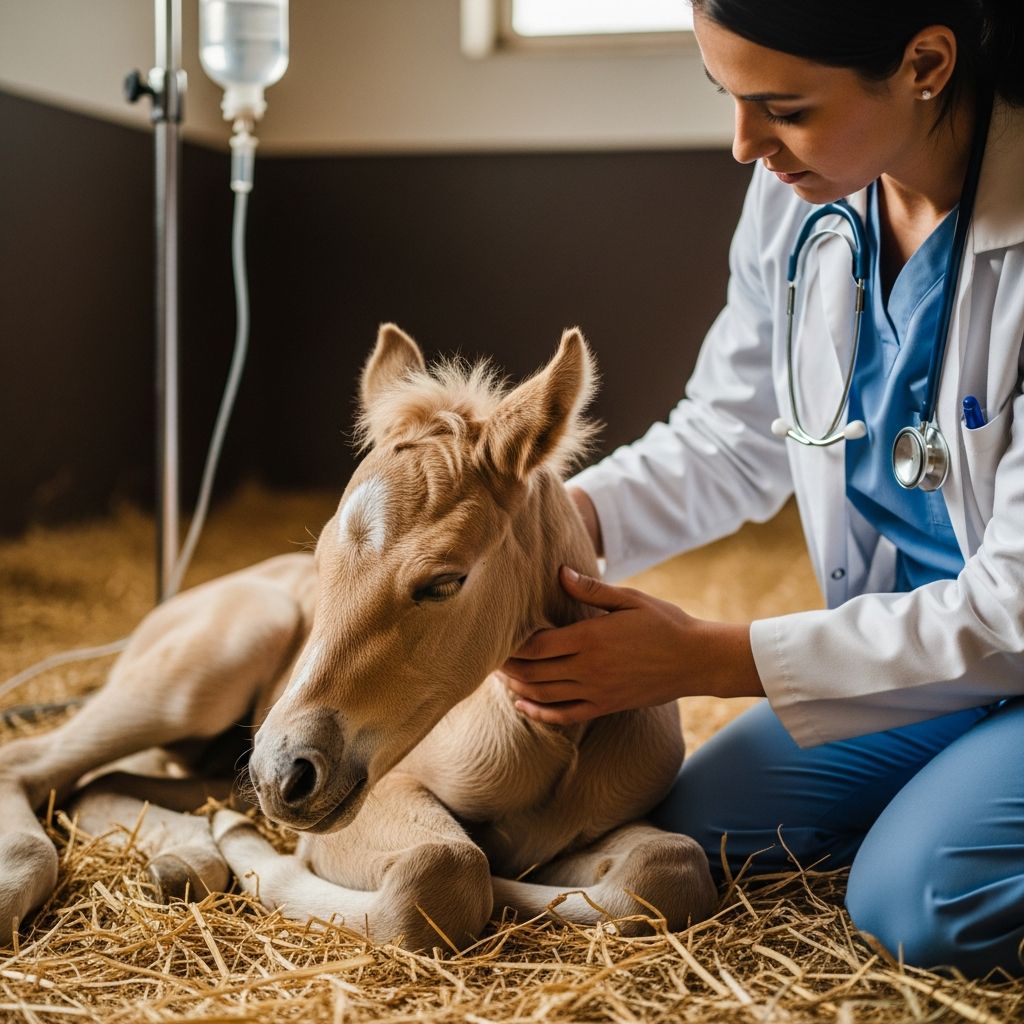
Understanding the Critical Nature of Early-Life Foal Infections
Septicemia stands as a leading cause of mortality in newborn foals, accounting for a substantial proportion of deaths during the first week of life. The condition represents a systemic infection characterized by the presence of bacteria or bacterial toxins circulating through the bloodstream, triggering a cascade of physiological responses that can rapidly overwhelm the foal’s developing immune system. Unlike adult horses that possess mature immune defenses, neonatal foals exist in a uniquely vulnerable state, having only recently transitioned from the protected environment of the uterus to a microbially diverse external world.
The susceptibility of newborn foals to life-threatening infections reflects fundamental differences in their physiological development compared to mature equines. The neonatal immune system relies almost entirely on maternal antibodies acquired through colostrum in the hours following birth, while the foal’s own immune competence requires weeks to fully develop. This biological reality creates a critical window of vulnerability that demands proactive management and rapid intervention when symptoms emerge.
The Biological Mechanisms Behind Foal Vulnerability
The equine foal enters the world with an immune system fundamentally different from that of adult horses. Neonatal foals possess limited capacity for producing their own antibodies and lack fully functional innate immune responses needed to combat bacterial pathogens. Instead, survival depends upon the successful transfer of protective maternal antibodies through colostrum ingestion during the first hours of life.
A particularly critical factor contributing to septicemia risk involves the permeability of the foal’s gastrointestinal tract immediately after birth. During the initial 18 to 24 hours of life, the foal’s intestinal epithelium remains capable of absorbing large molecules exceeding 70,000 molecular weight without breaking them down. This physiological adaptation serves a protective purpose—allowing the foal to acquire maternal immunoglobulins needed for survival—but simultaneously creates a pathway for harmful bacterial pathogens to enter the systemic circulation.
The timing of colostrum ingestion emerges as crucial in determining septicemia risk. When foals delay consuming colostrum beyond 12 hours after birth, their intestinal capacity for antibody absorption declines significantly. Compounding this risk, the very act of the hungry foal searching for the udder can result in ingestion of contaminated material from the environment, introducing pathogenic bacteria directly into the permeable gastrointestinal tract.
Routes of Bacterial Exposure and Environmental Risk Factors
Foals encounter potential pathogenic organisms through multiple routes, each presenting distinct challenges for prevention and management. Understanding these exposure pathways enables targeted interventions to minimize infection risk.
- Gastrointestinal Route: This represents the most common pathway for bacterial entry, occurring when foals ingest contaminated material from their environment or delayed colostrum ingestion combined with increased exposure to environmental bacteria.
- Respiratory Route: Inhalation of aerosolized bacteria from contaminated air or exposure to respiratory secretions introduces pathogens directly into the lungs, potentially establishing respiratory tract infections or systemic disease.
- Umbilical Route: The umbilical cord remains a critical infection site during the first days of life. Contamination of the umbilical stump can lead to omphalophlebitis (inflammation of the umbilical vein) and rapid establishment of systemic infection.
- Placental Route: In some cases, maternal placental infection during gestation can result in transplacental transmission of pathogens to the developing fetus, with infection becoming apparent after birth.
Environmental conditions within the foaling facility directly influence infection pressure experienced by vulnerable neonates. Inadequate stable hygiene, poor management of the dam, and contaminated foaling surfaces all contribute to elevated bacterial exposure during the critical first hours and days of life. Facilities with proper sanitation protocols and clean foaling environments substantially reduce the likelihood of bacterial colonization in newborn foals.
Clinical Manifestations and Variable Presentation Patterns
The clinical presentation of septicemia in foals demonstrates remarkable variability, ranging from subtle signs detectable only through careful observation to severe systemic illness with obvious organ dysfunction. This variability creates diagnostic challenges, as seriously ill foals may appear relatively normal while others exhibit dramatic clinical deterioration.
Early Warning Signs
The earliest detectable changes in septicemic foals often involve behavioral and feeding alterations. Affected foals frequently demonstrate decreased nursing frequency, which normally occurs four to six times per hour in healthy neonates. Lethargy and generalized weakness become apparent, with foals appearing less responsive to environmental stimuli. Abnormalities in mucous membrane color—either unusual paleness or an injected appearance—may accompany these behavioral changes.
Capillary refill time assessment provides a practical clinical indicator of circulatory adequacy. Normal values remain below two seconds when pressure is applied to the gingival mucosa and the time required for color return is measured. Extended capillary refill times suggest impaired peripheral perfusion, a sign often present in early sepsis.
Progressive Systemic Signs
As infection progresses, foals may display inability to stand without assistance, complete loss of the suckle reflex, and varying degrees of depression or lethargy. Fever or hypothermia can develop, reflecting the body’s inflammatory response to systemic infection. Tachycardia (elevated heart rate) and tachypnea (rapid breathing) occur as compensatory responses to systemic illness and impaired oxygenation.
Gastrointestinal manifestations frequently accompany systemic sepsis. Diarrhea develops in some affected foals, while others show signs of colic including abdominal pain, abdominal distension, and absence of normal fecal output. Cold extremities and, in severe cases, comatose or unresponsive mental status indicate advancing disease severity.
Organ-Specific Complications
As septicemia progresses, multiple organ systems become involved, creating diverse clinical presentations that challenge diagnosis and treatment:
- Respiratory Involvement: Pneumonia develops in some foals, manifesting as respiratory distress and abnormal lung sounds on auscultation.
- Neurological Manifestations: Meningitis (inflammation of brain and spinal cord membranes) can occur, causing altered mental status, seizures, or hyperexcitability.
- Musculoskeletal Infections: Osteomyelitis and septic arthritis cause sudden lameness, swelling in affected joints, and severe pain on weight-bearing.
- Ocular Complications: Anterior uveitis (inflammation of the eye’s vascular tissue) can develop, presenting as visual impairment and ocular discomfort.
Some foals expire before noticeable symptoms develop, dying during the window when infection is becoming established but clinical signs remain subtle. This tragic outcome underscores the importance of prophylactic measures and heightened vigilance during the critical early period of neonatal life.
Diagnostic Approach and Identifying Causative Organisms
Rapid and accurate diagnosis of foal septicemia requires a multifaceted approach combining physical examination findings with laboratory investigation. The urgency of septicemia demands that diagnostic testing occur simultaneously with initiation of empirical antimicrobial therapy, rather than delaying treatment pending complete diagnostic confirmation.
Physical Examination and Initial Assessment
Veterinary evaluation begins with systematic physical examination, documenting vital signs including heart rate, respiratory rate, body temperature, and quality of mucous membranes and capillary refill time. Assessment of nursing behavior, responsiveness to stimuli, and ability to maintain sternal recumbency provides crucial clinical information about disease severity.
Laboratory and Diagnostic Testing
Several diagnostic modalities contribute to confirming septicemia and identifying causative organisms:
| Diagnostic Test | Purpose and Findings |
|---|---|
| Blood Culture | Identifies specific bacterial or fungal pathogens causing systemic infection; guides targeted antimicrobial selection |
| Complete Blood Count | Reveals leukocytosis or leukopenia, anemia, and platelet abnormalities reflecting severity of systemic response |
| Plasma Immunoglobulin Concentration | Determines presence of failure of passive transfer, a major risk factor for septicemia development |
| Blood Chemistry Panel | Documents organ dysfunction through abnormalities in liver enzymes, renal parameters, and electrolytes |
| Diagnostic Imaging | Ultrasound and radiographs identify localized infections (umbilical abscess, joint sepsis) and organ involvement |
The diagnosis of septicemia requires integration of clinical findings, blood work results, and identification of causative organisms through culture. Blood culture serves as the gold standard for confirming bacteremia and determining appropriate antimicrobial therapy, though results require 24 to 48 hours for completion.
Risk Stratification and Failure of Passive Immunity Transfer
Not all newborn foals possess equivalent risk for developing septicemia. Individual foals with specific risk factors require heightened monitoring and potential prophylactic interventions. The most significant risk factor involves inadequate acquisition of maternal antibodies through failure of passive transfer of immunity (FPTI).
Failure of passive transfer occurs when foals fail to acquire sufficient maternal immunoglobulins through colostrum ingestion, leaving them poorly equipped to mount immune responses against environmental pathogens. This condition frequently develops when colostrum ingestion is delayed beyond the optimal absorption window, when colostrum quality is compromised, or when foals are unable to nurse effectively.
Early detection of failure of passive transfer by measuring blood antibody levels proves crucial in preventing progression to septicemia. Foals identified with FPTI require immediate intervention through plasma transfusion or other immune support measures to enhance their capacity for fighting infection.
Treatment Strategies and Antimicrobial Management
Management of foal septicemia involves aggressive, multimodal therapy aimed at eliminating infection while supporting vital organ function and restoring immune competence. Early intervention dramatically improves survival likelihood, while delays in treatment result in significantly poorer outcomes.
Empirical antimicrobial therapy must begin immediately upon clinical suspicion of septicemia, before blood culture results return. This approach prevents delay in critical treatment while diagnostic confirmation proceeds. Antimicrobial selection typically targets common neonatal pathogens and adjusts based on culture results and susceptibility testing once available.
Supportive care encompasses fluid resuscitation, nutritional support, pain management, and treatment of specific organ complications. Foals may require intravenous fluid therapy to maintain perfusion and electrolyte balance, supplemental feeding if nursing is compromised, and medications targeting specific complications such as meningitis or joint infections.
Prevention Through Proactive Management
Preventing septicemia proves far more effective than attempting to rescue critically ill foals after infection becomes established. Comprehensive prevention strategies target the major risk factors contributing to foal septicemia.
Ensuring Adequate Colostrum Ingestion
The foundation of foal protection involves guaranteeing timely ingestion of high-quality colostrum within the first hours of life. Monitoring to confirm that foals nurse four to six times per hour during the critical first day establishes assurance that passive immunity transfer is occurring. For foals unable or unwilling to nurse, bottle feeding of colostrum or nasogastric tube administration ensures antibody acquisition despite nursing difficulties.
Environmental Management and Biosecurity
Maintaining rigorous hygiene standards within foaling facilities significantly reduces environmental bacterial burden. Clean foaling areas, regular disinfection of surfaces, and removal of contaminated bedding limit pathogenic exposure during the vulnerable neonatal period. Staff members should follow proper handwashing and hygiene protocols when handling newborn foals and their dams.
Umbilical Care and Infection Prevention
Meticulous attention to umbilical cord management immediately following birth dramatically reduces the incidence of umbilical-site infections. Prompt drying of the umbilical stump and topical application of antiseptic solutions (typically chlorhexidine or iodine-based preparations) establish a protective barrier against bacterial colonization. Regular monitoring for signs of umbilical swelling, heat, or discharge permits early intervention if infection begins to develop.
Prognostic Considerations and Long-Term Outcomes
The prognosis for foals with septicemia depends upon multiple interrelated factors. Early recognition and aggressive treatment offer substantially better outcomes than delayed intervention. The specific organs affected, the speed of disease progression, and the foal’s individual response to therapy all influence ultimate survival likelihood.
Even among foals that survive acute septicemia, lasting complications may persist. Some foals recover from joint infections but develop residual lameness, while others overcome meningitis but sustain neurological deficits affecting behavior or coordination.
Key Takeaways for Horse Owners and Caretakers
- Septicemia represents the leading cause of death in newborn foals and demands immediate veterinary attention when suspected
- Timely colostrum ingestion within the first 12 hours of life provides critical protection against infection
- Clean foaling environments and proper umbilical care substantially reduce infection risk
- Subtle early signs such as decreased nursing or lethargy warrant urgent veterinary evaluation
- Rapid diagnosis and treatment initiation dramatically improve survival likelihood
- Prevention through proper management proves far more effective than attempting treatment of established infection
References
- Foal Septicaemia — MSD Animal Health Republic of Ireland. Accessed February 2026. https://www.msd-animal-health.ie/species/horses/foal-septicaemia/
- Sepsis (Septicemia) in Foals – Causes, Treatment and Care — Vetster. Accessed February 2026. https://vetster.com/en/conditions/horse/sepsis-septicemia
- Sepsis & Toxic Shock in Horses: Pathophysiology, Causes and Management — Mad Barn Equine Nutrition Research. Accessed February 2026. https://madbarn.com/sepsis-toxic-shock-in-horses/
- Neonatal Septicemia – Pathology and Clinical Signs — Authorea. Accessed February 2026. https://www.authorea.com/users/568106/articles/614102-neonatal-septicemia-pathology-and-clinical-signs
- Equine Perinatology and Neonatal Sepsis — VetSpecialists.com. Accessed February 2026. https://www.vetspecialists.com/vet-blog-landing/animal-health-articles/2020/04/09/equine-perinatology-and-neonatal-sepsis
- Septicemia in Foals — The Horse Magazine. Accessed February 2026. https://thehorse.com/125261/septicemia-in-foals/
- Sepsis in Foals – Management and Nutrition — Merck Veterinary Manual. Accessed February 2026. https://www.merckvetmanual.com/management-and-nutrition/management-of-the-neonate/sepsis-in-foals
Similar Articles








Read full bio of Sneha Tete


