

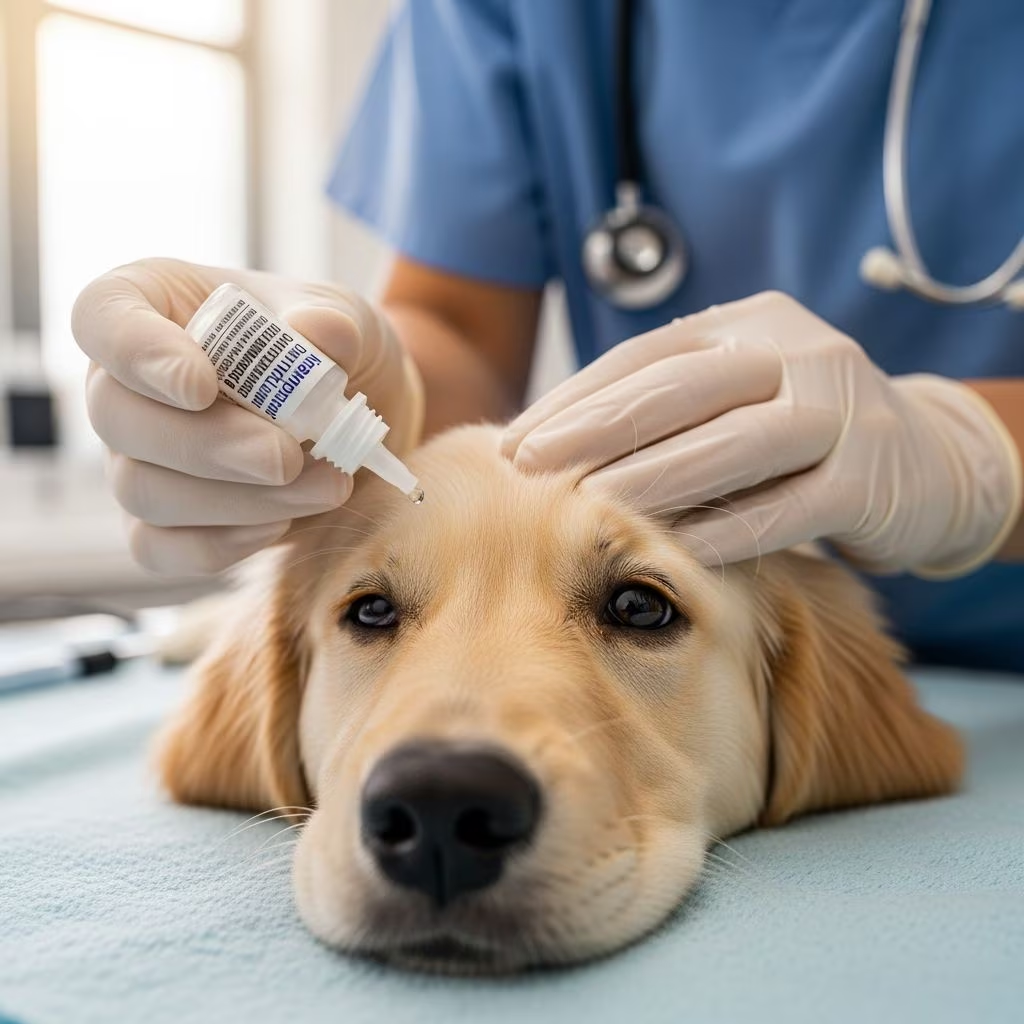
Neomycin/Polymyxin B/Dexamethasone Ophthalmic for Pets
Eye infections and inflammation in pets can cause significant discomfort and, if left untreated, may lead to serious complications. Veterinarians frequently prescribe neomycin/polymyxin B/dexamethasone ophthalmic, commonly known as neopolydex or by its brand name Maxitrol®, to address these ocular conditions in dogs and cats. This combination medication represents a powerful therapeutic approach that merges antimicrobial action with anti-inflammatory benefits, making it an essential tool in veterinary ophthalmology.
What Is Neomycin/Polymyxin B/Dexamethasone Ophthalmic?
Neomycin/polymyxin B/dexamethasone ophthalmic is a combination medication that brings together three active components, each serving a specific therapeutic purpose. The medication works synergistically to combat bacterial infections while simultaneously reducing ocular inflammation and discomfort.
The Three Active Components
The medication consists of a dual antibiotic formulation paired with a potent corticosteroid. Neomycin functions as an aminoglycoside antibiotic that targets both gram-positive and gram-negative bacteria, preventing these microorganisms from synthesizing essential proteins required for survival and reproduction. Polymyxin B operates through a different mechanism, penetrating bacterial cell membranes and causing them to rupture, effectively killing the organisms. Dexamethasone, a synthetic corticosteroid, works to suppress immune system activity, thereby reducing inflammation, redness, itching, and swelling associated with eye infections or other ocular conditions.
Together, these components create a comprehensive treatment approach that not only eliminates the bacterial infection but also provides symptomatic relief by addressing the inflammatory response that often accompanies these conditions.
Off-Label Use in Veterinary Medicine
It is important to note that neomycin/polymyxin B/dexamethasone ophthalmic is used on an “off-label” or “extra-label” basis to treat eye infections in dogs and cats. Off-label use is widespread in veterinary medicine, where medications approved for human use are adapted for animal patients when no suitable veterinary-specific alternatives exist. When your veterinarian prescribes this medication for your pet, it is crucial to follow their directions and safety precautions meticulously to ensure optimal treatment outcomes and minimize potential adverse effects.
Indications and Uses
Neomycin/polymyxin B/dexamethasone ophthalmic serves multiple therapeutic purposes in veterinary ophthalmology. The medication is specifically indicated for treating bacterial eye infections and reducing associated eye inflammation in both dogs and cats. Veterinarians may recommend this treatment for various ocular conditions where bacterial infection and inflammation are present.
Primary Uses
The primary indication for this medication involves bacterial conjunctivitis, a common condition affecting the mucous membrane lining the eyelids and covering the white portion of the eye. Additionally, the medication is prescribed for bacterial keratitis, which involves infection of the cornea, the clear front surface of the eye. Other potential applications include treating inflammation following ocular injuries, managing post-operative eye inflammation after surgical procedures, and addressing other bacterial-related eye conditions as determined by your veterinarian based on your pet’s specific diagnosis and clinical presentation.
Administration Guidelines
Proper administration of neomycin/polymyxin B/dexamethasone ophthalmic is essential for achieving therapeutic efficacy and preventing complications. Understanding the correct technique ensures that your pet receives maximum benefit from the medication.
Application Method
Both drops and ointments are administered topically, meaning they are applied directly into the affected eye or eyes. This direct application ensures high local concentrations of the medication at the site of infection and inflammation, maximizing therapeutic effect while minimizing systemic absorption and potential side effects.
Step-by-Step Administration Instructions
Begin by thoroughly washing your hands before administering the medication to your pet. This prevents introducing additional bacteria or contaminants into the eye. When applying the drops or ointment, take care not to allow the dropper tip or ointment tube applicator to touch your animal’s eye or any other surface. Contact with the eye or other surfaces can cause contamination of the medication, potentially introducing bacteria and compromising the sterility of the product.
If you are administering more than one eye medication to your pet, wait five to ten minutes between each medication application. Additionally, if using both drops and ointments, apply the eye drops first, followed by the ointment, as this sequence allows for optimal absorption of each formulation.
Duration of Treatment
Complete the entire prescribed course of medication exactly as directed by your veterinarian, even if your pet appears to be feeling better or symptoms seem to have resolved. This critical instruction cannot be overstated. Discontinuing treatment prematurely significantly increases the risk that the infection will recur or that bacteria will develop resistance to the medication, making future treatment more difficult and potentially less effective. Antibiotic resistance is a growing concern in both human and veterinary medicine, and completing the full course of treatment is one of the most important steps pet owners can take to combat this serious problem.
Side Effects and Safety Considerations
While neomycin/polymyxin B/dexamethasone ophthalmic is generally well-tolerated when used as prescribed, pet owners should be aware of potential adverse effects and safety concerns associated with this medication.
Common Side Effects
The most frequently reported side effects are typically mild and localized to the eye area. These may include irritation or swelling of the eye tissues, itching sensations, and reddening of the eye or surrounding tissues. These common side effects often diminish as the eye adjusts to the medication and as the underlying infection begins to resolve.
Rare but Serious Reactions
Although uncommon, rare allergic or hypersensitivity reactions may occur in some pets, particularly those with sensitivities to any of the medication’s components. If your pet experiences unusual symptoms or if common side effects worsen rather than improve, contact your veterinarian immediately for guidance and potential medication adjustment.
Long-Term Use Considerations
The steroid component of this medication requires special attention, particularly regarding prolonged use. Extended application of topical steroids can potentially lead to complications including elevated intraocular pressure, glaucoma development, vision loss, cataract formation, or thinning of the corneal tissues. If your veterinarian recommends using this medication for an extended period, regular eye examinations may be necessary to monitor for these potential complications. Report any vision changes or apparent discomfort to your veterinarian promptly.
Contraindications
Pets with allergies to neomycin, polymyxin B, dexamethasone, or any other ingredients in the specific product formulation should not receive this medication. Additionally, this medication is contraindicated in most viral diseases affecting the cornea and conjunctiva, as steroid use may potentially worsen certain viral infections. Your veterinarian will perform appropriate diagnostics to confirm that your pet’s condition is bacterial rather than viral before prescribing this treatment.
Important Precautions and Warnings
Several important precautions should guide the use of this medication to ensure your pet’s safety and optimal treatment outcomes.
Pre-Treatment Evaluation
Before beginning treatment with this medication, inform your veterinarian of any existing eye conditions, particularly a history of glaucoma or elevated eye pressure. Similarly, disclose any known allergies or sensitivities to medications, especially aminoglycoside antibiotics or corticosteroids. This information allows your veterinarian to make an informed decision about whether this medication is appropriate for your specific pet.
Monitoring and Follow-Up Care
If pain or swelling in your pet’s eye continues longer than two days of treatment or worsens despite receiving the medication, stop using the medication and contact your veterinarian immediately. These signs may indicate that the infection is caused by an organism resistant to this particular medication, or that a different condition is responsible for your pet’s symptoms. Similarly, if symptoms of infection return after completing the prescribed course of treatment, contact your veterinarian for further evaluation and potential alternative treatment approaches.
Completion of Prescribed Course
Completing the entire prescribed course of medication is essential, even if symptoms improve or resolve before finishing the medication supply. This practice reduces the risk that future infections will be resistant to this medication or to other similar antimicrobial agents, preserving the effectiveness of these important therapeutic tools for future use.
Storage and Handling
Proper storage and handling of neomycin/polymyxin B/dexamethasone ophthalmic help maintain medication stability and effectiveness. Store the medication according to the specific instructions provided with your pet’s prescription, typically at room temperature away from direct sunlight and moisture. Keep the container tightly closed when not in use to prevent contamination and degradation of the medication. Never use the medication beyond its expiration date, as its therapeutic efficacy cannot be guaranteed after this point, and in some cases, expired medications may become harmful.
Frequently Asked Questions (FAQs)
Q: Can I use my pet’s eye medication on myself?
A: No, you should never use medication prescribed for your pet. While neomycin/polymyxin B/dexamethasone ophthalmic is also used in human medicine, the formulation, concentration, and dosing prescribed for your pet may differ from human preparations. Always use only medications prescribed specifically for you by your healthcare provider.
Q: How long does treatment typically last?
A: The duration of treatment depends on the specific eye condition being treated and your pet’s individual response to medication. Your veterinarian will determine the appropriate treatment length, which may range from several days to several weeks. Always complete the full prescribed course of treatment.
Q: What should I do if I miss a dose?
A: If you miss a dose, administer it as soon as you remember, unless it is nearly time for the next scheduled dose. In that case, skip the missed dose and continue with the regular dosing schedule. Never double-dose to make up for a missed application.
Q: Can this medication be used in both eyes simultaneously?
A: Yes, if both eyes are affected by infection or inflammation, your veterinarian will likely prescribe treatment for both eyes. Apply the medication to each eye as directed, typically using separate applications or ensuring thorough coverage of both eyes.
Q: Will my pet’s vision be affected by this medication?
A: The medication itself should not permanently affect your pet’s vision. However, the underlying eye infection or inflammation that prompted treatment may affect vision if not addressed. Using the medication as prescribed should help restore normal eye function and protect your pet’s vision.
Q: Are there any drug interactions I should know about?
A: Since this is a topical eye medication with minimal systemic absorption, significant drug interactions are unlikely. However, inform your veterinarian of all medications, supplements, and treatments your pet is currently receiving to ensure comprehensive safety evaluation.
Q: How much does this medication typically cost?
A: The cost varies depending on the specific formulation (drops versus ointment), bottle size, your geographic location, and your veterinary clinic. Discuss cost considerations with your veterinarian, and ask whether generic alternatives are available to potentially reduce expenses.
Conclusion
Neomycin/polymyxin B/dexamethasone ophthalmic is an effective and commonly prescribed medication for treating bacterial eye infections and inflammation in dogs and cats. By understanding how the medication works, following administration guidelines precisely, and maintaining open communication with your veterinarian, you can help ensure the best possible outcome for your pet’s eye health. Always use this medication exactly as prescribed, complete the full course of treatment, and seek veterinary attention if your pet’s condition does not improve or worsens during treatment. Your vigilance and compliance with treatment recommendations directly contribute to your pet’s comfort, health, and vision preservation.
References
- Neomycin/Polymyxin B/Dexamethasone Ophthalmic (Maxitrol) — WebMD. 2024. https://www.webmd.com/drugs/2/drug-60611/neo-poly-dex-ophthalmic-eye/details
- Neomycin; Polymyxin B; Dexamethasone Eye Ointment — Cleveland Clinic. 2024. https://my.clevelandclinic.org/health/drugs/19181-neomycin-polymyxin-b-dexamethasone-eye-ointment
- Neomycin/Polymyxin B/Dexamethasone Ophthalmic — VCA Animal Hospitals. 2024. https://vcahospitals.com/know-your-pet/neomycinpolymyxin-bdexamethasone-ophthalmic
- Neomycin / Polymyxin B / Dexamethasone – Maxitrol — GoodRx. 2024. https://www.goodrx.com/maxitrol/what-is
- MAXITROL (neomycin and polymyxin B sulfates and dexamethasone ophthalmic suspension) — Prescribing Information — FDA. 2017. https://www.accessdata.fda.gov/drugsatfda_docs/label/2017/050023s036lbl.pdf
- Neomycin, Polymyxin B, and Dexamethasone — Memorial Sloan Kettering Cancer Center. 2024. https://www.mskcc.org/cancer-care/patient-education/medications/adult/neomycin-polymyxin-b-and-dexamethasone
- neomycin-polymyxin-dexameth 3.5 mg/mL — Eye Drops — Kaiser Permanente. 2024. https://healthy.kaiserpermanente.org/health-wellness/drug-encyclopedia/drug.neomycin-polymyxin-dexameth-3-5-mg-ml-10-000-unit-ml-0-1-eye-drops.241948



